
Fisker Ocean Auto Parts
Fisker Ocean: Key Considerations for Auto Parts Selection
When it comes to maintaining your Fisker Ocean, many owners overlook the importance of verifying both part compatibility and potential recall status before making a purchase. This guide explores practical steps, supported by official resources, to help you navigate parts selection, understand recall processes, and ensure your vehicle’s continued safety and performance without relying on unsupported assumptions.
0 Fisker Ocean Auto Parts
Advertisement
No Products Found
We're currently updating our inventory for Fisker Ocean parts.
Please check back soon or contact us for specific part availability.
More Fisker Ocean options
Filtering for Fisker OceanBrowse nearby inventory for this model without leaving the page. Use search to filter by price, part number, or city.
No Data Available
Please check back soon when more inventory is available for this part.
Advertisement
Why Part Verification Matters for Fisker Ocean Owners
Fisker Ocean owners often focus on immediate needs—like replacing a worn component or upgrading a feature—without considering the broader implications of part selection. Yet, ensuring that any replacement part is not only compatible but also free from recall or safety concerns is a crucial, often overlooked step. The unique status of the Fisker Ocean as a relatively new and specialized electric vehicle makes this diligence even more important. Overlooking this can lead to unnecessary expenses, wasted time, or even safety risks down the line.
Many drivers assume that purchasing a part labeled for their vehicle model guarantees a perfect fit and optimal performance. However, the reality is more nuanced, especially for vehicles like the Fisker Ocean that may not have as extensive an aftermarket parts ecosystem as more established brands. Even parts listed for the correct year and model can sometimes lack the latest updates or may not reflect recent recalls or manufacturer advisories. This makes it essential to go beyond surface-level compatibility checks.
Another common misconception is that all recalls or safety issues will be immediately obvious or directly communicated to every owner. In practice, recall notifications can be delayed, missed, or not apply to every vehicle within a model year. As a result, Fisker Ocean owners should proactively verify recall status and understand the implications of any open investigations or manufacturer communications before proceeding with repairs or part replacements. This proactive approach can help prevent future complications and ensure a smoother ownership experience.
Understanding the Risks: Recalls, Compatibility, and Repair Challenges
The process of selecting and installing auto parts for the Fisker Ocean is not as straightforward as it might seem. One of the primary risks comes from the possibility of installing a part that is subject to a safety recall or manufacturer defect investigation. According to the National Highway Traffic Safety Administration (NHTSA), recalls are issued when a vehicle or its equipment creates an unreasonable safety risk or fails to meet minimum safety standards. However, not every recall is widely publicized, and some may only affect specific production batches or VIN ranges within a model year NHTSA: Vehicle Recalls.
Compatibility is another significant concern. The Fisker Ocean, being a newer and less common vehicle, may have limited aftermarket support. This means that not all parts labeled as “compatible” will necessarily fit or function as intended. Even within a single model year, running production changes or mid-year updates can result in subtle differences that affect part fitment. Relying solely on catalog listings or generic compatibility charts can therefore lead to mismatches, installation difficulties, or suboptimal performance.
Repair challenges also arise when shops or owners attempt to use salvage or reconditioned components without fully understanding their origin or condition. The Federal Trade Commission (FTC) highlights the importance of distinguishing between new, remanufactured, and salvage parts, as each comes with different expectations for reliability and warranty coverage FTC: Auto Repair Basics. Salvage parts, in particular, are taken from other vehicles and may not have been inspected or updated to address known issues, increasing the risk of premature failure or incompatibility.
Another layer of complexity comes from the evolving nature of electric vehicles like the Fisker Ocean. As manufacturers release software updates, technical service bulletins, or revised components, earlier parts may become obsolete or require additional modifications to function correctly. Owners who are unaware of these changes may inadvertently install outdated or unsupported parts, potentially compromising vehicle safety or voiding manufacturer warranties.
The consequences of installing an incorrect or recalled part can range from minor inconveniences to serious safety hazards. In some cases, a mismatched part may simply fail to operate as expected, leading to repeated repairs or additional costs. In more severe cases, a faulty component could contribute to a breakdown or even a collision, especially if it affects critical systems like brakes, steering, or airbags. Understanding these risks is essential for making informed decisions about parts selection and repair strategies.
Finally, the repair process itself can be complicated by limited access to technical information or experienced technicians. The FTC recommends seeking out shops with specific experience on your vehicle make and model, and obtaining a written estimate that details the parts to be used and the work to be performed. This not only helps ensure transparency but also provides a basis for comparison if a second opinion is needed. For Fisker Ocean owners, this may mean investing extra effort in finding qualified service providers and verifying every aspect of the repair process.
Practical Steps for Safe and Effective Fisker Ocean Parts Selection
The first step in any parts selection process for your Fisker Ocean should be to verify whether your vehicle is subject to any open recalls or manufacturer advisories. The NHTSA provides a free online tool that allows you to search for recalls by entering your vehicle’s 17-character VIN, typically found on the lower left of the windshield or on registration documents. This search will reveal if your specific Fisker Ocean requires any recall-related repairs or part replacements, helping you avoid installing a component that may soon be subject to a mandatory fix NHTSA: Vehicle Recalls.
Next, carefully review the part’s compatibility information, paying close attention to any notes about production dates, trim levels, or special equipment. If possible, consult the Fisker Ocean’s official service documentation or owner’s manual to confirm the correct part number and specifications. When in doubt, reach out to the part seller or manufacturer for clarification, and request written confirmation of compatibility. This step is especially important for components that may have changed during the model year or that are affected by recent technical bulletins.
When considering used or salvage parts, ask the seller for detailed information about the part’s origin, condition, and any prior repairs or updates. The FTC advises consumers to distinguish between new, remanufactured, and salvage parts, as each type carries different expectations for longevity and warranty coverage FTC: Auto Repair Basics. For critical systems, new or manufacturer-reconditioned parts are generally preferable, as they are more likely to meet current safety and performance standards.
Before authorizing any repair or installation, obtain a written estimate from your chosen service provider. This estimate should clearly identify the condition to be repaired, the specific parts to be used, and the anticipated labor charges. For complex or expensive repairs, consider obtaining a second opinion from another qualified shop. This not only helps ensure that the recommended work is necessary but also provides an opportunity to compare pricing and verify that the correct parts are being used.
After the repair is completed, request a detailed repair order that lists all work performed, parts installed, and associated costs. This documentation is essential for future reference, warranty claims, or resale purposes. It also allows you to track maintenance history and identify any recurring issues that may warrant further investigation or manufacturer assistance.
If you encounter a situation where a recommended part or repair does not align with your vehicle’s official maintenance schedule, ask the service provider to explain the reasoning behind their recommendation. The FTC emphasizes the importance of comparing shop recommendations with the manufacturer’s maintenance schedule and seeking clarification when extra services are proposed. This helps prevent unnecessary repairs and ensures that your Fisker Ocean remains in line with factory guidelines.
Stay proactive by registering your Fisker Ocean with both the manufacturer and the NHTSA’s recall alert system. This ensures that you receive timely notifications about any new recalls, technical service bulletins, or safety advisories that may affect your vehicle. Regularly checking for updates—at least twice a year—can help you stay ahead of potential issues and avoid installing parts that may soon be subject to recall or replacement.
Finally, consider building a relationship with a service provider who has demonstrated experience with Fisker vehicles or other electric models. Ask about their familiarity with the Fisker Ocean, the diagnostic tools they use, and their access to up-to-date technical information. This can make a significant difference in the quality of service you receive and the long-term reliability of your vehicle.
What Official Guidance and Consumer Resources Establish
The National Highway Traffic Safety Administration (NHTSA) provides the primary framework for understanding vehicle recalls and the responsibilities of manufacturers, owners, and service providers. According to the NHTSA, a recall is initiated when a vehicle or its equipment creates an unreasonable safety risk or fails to meet minimum safety standards. The agency emphasizes that most recall decisions are made voluntarily by manufacturers, and that owners are notified by first class mail within 60 days of a recall decision NHTSA: Vehicle Recalls. This process ensures that affected owners have the opportunity to address safety issues at no cost, but it also places responsibility on owners to stay informed and act promptly.
NHTSA’s recall lookup tool is a critical resource for Fisker Ocean owners. By entering a vehicle’s VIN, owners can determine whether their specific vehicle has any open, unrepaired recalls. The tool provides information directly from the manufacturer, which may not yet be posted on the NHTSA’s site. However, it’s important to note that this lookup does not display recalls that have already been repaired, recently announced recalls for which not all VINs have been identified, or recalls more than 15 years old (unless extended by the manufacturer). This means that regular checks are necessary to ensure up-to-date information NHTSA: Vehicle Recalls.
The NHTSA also outlines the steps involved in the recall process, from initial complaints and investigations to recall management and remedy implementation. If a safety-related defect is suspected, owners can file a complaint with NHTSA, which may lead to an investigation and, potentially, a recall. The agency monitors recall completion rates and communicates with manufacturers to ensure effective remedies. This process highlights the importance of owner participation in reporting issues and following up on recall notifications to maintain vehicle safety.
The Federal Trade Commission (FTC) provides complementary guidance focused on the repair process itself. The FTC advises consumers to obtain written repair estimates, compare shop recommendations with the manufacturer’s maintenance schedule, and understand the differences between new, remanufactured, and salvage parts. These recommendations are designed to protect consumers from unnecessary repairs, unexpected costs, and the risks associated with using substandard or incompatible parts FTC: Auto Repair Basics.
The FTC also emphasizes the importance of documentation. After a repair is completed, consumers should receive a detailed repair order listing the work performed, parts used, and costs incurred. This documentation serves as a record for future reference and can be critical for warranty claims or resale. The FTC’s guidance does not guarantee that a particular part will fit or that any seller offers a specific warranty, but it does establish best practices for transparency and accountability in the repair process.
Neither the NHTSA nor the FTC provide vehicle-specific technical specifications or endorse particular parts for the Fisker Ocean. Instead, their guidance focuses on general principles of consumer protection, safety, and informed decision-making. For Fisker Ocean owners, this means that while official sources can help identify recalls and outline repair best practices, it remains essential to verify part compatibility and service provider qualifications independently. This is particularly true for newer or less common vehicles where aftermarket support may be limited.
In summary, official guidance from the NHTSA and FTC establishes a clear process for identifying recalls, verifying part status, and ensuring transparent repair practices. However, these sources do not provide specific technical data or guarantee compatibility for individual parts or sellers. Fisker Ocean owners should use these resources as a foundation for their own research and decision-making, supplementing official information with direct inquiries to manufacturers, sellers, and qualified service providers as needed.
Take the Next Step Toward Reliable Fisker Ocean Maintenance
To ensure the safety, performance, and longevity of your Fisker Ocean, make it a habit to verify recall status, confirm part compatibility, and document every repair. Use the NHTSA’s VIN lookup tool before purchasing or installing any component, and follow FTC recommendations for written estimates and repair documentation. By staying proactive and informed, you can navigate the unique challenges of Fisker Ocean ownership with confidence. For more resources and model-specific guidance, explore the dedicated Fisker Ocean parts catalog and connect with experienced service providers.
References
- NHTSA: Vehicle Recalls
- FTC: Auto Repair Basics
References
- NHTSA: Vehicle Recalls - NHTSA, accessed 2026-11-01
- FTC: Auto Repair Basics - FTC, accessed 2026-11-01
Related Guides & Articles
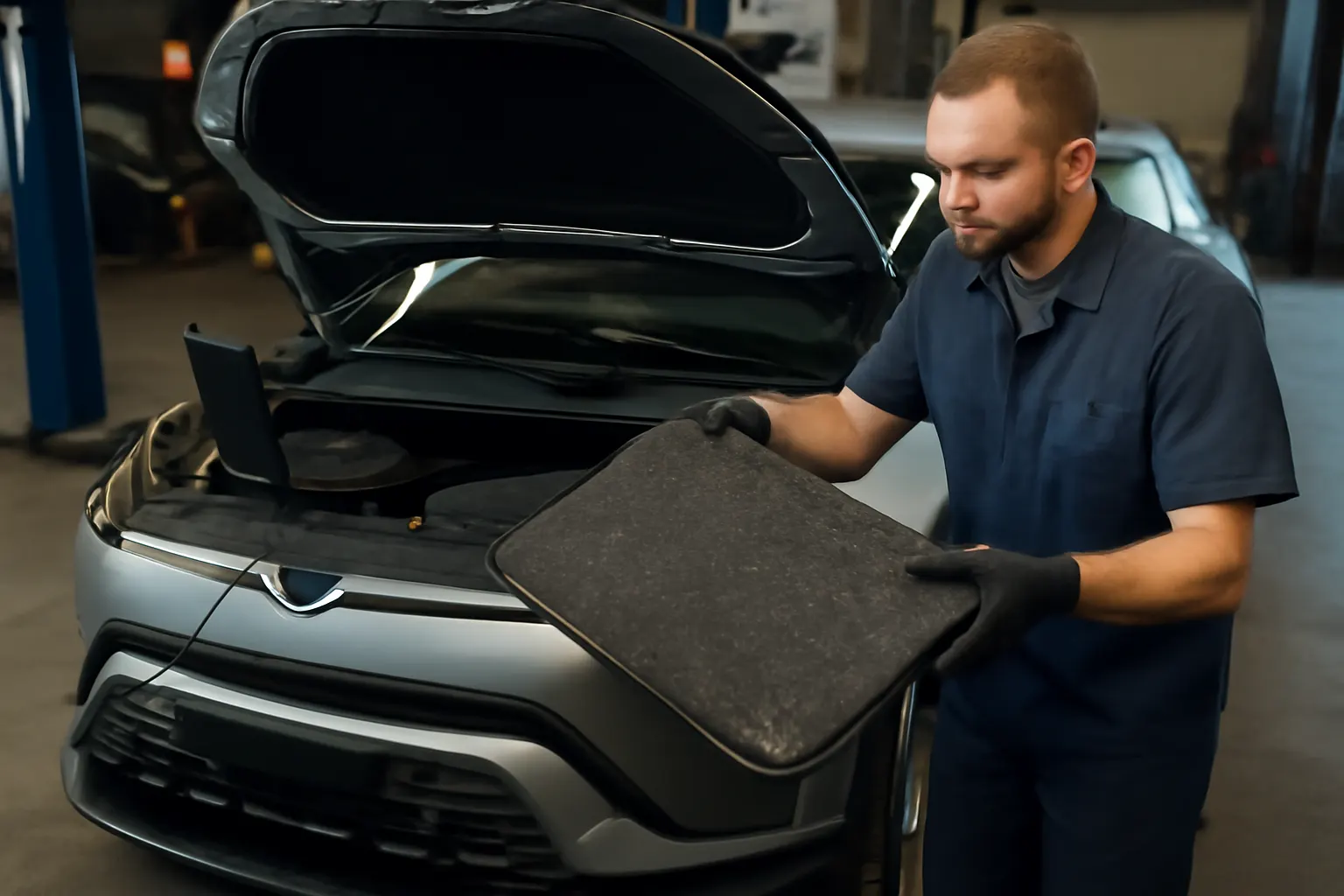
Sustainable Materials in Modern EVs
Sustainable materials—ranging from recycled plastics and bio-based composites to advanced lightweight metals—are now integral to the design and engineering of Fisker and other leading EVs. These materials are selected not only for their environmental benefits but also for their unique mechanical properties, which can boost vehicle efficiency, reduce weight, and improve part longevity. For owners and technicians, this means parts that may last longer, require different maintenance strategies, and sometimes need specialized diagnostic or repair approaches.
Read More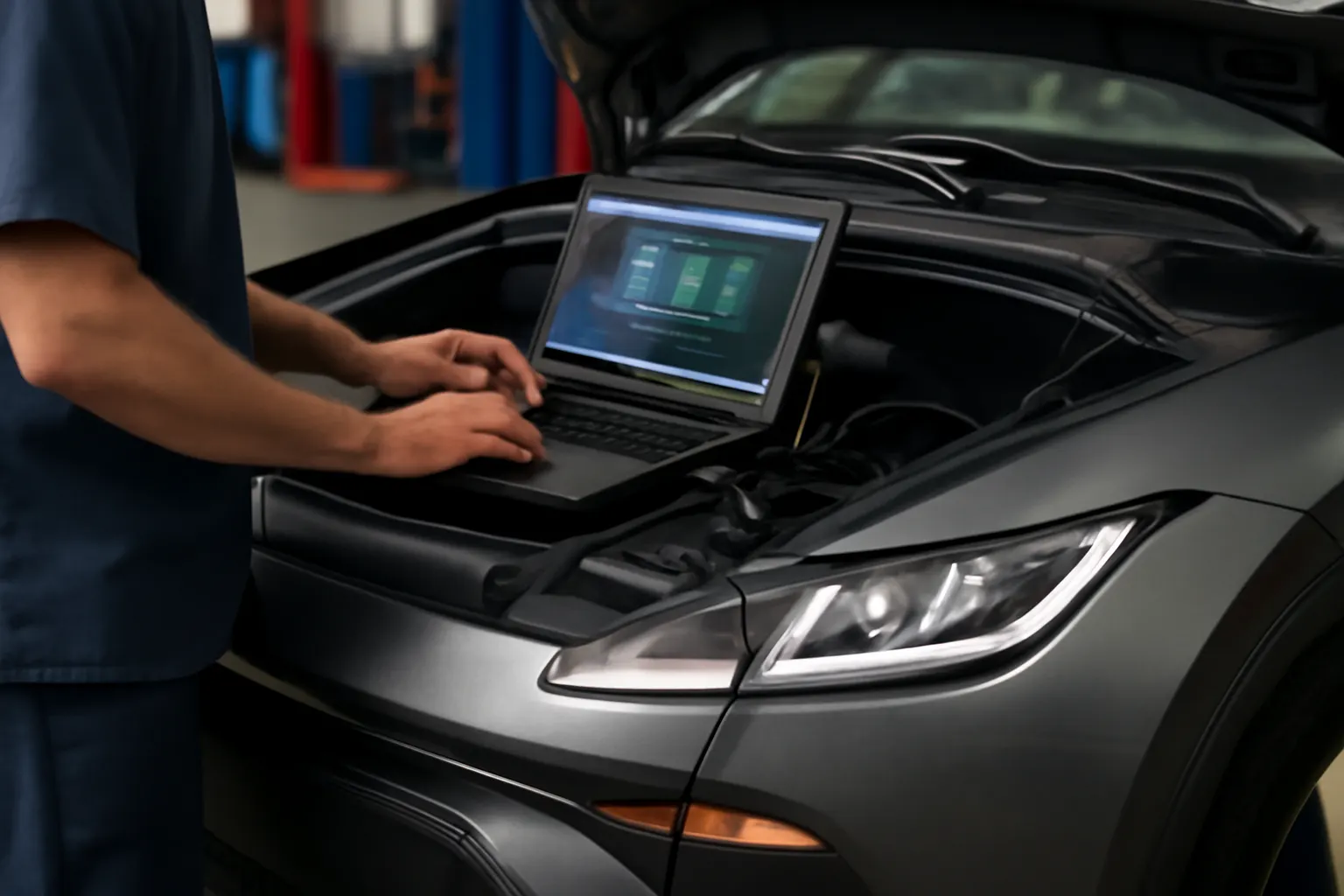
Diagnosing EV-Specific Issues in Fisker Vehicles
Diagnosing issues in Fisker electric vehicles (EVs) demands a new mindset compared to traditional automotive troubleshooting. With unique powertrains, advanced software, and specialized components, Fisker owners and technicians face a distinct set of diagnostic patterns, software quirks, and real-world challenges. This guide delivers practical, step-by-step insights for identifying and resolving the most common EV-specific issues in Fisker vehicles, backed by current standards and real-world case studies.
Read More
Authenticity Checks for Rare EV Parts
Genuine EV parts are designed, tested, and certified to meet strict safety and performance standards. For rare or low-volume models like the Fisker Karma or Ocean, the risks of counterfeit or substandard parts are higher due to limited supply and specialized technology. Using authentic components: Preserves vehicle safety features, especially for high-voltage systems. Maintains manufacturer warranty and compliance with recall actions. Ensures proper fitment, longevity, and optimal performance. Reduces risk of electrical failures, software incompatibility, or hazardous malfunctions.
View GuideFisker Maintenance & Service Guide
Proper maintenance is the key to maximizing the performance, longevity, and safety of your Fisker Ocean or Karma. This comprehensive guide delivers step-by-step service charts, essential part compatibility checks, and actionable troubleshooting advice—empowering Fisker owners and technicians to keep these advanced electric vehicles (EVs) running at peak efficiency. Whether you’re an Ocean driver preparing for a cross-country trip or a Karma enthusiast seeking to address warning lights, this guide streamlines every aspect of Fisker service.
View Guide