
Fisker Auto Parts
Fisker Auto Parts: Sourcing, Service, and Technical Considerations
Fisker vehicles, known for their electric innovation and sustainability, require a specialized approach to maintenance and parts sourcing. Owners often overlook the unique challenges posed by rare components, advanced diagnostics, and eco-friendly materials. Understanding these factors is crucial for preserving performance and safety. This page offers a comprehensive guide to navigating Fisker auto parts selection, service, and technical evidence, empowering owners to make informed decisions for their electric vehicles.
Advertisement


More Fisker parts
Filtering for FiskerBrowse nearby Fisker inventory without leaving this page. Use search to filter by price, part number, or city.
No Data Available
Please check back soon when more inventory is available for this part.
Advertisement
Why Fisker Auto Parts Demand Special Attention
Fisker stands out in the automotive world for its commitment to electric vehicle (EV) innovation and sustainable design. Yet, this very uniqueness introduces challenges that many owners may not anticipate when it comes to maintenance and parts replacement. Unlike mainstream brands, Fisker’s models—such as the Karma—rely on specialized components and cutting-edge technology that are not easily sourced or serviced through typical automotive channels. This reality often escapes notice until a repair or replacement is needed, leaving owners searching for solutions that fit the brand’s distinct requirements.
One commonly overlooked aspect is the authentication and compatibility of replacement parts. Fisker’s electric powertrains and proprietary systems mean that not all aftermarket or salvage parts will function properly, even if they appear similar. The importance of verifying part origin and ensuring it meets Fisker’s specifications cannot be overstated, especially for critical components like battery packs, control modules, or unique body panels. Failing to address these nuances can lead to performance issues or even safety concerns down the road.
Additionally, Fisker’s focus on sustainability introduces considerations that go beyond the technical. The materials used in their vehicles, from recycled composites to eco-friendly interiors, may require different handling and repair techniques compared to traditional vehicles. Owners who are unaware of these differences risk compromising the vehicle’s integrity or sustainability ethos. Recognizing these hidden factors is the first step toward effective, responsible Fisker ownership and maintenance.

Understanding the Technical Hurdles of Fisker Repairs
Fisker vehicles, particularly the Karma and similar models, present a set of technical challenges that are distinct from those found in conventional gasoline-powered cars. Their reliance on high-voltage battery systems, complex electronic control units, and unique drivetrain architectures means that standard diagnostic and repair procedures often fall short. For instance, a malfunction in the battery management system or a software-related issue may not be detectable with generic OBD-II scanners, requiring more advanced tools and expertise.
The intricacy of Fisker’s electric architecture also extends to the integration of sustainable materials throughout the vehicle. These materials, while environmentally friendly, can behave differently under stress or during repairs compared to traditional metals and plastics. For example, recycled composites used in body panels may require specialized adhesives or repair methods to maintain structural integrity and appearance. Without proper knowledge, technicians risk causing further damage or diminishing the vehicle’s value.
Another significant challenge is the limited availability of authentic Fisker parts. As a relatively small manufacturer, Fisker does not have the same extensive distribution network as larger automakers. This scarcity can lead to increased reliance on salvage or third-party components, which may not always meet the stringent requirements of Fisker’s engineering. Owners must exercise caution when sourcing parts, as improper replacements can result in compatibility issues or void warranties.
Safety recalls and technical service bulletins for Fisker vehicles are not always as visible or accessible as those for mainstream brands. The National Highway Traffic Safety Administration (NHTSA) provides a recall lookup tool, but it explicitly notes that data for ultra-luxury or specialty manufacturers like Fisker may be incomplete or delayed. This gap in information places the onus on owners to proactively seek out updates from authorized dealers or official Fisker communications to ensure their vehicles remain safe and compliant.
The complexity of Fisker’s systems also means that not every repair shop is equipped to handle their vehicles. Specialized training and diagnostic equipment are often required to accurately identify and address issues. Owners who inadvertently choose an inexperienced technician may face misdiagnoses, ineffective repairs, or even additional damage. This highlights the importance of verifying a shop’s experience with Fisker models before entrusting them with repairs.
Finally, the interplay between advanced technology and sustainability in Fisker vehicles means that even routine maintenance tasks can have broader implications. For example, using non-approved fluids or replacement materials can interfere with the vehicle’s eco-friendly design or cause unintended side effects. Understanding these interconnected factors is essential for maintaining the performance, safety, and environmental integrity of a Fisker vehicle.
Practical Steps for Selecting and Maintaining Fisker Auto Parts
The first step in effective Fisker maintenance is verifying the authenticity and compatibility of replacement parts. Owners should request detailed information from sellers regarding the origin, condition, and specifications of any component under consideration. When dealing with rare or discontinued models like the Karma, it is especially important to consult resources such as the Authenticity Checks for Rare EV Parts guide. This resource provides actionable steps for confirming that a part is genuine and suitable for Fisker’s unique systems.
Following the manufacturer’s maintenance schedule is critical for preserving the longevity and reliability of Fisker vehicles. The Fisker Maintenance & Service Guide outlines specific service intervals and procedures tailored to the brand’s electric powertrains and sustainable materials. Owners should compare any shop recommendations with these guidelines and ask for clear explanations if additional services are proposed. This approach helps prevent unnecessary work and ensures that maintenance aligns with Fisker’s engineering standards.
Specialized diagnostic tools are a must when troubleshooting Fisker vehicles. Generic scanners may not capture proprietary fault codes or system statuses, leading to incomplete or inaccurate diagnoses. Owners should seek out technicians who have experience with Fisker models and access to dedicated diagnostic equipment. The Diagnosing EV-Specific Issues in Fisker Vehicles blog offers insights into common electrical and software problems, as well as strategies for addressing them effectively.
Given Fisker’s emphasis on sustainability, repair practices should also reflect environmental considerations. Selecting parts and materials that align with the brand’s eco-friendly philosophy not only preserves the vehicle’s integrity but also supports broader sustainability goals. The Sustainable Materials in Modern EVs blog discusses how to maintain Fisker’s design ethos through careful part selection and environmentally conscious repair techniques.
When considering salvage parts, it is important to understand the potential risks and benefits. Salvage components can offer cost savings but may not always meet the high standards required for Fisker’s advanced systems. Owners should ask for documentation on the part’s history and condition, and whenever possible, opt for new or remanufactured parts that are explicitly approved for Fisker vehicles. This reduces the likelihood of compatibility issues and helps maintain warranty coverage.
Obtaining a written repair estimate is a best practice recommended by consumer protection agencies. The estimate should clearly identify the condition to be repaired, the parts needed, and the anticipated labor charges. For expensive or complicated repairs, consider seeking a second opinion to ensure the proposed solution is appropriate. This step is especially relevant for Fisker owners, given the specialized nature of their vehicles and the potential for costly mistakes.
After any repair or maintenance service, request a completed repair order that lists the work performed, parts used, costs, and odometer readings. This documentation is essential for tracking the vehicle’s service history and can be valuable for warranty claims or future resale. It also provides a record of compliance with Fisker’s maintenance requirements, which may be necessary for preserving coverage or addressing recall issues.
Finally, owners should stay proactive about recall and safety information. While the NHTSA recall database is a useful starting point, it may not capture all relevant updates for Fisker vehicles. Regularly checking with authorized Fisker service centers and subscribing to official communications can help ensure that any safety issues are addressed promptly. This vigilance is key to maintaining the safety and reliability of your Fisker vehicle over time.
Evidence and Published Guidance for Fisker Owners
The National Highway Traffic Safety Administration (NHTSA) provides a comprehensive recall lookup tool that allows vehicle owners to check for open recalls using their VIN or license plate. However, the NHTSA explicitly states that its database may not include all recalls for ultra-luxury or specialty manufacturers, such as Fisker. This limitation means that Fisker owners should not rely solely on the NHTSA tool for recall information. Instead, they should supplement their research by contacting authorized Fisker dealers and monitoring official communications for updates. This approach ensures that any safety defects or required repairs are identified and addressed in a timely manner, even if public databases are incomplete. NHTSA: Vehicle Recalls
The NHTSA also outlines the process for reporting safety problems and initiating recalls. When owners experience an issue, they can file a complaint with the agency, which may lead to an investigation and, if warranted, a recall. However, the NHTSA notes that recalls initiated by small manufacturers may not be as visible or widely publicized as those from larger automakers. This underscores the importance of owner vigilance and direct engagement with Fisker’s support channels to stay informed about potential safety concerns. NHTSA: Vehicle Recalls
The Federal Trade Commission (FTC) offers general consumer advice on auto repairs, emphasizing the importance of obtaining written estimates and understanding the distinctions between new, remanufactured, and salvage parts. While the FTC’s guidance is not specific to Fisker vehicles, it provides a valuable framework for owners navigating complex repairs. For example, the FTC recommends asking whether a technician has experience with the specific make or model, which is particularly relevant for high-tech EVs like Fisker. This advice helps owners avoid improper repairs and ensures that work is performed by qualified professionals. FTC: Auto Repair Basics
The FTC further advises consumers to compare shop recommendations with the manufacturer’s maintenance schedule and to question any extra services that are proposed. This guidance is directly applicable to Fisker owners, who may encounter shops unfamiliar with the brand’s unique requirements. By adhering to the official maintenance schedule and seeking explanations for additional work, owners can avoid unnecessary expenses and maintain their vehicle’s integrity. This practice also helps ensure that maintenance aligns with Fisker’s engineering and sustainability standards. FTC: Auto Repair Basics
The FTC document also highlights the lack of a standard warranty on repairs, advising consumers to understand any coverage offered and to get it in writing. For Fisker owners, this is especially important given the potential for high repair costs and the specialized nature of replacement parts. Ensuring that warranty terms are clearly documented helps protect owners from unexpected expenses and provides recourse in the event of defective parts or workmanship. FTC: Auto Repair Basics
While neither the NHTSA nor the FTC provides vehicle-specific technical specifications for Fisker models, their published guidance establishes best practices for all vehicle owners. The NHTSA’s recall process and the FTC’s repair advice form a foundation for responsible vehicle care, emphasizing the importance of documentation, verification, and proactive information gathering. For Fisker owners, these practices are particularly relevant given the brand’s unique challenges and limited public data.
In the absence of detailed technical evidence specific to Fisker components, owners are encouraged to request detailed part information, verify technician experience, and consult multiple sources before proceeding with repairs. This evidence-based approach, grounded in published consumer protection guidance, helps mitigate the risks associated with rare EV parts and ensures that repairs are performed to the highest standards. By following these steps, Fisker owners can confidently navigate the complexities of sourcing and maintaining their vehicles.
Take Charge of Your Fisker’s Maintenance and Parts Needs
Owning a Fisker vehicle is a commitment to innovation and sustainability, but it also requires a proactive approach to maintenance and parts sourcing. By verifying part authenticity, following manufacturer guidelines, using specialized diagnostics, and staying informed about recalls, you can ensure your Fisker remains safe, reliable, and true to its design philosophy. Explore our Fisker auto parts catalog for components tailored to your vehicle, and consult the Fisker Maintenance & Service Guide for detailed service procedures. For troubleshooting and repair insights, visit Diagnosing EV-Specific Issues in Fisker Vehicles.
References
- NHTSA: Vehicle Recalls
- FTC: Auto Repair Basics
References
- NHTSA: Vehicle Recalls - NHTSA, accessed 2026-11-01
- FTC: Auto Repair Basics - FTC, accessed 2026-11-01
Related Guides & Articles
Fisker Maintenance & Service Guide
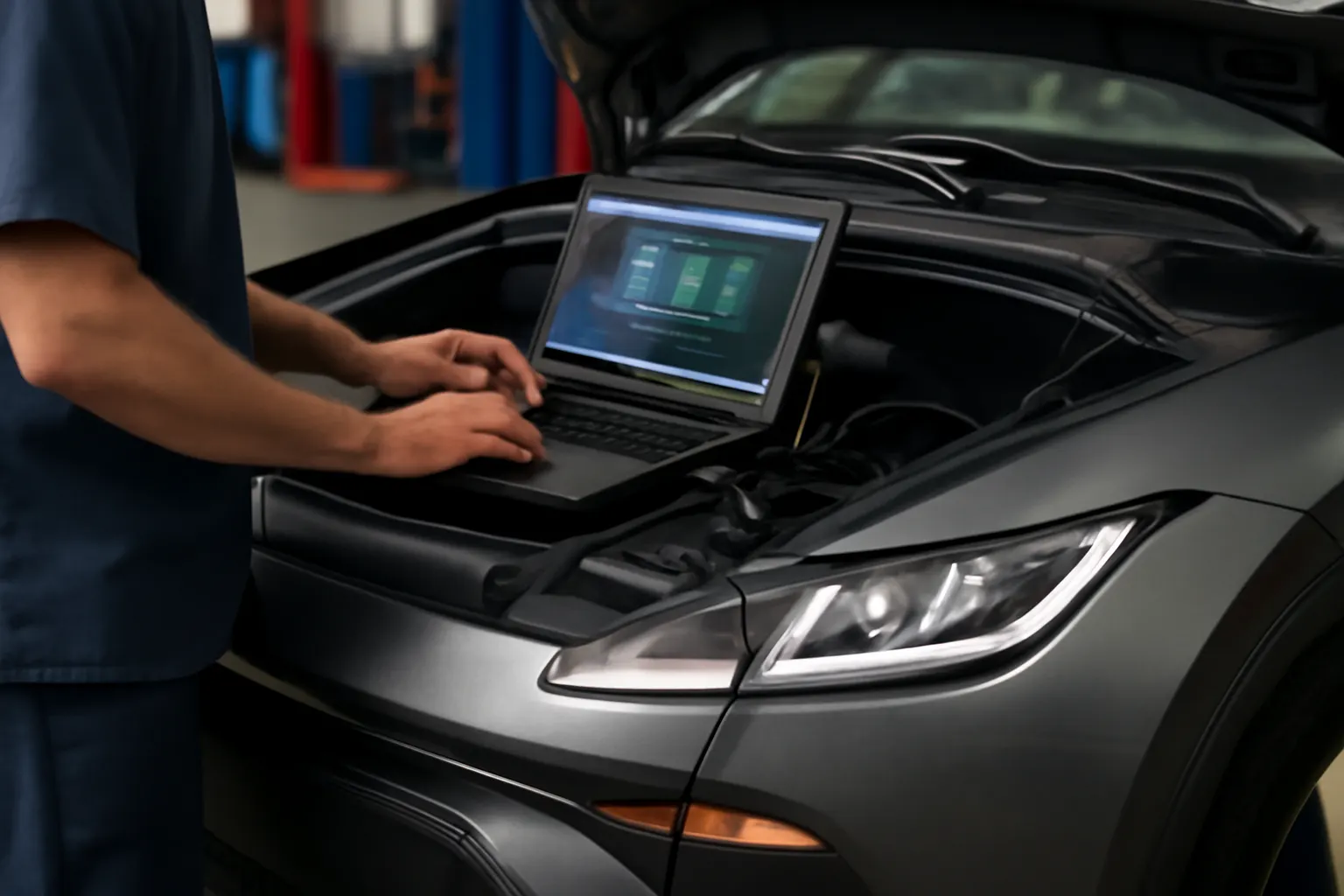
Proper maintenance is the key to maximizing the performance, longevity, and safety of your Fisker Ocean or Karma. This comprehensive guide delivers step-by-step service charts, essential part compatibility checks, and actionable troubleshooting advice—empowering Fisker owners and technicians to keep these advanced electric vehicles (EVs) running at peak efficiency. Whether you’re an Ocean driver preparing for a cross-country trip or a Karma enthusiast seeking to address warning lights, this guide streamlines every aspect of Fisker service.
View GuideDiagnosing EV-Specific Issues in Fisker Vehicles
Diagnosing issues in Fisker electric vehicles (EVs) demands a new mindset compared to traditional automotive troubleshooting. With unique powertrains, advanced software, and specialized components, Fisker owners and technicians face a distinct set of diagnostic patterns, software quirks, and real-world challenges. This guide delivers practical, step-by-step insights for identifying and resolving the most common EV-specific issues in Fisker vehicles, backed by current standards and real-world case studies.
Read More
Authenticity Checks for Rare EV Parts
Genuine EV parts are designed, tested, and certified to meet strict safety and performance standards. For rare or low-volume models like the Fisker Karma or Ocean, the risks of counterfeit or substandard parts are higher due to limited supply and specialized technology. Using authentic components: Preserves vehicle safety features, especially for high-voltage systems. Maintains manufacturer warranty and compliance with recall actions. Ensures proper fitment, longevity, and optimal performance. Reduces risk of electrical failures, software incompatibility, or hazardous malfunctions.
View Guide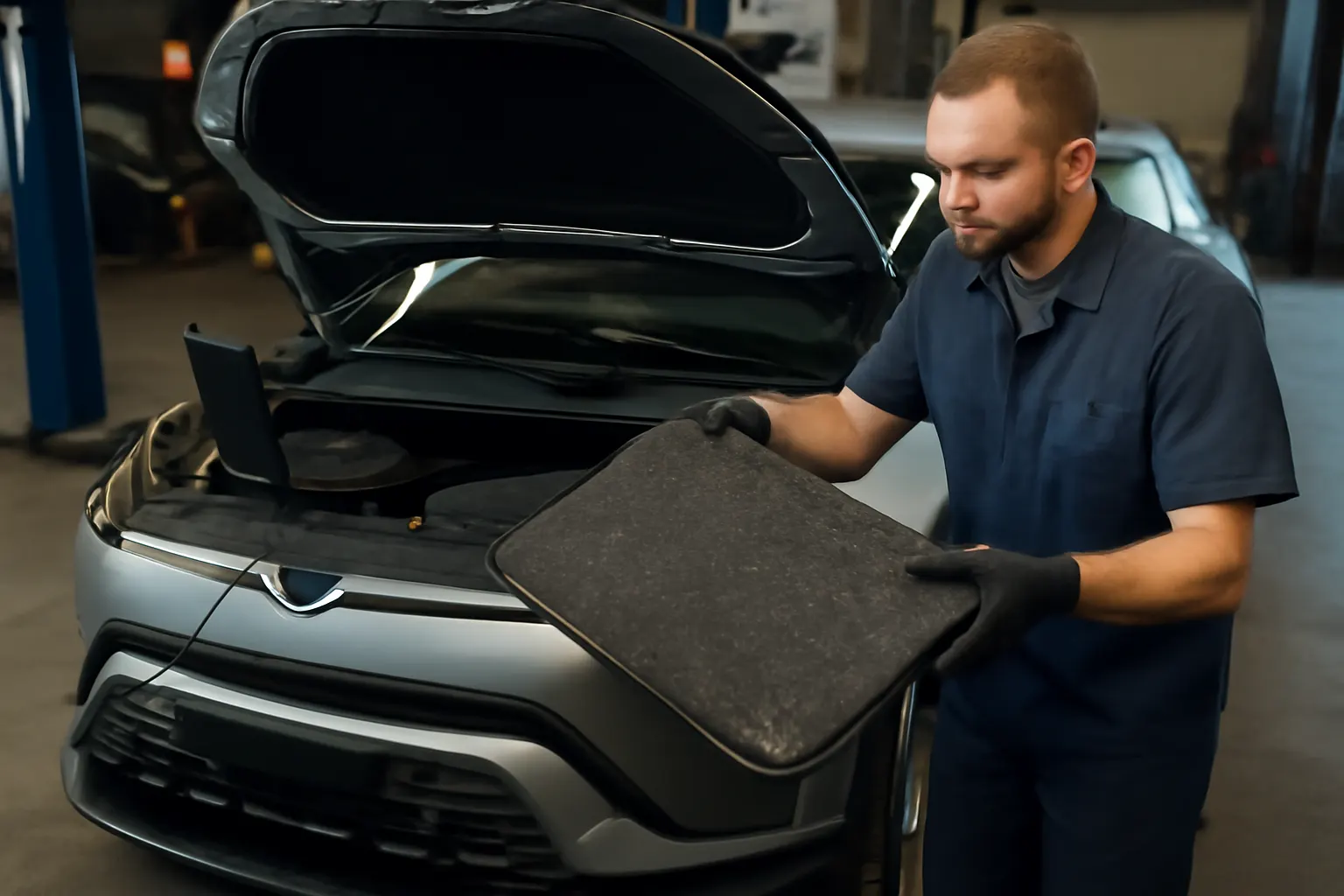
Sustainable Materials in Modern EVs
Sustainable materials—ranging from recycled plastics and bio-based composites to advanced lightweight metals—are now integral to the design and engineering of Fisker and other leading EVs. These materials are selected not only for their environmental benefits but also for their unique mechanical properties, which can boost vehicle efficiency, reduce weight, and improve part longevity. For owners and technicians, this means parts that may last longer, require different maintenance strategies, and sometimes need specialized diagnostic or repair approaches.
Read More