
Chevy Corvette Wiring Harness (Misc) Parts
Chevy Corvette Miscellaneous Wiring Harness: What to Know
Wiring harness issues in a Chevy Corvette can be subtle yet impactful, often overlooked until electrical quirks or upgrades demand attention. Whether restoring a classic or maintaining a newer model, understanding the nuances of miscellaneous harnesses is essential. This guide offers a practical approach to evaluating, selecting, and verifying wiring harness parts for your Corvette, backed by published consumer and regulatory resources. Make informed choices and avoid common pitfalls with this comprehensive overview.
Advertisement
12 Chevy Corvette Wiring Harness (Misc) Parts


Advertisement
More Wiring Harness (Misc) options for Chevy Corvette
Filtering for Chevy Corvette • Wiring Harness (Misc)Browse nearby inventory for this model and category without leaving the page.
No Data Available
Please check back soon when more inventory is available for this part.
Advertisement
Why Wiring Harnesses Deserve a Closer Look in Your Corvette
Many Corvette owners focus on high-profile performance upgrades or visible wear-and-tear components, but wiring harnesses—especially those labeled as 'miscellaneous'—often escape notice. Yet, these harnesses play a crucial role in connecting vital systems, from lighting to sensors and entertainment modules. Over time, even minor harness issues can lead to frustrating electrical glitches or intermittent failures that are hard to trace. Ignoring these components can mean missing the root cause of subtle but persistent problems, particularly in older or modified Corvettes.
A wiring harness is more than just a bundle of wires; it’s the nervous system of your vehicle’s electronics. In a Chevy Corvette, where advanced features and performance electronics converge, even a small harness fault can have outsized effects. Owners may not realize how many systems rely on these 'miscellaneous' harnesses until a minor fault interrupts daily driving or a restoration stalls. Recognizing the importance of these parts is the first step toward reliable operation and successful upgrades.
Because wiring harnesses are often hidden behind panels or routed through tight spaces, their deterioration or incompatibility can remain undetected until symptoms appear. These might include flickering lights, malfunctioning accessories, or unexplained warning lights. For anyone maintaining, restoring, or upgrading a Corvette, giving due attention to the wiring harness—especially less obvious ones—can prevent headaches and ensure every system performs as intended.

Common Issues and Overlooked Risks with Corvette Wiring Harnesses
When electrical issues arise in a Chevy Corvette, the wiring harness is not always the first suspect. Owners may chase symptoms—like a non-functional gauge or intermittent power loss—without tracing the problem to a harness connection or internal break. Miscellaneous harnesses, which may serve secondary systems or aftermarket add-ons, are particularly prone to being overlooked during diagnostics. This can lead to repeated repairs or part replacements that fail to resolve the underlying issue.
Corvette wiring harnesses, especially in older models or those with prior modifications, can suffer from age-related degradation. Insulation may become brittle, connectors corrode, or wires chafe against metal surfaces. These issues can cause subtle faults that are difficult to pinpoint without a thorough inspection. In some cases, a harness may have been spliced or repaired in the past, introducing weak points or non-standard connections that complicate troubleshooting.
Another risk is the use of incorrect or incompatible harnesses during repairs or upgrades. With so many Corvette generations and trim variations, not every harness labeled as 'Corvette' will fit every year or model. Installing a harness with mismatched connectors or wire colors can create new problems, from non-functioning accessories to potential short circuits. This is especially relevant for miscellaneous harnesses, which may not be as well-documented as primary engine or chassis harnesses.
The complexity of modern Corvette electrical systems adds another layer of challenge. Advanced features, such as electronic stability control, infotainment, and custom lighting, often rely on dedicated harnesses. If these harnesses are damaged or improperly replaced, owners may encounter persistent error codes or system malfunctions that standard diagnostics tools cannot easily resolve. This complexity underscores the importance of verifying harness compatibility and condition before installation.
Owners seeking to restore or upgrade their Corvette may also encounter harnesses from salvage vehicles or aftermarket sources. While these can be cost-effective, they introduce uncertainty regarding prior use, hidden damage, or subtle differences in wiring configuration. Without careful inspection and verification, using a salvage or non-OEM harness can result in time-consuming troubleshooting or even damage to connected components.
Finally, the process of diagnosing harness issues can be time-consuming and requires a methodical approach. Symptoms may be intermittent or only appear under certain conditions, making it easy to misattribute the cause. For this reason, understanding the potential pitfalls and risks associated with miscellaneous wiring harnesses is essential for any Corvette owner aiming for reliable operation and successful repairs or upgrades.
A Practical Guide to Selecting and Verifying Corvette Wiring Harnesses
The first step in addressing wiring harness concerns is to accurately identify the harness in question. For a Chevy Corvette, this means consulting the vehicle’s service manual or wiring diagrams to determine the exact function and routing of the miscellaneous harness. Take note of connector types, wire colors, and any unique features specific to your model year and trim. This groundwork helps avoid costly mistakes during replacement or upgrade.
Once the harness is identified, visually inspect the existing component for signs of wear, corrosion, or previous repairs. Pay close attention to areas where the harness bends, passes through bulkheads, or is exposed to heat. Even if no obvious damage is present, check for brittle insulation or loose connectors, as these can cause intermittent faults. Document any findings with photographs or notes to aid in comparison with potential replacement parts.
When sourcing a replacement harness, verify compatibility using the vehicle’s VIN and the part number from the original harness if available. Many reputable sellers provide detailed fitment charts or cross-reference tools. However, as the NHTSA explains, recall and fitment databases are not foolproof and may not reflect every variation or recent update. Always double-check compatibility with the seller and, if possible, request detailed photographs or connector diagrams before purchase NHTSA: Vehicle Recalls.
For used or salvage harnesses, inquire about the donor vehicle’s year, model, and any modifications. Salvage harnesses can be a cost-effective solution, but as the FTC notes, they come with inherent risks due to unknown prior use or hidden damage. Ask the seller to confirm the harness’s condition and provide a written description of any repairs or alterations. Consider having a qualified technician inspect the harness before installation FTC: Auto Repair Basics.
If you are not confident in your ability to assess or install the harness, seek assistance from a technician experienced with Corvettes. The FTC recommends asking about a shop’s experience with your specific make and model, as well as obtaining a written repair estimate and a completed repair order listing parts, labor, and odometer readings. This documentation provides a clear record and helps resolve any disputes should issues arise post-installation.
Compare new, remanufactured, and salvage harness options. New harnesses generally offer the highest reliability but may be more expensive or harder to source for older models. Remanufactured harnesses are rebuilt to meet original specifications and can be a good compromise between cost and reliability. Salvage harnesses, as discussed, are the most affordable but carry the greatest risk. Weigh these factors based on your budget, intended use, and the importance of electrical reliability in your Corvette.
Before finalizing a purchase, review the seller’s return and warranty policies. As the FTC states, there is no standard warranty on repairs or parts, so it’s important to understand what coverage, if any, is offered. Get any guarantees in writing and clarify the process for returns or exchanges if the harness proves incompatible or defective. This step can save significant time and expense if issues arise after installation.
Finally, after installation, test all systems connected to the new harness under various conditions. Verify that all functions—such as lighting, sensors, or infotainment—operate correctly and that no new warning lights appear. Retain all documentation and photographs for future reference. If any issues persist, revisit the installation steps and consult a qualified technician as needed. This thorough approach ensures a reliable outcome and maximizes the value of your investment.
What Published Guidance and Regulations Reveal About Harness Selection
The National Highway Traffic Safety Administration (NHTSA) provides a comprehensive overview of how recalls and safety investigations are managed in the United States. According to their guidance, searching by VIN can reveal if a specific vehicle has an open recall, but it does not guarantee that every possible defect or compatibility issue will be captured. The NHTSA database is continuously updated, and recall coverage may not include all model years or aftermarket modifications. This means Corvette owners cannot rely solely on recall lookups to verify the safety or fitment of a miscellaneous wiring harness NHTSA: Vehicle Recalls.
NHTSA further explains that manufacturers are responsible for notifying owners of safety recalls and offering remedies such as repair, replacement, or refund. However, most recalls focus on primary safety defects and may not address issues with miscellaneous harnesses unless they pose a significant safety risk. For this reason, the absence of a recall does not confirm that a harness is free from problems or that it will be compatible with your specific Corvette. Owners should use recall information as one part of a broader verification process, not as a sole determinant of harness suitability NHTSA: Vehicle Recalls.
The Federal Trade Commission (FTC) offers general consumer advice for auto repairs, emphasizing the importance of written estimates, clear documentation, and understanding the differences between new, remanufactured, and salvage parts. The FTC explicitly notes that salvage parts, such as used wiring harnesses, come from other vehicles without alteration and may carry unknown risks. This guidance supports the recommendation to thoroughly inspect and verify any used harness before installation, and to get all terms and conditions in writing FTC: Auto Repair Basics.
The FTC also advises comparing shop recommendations with the manufacturer’s maintenance schedule and asking for justification if additional services are proposed. While this advice is not specific to wiring harnesses, it underscores the importance of questioning recommendations and seeking a second opinion for complex or expensive repairs. For Corvette owners, this means not accepting a harness replacement at face value—especially if the symptoms are ambiguous or the proposed part is not clearly documented as compatible with your model.
Neither NHTSA nor FTC sources provide technical specifications, failure rates, or service intervals for Corvette wiring harnesses. Instead, they offer frameworks for consumers to make informed decisions, emphasizing verification, documentation, and clear communication with sellers or repair shops. This lack of model-specific data means owners must rely on careful comparison, visual inspection, and consultation with knowledgeable technicians rather than assuming universal fitment or reliability.
The NHTSA’s recall process also highlights the importance of owner vigilance. Even if a harness-related recall exists, it may not apply to all vehicles or may have already been addressed in a prior repair. Owners are encouraged to register their vehicles, check for recalls regularly, and follow up with manufacturers or dealers as needed. This proactive approach is especially important for miscellaneous harnesses, which may not be covered by high-profile recalls but can still affect vehicle safety and performance NHTSA: Vehicle Recalls.
In summary, published evidence from regulatory and consumer agencies establishes that while recall and repair databases are valuable tools, they are not definitive guides for selecting or verifying a Corvette wiring harness. Owners must combine these resources with hands-on inspection, detailed documentation, and clear communication with sellers and technicians. This multi-step approach is necessary to ensure both compatibility and reliability, given the wide variation in Corvette models and the unique challenges posed by miscellaneous harnesses.
Take the Next Step: Ensure Your Corvette’s Wiring Reliability
If you’re considering a wiring harness replacement or upgrade for your Chevy Corvette, start by gathering all relevant documentation and inspecting your current harness thoroughly. Use trusted resources to compare options, verify compatibility, and ask sellers for detailed information before making a purchase. For complex cases or uncertainty, consult a technician with Corvette experience and insist on clear, written records of all work performed. By taking these steps, you’ll protect your investment and enjoy reliable performance from every electrical system in your Corvette.
References
- NHTSA: Vehicle Recalls
- FTC: Auto Repair Basics
References
- NHTSA: Vehicle Recalls - NHTSA, accessed 2026-11-01
- FTC: Auto Repair Basics - FTC, accessed 2026-11-01
Related Guides & Articles

How to Spot Counterfeit Chevy Parts
Counterfeit Chevy parts can jeopardize your vehicle's safety, reliability, and performance. Whether you're shopping for a replacement alternator, brake pads, or sensors, identifying fakes before you buy is crucial. This guide delivers immediate visual clues, packaging tips, and real-world examples to help you confidently distinguish genuine from counterfeit Chevy components—protecting both your investment and your safety.
Read More
Chevy Service Intervals Explained
Build a Chevrolet maintenance plan from the correct owner’s manual, service history and dashboard messages. Learn how oil-life reminders differ from oil-pressure warnings, how mileage and elapsed time affect a service decision, and why gasoline and electric vehicles need different schedules. Use the checklist to discuss a clear, itemized plan with your repairer.
View Guide
Common Causes of Intermittent Electrical Problems
Intermittent electrical problems in vehicles are among the most frustrating issues for both drivers and technicians. These elusive faults can cause random warning lights, sudden stalling, flickering headlights, or malfunctioning accessories, turning a dependable ride into an unpredictable source of stress. The root cause is often traced back to the vehicle’s wiring harness—the intricate network of wires and connectors that serve as the nervous system for modern automotive electronics.
Read More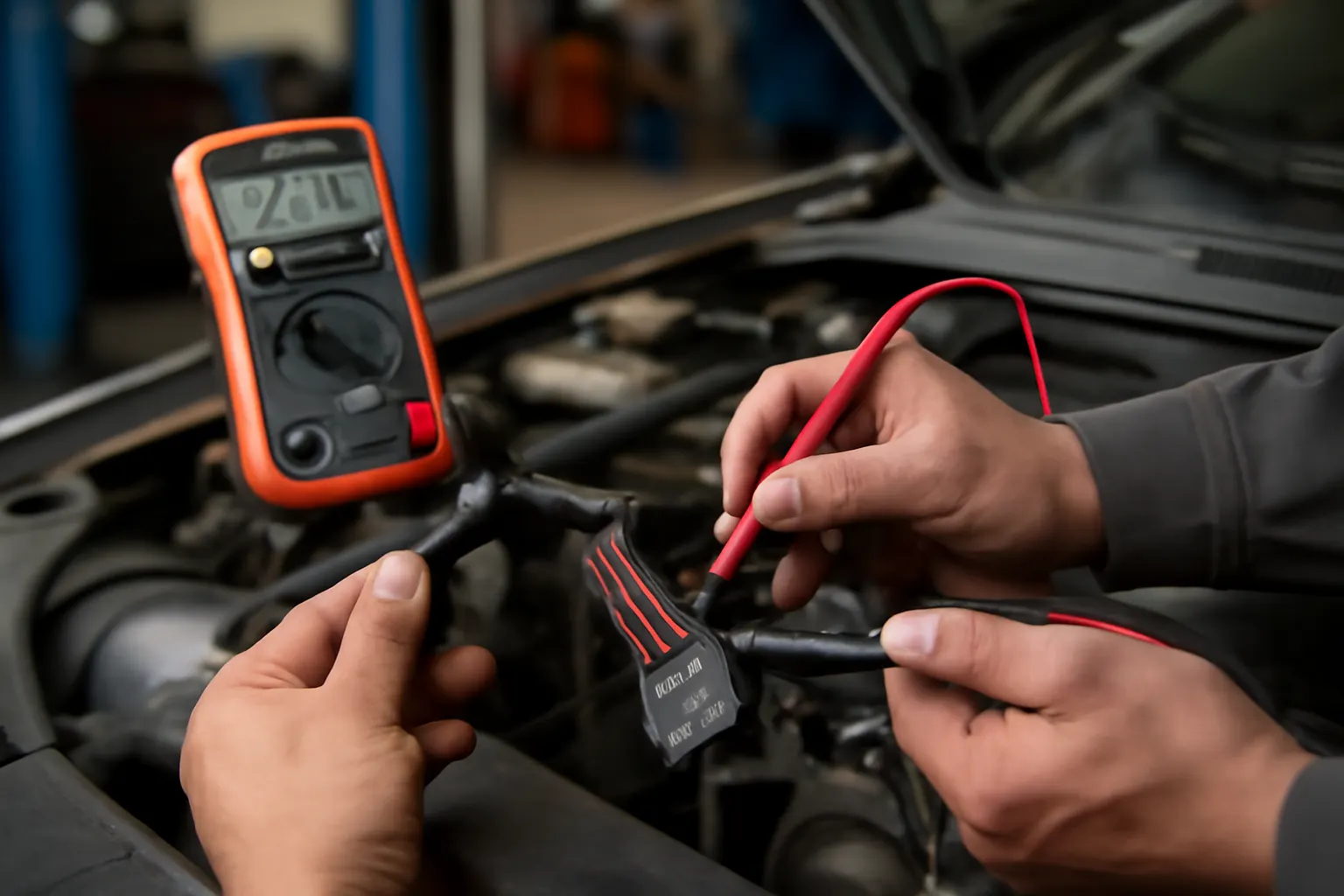
Electrical Gremlins: Decoding Intermittent Harness Problems
Intermittent electrical problems—often called “electrical gremlins”—are among the most frustrating challenges for vehicle owners, technicians, and DIYers alike. These elusive faults can cause random warning lights, flickering displays, stalling, or non-functional accessories, only to disappear before you can track them down. The root cause is frequently traced back to wiring harness issues, making precise diagnostics and targeted repairs essential.
Read More