
Chevy Corvette Wiring Harness (Engine) Parts
Chevy Corvette Engine Wiring Harness: What to Know Before You Buy
Many Chevy Corvette owners overlook the importance of the engine wiring harness until electrical issues arise. Selecting the right replacement involves more than matching part numbers. This guide highlights practical steps and evidence-based advice for evaluating, sourcing, and replacing your Corvette’s engine wiring harness, ensuring a reliable repair and informed purchase.
Advertisement
9 Chevy Corvette Wiring Harness (Engine) Parts


Advertisement
More Wiring Harness (Engine) options for Chevy Corvette
Filtering for Chevy Corvette • Wiring Harness (Engine)Browse nearby inventory for this model and category without leaving the page.
No Data Available
Please check back soon when more inventory is available for this part.
Advertisement
Why Engine Wiring Harnesses Deserve Closer Attention
When maintaining a Chevy Corvette, the engine wiring harness is often overshadowed by more visible components like the battery or alternator. Yet, this complex network of wires and connectors is essential for reliable engine performance and safe operation. Many owners do not realize that even minor harness issues can lead to intermittent electrical faults, check engine lights, or unexpected stalling. Overlooking the harness during troubleshooting or upgrades can result in repeated problems and unnecessary costs.
The engine wiring harness routes signals and power between sensors, actuators, and the vehicle’s computer. Its design is model- and year-specific, with variations in connector types, wire gauges, and routing paths. Corvette owners who assume any harness will fit may encounter compatibility issues or incomplete connections. Even seemingly minor differences, such as pin configurations or shielding, can prevent proper operation or introduce new faults.
Many replacement harnesses available today are sourced from salvage vehicles, remanufactured, or new aftermarket suppliers. Each option carries its own considerations regarding reliability, fitment, and cost. Without a clear understanding of these differences, buyers risk investing in a part that does not resolve their issue or, worse, creates new electrical problems. A methodical approach to harness selection and installation can prevent frustration and ensure long-term satisfaction.

Understanding Common Engine Wiring Harness Issues in Corvettes
Engine wiring harness problems can manifest in subtle or dramatic ways. Symptoms might include intermittent engine misfires, non-functioning sensors, or even a no-start condition. In some cases, the check engine light may illuminate without a clear diagnostic code, leading to time-consuming troubleshooting. Physical inspection might reveal cracked insulation, corroded connectors, or evidence of rodent damage—issues that are not always obvious until failure occurs.
The complexity of modern Corvette electrical systems means that a single wiring fault can disrupt multiple subsystems. For example, a damaged harness section near the engine control module (ECM) may affect fuel injection, ignition timing, and emission controls simultaneously. This interconnectedness increases the challenge of pinpointing the root cause without specialized diagnostic tools or wiring diagrams specific to the Corvette’s model year.
Replacement harnesses are not universal. Differences in engine configurations, emissions equipment, and optional features mean that a harness from one Corvette may not function correctly in another, even within the same generation. Salvage harnesses, while cost-effective, may carry hidden wear or previous repairs that compromise reliability. Aftermarket options can vary in quality and may not always replicate OEM routing or connector specifications.
Buyers sometimes rely on visual inspection alone to judge harness compatibility. However, without confirming part numbers, pinouts, and connector types, there is a risk of mismatched or incomplete connections. This can lead to persistent electrical issues that are difficult to diagnose after installation. Furthermore, improper installation techniques—such as poor grounding or insufficient shielding—can introduce new problems, including electrical interference or short circuits.
The process of identifying the correct harness is further complicated by the lack of standardization in part labeling and catalog descriptions. Sellers may use generic terms or incomplete fitment information, making it challenging to verify compatibility without cross-referencing VINs or detailed service manuals. This ambiguity increases the likelihood of ordering a part that does not meet the Corvette’s specific needs.
Finally, there is the question of repair versus replacement. In some cases, minor harness damage can be repaired with splicing or connector replacement. However, extensive damage, corrosion, or prior unsuccessful repairs may necessitate a complete harness replacement. Deciding between these options requires a careful assessment of the harness’s overall condition, the availability of correct replacement parts, and the technical expertise required for a reliable repair.
Practical Steps for Selecting and Replacing a Corvette Engine Wiring Harness
Begin by thoroughly diagnosing the electrical issue. Use a scan tool to retrieve any diagnostic trouble codes (DTCs) and consult the Corvette’s factory service manual for wiring diagrams and harness routing. Visually inspect the existing harness for signs of wear, corrosion, or damage. Pay special attention to areas near heat sources, sharp edges, and high-vibration zones, as these are common failure points.
If replacement is necessary, identify the exact part number required for your Corvette’s year, engine type, and trim level. This information is often found in service manuals or by referencing your vehicle identification number (VIN). Avoid relying solely on generic fitment charts or seller descriptions, as these may not account for mid-year changes or optional equipment.
Evaluate your sourcing options: new OEM harnesses, aftermarket reproductions, or salvage parts. New OEM harnesses offer the highest assurance of fit and function but can be expensive and sometimes difficult to obtain for older models. Aftermarket harnesses may provide a cost-effective alternative, but their quality and compatibility can vary. Salvage harnesses are widely available but require careful inspection for hidden damage or previous repairs.
When considering a salvage harness, request detailed photographs and, if possible, a written history of the donor vehicle’s condition. Look for evidence of prior electrical repairs, corrosion, or missing connectors. Compare the harness’s connectors, wire colors, and routing to your original part, using the service manual as a reference. If discrepancies are found, clarify with the seller before purchase.
Obtain a written estimate for installation if you plan to use a professional repair shop. The Federal Trade Commission (FTC) recommends getting a repair estimate that specifies the condition to be repaired, the parts needed, and anticipated labor charges. For complex jobs like harness replacement, consider seeking a second opinion or confirming that the technician has experience with Corvettes of your generation FTC: Auto Repair Basics.
If performing the replacement yourself, document the routing and connections of the old harness before removal. Take clear photographs and label connectors to ensure accurate reassembly. Use only manufacturer-approved repair techniques and tools to avoid damaging sensitive electronics. After installation, double-check all connections and clear any stored DTCs before starting the engine.
After installation, monitor the vehicle for recurring electrical issues. If problems persist, recheck all connections, grounds, and related components. Keep a record of all work performed, including part numbers and installation dates, as this information may be useful for future troubleshooting or warranty claims. If a salvage harness was used, note its source and condition for reference.
Finally, register your vehicle with the National Highway Traffic Safety Administration (NHTSA) recall database and check for any outstanding recalls related to the wiring harness or electrical system. While general recall lookups do not confirm a specific vehicle’s status, they provide valuable context for known issues and manufacturer remedies NHTSA: Vehicle Recalls.
What the Evidence Shows About Harness Replacement and Buyer Protections
The Federal Trade Commission’s auto repair guidance emphasizes the importance of written repair estimates and clear documentation. According to the FTC, consumers should obtain a written estimate that details the condition to be repaired, the parts required, and anticipated labor costs. This advice is particularly relevant for Corvette wiring harness replacement, which can involve significant labor and part expenses. The FTC also advises considering a second opinion for expensive or complicated repairs and verifying the technician’s experience with the specific make and model FTC: Auto Repair Basics.
The FTC distinguishes between new, remanufactured, and salvage parts, noting that salvage parts come from another vehicle without alteration. This distinction is crucial for Corvette owners evaluating replacement harnesses, as the condition and prior use of salvage parts can significantly affect reliability. The FTC’s guidance does not guarantee fitment or performance for any specific part, but it does establish the importance of understanding the part’s origin and condition before purchase FTC: Auto Repair Basics.
NHTSA’s recall process offers additional consumer protections. The agency’s database allows owners to search for open recalls by VIN, providing information about known safety issues and manufacturer remedies. However, searching by make and model yields only general recall information, not confirmation that a particular vehicle or harness is affected. NHTSA emphasizes the need for owners to register their vehicles and check for recalls regularly, as recall coverage and affected VINs can change over time NHTSA: Vehicle Recalls.
NHTSA’s documentation clarifies that recall information is updated continuously and that not all safety recalls are immediately reflected in the database. This means that Corvette owners should not assume the absence of a recall indicates the absence of a problem. Instead, regular recall checks and attention to manufacturer communications are recommended, especially when replacing critical components like the engine wiring harness NHTSA: Vehicle Recalls.
Neither the FTC nor NHTSA provides technical specifications or vehicle-specific repair procedures. Their guidance is intended to inform consumers about their rights, the importance of documentation, and the value of using qualified repair professionals. For Corvette-specific wiring harness replacement, this means relying on factory service manuals, professional diagnostics, and detailed part verification rather than generic advice or catalog listings.
The FTC explicitly states that there is no standard warranty on repairs and that consumers should understand any offered coverage and get it in writing. This is especially important when purchasing salvage or aftermarket harnesses, as warranty terms can vary widely between sellers. Buyers should request written documentation of any guarantees, return policies, or fitment assurances before committing to a purchase FTC: Auto Repair Basics.
In summary, published evidence supports a careful, documented approach to wiring harness replacement. While general consumer guidance is available, there is no published failure rate, technical bulletin, or recall specific to Corvette engine wiring harnesses in the cited sources. Buyers must therefore rely on detailed part verification, professional installation practices, and regular recall checks to ensure a successful repair and long-term reliability.
Take the Next Step Toward a Reliable Corvette Repair
If you are considering an engine wiring harness replacement for your Chevy Corvette, start by gathering your VIN, consulting your service manual, and documenting your current harness’s condition. Use the links below to explore available harnesses, verify part compatibility, and connect with experienced repair professionals. Careful preparation and evidence-based decision-making will help ensure your Corvette’s electrical system remains reliable for years to come.
References
- NHTSA: Vehicle Recalls
- FTC: Auto Repair Basics
References
- NHTSA: Vehicle Recalls - NHTSA, accessed 2026-11-01
- FTC: Auto Repair Basics - FTC, accessed 2026-11-01
Related Guides & Articles

How to Spot Counterfeit Chevy Parts
Counterfeit Chevy parts can jeopardize your vehicle's safety, reliability, and performance. Whether you're shopping for a replacement alternator, brake pads, or sensors, identifying fakes before you buy is crucial. This guide delivers immediate visual clues, packaging tips, and real-world examples to help you confidently distinguish genuine from counterfeit Chevy components—protecting both your investment and your safety.
Read More
Chevy Service Intervals Explained
Build a Chevrolet maintenance plan from the correct owner’s manual, service history and dashboard messages. Learn how oil-life reminders differ from oil-pressure warnings, how mileage and elapsed time affect a service decision, and why gasoline and electric vehicles need different schedules. Use the checklist to discuss a clear, itemized plan with your repairer.
View Guide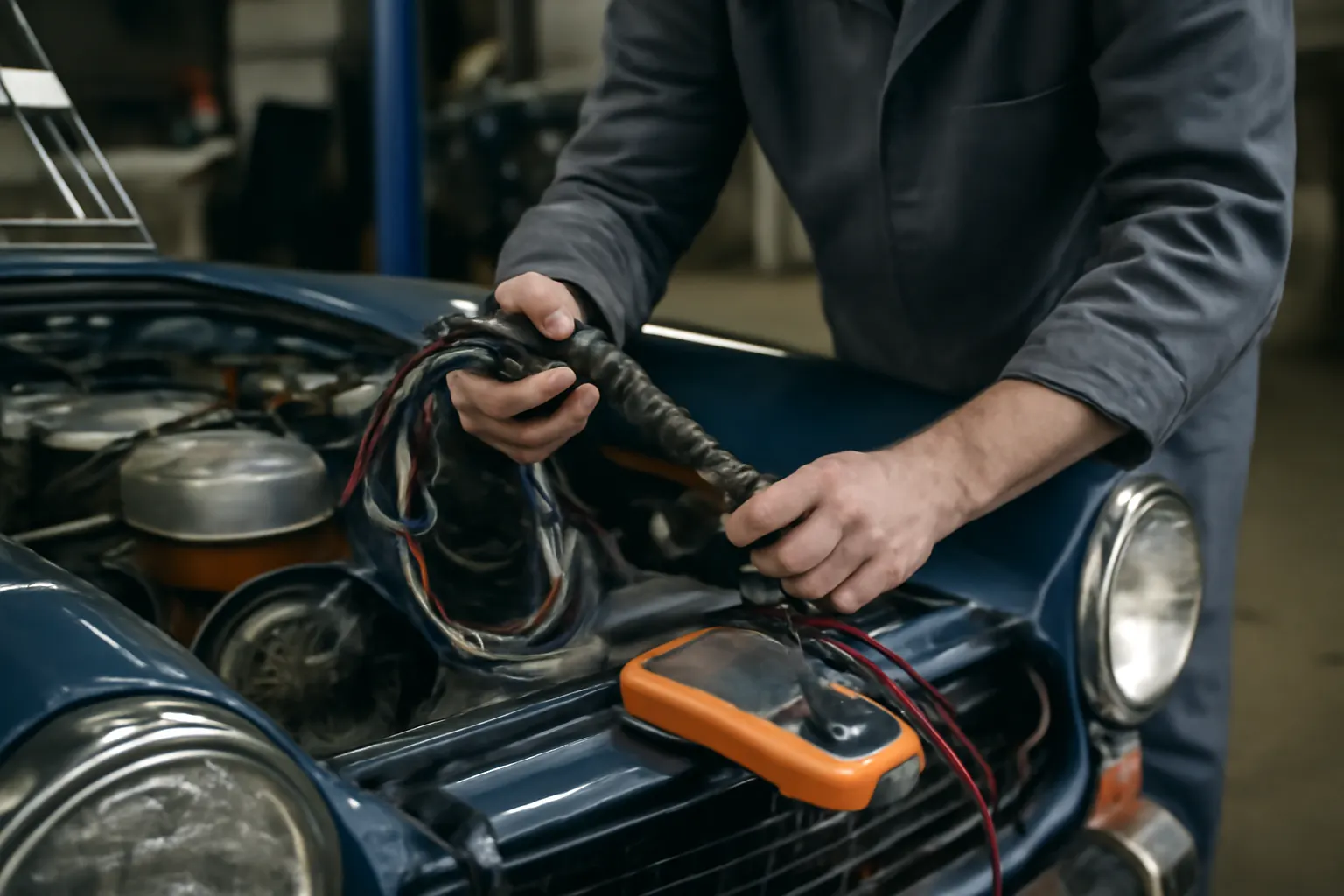
Classic Car Restorations: Sourcing Rare Engine Harnesses
Restoring a classic car is a journey that rewards attention to detail, especially when it comes to the engine wiring harness—the nervous system of every powertrain. Sourcing rare or discontinued engine wiring harnesses is one of the most challenging aspects of vintage vehicle restoration. This guide delivers actionable strategies to locate, verify, and install rare engine harnesses, ensuring your restoration is both authentic and reliable.
Read More
Top 5 Engine Wiring Failures (and How to Avoid Them)
What are the most common engine wiring harness failures? The five most frequent engine wiring harness failures are: Corroded Connectors and Terminals Broken or Chafed Wires Melted or Overheated Insulation Faulty Ground Connections Rodent or Physical Damage Connectors are the nerve endings of the wiring harness. Over time, exposure to water, humidity, and road de-icing chemicals can infiltrate connector housings, leading to oxidation and corrosion. This increases resistance, causing voltage drops and unreliable sensor readings.
Read More