Advertisement
Classic Car Restorations: Sourcing Rare Engine Harnesses
Restoring a classic car is a journey that rewards attention to detail, especially when it comes to the engine wiring harness—the nervous system of every powertrain. Sourcing rare or discontinued engine wiring harnesses is one of the most challenging aspects of vintage vehicle restoration. This guide delivers actionable strategies to locate, verify, and install rare engine harnesses, ensuring your restoration is both authentic and reliable.
If you’re seeking a comprehensive overview of how engine wiring harnesses function within a modern or vintage powertrain, visit our Engine Wiring Harness: The Nerve Center of Modern Powertrains category page for in-depth technical resources.
The Immediate Answer: Where and How to Find Rare Engine Wiring Harnesses
The fastest route to sourcing rare or discontinued engine wiring harnesses for classic cars is to combine targeted online searches, specialty suppliers, and community expertise. Begin by identifying the exact make, model, year, and engine variant. Use specialized classic car parts suppliers, reputable online marketplaces, and enthusiast forums. Always verify harness compatibility and authenticity before purchase, and be prepared to consider restoration or custom reproduction if genuine NOS (New Old Stock) parts are unavailable.
Quick Checklist: Sourcing Rare Engine Harnesses
- Precisely identify your vehicle (make, model, year, engine).
- Consult classic car parts specialists and restoration shops.
- Search reputable online marketplaces (with caution).
- Leverage enthusiast forums and owner’s clubs.
- Verify part numbers and compatibility.
- Assess authenticity and condition.
- Consider custom reproduction if originals are unavailable.
- Consult wiring diagrams and technical manuals.
The Hidden Problem: Why Sourcing Classic Harnesses Is So Difficult
Many restorers assume finding a replacement harness is as simple as searching for a part number. In reality, the market for rare and vintage engine wiring harnesses is complex, fragmented, and often rife with misinformation.
Discontinued harnesses are rarely available through OEM channels. Over decades, original stocks dwindle, suppliers go out of business, and documentation is lost. Even when you find a harness labeled for your vehicle, subtle differences in connectors, wire gauges, or routing can cause fitment or reliability issues. Counterfeit or poorly restored harnesses can introduce safety risks, as improper insulation or incorrect pinouts may result in shorts or even fires.
Expanding the Challenge: Technical and Safety Considerations
Harnesses Are More Than Just Wires
Classic engine wiring harnesses are engineered systems, not just bundles of wire. They must:
- Meet original equipment standards for wire gauge, insulation, and routing.
- Integrate with period-correct connectors and terminals—which can be unique to a model or even a production year.
- Withstand heat, vibration, and exposure found in engine bays.
Modern harnesses use advanced materials and standardized connectors, but classic cars may use obsolete or proprietary technologies. According to SAE Standards, harness and connector design directly impacts reliability and safety.
Safety and Regulatory Risks
The National Highway Traffic Safety Administration highlights that faulty or incorrect wiring harnesses can compromise critical systems, including ignition, fuel delivery, and charging circuits. A harness that’s not up to spec may cause intermittent faults, poor fuel efficiency, or even vehicle fires.
Step 1: Identifying the Exact Harness You Need
Before searching, you must accurately define what you need. This means more than just “engine harness for a 1968 Mustang”—you need:
- Year, make, and model
- Engine size and options (carbureted, fuel-injected, etc.)
- Transmission type (manual, automatic)
- Production date or VIN (for mid-year changes)
- Original part number (from manuals or OEM documentation)
Advertisement
Consult factory service manuals and parts catalogs. Many classic car communities maintain online databases or scanned documentation. If you’re not sure, post clear photos and details on reputable forums—experienced members can often help decode production changes.
Step 2: Sourcing Strategies—Where to Look
Classic Car Parts Specialists
Start with vendors specializing in your vehicle’s brand or era. Many offer NOS, reproduction, or refurbished harnesses. Examples include:
- Model-specific suppliers (e.g., Mustang, Corvette, or AMC specialists)
- Vintage parts warehouses
- Restoration shops with parts sales divisions
Online Marketplaces
Websites like eBay, Hemmings, and Bring a Trailer often list rare harnesses. Exercise caution—inspect photos, request documentation, and check seller ratings. Look for original packaging, part numbers, and clear images of connectors and wires.
Enthusiast Forums and Owner’s Clubs
Active forums and clubs are invaluable. Members may have spare harnesses, leads on reputable suppliers, or tips for cross-referencing part numbers. Some clubs organize group buys for reproduction harnesses.
Salvage Yards and Donor Vehicles
Classic-focused salvage yards or “parts cars” can yield usable harnesses, especially for less-rare models. Inspect for rodent damage, corrosion, or brittle insulation. Donor harnesses may require cleaning, repair, or partial restoration.
Step 3: Verifying Authenticity and Fitment
Confirming Part Numbers and Visual Details
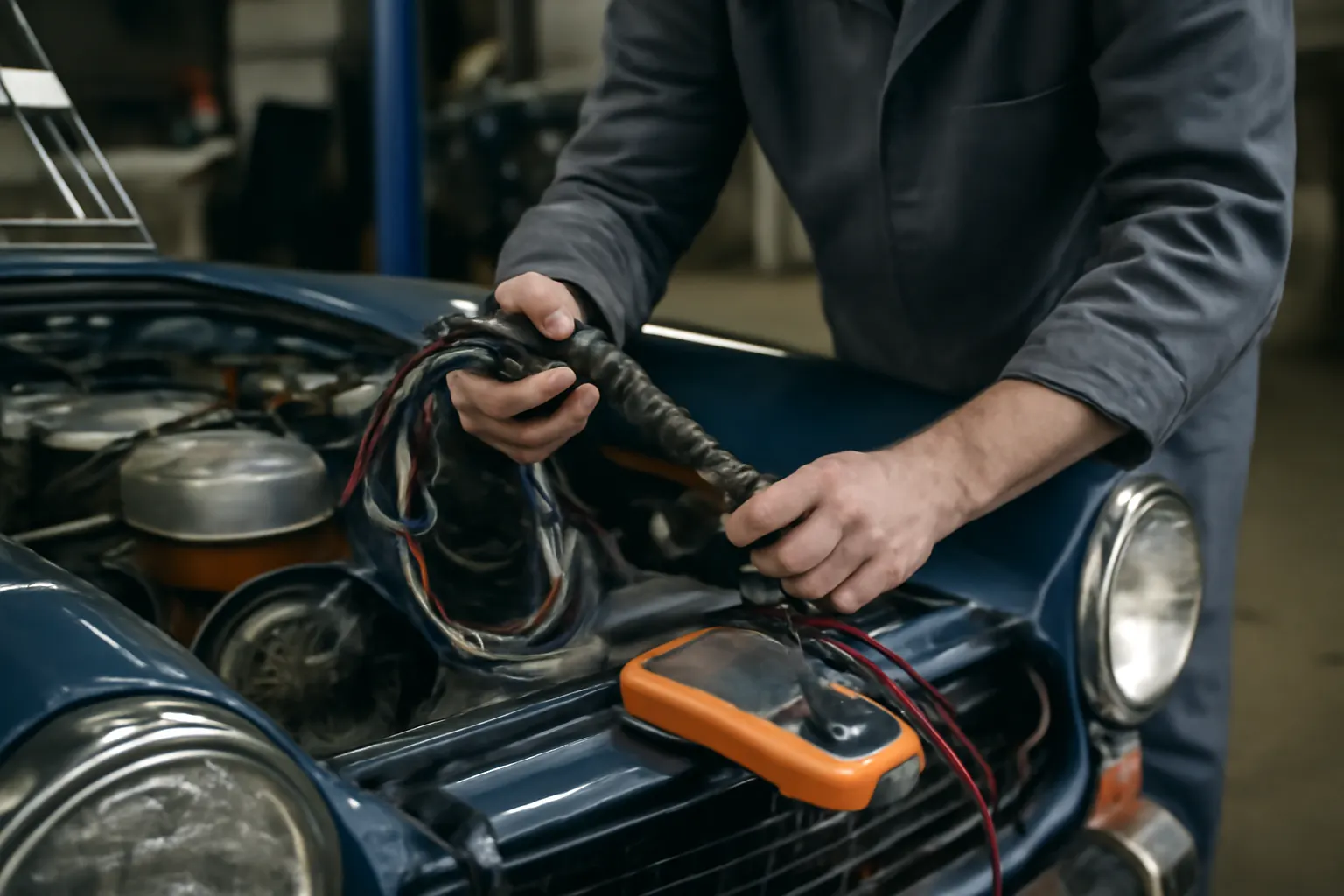
Cross-reference the part number on the harness with OEM documentation. If unavailable, compare wire colors, connector types, and routing against factory diagrams. Even minor differences (such as a single connector style change) can cause headaches during installation.
Assessing Condition
- Insulation: Look for cracks, brittleness, or discoloration.
- Connectors: Check for corrosion, bent pins, or missing locks.
- Repairs: Watch for spliced wires, non-OEM tape, or aftermarket modifications.
Authenticity Red Flags
- Incorrect connector shapes or colors
- Non-factory wire color codes
- Missing or altered identification tags
If you’re uncertain, consult detailed guides like our Understanding Automotive Connectors and Terminals for visual reference.
Step 4: Considering Restoration or Custom Reproduction
If a genuine harness is unavailable or unusable, restoration or reproduction is the next best option.
Professional Restoration Services
Some shops specialize in restoring vintage harnesses. They:
- Replace degraded insulation with period-correct materials
- Clean and re-terminate connectors
- Test continuity and resistance
- Retain original tags and routing
Custom Reproduction
Several companies offer reproduction harnesses built to OEM specifications. Provide your vehicle’s details and, if possible, a sample harness. High-quality reproductions use correct wire colors, gauges, and vintage-style connectors.
DIY Restoration
Advanced hobbyists may restore harnesses themselves. This requires:
- Access to correct wire, terminals, and connectors
- Soldering and crimping skills
- Heat-shrink, loom, and insulation tape matching the original
Always test for continuity, resistance, and proper pinout before installation.
Step 5: Installation—Preparation and Pitfalls
Proper installation is as important as sourcing the correct harness. Improper routing or connections can cause persistent electrical gremlins.
Preparation Steps
- Label all connections before removing the old harness.
- Photograph routing and attachment points for reference.
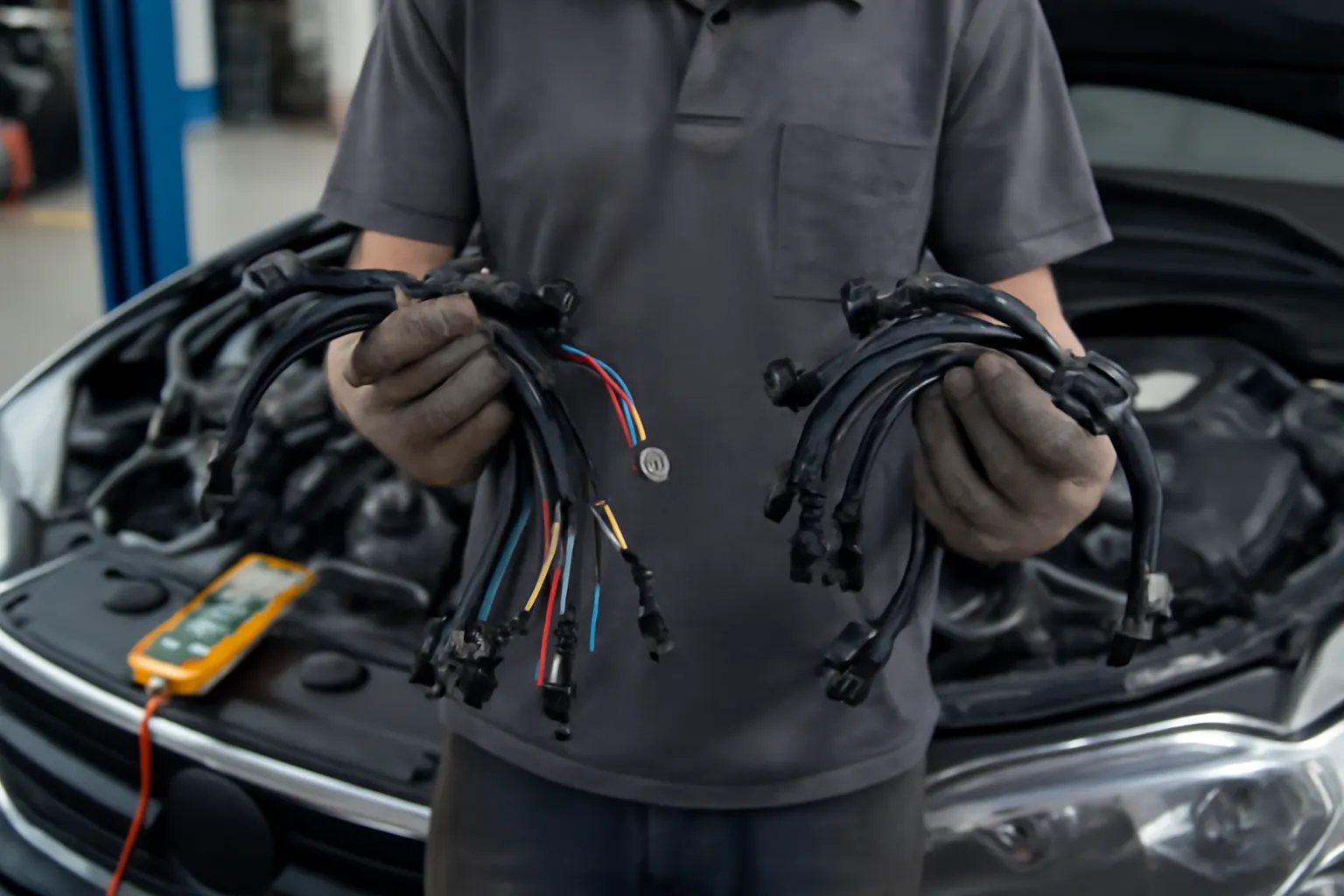
- Compare new and old harnesses side-by-side.
- Lay out the harness outside the car to ensure all branches match.
Common Pitfalls Checklist
- Pin misalignment: Double-check connector orientation.
- Grounding errors: Ensure all grounds are clean and secure.
- Over-tightening or pinching: Avoid crushing wires under brackets.
- Routing near heat sources: Use heat shields or reroute as needed.
For step-by-step installation guidance, see our How to Replace an Engine Wiring Harness: Pro Tips.
Diagnosing Harness Issues Before and After Replacement
Before replacing a harness, confirm it’s the true source of your electrical woes. Post-installation, verify system operation.
Advertisement
Diagnostic Steps
- Check for blown fuses, melted insulation, or intermittent faults.
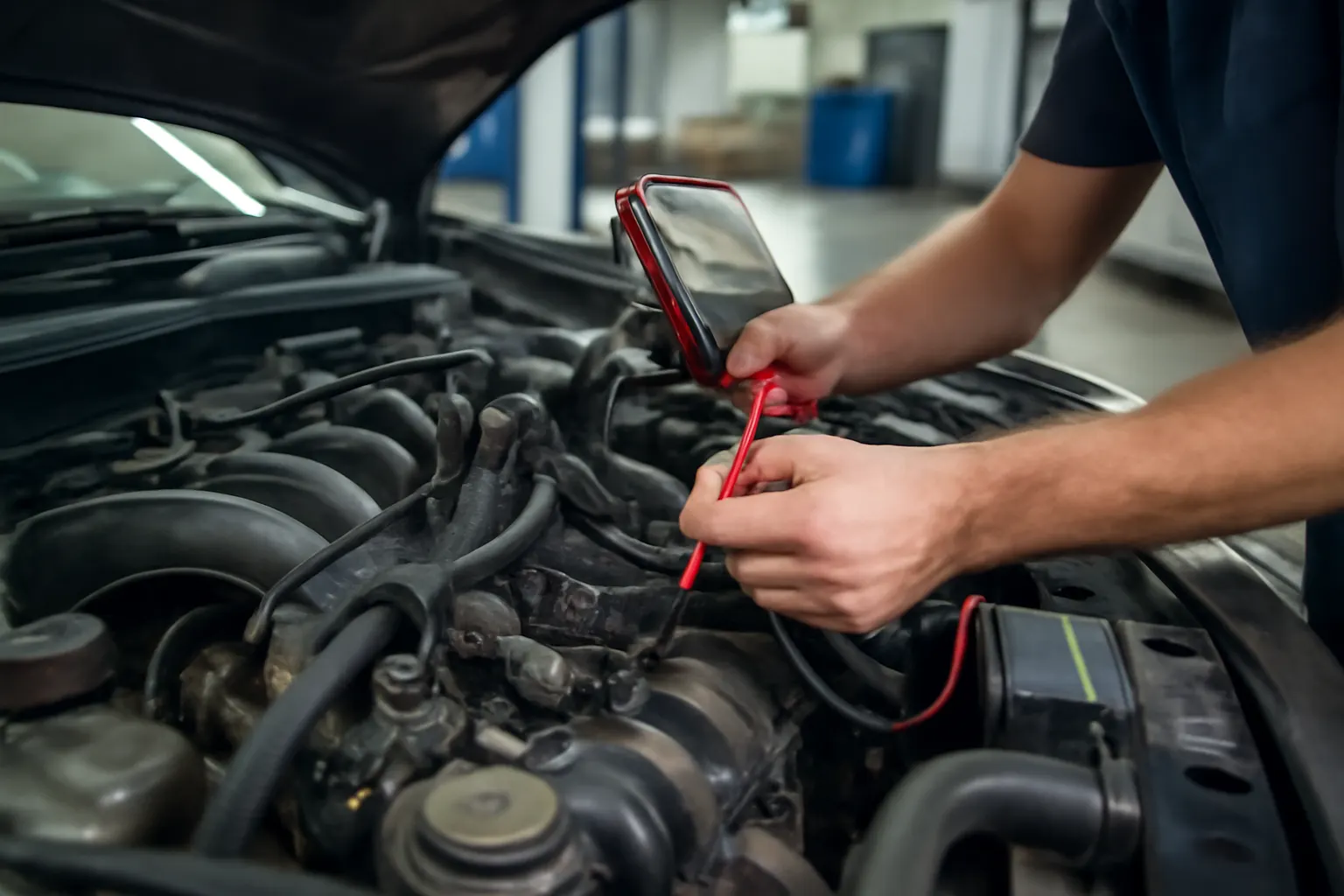
- Use a multimeter to test continuity and resistance across harness branches.
- Inspect connectors for corrosion or looseness.
- Consult wiring diagrams to trace circuits.
If issues persist after installation, revisit each connection, ground, and routing path. For advanced troubleshooting, see our Diagnosing Engine Electrical Issues.
Maintaining and Protecting Your Restored Harness
A properly sourced and installed harness should last for decades, but classic vehicles face unique risks.
Maintenance Tips
- Regularly inspect harnesses for signs of wear, corrosion, or rodent damage.
- Use dielectric grease on connectors to prevent corrosion.
- Keep harnesses clear of sharp edges and moving parts.
- Install heat shields or wraps if routed near exhaust manifolds.
Storage and Seasonal Use
If the vehicle is stored for long periods:
- Disconnect the battery to prevent current draw.
- Cover the engine bay to deter rodents.
- Inspect harnesses before each driving season.
The Role of Materials and Modern Technology in Harness Restoration
Modern materials can enhance reliability without compromising authenticity. According to the U.S. Department of Energy’s Materials Technologies, advances in insulation, wire alloys, and connector technology have improved durability and performance.
When restoring or reproducing a harness:
- Choose insulation materials that resist heat and chemical exposure.
- Use upgraded terminals if they do not alter appearance or fitment.
- Consider modern fusing or relays for added safety (if period-correctness is not paramount).
Fuel Efficiency and Electrical Reliability: The Overlooked Connection
A faulty or mismatched harness can impact fuel efficiency by disrupting signals to ignition, fuel injection, or sensors. The U.S. Department of Energy notes that efficient engine operation depends on reliable electrical connections and sensor feedback.
Symptoms of a problematic harness affecting efficiency include:
- Hard starting or rough idle
- Erratic fuel gauge or warning lights
- Poor throttle response
Ensuring your harness is correct and in good condition is not just about originality—it’s about optimal performance and fuel economy.
Avoiding Common Sourcing Mistakes
Even experienced restorers make missteps when sourcing rare harnesses. Here are frequent pitfalls and how to avoid them:
Mistake 1: Relying Solely on Online Listings
Photos can be misleading. Always request close-ups of connectors, tags, and wire colors. Ask for the harness to be laid out flat for comparison.
Mistake 2: Ignoring Production Changes
Mid-year or late-production changes can affect pinouts, connectors, and routing. Double-check your VIN and consult period documentation or club experts.
Mistake 3: Overlooking Safety Recalls
Check the NHTSA recalls database for known harness issues on your model. Even vintage vehicles may have had safety campaigns affecting wiring.
AutoPartEx: Your Partner in Classic Car Electrical Restoration
At AutoPartEx, we understand that a classic car restoration is only as good as its attention to detail. Our technical resources, curated parts listings, and expert editorial content help you source, verify, and install the right engine wiring harness for your project. Explore our Engine Wiring Harness: The Nerve Center of Modern Powertrains category for the latest in harness technology, restoration tips, and trusted suppliers. Our editorial team is committed to supporting your restoration journey with actionable guidance and verified resources.
Conclusion: Restoring Confidence in Your Classic’s Heartbeat
Sourcing a rare or discontinued engine wiring harness for a classic car is a demanding process, but with the right approach, you can achieve a reliable, authentic restoration. Prioritize precise identification, leverage expert communities, verify every detail, and don’t hesitate to pursue restoration or reproduction when necessary. With diligence and the right resources, your vintage vehicle’s electrical system can be as robust and dependable as the day it left the factory.
References
Advertisement