
Chevy Corvette Windshield Parts
Chevy Corvette Windshield: Selection, Fit, and Repair Guidance
A windshield does more than shield you from the elements—it’s integral to your Chevy Corvette’s safety and structural integrity. Yet, many owners overlook important details when choosing a replacement or repair service. This guide highlights what sets Corvette windshields apart, explains the repair process, and provides evidence-based advice for making the right choice for your vehicle.
Advertisement
12 Chevy Corvette Windshield Parts


Advertisement
More Windshield options for Chevy Corvette
Filtering for Chevy Corvette • WindshieldBrowse nearby inventory for this model and category without leaving the page.
No Data Available
Please check back soon when more inventory is available for this part.
Advertisement
Why Windshield Replacement for Your Corvette Deserves Extra Attention
When it comes to maintaining a Chevy Corvette, the windshield is often considered just another piece of glass. However, for a performance vehicle like the Corvette, the windshield serves unique roles beyond simple visibility. It contributes to the car’s aerodynamics, structural rigidity, and even the effectiveness of advanced safety systems. Overlooking these factors can lead to complications that affect both driving experience and safety. Owners who treat windshield replacement as a routine task may miss crucial details specific to their Corvette model.
Many Corvette owners are unaware that not all windshields are created equal. Differences in curvature, tint, embedded sensors, and even the fitment of heads-up displays mean that a generic windshield may not restore the vehicle’s original performance or appearance. This is especially true for late-model Corvettes, where windshield technology has advanced alongside the rest of the car. Choosing the wrong replacement can result in poor sealing, increased wind noise, or malfunctioning features.
Another overlooked consideration is the impact of windshield replacement on resale value and insurance coverage. Using non-OEM or salvage parts without proper documentation can raise questions during a future sale or claim. For Corvette owners who value their investment, understanding these implications is essential. Taking a closer look at the specifics of windshield replacement can help avoid costly mistakes and ensure the car remains in top condition.

Understanding the Real Challenges of Corvette Windshield Replacement
The process of replacing a Chevy Corvette windshield involves more than just swapping out a pane of glass. Each Corvette generation—from classic models to the latest C8—features unique windshield specifications, including shape, thickness, and integrated technology. These differences mean that a one-size-fits-all approach is rarely appropriate. For instance, a windshield designed for a base model may not fit a Z06 or Grand Sport variant without issues.
Windshields play a structural role in modern vehicles, and the Corvette is no exception. Improper installation or the use of incompatible glass can compromise the vehicle’s crashworthiness. The windshield helps support the roof in a rollover and ensures airbags deploy correctly. If the replacement glass does not meet factory specifications, it may not provide the intended level of protection in an accident. This is a critical safety consideration that is often underestimated.
Another challenge is the integration of advanced features. Many recent Corvettes include heads-up displays (HUDs), rain sensors, or cameras embedded in the windshield. These components require precise alignment and calibration. An incorrectly installed windshield can render these features inoperative or inaccurate, affecting both convenience and safety. Not all auto glass shops have the expertise or equipment to handle these systems properly.
Insurance considerations also come into play. Some policies require the use of OEM parts for coverage, while others may allow aftermarket or salvage components. Without clear documentation, owners may face disputes over claims or diminished value assessments. Salvage windshields, while cost-effective, must be carefully inspected for damage and compatibility. The Federal Trade Commission (FTC) recommends understanding what type of part is being installed and the terms of any warranty or coverage FTC: Auto Repair Basics.
The complexity of windshield replacement is further compounded by the need for proper documentation. The FTC advises obtaining a written repair estimate and a completed repair order listing all work performed, parts used, and costs incurred. This documentation is not only important for warranty and insurance purposes but also for maintaining the vehicle’s service history. Without it, future buyers or service providers may question the quality of previous repairs.
Finally, the risk of recalls or safety defects should not be ignored. While not all Corvettes have active windshield-related recalls, the National Highway Traffic Safety Administration (NHTSA) provides tools for checking recall status by VIN NHTSA: Vehicle Recalls. Owners should verify that their replacement windshield and installation process meet all safety standards and have not been subject to recall. Ignoring these steps could leave the vehicle vulnerable to unresolved safety issues.
Practical Steps for Selecting and Replacing a Corvette Windshield
Selecting the right windshield for your Chevy Corvette starts with identifying your specific model year and trim. Differences in design between generations—such as the C5, C6, C7, and C8—affect not only the shape and size of the windshield but also the presence of features like HUD cutouts or sensor mounts. Consult your owner’s manual or a trusted parts catalog to confirm the exact specifications before purchasing a replacement. If possible, match the part number to ensure compatibility.
When considering replacement options, evaluate the pros and cons of new, aftermarket, and salvage windshields. New OEM glass is typically the safest choice for maintaining original fit and function, but it can be more expensive. Aftermarket windshields may offer cost savings, but quality and feature compatibility can vary. Salvage windshields—removed from another vehicle—can be a budget-friendly option, provided they are inspected for damage and match your Corvette’s requirements. The FTC distinguishes between these types and recommends confirming exactly what you are buying FTC: Auto Repair Basics.
Before installation, obtain a written repair estimate that details the condition to be repaired, the parts to be used, and anticipated labor charges. This estimate should specify whether the windshield is new, aftermarket, or salvage, and list any additional components such as moldings or adhesives. For complex repairs or if you are unsure about a shop’s expertise, consider seeking a second opinion. Ask whether the technician has experience with Corvettes and the specific features of your model.
During installation, ensure that the shop follows manufacturer-recommended procedures. This includes proper removal of the old glass, cleaning and preparation of the mounting surface, and correct application of adhesives. For windshields with embedded electronics or HUDs, calibration may be necessary after installation. Not all shops are equipped for this step, so verify their capabilities in advance. A completed repair order should document all work performed, including any calibrations or adjustments made.
After installation, inspect the windshield for proper fit and finish. Check for even gaps, secure mounting, and correct operation of any integrated features. Test the HUD, rain sensors, and cameras to confirm they function as intended. If you notice wind noise, leaks, or malfunctioning electronics, address these issues with the installer immediately. Prompt attention to post-installation problems can prevent further complications and protect your investment.
Keep all documentation related to the repair, including the estimate, repair order, and any warranty information. This paperwork is essential for future insurance claims, resale, or additional service. The FTC emphasizes the importance of written records for protecting your rights as a consumer FTC: Auto Repair Basics. If you sell the vehicle, providing a complete service history can reassure buyers about the quality of repairs.
Regularly check for recalls or safety notices related to your Corvette’s windshield or associated components. The NHTSA provides a free VIN lookup tool that shows whether your specific vehicle has any unrepaired recalls NHTSA: Vehicle Recalls. This step is especially important after a windshield replacement, as improperly installed or defective glass could be subject to future safety campaigns. Staying informed helps ensure your Corvette remains safe and compliant with regulations.
Finally, consider preventive maintenance to extend the life of your new windshield. Avoid slamming doors, use proper cleaning products, and address chips or cracks promptly to prevent further damage. Follow the maintenance schedule in your owner’s manual and compare shop recommendations with manufacturer guidelines. If extra services are suggested, ask for a clear explanation and supporting evidence. These practices help maintain the integrity and value of your Corvette’s windshield over time.
Evidence and Guidance from Trusted Consumer and Regulatory Sources
The Federal Trade Commission (FTC) provides clear, practical advice for consumers navigating auto repairs, including windshield replacement. According to the FTC, it is essential to obtain a written repair estimate that specifies the condition to be addressed, the parts required, and the anticipated labor charges. This recommendation is not specific to the Chevy Corvette but applies to all vehicles and repair scenarios. The FTC also advises consumers to ask whether the technician has experience with their vehicle’s make and model, which is particularly relevant for Corvette owners given the car’s unique windshield requirements FTC: Auto Repair Basics.
The FTC further distinguishes between new, remanufactured, and salvage parts. Salvage windshields, which are removed from other vehicles without alteration, can be a cost-effective option but require careful inspection for damage and compatibility. The FTC does not endorse any specific type of part for the Corvette, nor does it guarantee fitment or performance. Instead, it emphasizes the importance of understanding what you are purchasing and ensuring that all terms, including any warranty, are provided in writing. This guidance helps Corvette owners make informed decisions when selecting a replacement windshield FTC: Auto Repair Basics.
The National Highway Traffic Safety Administration (NHTSA) offers a comprehensive recall lookup tool that allows owners to check for open recalls by VIN. While the NHTSA does not provide technical specifications or recall data for every Corvette windshield, it does establish a process for identifying safety-related defects. If multiple owners report similar problems with a particular part, NHTSA may open an investigation and, if necessary, initiate a recall. This process underscores the importance of monitoring for safety notices after a windshield replacement NHTSA: Vehicle Recalls.
NHTSA’s recall process involves several steps, beginning with consumer complaints and potentially leading to investigations and recalls. Manufacturers are required to notify owners of any recalls and provide a remedy, which may include repair, replacement, or refund. For Corvette owners, this means that any safety-related defect in a replacement windshield—such as improper fit or compromised structural integrity—could be addressed through an official recall if reported and substantiated. However, the existence of a recall for one vehicle does not guarantee that all Corvettes are affected; owners must check their specific VIN for current status NHTSA: Vehicle Recalls.
Both the FTC and NHTSA stress the importance of documentation. The FTC recommends keeping a completed repair order listing all work performed, parts used, and costs incurred. This documentation is vital for warranty claims, insurance coverage, and resale value. NHTSA’s guidance on recalls also highlights the need for accurate records, as proof of repair may be required to close an open recall or resolve a safety investigation. These practices protect Corvette owners from disputes and ensure transparency in the repair process FTC: Auto Repair Basics; NHTSA: Vehicle Recalls.
Neither the FTC nor NHTSA provides vehicle-specific technical specifications or guarantees about the performance of aftermarket or salvage windshields. Instead, they offer consumer protection frameworks and general best practices. For Corvette owners seeking technical details—such as exact windshield dimensions, sensor locations, or HUD compatibility—manufacturer documentation or a trusted parts catalog remains the best source. The evidence supports a careful, documented approach to part selection and installation, rather than reliance on generic or unsupported claims.
In summary, the available evidence from consumer and regulatory sources supports a methodical, informed approach to Corvette windshield replacement. While no published case studies detail failure rates or repair outcomes for specific Corvette models, the guidance from the FTC and NHTSA establishes best practices for documentation, part selection, and safety monitoring. Corvette owners are encouraged to use these resources, verify part compatibility, and maintain thorough records to safeguard their investment and ensure continued safety on the road.
Take the Next Step Toward a Confident Corvette Windshield Replacement
Replacing your Chevy Corvette’s windshield is a significant decision that impacts safety, value, and driving enjoyment. By following documented consumer guidance, verifying part compatibility, and maintaining thorough records, you can ensure a successful repair or replacement. Explore the AutoPartEx catalog for Corvette windshields, consult with experienced professionals, and use trusted resources like the NHTSA recall lookup for added peace of mind. Protect your investment and enjoy the road ahead with confidence.
References
- NHTSA: Vehicle Recalls
- FTC: Auto Repair Basics
References
- NHTSA: Vehicle Recalls - NHTSA, accessed 2026-11-01
- FTC: Auto Repair Basics - FTC, accessed 2026-11-01
Related Guides & Articles

How to Spot Counterfeit Chevy Parts
Counterfeit Chevy parts can jeopardize your vehicle's safety, reliability, and performance. Whether you're shopping for a replacement alternator, brake pads, or sensors, identifying fakes before you buy is crucial. This guide delivers immediate visual clues, packaging tips, and real-world examples to help you confidently distinguish genuine from counterfeit Chevy components—protecting both your investment and your safety.
Read More
Chevy Service Intervals Explained
Build a Chevrolet maintenance plan from the correct owner’s manual, service history and dashboard messages. Learn how oil-life reminders differ from oil-pressure warnings, how mileage and elapsed time affect a service decision, and why gasoline and electric vehicles need different schedules. Use the checklist to discuss a clear, itemized plan with your repairer.
View Guide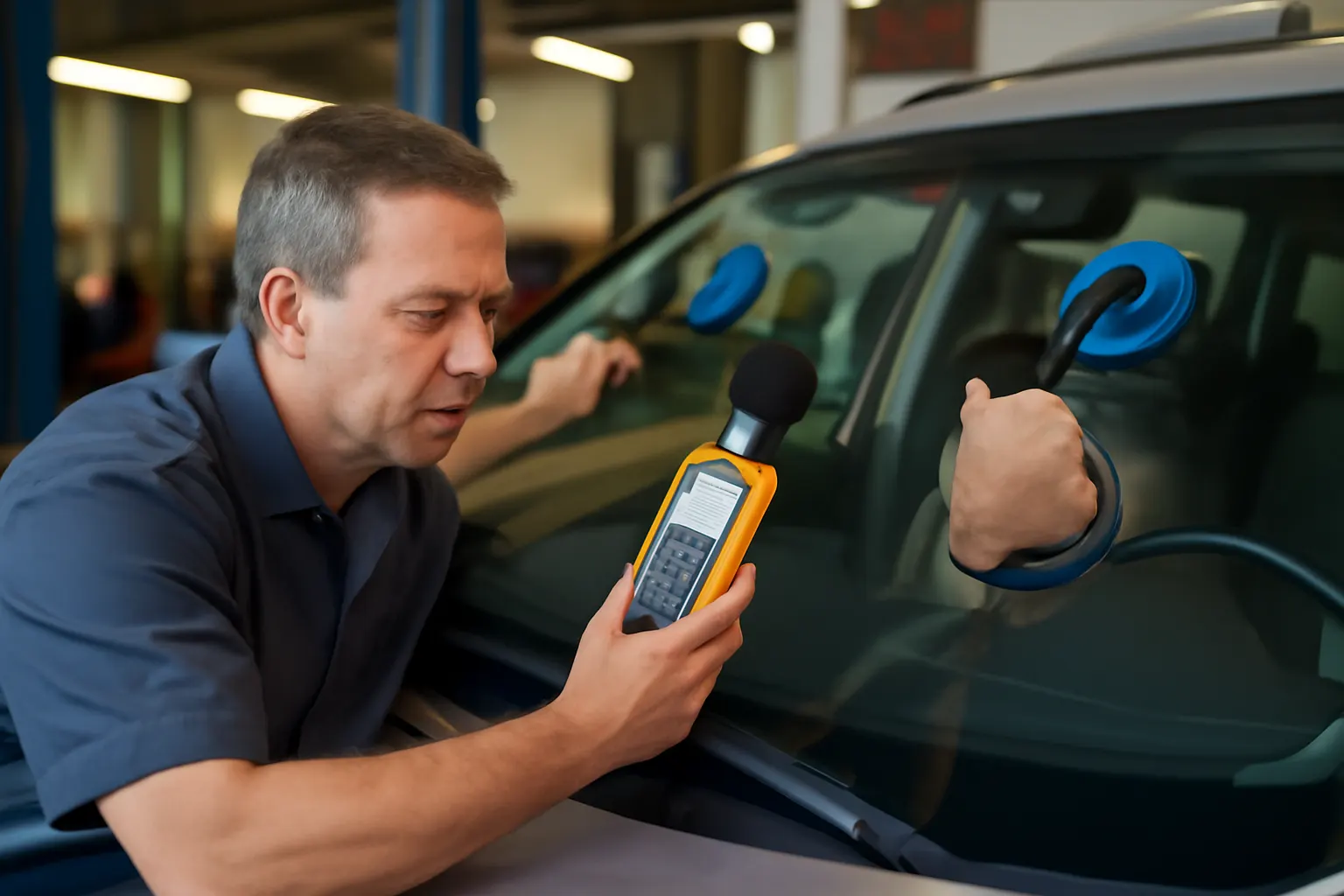
Acoustic Windshields: Quieter Cabins Explained
Acoustic windshields have become a sought-after upgrade for drivers seeking a quieter, more comfortable ride. By integrating advanced materials and sound-dampening technology, these windshields reduce road, wind, and engine noise entering your vehicle’s cabin—without sacrificing safety or visibility. If you’re considering an upgrade or replacement, understanding how acoustic windshields work and their practical benefits will help you make the right decision for your vehicle and driving style.
Read More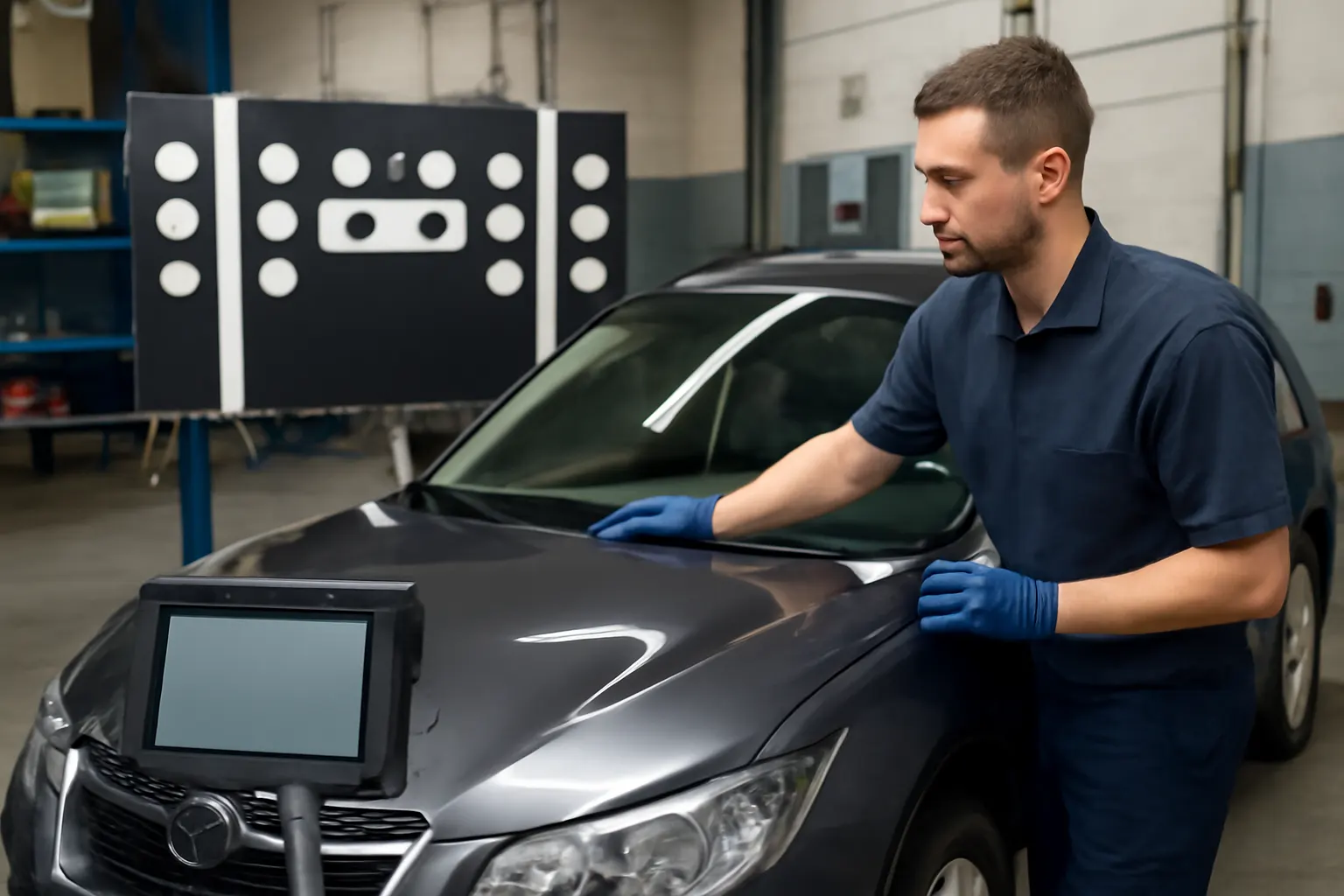
ADAS Calibration After Windshield Replacement
When you replace your windshield, recalibrating your Advanced Driver Assistance Systems (ADAS) is not just a best practice—it’s essential for your safety and the proper operation of your vehicle’s most advanced features. A new windshield can alter the positioning and alignment of forward-facing cameras and sensors, making ADAS calibration after windshield replacement a non-negotiable step.
Read More