
Chevy Corvette Turn Signal/Fog Lamp Parts
Chevy Corvette Turn Signal and Fog Lamp: What to Know Before You Buy
Many Chevy Corvette owners overlook the importance of thoroughly evaluating turn signal and fog lamp replacements. While these lighting components are crucial for safety and style, understanding how to approach their selection and repair can prevent unnecessary expenses and ensure a proper fit. This guide walks you through what to consider, how to diagnose issues, and how to use published evidence for informed decisions when shopping for Corvette turn signal and fog lamp parts.
2 Chevy Corvette Turn Signal/Fog Lamp Parts
Advertisement

Advertisement
More Turn Signal/Fog Lamp options for Chevy Corvette
Filtering for Chevy Corvette • Turn Signal/Fog LampBrowse nearby inventory for this model and category without leaving the page.
No Data Available
Please check back soon when more inventory is available for this part.
Advertisement
Why Turn Signal and Fog Lamp Choices Matter for Your Corvette
It’s easy to take your Corvette’s turn signals and fog lamps for granted—until they stop working or fail to meet your expectations. These lighting components are not only vital for safety, but also contribute to the distinctive look of your Chevy Corvette. Many owners focus on performance upgrades or cosmetic changes, but overlook the practical and technical details that come with replacing or upgrading these lights. This oversight can lead to mismatched parts, unexpected repair costs, or even compliance issues if the wrong component is installed.
A surprising number of Corvette enthusiasts discover too late that not all turn signal and fog lamp assemblies are created equal, even within the same model year. Subtle differences in connectors, housing shapes, and bulb types can make a big difference in installation and function. Without careful attention, you might end up with a part that doesn’t fit, doesn’t work, or fails to meet safety standards. This is especially true when sourcing parts from salvage or aftermarket suppliers, where documentation and compatibility can vary widely.
Before you invest in a replacement or upgrade, it’s worth considering the specific requirements of your Corvette. Taking time to verify compatibility, understand the sourcing options, and check for any relevant recalls or technical service bulletins can save you time and money. This guide will help you navigate these considerations and make an informed choice for your turn signal and fog lamp needs.

Understanding the Risks and Realities of Corvette Lighting Repairs
When a turn signal or fog lamp fails on your Chevy Corvette, the immediate impulse may be to replace the part as quickly as possible. However, the process is rarely as straightforward as it seems. The Corvette’s electrical and lighting systems can be sensitive to incorrect parts, and even small variations in design may affect performance or safety. Owners sometimes discover that a seemingly identical lamp assembly from a different year or trim level will not function properly, leading to frustration and wasted expense.
Another common issue is the assumption that all lighting problems are caused by the lamp assembly itself. In reality, failures can stem from wiring faults, corroded connectors, or issues with the vehicle’s control modules. Replacing the lamp without a proper diagnosis can mask underlying problems, resulting in repeated failures or intermittent operation. This is particularly relevant for modern Corvettes, where lighting components may be integrated with advanced electronics or body control systems.
It’s also important to recognize that not all replacement parts are equal in quality or fitment. While new OEM parts are designed to match factory specifications, salvage or aftermarket options may differ in subtle but significant ways. Salvage parts, for example, are sourced from other vehicles and may show signs of wear, previous repairs, or minor damage. Aftermarket assemblies may offer cost savings, but sometimes lack the precise fit or durability of original equipment.
Documentation and transparency are often lacking when buying used or aftermarket lighting components. Without clear records of the part’s origin, condition, or compatibility, it’s difficult to know whether it will perform as expected. This uncertainty can be compounded by the absence of standard warranties or guarantees, especially when purchasing from online marketplaces or independent sellers. Buyers must rely on careful inspection, clear communication, and a willingness to ask detailed questions about the part’s history and specifications.
Safety and legal compliance are additional considerations. Turn signals and fog lamps are regulated for brightness, color, and aim to ensure visibility and prevent glare. Installing an incorrect or non-compliant part can result in a failed inspection, reduced safety, or even fines. In some cases, a mismatched lamp may not provide adequate illumination, increasing the risk of accidents in poor weather or low-light conditions. Owners should be aware of these risks and take steps to verify that any replacement meets both technical and legal requirements.
Finally, recall and safety notice checks are often overlooked. While not every Corvette lamp assembly is subject to recall, it’s essential to check for any outstanding safety issues before purchasing or installing a replacement. The National Highway Traffic Safety Administration (NHTSA) provides a free VIN lookup tool to identify open recalls, but this should be used as a supplement to, not a substitute for, careful part selection and installation. By understanding these risks and realities, Corvette owners can approach lighting repairs with greater confidence and clarity.
A Practical Guide to Selecting and Diagnosing Corvette Turn Signal and Fog Lamps
Start your repair process by accurately identifying the problem with your Corvette’s turn signal or fog lamp. Is the issue a complete failure, intermittent operation, or reduced brightness? Begin with a visual inspection of the lamp assembly for obvious signs of damage, such as cracks, moisture intrusion, or burned-out bulbs. Next, check the wiring harness and connectors for corrosion, looseness, or broken pins. These basic steps can often pinpoint the source of the problem without unnecessary part replacements.
If the issue is not immediately apparent, consult your Corvette’s owner manual for fuse and relay locations related to the lighting system. Replace any blown fuses and test relays if possible. For persistent or complex problems, consider using a multimeter to check for voltage at the lamp socket while the relevant switch is activated. This can help determine whether the fault lies with the lamp assembly, the wiring, or the vehicle’s control module. Document your findings for reference when consulting with a technician or supplier.
When it’s time to source a replacement part, gather precise information about your Corvette, including the model year, trim level, and any relevant option codes. Photograph the existing lamp assembly and its connectors to compare against potential replacements. If possible, remove the old part and check for part numbers or manufacturer markings. This level of detail can prevent costly mistakes and ensure you receive a compatible component.
Compare your options from different suppliers, considering new OEM, aftermarket, and salvage parts. New OEM parts offer the highest likelihood of perfect fit and performance, but may come at a premium price. Aftermarket options can be more affordable, but require careful scrutiny of specifications and reviews. Salvage parts may provide a cost-effective solution, especially for older models, but should be inspected for wear and tested before installation. Ask sellers for detailed photos and written descriptions to verify condition and compatibility.
Request a written repair estimate from your chosen repair shop or technician, as advised by the Federal Trade Commission (FTC). The estimate should clearly identify the condition to be repaired, the parts required, and anticipated labor charges. If the repair is expensive or complicated, consider seeking a second opinion or quote from another shop. Ask whether the technician has experience with your specific Corvette model and lighting system, as familiarity can reduce diagnostic time and improve repair quality FTC: Auto Repair Basics.
Once the repair is completed, obtain a detailed repair order listing the work performed, parts installed, total cost, and odometer reading. This documentation is valuable for future reference and can help resolve any disputes about the repair. If you purchased a salvage or aftermarket part, clarify the warranty terms (if any) and keep all receipts and correspondence. Remember, there is no standard warranty on repairs—coverage varies by shop and part supplier, so get any promises in writing FTC: Auto Repair Basics.
To ensure ongoing reliability, follow the maintenance schedule outlined in your Corvette’s owner manual. This includes periodic checks of all exterior lighting, cleaning of lamp lenses, and prompt replacement of any failed bulbs or assemblies. Comparing shop recommendations with the manufacturer’s schedule can help you avoid unnecessary services and expenses. If extra work is proposed, ask the technician to explain why it’s needed and how it benefits your vehicle.
Finally, before installing any replacement turn signal or fog lamp, check for outstanding recalls or safety notices using the NHTSA’s free VIN lookup tool. This step can alert you to known defects or required repairs that may affect your chosen component. While a recall search does not guarantee your specific vehicle is affected, it provides valuable context for your repair decision. Register your Corvette with NHTSA to receive future recall alerts and stay informed about safety updates NHTSA: Vehicle Recalls.
What the Published Evidence Tells Us About Lighting Repairs and Part Selection
The Federal Trade Commission’s guidance on auto repair offers several key recommendations for Corvette owners facing lighting repairs. First, the FTC emphasizes the importance of obtaining a written repair estimate that details the condition to be repaired, the specific parts needed, and anticipated labor charges. This advice is not Corvette-specific, but it is particularly relevant for lighting repairs, where diagnosis can be complicated by electrical or compatibility issues. The FTC also suggests seeking a second opinion for expensive or complex repairs, and verifying the technician’s experience with your make and model. These steps help ensure that the repair is necessary, correctly performed, and fairly priced FTC: Auto Repair Basics.
The FTC further distinguishes between new, remanufactured, and salvage parts. Salvage parts, which are sourced from other vehicles without alteration, can be a cost-effective option for Corvette lighting repairs. However, the FTC cautions that buyers should understand the origin and condition of these parts, as well as any warranty or return policy. There is no standard warranty on repairs or parts, so it is essential to get all terms in writing. This evidence underscores the need for careful documentation and clear communication with sellers and repair shops, especially when dealing with used or aftermarket components FTC: Auto Repair Basics.
The National Highway Traffic Safety Administration (NHTSA) provides a comprehensive overview of the recall process and its relevance to vehicle lighting components. According to NHTSA, recalls are initiated when a manufacturer or the agency determines that a vehicle or equipment creates an unreasonable safety risk or fails to meet minimum safety standards. This process involves owner complaints, investigations, and recall management, with manufacturers required to notify registered owners and offer a remedy at no cost. While the NHTSA database is a valuable resource for identifying known defects, it is important to note that a recall lookup by VIN only confirms open recalls for that specific vehicle. It does not guarantee that every potential issue is covered, nor does it serve as proof that a particular lamp assembly is defective or incompatible NHTSA: Vehicle Recalls.
NHTSA’s recall search tool also has limitations that Corvette owners should understand. For example, the tool does not display recalls that have already been repaired, recently announced recalls for which not all VINs have been identified, or recalls more than 15 years old unless additional coverage is provided. Furthermore, recalls from small manufacturers or for international vehicles may not appear in the database. This means that while the NHTSA tool is an essential step in your repair process, it should be supplemented with other research and direct communication with sellers or manufacturers to verify part compatibility and safety NHTSA: Vehicle Recalls.
The FTC’s advice to compare shop recommendations with the manufacturer’s maintenance schedule is particularly relevant for Corvette lighting repairs. Manufacturer schedules are based on extensive testing and engineering, and provide a baseline for necessary maintenance. Shops may suggest additional services, such as headlamp polishing or wiring inspections, which can be beneficial but are not always required. By asking for an explanation of these recommendations, Corvette owners can make informed decisions and avoid unnecessary expenses. The FTC’s guidance is based on general consumer protection principles and does not prescribe specific service intervals or procedures for Corvette models FTC: Auto Repair Basics.
Both the FTC and NHTSA stress the importance of documentation in the repair process. The FTC recommends keeping a completed repair order that lists the work performed, parts installed, and total cost, as well as any odometer readings. NHTSA notes that manufacturers are required to notify owners of recalls and provide a remedy, but owners must follow up to ensure repairs are completed. These records are essential for warranty claims, resale value, and future maintenance. They also provide a clear history of any lighting repairs or replacements, which can be valuable in the event of a dispute or further issues FTC: Auto Repair Basics; NHTSA: Vehicle Recalls.
It is important to recognize what the published evidence does not establish. Neither the FTC nor NHTSA provides technical specifications, failure rates, or repair outcomes for specific Corvette models or lamp assemblies. There are no documented cases or statistics in these sources regarding the frequency of lighting failures or the effectiveness of particular repair methods. Instead, the evidence supports a process-oriented approach: careful diagnosis, thorough documentation, and diligent research are the keys to successful Corvette lighting repairs. Buyers should request detailed information from sellers, compare options, and use official resources to verify safety and compatibility, rather than relying on assumptions or anecdotal reports.
Take the Next Step Toward Reliable Corvette Lighting Repairs
If you’re ready to address a turn signal or fog lamp issue on your Chevy Corvette, start by gathering detailed information about your vehicle and the specific problem. Use the guidance above to diagnose the issue, compare part options, and document your repair process. Don’t hesitate to consult trusted shops or suppliers and use official resources like the NHTSA recall lookup for added peace of mind. By following these evidence-based steps, you can ensure your Corvette’s lighting remains safe, compliant, and true to its iconic design.
References
- NHTSA: Vehicle Recalls
- FTC: Auto Repair Basics
References
- NHTSA: Vehicle Recalls - NHTSA, accessed 2026-11-01
- FTC: Auto Repair Basics - FTC, accessed 2026-11-01
Related Guides & Articles

How to Spot Counterfeit Chevy Parts
Counterfeit Chevy parts can jeopardize your vehicle's safety, reliability, and performance. Whether you're shopping for a replacement alternator, brake pads, or sensors, identifying fakes before you buy is crucial. This guide delivers immediate visual clues, packaging tips, and real-world examples to help you confidently distinguish genuine from counterfeit Chevy components—protecting both your investment and your safety.
Read More
Chevy Service Intervals Explained
Build a Chevrolet maintenance plan from the correct owner’s manual, service history and dashboard messages. Learn how oil-life reminders differ from oil-pressure warnings, how mileage and elapsed time affect a service decision, and why gasoline and electric vehicles need different schedules. Use the checklist to discuss a clear, itemized plan with your repairer.
View Guide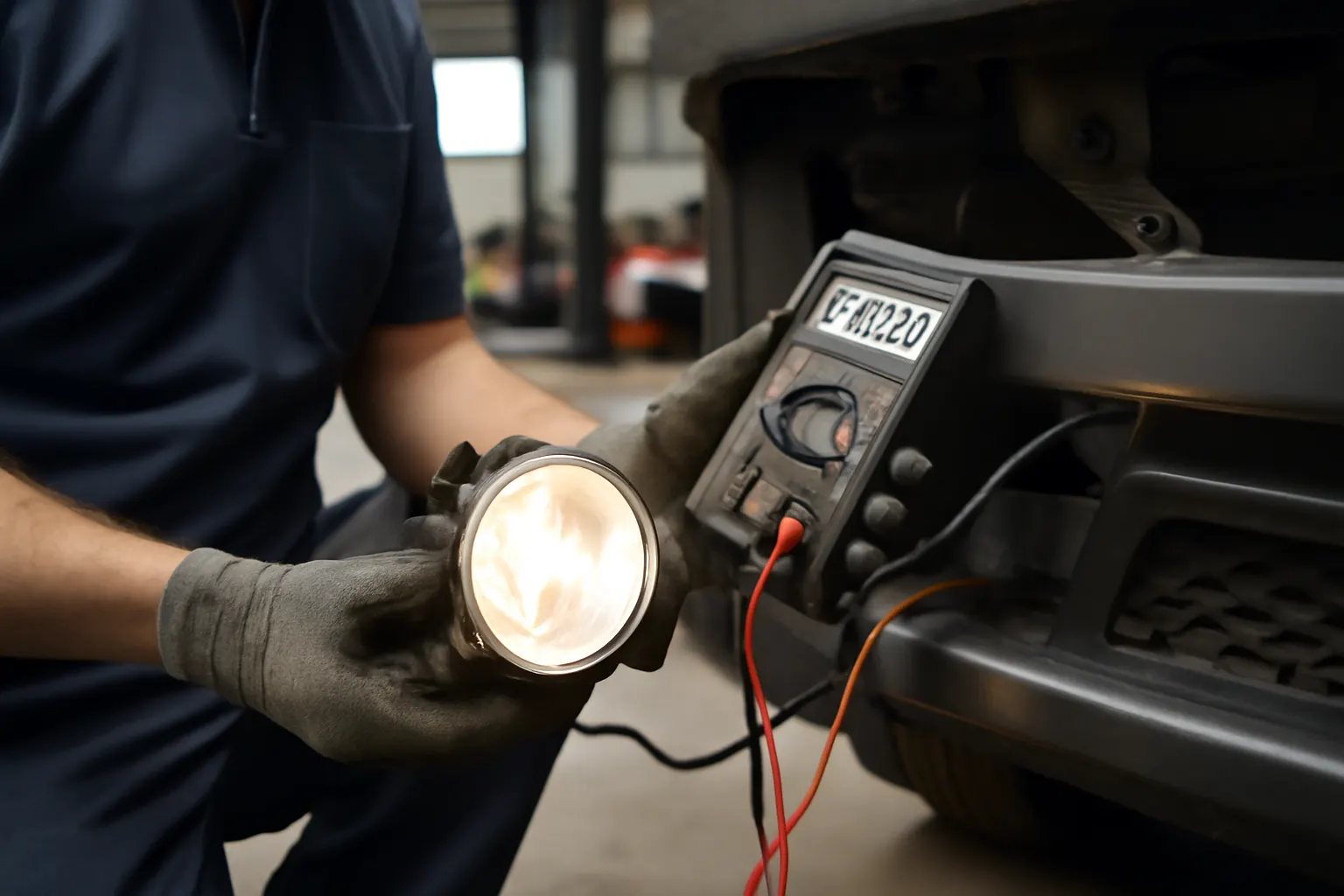
Field Report: Common Fog Lamp Failures
Fog lamps are crucial for safe driving in adverse weather, offering improved visibility in fog, heavy rain, or snow. Yet, in service bays across North America, technicians frequently encounter a short list of recurring fog lamp failures—issues that can compromise both safety and compliance with federal lighting standards. In this field report, the AutoPartEx Technical Editorial Team synthesizes real-world technician insights to deliver a practical, in-depth guide to common fog lamp problems, their technical underpinnings, and proven solutions.
Read More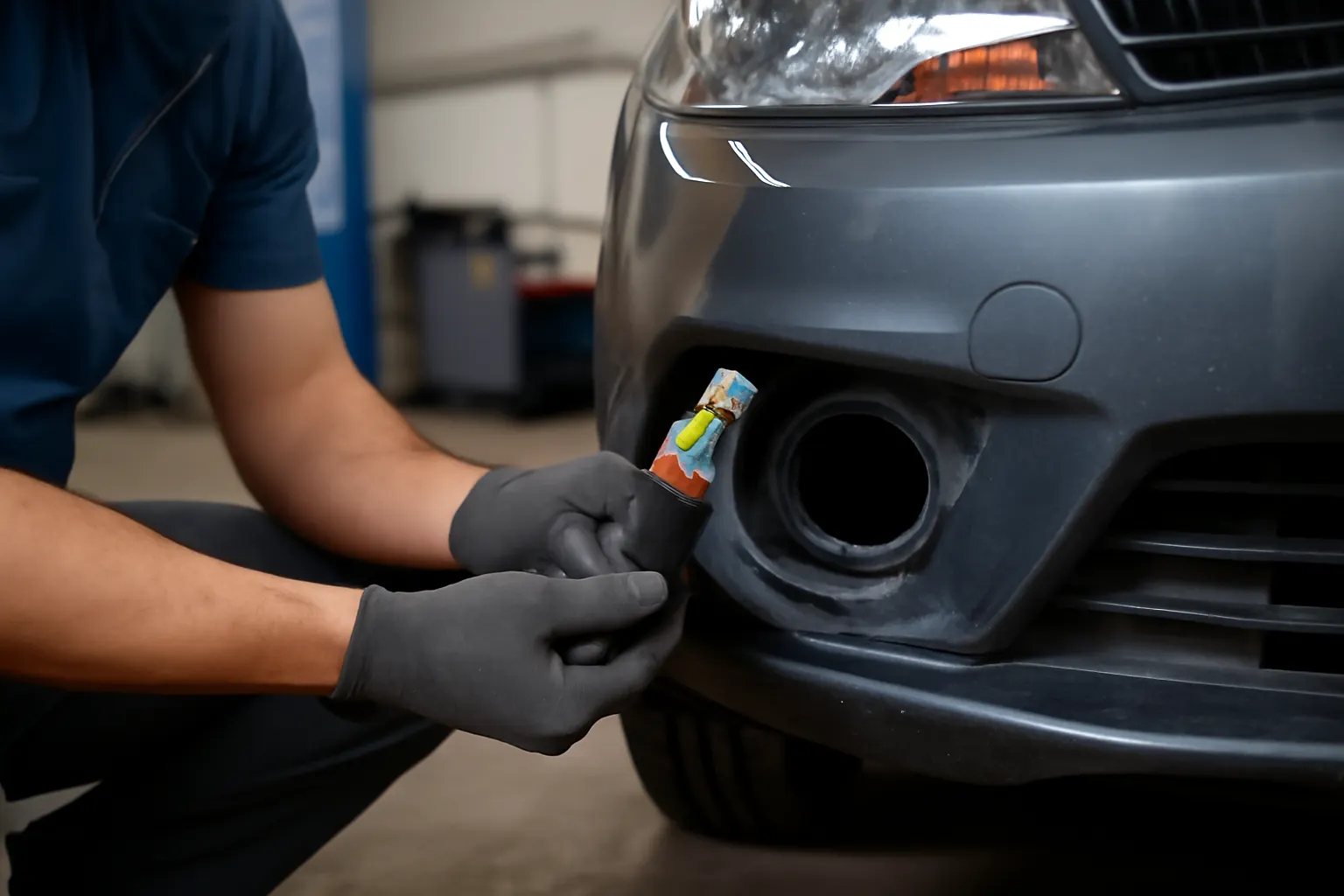
Why Upgrading to LED Fog Lamps Makes Sense
Upgrading to LED fog lamps is one of the most impactful changes you can make to your vehicle’s lighting system. Compared to traditional halogen fog lamps, LEDs deliver superior brightness, dramatically reduced energy consumption, and a much longer service life. These advantages translate to improved safety, lower maintenance costs, and a more modern driving experience. Whether you’re replacing failed bulbs or proactively seeking better performance, LED fog lamp upgrades are a practical, forward-thinking solution for today’s vehicles.
Read More