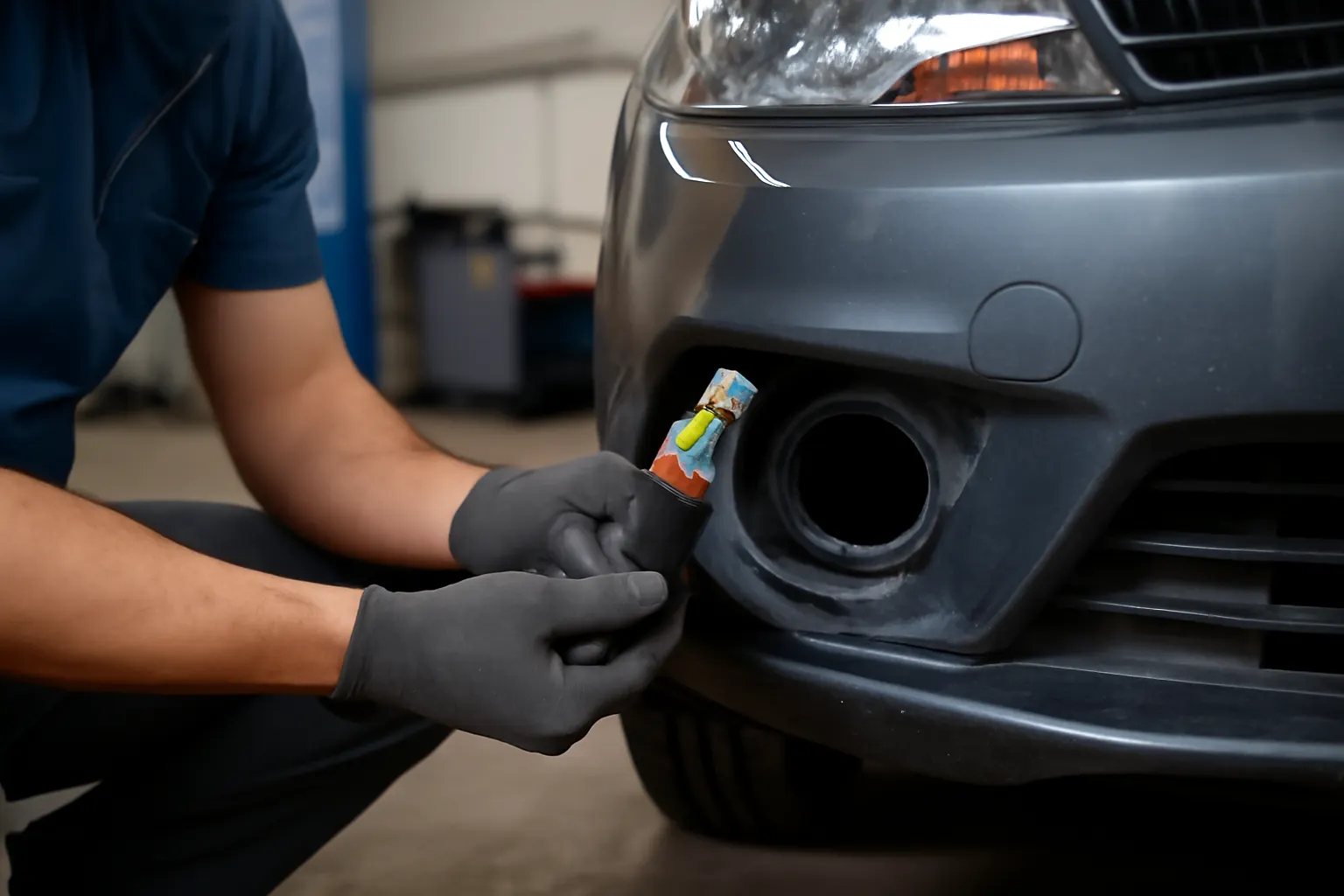
Field Report: Common Fog Lamp Failures
Fog lamps are crucial for safe driving in adverse weather, offering improved visibility in fog, heavy rain, or snow. Yet, in service bays across North America, technicians frequently encounter a short list of recurring fog lamp failures—issues that can compromise both safety and compliance with federal lighting standards. In this field report, the AutoPartEx Technical Editorial Team synthesizes real-world technician insights to deliver a practical, in-depth guide to common fog lamp problems, their technical underpinnings, and proven solutions. For further context on related lighting systems and replacement procedures, see our Turn Signal/Fog Lamp Replacement & Technical Guide.
Immediate Answer: The Most Frequent Fog Lamp Failures
Based on technician field reports and parts data, the most common fog lamp failures are:
- Burned-out bulbs or LEDs
- Condensation or water intrusion in fog lamp housings
- Corroded or damaged wiring/connectors
- Cracked or broken fog lamp lenses
- Faulty fog lamp switches or relays
- Improper lamp aim or alignment
- Premature failure due to poor-quality replacement parts
Each of these issues can lead to reduced illumination, increased risk of accidents, or even vehicle inspection failures. Understanding the nature and root causes of these failures is the first step to restoring optimal lighting performance and ensuring compliance with vehicle safety equipment standards.
Hidden Problem: Why Fog Lamp Failures Are So Prevalent
While fog lamps are designed for durability, their location low on the front fascia makes them uniquely vulnerable. Road debris, water splashes, vibration, and temperature fluctuations all accelerate wear. Compounding this, fog lamps are sometimes overlooked during routine inspections, and low-cost aftermarket replacements may not meet OEM or regulatory standards. This combination of environmental exposure and maintenance gaps means fog lamp issues are far more common than many vehicle owners realize.
Deeper Technical Explanation: How Fog Lamp Systems Work—and Fail
To understand why fog lamps fail, it’s essential to grasp their construction and function:
- Housing and Lens: Usually made from polycarbonate or glass, sealed to prevent moisture ingress.
- Bulb or LED Module: Provides the light source; halogen, HID, and LED are most common.
- Wiring Harness: Supplies power, often routed near the vehicle’s undercarriage.
- Switch/Relay: Controls lamp operation, sometimes integrated with headlight controls.
Failures typically occur at points of vulnerability: seals, connectors, bulbs, or electronic modules. For example, a failed seal allows moisture in, leading to condensation and corrosion. A cheap replacement bulb can overheat or fail prematurely, especially if not matched to the correct wattage or voltage. Road salt and moisture can corrode connectors, causing intermittent or total lamp failure.
Solution Path: Diagnosing and Resolving Common Fog Lamp Failures
A methodical approach is essential for accurate diagnosis and long-term repair. Below, we break down each common failure mode, its symptoms, diagnostic steps, and best-practice solutions.
1. Burned-Out Bulbs or LEDs
Symptoms:
- Fog lamp won’t illuminate when switched on
- Indicator on dash may show a bulb failure (on some models)
Diagnostic Steps:
- Visually inspect the fog lamp when switched on
- Check fuse and relay associated with fog lamps
- Remove bulb or module and inspect for discoloration, broken filament, or dark spots
Solutions:
- Replace with OEM-grade bulbs or high-quality LED modules
- Match wattage and fitment exactly; consult the owner’s manual or lighting regulations guide
- For LED fog lamps, check for driver module integrity as well
2. Condensation or Water Intrusion
Symptoms:
- Water droplets or fogging visible inside the lamp
- Reduced light output, flickering, or bulb failure
Diagnostic Steps:
- Inspect housing for cracks, loose seals, or missing gaskets
- Check for signs of corrosion on bulb bases or connectors
- Test housing for leaks with low-pressure air or soapy water
Solutions:
- Replace or reseal the housing; use OEM gaskets and seals
- Dry out the housing thoroughly before reinstalling
- Upgrade to improved-seal aftermarket housings if available
3. Corroded or Damaged Wiring/Connectors
Symptoms:
- Intermittent operation or total failure
- Visible green/white corrosion on connector terminals
- Burnt smell or melted insulation
Diagnostic Steps:
- Inspect wiring and connectors for corrosion, damage, or loose contacts
- Use a multimeter to check for continuity and proper voltage at the lamp connector
- Wiggle-test harness for intermittent faults
Solutions:
- Clean terminals with electrical contact cleaner; replace if heavily corroded
- Repair or replace damaged wiring sections with automotive-grade wire
- Use dielectric grease on connectors to prevent future corrosion
4. Cracked or Broken Fog Lamp Lenses
Symptoms:
- Visible cracks, holes, or missing pieces in the lens
- Water or debris inside lamp
- Scattered or reduced light output
Diagnostic Steps:
- Visual inspection, including underbody check for impact damage
- Confirm lens damage is not superficial (scratches) but structural
Solutions:
- Replace lens or entire fog lamp assembly as needed
- Choose impact-resistant materials—polycarbonate lenses are preferable
- Consider protective films or guards if driving in debris-prone areas
5. Faulty Fog Lamp Switches or Relays
Symptoms:
- Fog lamps do not respond to switch input
- No power at lamp even though fuse is good
- Audible click missing from relay when switch is operated
Diagnostic Steps:
- Test switch operation with a multimeter for continuity
- Swap relay with known-good unit (if identical)
- Check for power at relay terminals
Solutions:
- Replace faulty switch or relay with OEM or high-quality aftermarket part
- Inspect wiring to switch/relay for damage or corrosion
6. Improper Lamp Aim or Alignment
Symptoms:
- Fog lamps illuminate too high, low, or off to one side
- Glare to oncoming drivers; reduced effectiveness in fog
Diagnostic Steps:
- Park vehicle on level ground, 25 feet from a wall
- Mark lamp cutoff points and compare to manufacturer specifications
- Adjust aim using built-in screws or adjusters
Solutions:
- Follow SAE and manufacturer guidelines for fog lamp aim (see SAE Standards)
- Avoid over-tightening adjusters; test after each adjustment
7. Premature Failure Due to Poor-Quality Replacement Parts
Symptoms:
- Repeated lamp failures within months of replacement
- Poor fitment, flicker, or overheating
Diagnostic Steps:
- Review purchase records for part source and specifications
- Inspect for mismatched connectors, loose fit, or non-compliant labeling
Solutions:
- Source replacement parts from reputable suppliers or OEM channels
- Confirm parts meet NHTSA equipment standards
- Avoid ultra-low-cost bulbs or assemblies with no certification markings
Fog Lamp Failure Diagnostic Checklist
Use this step-by-step checklist to systematically diagnose fog lamp issues in the service bay or at home:
| Step | Action | Tools Needed | Expected Result |
|---|---|---|---|
| 1 | Visual inspection of lamp (on/off) | None | Lamp status confirmed |
| 2 | Check fuse and relay | Fuse puller, multimeter | Power supply verified |
| 3 | Inspect for condensation/water | Flashlight | Moisture presence noted |
| 4 | Examine wiring/connectors | Flashlight, multimeter | Corrosion/damage detected |
| 5 | Remove and inspect bulb/module | Screwdriver, gloves | Bulb/LED condition assessed |
| 6 | Test switch/relay operation | Multimeter | Control function verified |
| 7 | Check lamp aim/alignment | Tape measure, wall | Proper aim confirmed |
| 8 | Review part quality/source | Purchase records | OEM/quality parts confirmed |
Real-World Case Studies: Fog Lamp Failures in the Field
Case 1: Water Intrusion After Minor Collision
A 2020 crossover arrived at the shop with a fog lamp out and visible condensation. The technician traced the issue to a hairline crack in the lens caused by a parking lot scrape. Water had corroded the bulb base and connector. Solution: Replace the lamp assembly, clean connectors, and apply dielectric grease. The customer was advised to check fog lamps after any front-end impact.
Case 2: Repeated Bulb Burnout Due to Poor-Quality Parts
A sedan owner reported replacing fog lamp bulbs three times in six months. Inspection revealed off-brand bulbs with higher-than-rated wattage, leading to overheating. The technician installed OEM-grade bulbs, and the issue was resolved. This underscores the importance of sourcing compliant parts—see Why Upgrading to LED Fog Lamps Makes Sense for more on quality considerations.
Case 3: Intermittent Operation Traced to Corroded Connector
A pickup truck’s fog lamps worked sporadically. The culprit: green corrosion on the lamp harness connector from years of winter road salt exposure. After cleaning and sealing the connector with dielectric grease, normal operation was restored.
The Impact of Fog Lamp Failures on Safety and Compliance
According to the National Highway Traffic Safety Administration, all exterior lighting—including fog lamps—must meet strict performance and reliability standards. Non-functioning or misaligned fog lamps can:
- Reduce the driver’s ability to see hazards in poor visibility
- Increase glare to other drivers if misaligned
- Cause inspection or regulatory compliance failures
Some states mandate functional fog lamps for vehicle inspections, and insurance companies may cite non-compliance in accident investigations. Proper function is a safety and legal imperative.
Materials and Technology: Advances in Fog Lamp Design
Recent years have seen significant improvements in fog lamp materials and construction, thanks to research by organizations such as the United States Department of Energy:
- Polycarbonate Lenses: Lighter and more impact-resistant than glass, with improved UV coatings to prevent yellowing.
- LED Modules: Longer lifespan, lower power draw, and superior vibration resistance compared to halogen or HID.
- Improved Sealing Techniques: Enhanced gaskets and ultrasonic welding reduce the risk of water intrusion.
When replacing or upgrading fog lamps, seek assemblies that incorporate these technologies for maximum durability and performance.
Sourcing Quality Replacement Fog Lamps and Components
With a crowded aftermarket, discerning quality is vital. Here’s what to look for:
- Certification Marks: Ensure lamps are DOT, SAE, or ECE certified for road use.
- OEM or Tier-1 Suppliers: Opt for original equipment or reputable brands.
- Material Specifications: Polycarbonate lenses, aluminum housings, and waterproof connectors are signs of quality.
- Warranty: Reputable parts typically offer a 1-year or longer warranty.
For a curated selection of compliant, high-quality fog lamps, start with the Turn Signal/Fog Lamp Replacement & Technical Guide.
Preventive Maintenance: Maximizing Fog Lamp Longevity
Routine checks and preventive steps can extend fog lamp lifespan:
- Inspect for cracks, chips, or condensation at every oil change
- Clean lenses with non-abrasive cleaners to maintain clarity
- Check lamp aim after suspension or front-end repairs
- Apply dielectric grease to connectors annually
- Replace bulbs in pairs to ensure even illumination
These straightforward measures minimize the risk of sudden failures and keep your vehicle compliant and safe.
When to Upgrade: Considering LED and Advanced Fog Lamp Systems
If your vehicle still uses halogen fog lamps, upgrading to LED can deliver:
- Longer service life (often 10x that of halogen)
- Lower power consumption, which can marginally improve overall fuel efficiency
- Sharper, more focused beam patterns
However, ensure any upgrade kit is compatible with your vehicle’s wiring and meets regulatory standards. For detailed guidance, see Why Upgrading to LED Fog Lamps Makes Sense.
Fitment and Installation Tips for DIYers and Technicians
- Always disconnect the battery before working on lighting circuits
- Reference the owner’s manual for bulb type and replacement procedures
- Use gloves when handling halogen bulbs—oils from skin can cause hot spots and premature failure
- Double-check wiring polarity with LEDs (some are polarity-sensitive)
- Test operation and aim before final reassembly
If in doubt, consult a professional or reference our Turn Signal/Fog Lamp Replacement & Technical Guide for model-specific instructions.
AutoPartEx: Your Partner in Reliable Lighting Solutions
At AutoPartEx, we understand how critical it is to keep your vehicle’s lighting systems in top condition. Our curated inventory includes only certified, high-quality fog lamp parts, backed by technical support and fitment expertise. Whether you’re a DIYer, a fleet manager, or a professional technician, our resources and product selection help you restore factory performance and stay compliant with the latest safety standards. For more expert guides and quality parts, visit our Turn Signal/Fog Lamp Replacement & Technical Guide.
Expert Action: Take the Next Step
If you’re experiencing fog lamp issues, don’t wait for a safety inspection or bad weather to reveal the problem. Use the diagnostic checklist above, review your options, and source quality replacement parts from trusted suppliers. For complex electrical or alignment issues, consult a certified technician. And for everything from diagnostic tips to premium parts, rely on AutoPartEx as your go-to resource for turn signal and fog lamp solutions.