
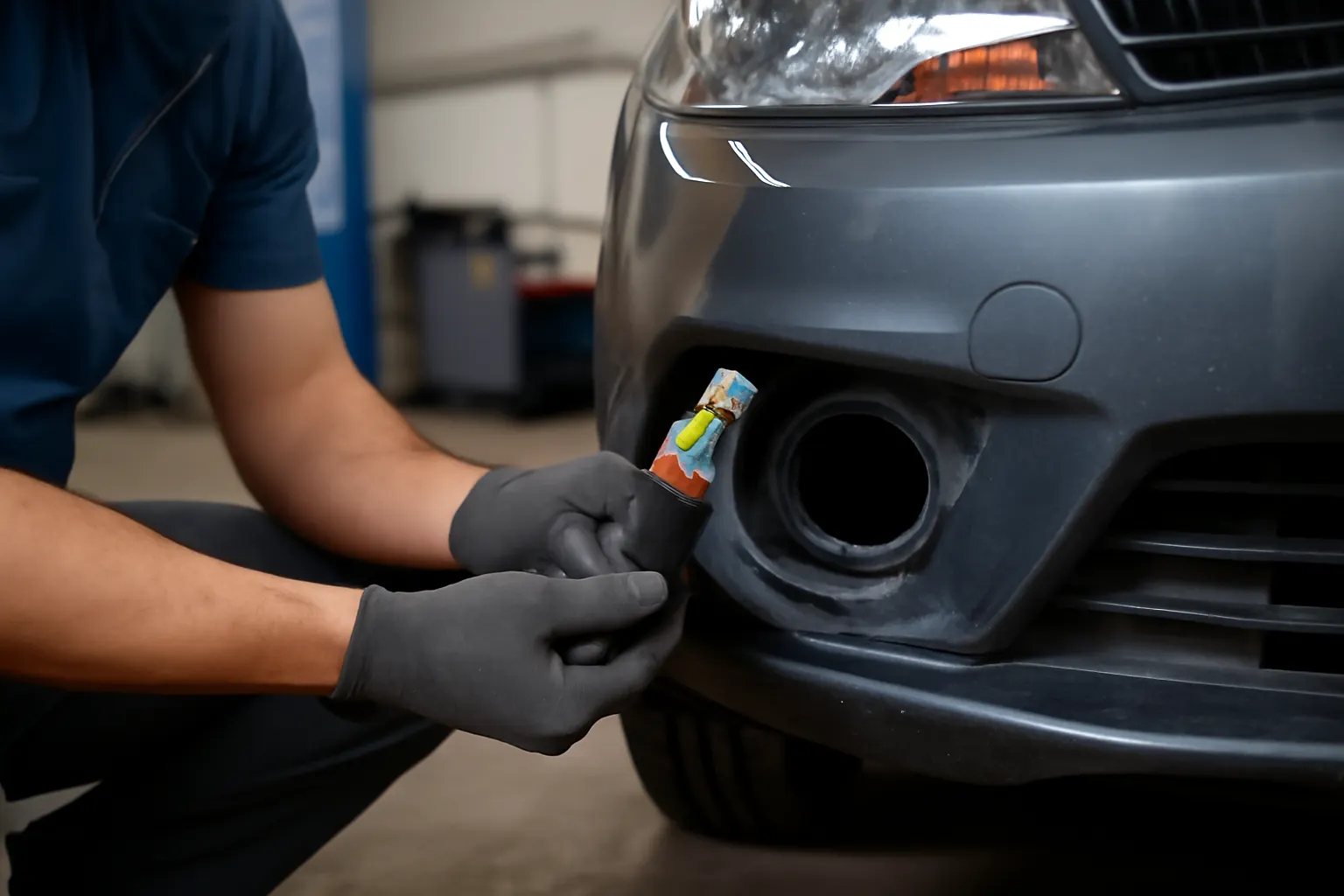
Why Upgrading to LED Fog Lamps Makes Sense
Upgrading to LED fog lamps is one of the most impactful changes you can make to your vehicle’s lighting system. Compared to traditional halogen fog lamps, LEDs deliver superior brightness, dramatically reduced energy consumption, and a much longer service life. These advantages translate to improved safety, lower maintenance costs, and a more modern driving experience. Whether you’re replacing failed bulbs or proactively seeking better performance, LED fog lamp upgrades are a practical, forward-thinking solution for today’s vehicles. For a comprehensive look at all things lighting, see our Turn Signal/Fog Lamp Replacement & Technical Guide.
The Immediate Benefits of LED Fog Lamps
The switch from halogen to LED fog lamps offers a trio of immediate, tangible benefits:
- Improved Brightness and Visibility: LEDs produce a crisp, focused beam that penetrates fog, rain, and snow more effectively than standard halogen bulbs. This translates to better road visibility and enhanced driver confidence during adverse conditions.
- Reduced Energy Consumption: LED fog lamps are highly efficient, drawing far less current from your vehicle’s electrical system. This can contribute to improved overall vehicle efficiency, especially in modern vehicles with complex electrical demands.
- Extended Service Life: With lifespans often exceeding 15,000 hours, LEDs outlast halogen bulbs by a wide margin. This means fewer replacements and less downtime, especially important for vehicles used in challenging environments or for long-distance travel.
The Hidden Problem: Outdated Lighting Technology
While many vehicles still come equipped with halogen fog lamps, this technology is increasingly outdated. Halogen bulbs are prone to:
- Dimming Over Time: As halogen bulbs age, they lose brightness, often without drivers noticing until visibility is compromised.
- Frequent Burnouts: The average halogen fog lamp lasts 500–1,000 hours, which can mean annual or even semi-annual replacements for frequent drivers.
- High Heat Production: Halogen bulbs convert much of their energy into heat, which can cause premature wear of lamp housings and electrical connectors.
The result is not merely inconvenience—reduced fog lamp performance can directly impact safety and, in some cases, contribute to avoidable accidents during poor weather conditions. The National Highway Traffic Safety Administration (NHTSA) underscores the importance of maintaining optimal lighting for safe vehicle operation [^1].
Why Halogen Fog Lamps Fall Short
Halogen fog lamps have been standard for decades, but their limitations are increasingly apparent:
- Inefficient Energy Use: Halogen bulbs typically convert only 5–10% of electrical energy into light; the rest is lost as heat. This inefficiency places unnecessary strain on the vehicle’s alternator and battery.
- Limited Light Spectrum: Halogen bulbs emit yellowish light, which is less effective at cutting through fog compared to the whiter, more focused output of LEDs.
- Short Lifespan: Halogen filaments are vulnerable to vibration and thermal cycling, both common in automotive environments. This leads to frequent bulb failures, especially in vehicles used on rough or unpaved roads.
These factors combine to make halogen fog lamps a frequent source of frustration for drivers who demand reliability and performance.
Technical Advantages of LED Fog Lamps
LED (Light Emitting Diode) technology represents a significant leap forward in automotive lighting. Here’s what sets LED fog lamps apart:
- High Luminous Efficacy: LEDs generate more light (lumens) per watt than halogens, producing a brighter beam without increasing power draw.
- Directional Output: Unlike halogen bulbs, which emit light in all directions, LEDs can be engineered to focus light precisely where it’s needed, reducing glare and improving visibility.
- Cooler Operating Temperatures: LEDs run much cooler, reducing the risk of heat-related damage to lamp assemblies.
- Instant-On Performance: LEDs reach full brightness instantly, ensuring immediate illumination in rapidly changing weather conditions.
These attributes make LED fog lamps a clear choice for drivers seeking both performance and reliability.
The Broader Impact: Energy Efficiency and Vehicle Performance
Upgrading to LED fog lamps doesn’t just benefit your lighting system—it can also contribute to overall vehicle efficiency. According to the United States Department of Energy, reducing electrical load can have a positive impact on fuel economy, especially in vehicles with advanced electrical systems or start-stop technology [^2].
- Lower Power Draw: LED fog lamps typically use 8–12 watts per bulb, compared to 35–55 watts for halogen equivalents. This reduction in load helps preserve battery health and reduces alternator demand.
- Potential Fuel Savings: While the direct fuel savings per vehicle are modest, the cumulative effect across millions of vehicles is significant, contributing to national energy efficiency goals.
- Compatibility with Modern Electrical Systems: Many new vehicles use sensitive electronic control units (ECUs) that monitor lighting circuits. LEDs’ stable, low-current draw is less likely to trigger error codes or require frequent resets.
If you are concerned about maximizing your vehicle’s efficiency, LED fog lamps are a logical step forward.
Safety and Compliance: Meeting Modern Standards
Vehicle lighting is not just about personal preference—it’s a regulated safety feature. The NHTSA and other regulatory bodies set strict requirements for lighting performance, aiming to ensure that all vehicles provide adequate illumination without causing glare or distraction to other drivers [^1].
- Consistent Output: LEDs maintain consistent brightness over their service life, reducing the risk of gradual dimming that can escape detection during routine checks.
- Reduced Glare: Well-designed LED fog lamps focus light where it’s needed, minimizing scatter and glare for oncoming traffic.
- Faster Response: The instant-on nature of LEDs can improve reaction times in sudden weather changes, contributing to overall road safety.
When selecting LED fog lamps, it’s important to choose products that meet or exceed SAE and DOT standards to ensure compliance with local regulations. For a deeper dive into lighting standards, see our Understanding Vehicle Lighting Regulations.
Diagnosing Fog Lamp Issues: Is It Time to Upgrade?
Before deciding to upgrade, it’s important to assess the current state of your fog lamps. Common symptoms of failing or underperforming fog lamps include:
- Dimming or Flickering Light: Indicates aging filaments or poor electrical connections.
- Frequent Burnouts: Suggests vibration damage or overheating.
- Uneven Beam Pattern: Can be caused by deteriorated reflectors or misaligned bulbs.
- Physical Damage: Cracks or clouding in the lens reduce effectiveness and can let moisture into the housing.
If you notice any of these issues, it’s a strong indicator that your current fog lamps are due for replacement. For more information on diagnosing lighting issues, review our Field Report: Common Fog Lamp Failures.
Diagnostic Checklist: Fog Lamp Health
Use this checklist to evaluate your current fog lamps:
| Symptom | Likely Cause | Upgrade Recommended? |
|---|---|---|
| Dimming output | Aging halogen filament | Yes |
| Flickering light | Loose connection or bulb | Yes |
| Yellowed lens | UV exposure, heat | Yes |
| Water inside housing | Seal failure | Yes |
| Repeated bulb failure | Vibration, heat, poor quality | Yes |
If you check “Yes” in any row, upgrading to LED fog lamps is likely to resolve the issue and prevent recurrence.
LED Fog Lamp Installation: What to Expect
Upgrading to LED fog lamps is a straightforward process for most vehicles, but it’s important to understand the key steps:
1. Verify Compatibility
- Bulb Type: Confirm the correct bulb size and base for your vehicle. Many LED fog lamps are available in standard sizes (H11, 9006, H8, etc.).
- Housing Fitment: Check that the LED bulb will fit within the existing fog lamp housing without interfering with dust caps or wiring.
- CANbus Compatibility: Some vehicles require CANbus-compatible LEDs to prevent dashboard errors or flickering.
2. Gather Tools and Materials
- Replacement LED fog lamps (pair)
- Screwdrivers (Phillips and flathead)
- Socket set or nut driver (as required)
- Gloves (to avoid touching bulbs or electrical contacts)
- Dielectric grease (optional, for electrical connectors)
3. Remove Old Fog Lamps
- Access the fog lamp housing, typically from beneath the bumper or through the wheel well.
- Disconnect the electrical connector.
- Remove the old halogen bulb by twisting counterclockwise.
4. Install LED Fog Lamps
- Insert the new LED bulb into the housing, ensuring proper alignment.
- Reconnect the electrical connector.
- Test the lamps before reassembling any panels or covers.
5. Aim and Adjust
- Turn on the fog lamps and check the beam pattern.
- Adjust as needed to ensure the light is focused low and wide, minimizing glare.
For a more detailed walkthrough, see our How to Diagnose and Replace Turn Signal Bulbs—the principles apply to fog lamp bulbs as well.
Maintenance Tips for LED Fog Lamps
LED fog lamps require less maintenance than halogen units, but a few best practices will help ensure optimal performance:
- Inspect Regularly: Check fog lamps during routine vehicle inspections or oil changes.
- Clean Lenses: Wipe down fog lamp lenses to remove dirt, road salt, and debris, which can scatter light and reduce effectiveness.
- Check Seals: Ensure the fog lamp housing seals remain intact to prevent moisture intrusion.
- Monitor Beam Pattern: If you notice reduced output or a distorted beam, check for lens clouding or misalignment.
LEDs are less likely to fail suddenly, but periodic checks ensure that any issues are caught early.
Buying Guide: Choosing the Right LED Fog Lamps
Not all LED fog lamps are created equal. When selecting a replacement, consider the following:
- Certification: Look for bulbs that are SAE and DOT compliant to ensure legal on-road use.
- Lumen Output: Choose a bulb with appropriate brightness—excessively high output can cause glare.
- Color Temperature: Opt for bulbs in the 5000K–6000K range for a crisp, white light that cuts through fog effectively.
- Warranty: Reputable manufacturers offer warranties of at least 2–3 years on LED fog lamps.
- Build Quality: Aluminum housings and integrated heat sinks improve durability and thermal management.
If you drive in extreme climates or off-road conditions, prioritize LEDs with robust waterproof and vibration-resistant ratings.
Quick Reference: LED Fog Lamp Buying Checklist
| Feature | Recommended Spec |
|---|---|
| Certification | SAE, DOT compliant |
| Lumen Output | 1,200–2,000 lumens per bulb |
| Color Temperature | 5000K–6000K |
| Warranty | 2–3 years minimum |
| Housing Material | Aluminum, with heat sink |
| Waterproof Rating | IP65 or better |
Common Pitfalls: What to Avoid When Upgrading
While LED fog lamp upgrades are generally straightforward, avoid these common mistakes:
- Ignoring Compatibility: Installing a non-compatible bulb can result in poor fitment, dashboard errors, or even electrical damage.
- Overdriving the Circuit: Some cheap LED kits draw excessive current or lack proper resistors, potentially overloading your vehicle’s wiring.
- Neglecting Beam Pattern: Improper installation or poor-quality bulbs can scatter light, creating glare for other drivers.
- Skipping Alignment: Failing to adjust the aim after installation can reduce effectiveness and safety.
Always consult your vehicle’s manual and, if in doubt, seek professional installation.
The Role of Materials Technology in LED Fog Lamps
Modern LED fog lamps benefit from advances in materials science. The United States Department of Energy highlights the importance of lightweight, durable materials in automotive components [^3]:
- Aluminum Heat Sinks: Efficiently dissipate heat, preserving LED lifespan and performance.
- Polycarbonate Lenses: Resist impact and UV degradation, maintaining clarity over time.
- Waterproof Seals and Gaskets: Prevent moisture intrusion, a leading cause of fog lamp failure.
These materials contribute to the long service life and reliability of quality LED fog lamps.
The Environmental Case: Sustainability and Reduced Waste
Switching to LED fog lamps is not only about performance—it’s also an environmentally responsible choice:
- Fewer Replacements: LED lamps last up to 15–20 times longer than halogen, reducing waste from discarded bulbs.
- Lower Energy Consumption: Reduced electrical demand means less fuel burned, fewer emissions, and a smaller carbon footprint.
- Non-Toxic Construction: LEDs contain no mercury or hazardous materials, making them safer to handle and dispose of at end-of-life.
These benefits align with broader goals for sustainable transportation and responsible vehicle ownership.
Real-World Results: User Experiences and Performance
Drivers who upgrade to LED fog lamps consistently report:
- Noticeably Brighter Output: Improved visibility in fog, rain, and snow.
- Reduced Glare for Others: Properly installed LEDs produce a controlled beam that minimizes glare.
- Long-Term Reliability: Years of trouble-free operation, even in harsh climates or on rough roads.
- Modern Aesthetic: A crisp, white light that matches contemporary vehicle styling.
For fleet operators or drivers in rural or mountainous regions, the difference can be especially pronounced—less downtime, fewer replacements, and increased driver satisfaction.
When to Consider Professional Installation
While many DIYers can handle an LED fog lamp upgrade, professional installation is recommended if:
- Your vehicle uses a complex CANbus system.
- You are unsure about electrical compatibility or wiring.
- You want to ensure optimal beam alignment and focus.
- You drive a late-model vehicle with integrated lighting modules.
A professional will ensure that your upgrade meets safety standards and delivers the expected performance.
AutoPartEx: Your Partner for Lighting Upgrades
At AutoPartEx, we specialize in high-quality, OE-compatible lighting solutions. Our curated selection of LED fog lamps is rigorously tested for compatibility, performance, and compliance with industry standards. We provide detailed technical guides, installation support, and expert advice to help you make the right choice for your vehicle.
Explore our Turn Signal/Fog Lamp Replacement & Technical Guide for more information, or contact our technical team for personalized recommendations.
Conclusion: The Smart Choice for Modern Drivers
Upgrading to LED fog lamps is a practical, cost-effective improvement for drivers seeking better safety, performance, and efficiency. With longer service life, brighter output, and lower energy consumption, LEDs address the shortcomings of halogen fog lamps while aligning with modern vehicle technology and sustainability goals.
Whether you’re replacing failed bulbs or proactively enhancing your vehicle, LED fog lamps deliver benefits that are impossible to ignore. For more insights and technical support, browse our in-depth guides and product recommendations at AutoPartEx.
