
Chevy Corvette Rear Clip Parts
Chevy Corvette Rear Clip: Inspection, Selection, and Evidence
When considering a rear clip replacement for your Chevy Corvette, it’s easy to overlook crucial steps that ensure a safe and effective repair. Many owners focus solely on price or appearance, but understanding the technical and procedural context is vital. In this article, we’ll highlight often-missed inspection points, explain the real-world process, and provide evidence-based guidance to help you make an informed decision when selecting a rear clip for your Corvette.
Advertisement
25 Chevy Corvette Rear Clip Parts


Advertisement
More Rear Clip options for Chevy Corvette
Filtering for Chevy Corvette • Rear ClipBrowse nearby inventory for this model and category without leaving the page.
No Data Available
Please check back soon when more inventory is available for this part.
Advertisement
Why Rear Clip Replacement Demands More Than a Quick Glance
When searching for a rear clip for your Chevy Corvette, it’s tempting to focus on obvious factors like cost or exterior condition. However, one easily overlooked consideration is the underlying structural integrity and precise compatibility of the rear clip with your specific model year and trim. A rear clip is more than just a cosmetic panel; it’s a critical structural component that affects safety, alignment, and even the value of your vehicle. Overlooking these deeper factors can lead to costly mistakes or compromised repairs.
Many Corvette owners are unaware of the potential complexities involved in rear clip replacement. Unlike bolt-on parts, a rear clip often requires significant bodywork, welding, and alignment checks. The process may reveal hidden damage or previous repairs that could impact the fitment and performance of the replacement part. Without a careful inspection and understanding of these nuances, buyers risk investing in a part that may not restore the vehicle to its original condition.
Additionally, the market for used or salvage rear clips is vast, with varying levels of documentation and quality. It’s not enough to rely on photographs or seller descriptions alone. Knowing how to verify the provenance, structural soundness, and compatibility of a rear clip is essential. This article will guide you through these overlooked but critical steps, ensuring your Corvette’s repair is both safe and effective.

Understanding the Real Challenge: Rear Clip Replacement in Corvettes
The rear clip of a Chevy Corvette is a substantial section of the vehicle, encompassing not just the outer panels but also crucial structural elements. Damage to this area—whether from a collision, rust, or previous improper repairs—can compromise the car’s safety and drivability. Replacing the rear clip is not a simple swap; it requires careful matching to the original specifications and meticulous installation to maintain the vehicle’s integrity.
One key issue is that not all rear clips are created equal, even among the same model years. Subtle differences in mounting points, reinforcements, and integrated components can affect fitment. For instance, a rear clip from a convertible might not match perfectly with a coupe, or a clip from a different trim level could lack necessary brackets or reinforcements. These differences are not always visible in photographs or basic listings, making in-person inspection or detailed documentation essential.
Another challenge is the risk of hidden damage. Salvage rear clips may come from vehicles that experienced significant impacts. Even if the exterior appears undamaged, internal structures could be bent, weakened, or previously repaired in ways that are not immediately apparent. Installing a compromised rear clip can lead to future alignment problems, water leaks, or even safety hazards in the event of another collision.
Documentation is often inconsistent in the salvage parts market. Some sellers provide detailed histories and photographs, while others offer minimal information. Without clear provenance, it’s difficult to verify whether a rear clip has been exposed to flood damage, excessive corrosion, or prior substandard repairs. This uncertainty can make it challenging to assess the true value and suitability of a part for your Corvette.
The complexity of the installation process itself is another factor. Rear clip replacement typically involves cutting, welding, and aligning the new section with the existing body. This work requires specialized skills and equipment, as well as access to factory specifications. A poorly executed installation can result in misaligned body panels, compromised crash protection, or persistent mechanical issues. Owners who underestimate this complexity may face unexpected costs or unsatisfactory results.
Finally, there’s the matter of regulatory compliance and safety recalls. While a rear clip itself may not be the subject of a recall, the vehicle’s history and any associated repairs should be checked for open recalls or safety issues. The National Highway Traffic Safety Administration (NHTSA) provides resources for recall lookups, but these tools do not guarantee that a particular part or vehicle is free from defects or has been properly repaired. Understanding these limitations is crucial for making an informed decision.
A Practical Guide to Selecting and Inspecting a Corvette Rear Clip
Begin your search for a Chevy Corvette rear clip by gathering detailed information about your vehicle, including the exact year, model, trim, and any unique features. This data is essential for ensuring compatibility. Use your vehicle identification number (VIN) to confirm these details and to check for any open recalls or manufacturer communications related to structural components. The NHTSA website allows you to search for recalls by VIN, providing an extra layer of confidence before proceeding with a major repair.
When evaluating potential rear clips, prioritize sellers who offer comprehensive documentation. Look for listings that include multiple high-resolution photographs from different angles, detailed descriptions of the donor vehicle’s condition, and information about how the rear clip was removed. If possible, request documentation showing the clip’s provenance, such as the VIN of the donor vehicle and a record of its accident history. This helps verify that the part has not been compromised by previous damage or substandard repairs.
Physical inspection is critical. If you can visit the seller or salvage yard in person, examine the rear clip for signs of hidden damage, such as uneven welds, bent reinforcements, or areas with excessive rust or filler. Pay close attention to mounting points, brackets, and structural seams. If an in-person inspection is not possible, ask the seller for close-up photographs of these areas and inquire about any known issues. A reputable seller should be willing to accommodate these requests.
Consider the type of part you are purchasing. The Federal Trade Commission (FTC) distinguishes between new, remanufactured, and salvage parts. Salvage rear clips, which are removed from another vehicle without alteration, can be a cost-effective option but require extra scrutiny. Ask the seller to clarify whether the clip is from a similar model and year, and whether any modifications have been made. This information can help you assess the likelihood of a successful installation and long-term durability.
Obtain a written estimate for the installation work from a qualified repair shop. The FTC recommends that this estimate identify the condition to be repaired, the parts needed, and anticipated labor charges. For complex repairs like a rear clip replacement, consider seeking a second opinion to confirm the scope of work and the shop’s experience with Corvettes. Ask whether the technicians have handled similar repairs and request references or photographs of past projects if available.
Before authorizing the repair, discuss the warranty or guarantee on both the part and the labor. The FTC notes that there is no standard warranty on repairs, so it’s important to understand the coverage offered and get it in writing. Clarify whether the warranty covers issues related to fitment, structural integrity, or future alignment problems. This step can provide peace of mind and protect you from unexpected expenses down the road.
After the repair is completed, request a detailed repair order listing the work performed, the parts used, the costs, and the vehicle’s odometer reading. Inspect the finished work carefully, checking for proper alignment of body panels, smooth welds, and consistent paint or finish. If you notice any issues, address them with the repair shop immediately. Keeping thorough records of the repair can also help maintain your Corvette’s value and provide documentation for future buyers.
Finally, stay proactive about preventive maintenance and regular inspections. Even after a successful rear clip replacement, monitor the repaired area for signs of rust, leaks, or alignment issues. Follow the manufacturer’s maintenance schedule and compare any shop recommendations with the official guidelines in your owner’s manual. This ongoing attention will help ensure the long-term safety and performance of your Corvette.
What the Evidence Shows: Trusted Guidance for Rear Clip Buyers
The National Highway Traffic Safety Administration (NHTSA) provides a robust framework for vehicle safety recalls and defect investigations. According to their official guidance, every vehicle has a unique VIN that can be used to check for open recalls or safety issues. When searching by VIN, owners can determine if a specific vehicle needs recall repairs. However, NHTSA’s recall lookup does not guarantee that a particular part—such as a rear clip—has never been involved in a recall or that it is free from defects. The system is designed to inform owners about unrepaired recalls and provide general safety information, but it does not serve as a certification of part quality or compatibility. This means that while recall lookups are a valuable step, they should be combined with thorough inspection and documentation when sourcing a rear clip. NHTSA: Vehicle Recalls
NHTSA also outlines the process for reporting safety problems and initiating recalls. If multiple owners report similar defects, NHTSA may open an investigation, which can lead to a recall if a safety-related defect is confirmed. Manufacturers are required to notify owners of recalls and provide remedies, such as repairs or replacements. However, the recall system primarily addresses safety defects that have been formally identified and investigated. For rear clip buyers, this underscores the importance of independently verifying the condition and history of the part, as not all issues will be captured by recall databases. The recall process is reactive, relying on reported problems and investigations, rather than proactive certification of every component. NHTSA: Vehicle Recalls
The Federal Trade Commission (FTC) offers additional consumer protection advice relevant to rear clip selection and installation. The FTC recommends obtaining a written repair estimate that details the condition to be repaired, the parts needed, and anticipated labor charges. This guidance is especially important for complex repairs like rear clip replacement, where costs and procedures can vary widely. The FTC also advises consumers to consider a second opinion for expensive or complicated repairs, and to ask whether the technician has experience with the same make or model. These recommendations help ensure that repairs are performed correctly and that consumers are fully informed before authorizing work. FTC: Auto Repair Basics
The FTC further distinguishes between new, remanufactured, and salvage parts. Salvage parts, such as a used rear clip, are removed from another vehicle without alteration. While salvage parts can offer significant cost savings, they require careful inspection for hidden damage or wear. The FTC’s advice to get a completed repair order listing the work performed, parts used, and costs is particularly relevant for rear clip replacements, where documentation can help protect against future disputes or resale issues. This evidence highlights the need for transparency and thorough record-keeping throughout the repair process. FTC: Auto Repair Basics
It is important to note that neither the NHTSA nor the FTC provides vehicle-specific technical specifications or guarantees regarding the fitment or quality of individual rear clips. Their guidance is designed to help consumers navigate the repair process and avoid common pitfalls, but it does not substitute for hands-on inspection or expert evaluation. Buyers should use these resources as part of a comprehensive approach that includes physical inspection, documentation review, and consultation with qualified repair professionals. This approach helps mitigate risks that are not addressed by recall databases or general consumer advice.
While the NHTSA recall database can identify open recalls for a specific vehicle, it does not confirm that a particular rear clip is compatible with your Corvette or that it has never been involved in a previous incident. Similarly, the FTC’s recommendations do not guarantee that a used or salvage rear clip will meet your expectations for quality or fitment. These limitations highlight the importance of combining official resources with practical steps like detailed inspections, provenance verification, and professional installation. By understanding what these sources do and do not establish, buyers can make more informed decisions and avoid common pitfalls.
In summary, the evidence from NHTSA and FTC underscores the need for a multi-faceted approach to rear clip replacement. Official recall and repair guidance can help identify potential risks and inform your decision-making process, but they are not a substitute for hands-on evaluation and expert advice. By leveraging these resources alongside careful inspection and documentation, Corvette owners can increase the likelihood of a successful and safe rear clip replacement.
Take the Next Step: Secure Your Corvette’s Future
If you’re considering a rear clip replacement for your Chevy Corvette, don’t settle for surface-level checks or generic advice. Use your VIN to research recalls, demand thorough documentation from sellers, and consult experienced repair professionals who understand the unique requirements of your model. By combining official guidance with diligent inspection and record-keeping, you can protect your investment and ensure your Corvette remains safe and valuable for years to come. For more information and available parts, visit our Chevy Corvette Rear Clip catalog or explore related resources.
References
- NHTSA: Vehicle Recalls
- FTC: Auto Repair Basics
References
- NHTSA: Vehicle Recalls - NHTSA, accessed 2026-11-01
- FTC: Auto Repair Basics - FTC, accessed 2026-11-01
Related Guides & Articles

How to Spot Counterfeit Chevy Parts
Counterfeit Chevy parts can jeopardize your vehicle's safety, reliability, and performance. Whether you're shopping for a replacement alternator, brake pads, or sensors, identifying fakes before you buy is crucial. This guide delivers immediate visual clues, packaging tips, and real-world examples to help you confidently distinguish genuine from counterfeit Chevy components—protecting both your investment and your safety.
Read More
Chevy Service Intervals Explained
Build a Chevrolet maintenance plan from the correct owner’s manual, service history and dashboard messages. Learn how oil-life reminders differ from oil-pressure warnings, how mileage and elapsed time affect a service decision, and why gasoline and electric vehicles need different schedules. Use the checklist to discuss a clear, itemized plan with your repairer.
View Guide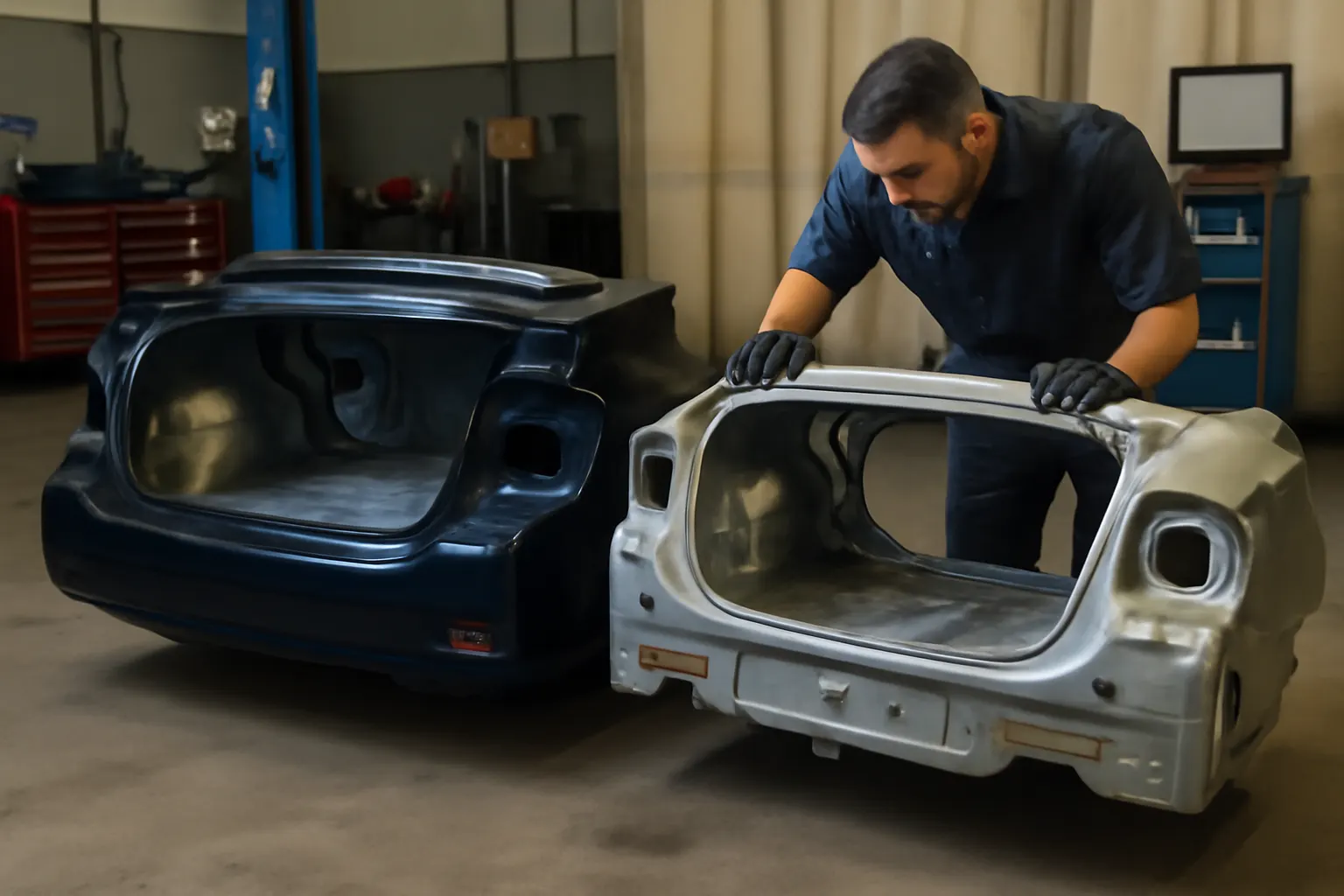
OEM vs Aftermarket Rear Clip: Quality and Performance Comparison
When it comes to repairing or upgrading your vehicle’s rear structure, the decision between an OEM (Original Equipment Manufacturer) and an aftermarket rear clip is critical. The choice directly impacts your vehicle’s safety, performance, fit, and long-term durability. In this guide, we deliver a comprehensive, technical, and practical comparison of OEM versus aftermarket rear clips—clarifying what truly matters for drivers, body shops, and enthusiasts alike.
Read More
Rear Clip Safety: Performance and Protection
The rear clip is the rear structural assembly of a vehicle, typically encompassing the frame rails, rear crossmember, trunk floor, and associated mounting points for suspension, bumper, and safety systems. It is engineered to absorb and dissipate impact energy in rear-end collisions, preserve the passenger compartment’s integrity, and maintain the alignment of critical components like the suspension and fuel system.
Read More