
Chevy Corvette Rear Bumper Reinforcement/Misc Parts
Chevy Corvette Rear Bumper Reinforcement: Comparison and Evidence
When considering a rear bumper reinforcement for your Chevy Corvette, it’s easy to overlook the importance of evidence-based comparison and proper fitment verification. Many buyers focus solely on price or appearance, missing critical steps that can prevent costly mistakes. This guide explores what you should know about selecting, comparing, and verifying rear bumper reinforcement parts for the Chevy Corvette, drawing on trusted consumer and regulatory sources.
Advertisement
4 Chevy Corvette Rear Bumper Reinforcement/Misc Parts


Advertisement
More Rear Bumper Reinforcement/Misc options for Chevy Corvette
Filtering for Chevy Corvette • Rear Bumper Reinforcement/MiscBrowse nearby inventory for this model and category without leaving the page.
No Data Available
Please check back soon when more inventory is available for this part.
Advertisement
Why Rear Bumper Reinforcement Decisions Deserve a Closer Look
Many Corvette owners searching for rear bumper reinforcement parts assume that any part labeled for their model will be a straightforward fit. However, the process is more nuanced than it appears. Overlooking the specific details of part sourcing, compatibility, and evidence of condition can lead to wasted time and money. Even experienced DIYers sometimes miss subtle differences between model years, trim levels, or aftermarket versus salvage components. This initial step—pausing to consider what truly matters in a rear bumper reinforcement purchase—can make all the difference.
The rear bumper reinforcement is not just a cosmetic or minor structural component. It plays a crucial role in absorbing impact energy and protecting the vehicle’s frame and occupants during a collision. Choosing the wrong part or a poorly documented salvage component can compromise both safety and value. Yet, many buyers are unaware of the potential risks associated with insufficient documentation or improper fitment, especially when purchasing used parts online or from salvage yards.
A common pitfall is relying solely on catalog labels or generic fitment claims. These may not account for mid-year changes, special editions, or subtle engineering updates that affect compatibility. Without a careful approach to sourcing and verifying rear bumper reinforcements, Corvette owners risk ending up with a part that doesn’t fit, doesn’t perform as intended, or lacks a clear history. The following sections will help you understand the real issues, supported by regulatory and consumer guidance, and outline practical steps for a confident purchase.

Understanding the Real Challenges of Rear Bumper Reinforcement Replacement
Rear bumper reinforcement replacement isn’t always prompted by a dramatic collision. Sometimes, minor impacts, rust, or even improper towing can damage this component without obvious external signs. For Chevy Corvette owners, especially those with older or specialty models, sourcing the right reinforcement part is complicated by variations in design across different years and trims. This complexity is often underestimated, leading to mismatches and installation headaches.
One of the major challenges is the lack of standardized labeling and documentation for used or salvage parts. Unlike new OEM components, salvage rear bumper reinforcements may come from vehicles with unknown histories, previous repairs, or subtle damage not visible in photos. The Federal Trade Commission (FTC) highlights that salvage parts are taken from another vehicle without alteration, which means buyers must rely on the seller’s documentation and their own due diligence to assess condition and compatibility FTC: Auto Repair Basics.
Another issue is the potential for safety recalls or manufacturer communications affecting specific Corvette models or parts. The National Highway Traffic Safety Administration (NHTSA) provides tools to check for open recalls by VIN, but searching by year, make, and model only yields general recall information, not confirmation that a specific part or vehicle is affected NHTSA: Vehicle Recalls. This distinction is critical: a recall database can inform your research, but it does not guarantee the part you’re considering is free from safety concerns.
In addition, the installation of a rear bumper reinforcement is not a trivial task. Improper fitment or use of an incorrect part can compromise the Corvette’s crashworthiness. Even when a part appears visually similar, mounting points, material composition, or energy absorption characteristics may differ between model years or production runs. This is particularly true for performance vehicles like the Corvette, where engineering tolerances are tightly controlled.
Buyers also face the challenge of verifying the actual condition of a used reinforcement. Seller photographs, while helpful, may not reveal internal rust, previous repairs, or structural fatigue. The FTC recommends obtaining a written repair estimate and a completed repair order listing parts, costs, and odometer readings, but such documentation is rarely provided for salvage components FTC: Auto Repair Basics. This gap in documentation increases the risk of purchasing a compromised part.
Finally, there is the issue of warranty and recourse. The FTC notes there is no standard warranty on repairs or parts, especially for salvage items. Buyers must understand the coverage, if any, and get it in writing. Without clear evidence of fitment and condition, Corvette owners may find themselves with limited options if the part fails or turns out to be incompatible. This underscores the importance of evidence-based comparison and careful documentation throughout the selection process.
Practical Steps for Selecting and Verifying Rear Bumper Reinforcement Parts
To navigate the complexities of sourcing a rear bumper reinforcement for your Chevy Corvette, begin by gathering your vehicle’s exact details. This includes the year, trim, and VIN. The VIN is particularly useful for verifying compatibility and checking for recalls or manufacturer communications that may affect your specific vehicle. The NHTSA’s recall lookup tool allows you to search by VIN for any open recalls, providing an extra layer of assurance NHTSA: Vehicle Recalls.
Next, compare available parts from multiple sources, including new, remanufactured, and salvage options. The FTC advises considering the origin of each part: salvage parts are unaltered components removed from another vehicle, while remanufactured or rebuilt parts may have undergone repairs or upgrades FTC: Auto Repair Basics. Understanding these distinctions helps you weigh the trade-offs between cost, condition, and potential longevity.
When evaluating a used or salvage rear bumper reinforcement, request clear, high-resolution photographs from multiple angles. Look for any signs of rust, deformation, or previous repairs. Ask the seller for documentation regarding the donor vehicle’s mileage, accident history, and whether the part has been inspected for structural integrity. While not all sellers can provide this information, those who do offer greater transparency and reduce your risk of receiving a compromised component.
For expensive or complicated repairs, the FTC recommends seeking a second opinion or consulting a technician experienced with your specific make and model FTC: Auto Repair Basics. This is especially relevant for Corvette owners, as the rear bumper reinforcement is a safety-critical part. A knowledgeable technician can help assess whether a proposed part is truly compatible and in suitable condition for installation.
Before finalizing your purchase, obtain a written estimate or order that clearly identifies the part, its condition, and any warranty or return policy. The FTC emphasizes the importance of written documentation, which protects you in case of disputes over fitment or quality. If the seller cannot provide this, consider it a red flag and look elsewhere for your part.
Once you’ve selected a part, verify its compatibility by cross-referencing the part number with official Corvette parts catalogs or dealership resources. Do not rely solely on generic catalog listings or seller claims. If possible, compare the mounting points and dimensions with your original reinforcement to ensure a proper fit. Small differences can have significant consequences for installation and safety.
After installation, keep all documentation related to the purchase and repair, including photographs, receipts, and any correspondence with the seller. This record will be invaluable if issues arise later or if you need to demonstrate the provenance of the part for insurance or resale purposes. The FTC’s guidance on repair orders and documentation applies here as well FTC: Auto Repair Basics.
Finally, periodically check for new recalls or manufacturer communications related to your Corvette’s rear bumper reinforcement. The NHTSA updates its databases regularly, and new information may emerge that affects your vehicle or the installed part. Staying informed helps you address potential safety issues proactively and ensures your Corvette remains in top condition.
What the Evidence Tells Us About Rear Bumper Reinforcement Selection
The Federal Trade Commission’s guidance on auto repair and parts selection provides a foundational framework for Corvette owners considering a rear bumper reinforcement. The FTC distinguishes between new, remanufactured, and salvage parts, emphasizing that salvage components are removed from another vehicle without alteration. This means that, unlike new or rebuilt parts, salvage reinforcements may vary significantly in condition and history. The FTC’s advice to get a written repair estimate and completed repair order underscores the importance of documentation, especially when dealing with used parts. While this guidance is general, it directly applies to the process of evaluating and purchasing rear bumper reinforcements for the Chevy Corvette FTC: Auto Repair Basics.
The FTC explicitly states that there is no standard warranty on repairs or parts, particularly for salvage items. This is a critical consideration for Corvette owners: without a written warranty or return policy, buyers have limited recourse if the part is defective or incompatible. The FTC’s recommendation to understand coverage and get it in writing highlights the need for careful documentation and clear communication with sellers. This evidence supports the practical steps outlined earlier, emphasizing the importance of transparency and due diligence in the parts selection process FTC: Auto Repair Basics.
The National Highway Traffic Safety Administration (NHTSA) offers a robust recall lookup tool that allows consumers to check for open recalls by VIN. However, the NHTSA cautions that searching by year, make, and model only yields general recall information, not confirmation that a specific vehicle or part is affected. This means that while the NHTSA database is a valuable resource for identifying potential safety issues, it does not guarantee that a particular rear bumper reinforcement is free from recalls or defects. Corvette owners should use the VIN-specific search for the most accurate information NHTSA: Vehicle Recalls.
NHTSA’s recall process involves several stages, from complaint screening to investigation and recall management. The agency notes that most recalls are initiated voluntarily by manufacturers, and that owners are notified by mail if their vehicle is affected. However, not all recalls are immediately reflected in the database, and some may not apply to older vehicles or certain specialty models. This reinforces the need for Corvette owners to stay proactive and check for updates regularly, rather than assuming that a lack of recall information guarantees safety NHTSA: Vehicle Recalls.
Neither the FTC nor the NHTSA provides vehicle-specific technical specifications or compatibility guarantees for rear bumper reinforcements. Instead, they offer general consumer protection advice and tools for identifying potential issues. This means that Corvette owners must rely on their own research, documentation, and comparison of parts when selecting a rear bumper reinforcement. Cross-referencing part numbers, consulting dealership resources, and seeking expert opinions are all supported by the evidence as best practices for ensuring fitment and safety.
The FTC’s guidance on preventive maintenance and repair orders is particularly relevant for those installing a used or salvage rear bumper reinforcement. By keeping detailed records of the purchase, installation, and any communications with the seller, Corvette owners can protect themselves in case of future disputes or warranty claims. This evidence-based approach is especially important given the lack of standardized warranties and the variability in salvage part condition FTC: Auto Repair Basics.
In summary, the published evidence from the FTC and NHTSA does not establish specific failure rates, technical specifications, or repair outcomes for Chevy Corvette rear bumper reinforcements. Instead, it provides a framework for consumer protection, emphasizing documentation, due diligence, and the use of official resources for recall and safety information. Corvette owners should apply these principles when selecting and verifying rear bumper reinforcement parts, recognizing that the burden of proof and compatibility rests with the buyer.
Take the Next Step with Confidence
If you’re considering a rear bumper reinforcement for your Chevy Corvette, use the guidance and evidence outlined here to inform your decision. Gather your vehicle details, compare parts carefully, and insist on clear documentation from sellers. Consult official resources and seek expert advice when needed. By following these steps, you can reduce risk, ensure safety, and make a confident, evidence-based purchase. For more information or to browse available options, visit our Chevy Corvette Rear Bumper Reinforcement/Misc page.
References
- NHTSA: Vehicle Recalls
- FTC: Auto Repair Basics
References
- NHTSA: Vehicle Recalls - NHTSA, accessed 2026-11-01
- FTC: Auto Repair Basics - FTC, accessed 2026-11-01
Related Guides & Articles

How to Spot Counterfeit Chevy Parts
Counterfeit Chevy parts can jeopardize your vehicle's safety, reliability, and performance. Whether you're shopping for a replacement alternator, brake pads, or sensors, identifying fakes before you buy is crucial. This guide delivers immediate visual clues, packaging tips, and real-world examples to help you confidently distinguish genuine from counterfeit Chevy components—protecting both your investment and your safety.
Read More
Chevy Service Intervals Explained
Build a Chevrolet maintenance plan from the correct owner’s manual, service history and dashboard messages. Learn how oil-life reminders differ from oil-pressure warnings, how mileage and elapsed time affect a service decision, and why gasoline and electric vehicles need different schedules. Use the checklist to discuss a clear, itemized plan with your repairer.
View Guide
OEM vs Aftermarket Rear Bumper Reinforcement/Misc: Quality and Performance Comparison
When it comes to replacing your rear bumper reinforcement or related components, the decision between OEM (Original Equipment Manufacturer) and aftermarket parts has a direct impact on your vehicle’s safety, performance, and long-term durability. This in-depth guide compares these two categories, focusing on material quality, crash performance, fitment, installation, and cost—empowering you to make the best choice for your vehicle’s needs.
Read More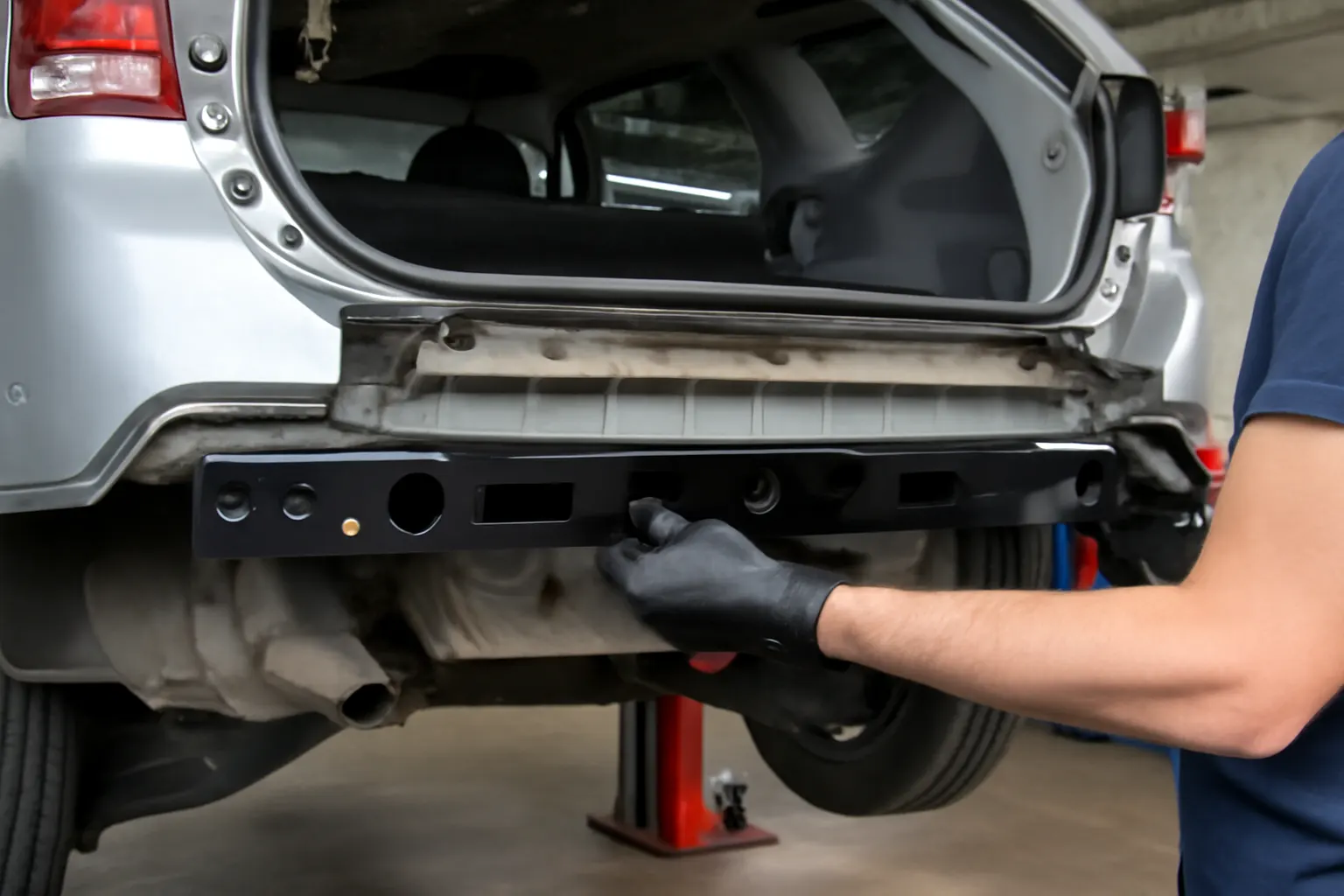
Rear Bumper Reinforcement/Misc Safety: Performance and Protection
Rear bumper reinforcement and miscellaneous (misc) components are critical yet often overlooked elements in the safety, performance, and occupant protection of modern vehicles. These structural parts are designed to absorb and distribute impact energy, prevent intrusion into the passenger compartment, and minimize costly damage to essential vehicle systems during rear-end collisions. Whether you’re a vehicle owner, technician, or auto parts buyer, understanding the function, risks, and selection criteria for rear bumper reinforcement/misc is essential for optimal safety and performance.
Read More