Advertisement
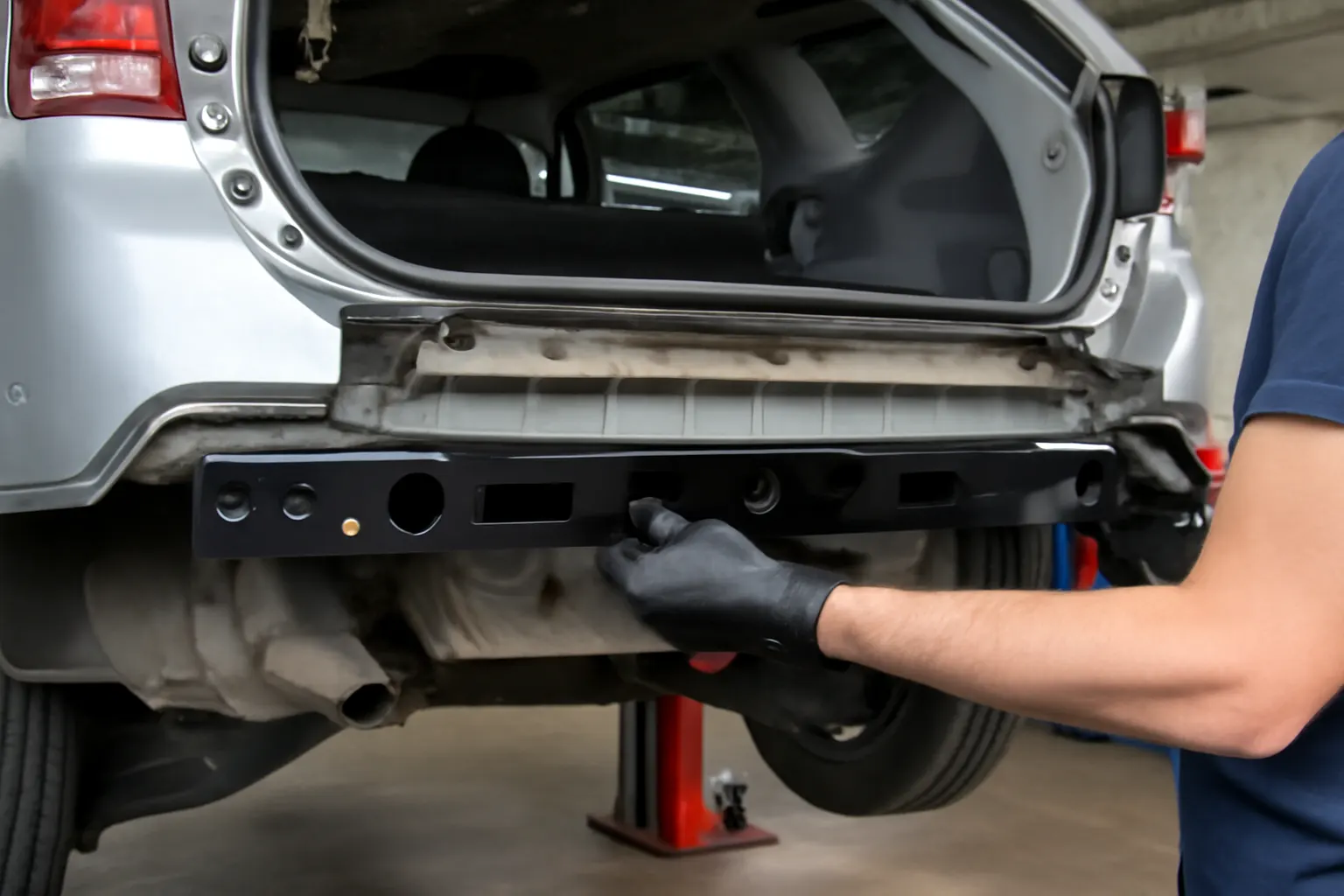
When it comes to replacing your rear bumper reinforcement or related components, the decision between OEM (Original Equipment Manufacturer) and aftermarket parts has a direct impact on your vehicle’s safety, performance, and long-term durability. This in-depth guide compares these two categories, focusing on material quality, crash performance, fitment, installation, and cost—empowering you to make the best choice for your vehicle’s needs. Whether you’re a DIY enthusiast, collision repair professional, or simply want to understand what goes into your car’s rear-end protection, this article provides the technical specifics you need.
If you’re looking for more foundational information, see our Rear Bumper Reinforcement/Misc Guide for a comprehensive overview of part types and their purposes.
The Immediate Answer: Which Is Better—OEM or Aftermarket Rear Bumper Reinforcement/Misc?
For most drivers prioritizing absolute safety, fitment, and long-term reliability, OEM rear bumper reinforcement and associated miscellaneous components remain the gold standard. OEM parts are engineered, tested, and certified to meet the precise crash performance and durability standards set by the vehicle manufacturer and relevant regulatory bodies such as the National Highway Traffic Safety Administration (NHTSA) and the Society of Automotive Engineers (SAE). Aftermarket options, while often less expensive and more widely available, can vary greatly in material quality and consistency, potentially impacting both crash safety and ease of installation.
However, the answer isn’t always black-and-white. Some high-quality aftermarket brands closely replicate OEM specifications and can deliver comparable performance at a lower cost—but thorough vetting is required. For vehicles still under warranty, or those with advanced crash detection and safety systems, OEM is typically the only recommended route.
The Hidden Problem: Not All Reinforcements Are Created Equal
Many vehicle owners and even some repair facilities assume that any rear bumper reinforcement or related component labeled as “compatible” will perform identically. This is a dangerous misconception. The rear bumper reinforcement is a critical structural element, designed to absorb and dissipate impact energy in collisions. Subtle differences in material composition, weld quality, and dimensional accuracy can have significant effects on crashworthiness and occupant safety.
Aftermarket parts may not always be built to the same standards or tested under the same rigorous conditions as OEM components. Some may use lower-grade steel or aluminum, employ inconsistent manufacturing processes, or skip essential corrosion protection steps. As a result, what appears to be a cost-saving decision can turn into a hidden liability—compromising both vehicle integrity and personal safety.
Why Quality and Performance Matter: Crash Safety and Structural Integrity
The rear bumper reinforcement’s primary job is to manage collision forces and protect both the vehicle’s frame and its occupants. According to the NHTSA’s equipment safety guidelines, the performance of these parts is critical for compliance with federal motor vehicle safety standards. Poorly engineered or inadequately tested reinforcements can:
- Fail to absorb impact energy as intended, increasing the risk of injury.
- Transfer collision forces to other vulnerable areas of the car, leading to more extensive damage.
- Compromise the operation of advanced driver-assist and crash detection systems that rely on precise deformation patterns.
OEM parts are engineered with these factors in mind, often using high-strength, lightweight materials and advanced joining techniques as outlined by the U.S. Department of Energy’s Materials Technologies initiative. Aftermarket parts, unless they explicitly claim and demonstrate compliance with SAE or equivalent standards, may not offer the same level of assurance.
Materials and Manufacturing: What Sets OEM Apart from Aftermarket?
OEM Materials and Manufacturing
OEM rear bumper reinforcements are typically crafted from high-strength steel, aluminum alloys, or advanced composites. Manufacturers select materials based on a balance of crash energy management, weight savings, corrosion resistance, and cost. Each part is subjected to stringent quality control, including:
- Robotic welding for consistent joint strength.
- Precision stamping and forming for dimensional accuracy.
- Electrocoating or galvanization for corrosion protection.
These processes are designed to meet or exceed standards such as those set by SAE International and are validated through extensive crash testing and computer simulations.
Advertisement
Aftermarket Materials and Variability
Aftermarket parts range from high-quality replicas to budget alternatives. While reputable aftermarket suppliers may use similar materials and processes, lower-cost options often cut corners:
- Use of lower-grade metals or recycled materials.
- Inconsistent welds or fastener quality.
- Reduced or omitted surface treatments.
This variability can affect not only crash performance but also long-term durability, leading to premature corrosion or failure under stress.
Fitment and Installation: Why Precision Matters
OEM Fitment
OEM rear bumper reinforcements are engineered to the exact specifications of your vehicle. This ensures:
- Seamless alignment with bumper covers, brackets, and sensors.
- Proper engagement with crumple zones and mounting points.
- Predictable deformation in a collision.
Installation is typically straightforward, with bolt-on compatibility and minimal need for modification. This precision also reduces labor time and the risk of installation errors.
Aftermarket Fitment Challenges
Aftermarket parts may be advertised as “direct fit,” but tolerances can vary. Common issues include:
- Misaligned mounting holes.
- Interference with bumper covers or adjacent components.
- Incompatibility with parking sensors or advanced safety features.
These fitment issues can require time-consuming adjustments, additional hardware, or even partial modification of the vehicle’s structure—potentially compromising safety and increasing repair costs.
Crash Performance: The Ultimate Test
The true test of any rear bumper reinforcement is its behavior in a collision. OEM parts undergo rigorous crash simulations and physical testing to ensure they deform and absorb energy as designed. This is critical for meeting NHTSA and SAE standards and for the proper functioning of airbags, seatbelt pretensioners, and crash sensors.
Aftermarket parts are not always subject to the same level of scrutiny. Unless a part is explicitly certified to meet or exceed OEM crash performance, there’s no guarantee it will behave as intended. Some insurance companies and collision repair networks will only certify repairs using OEM or certified-equivalent parts for this reason.
Corrosion Resistance and Longevity: Hidden Costs of Inferior Parts
Rear bumper reinforcements are exposed to road salt, moisture, and debris, making corrosion resistance essential for long-term durability. OEM parts typically use galvanization, powder coating, or electrocoating to prevent rust. Aftermarket parts may skip these steps, leading to:
- Surface rust within months of installation.
- Compromised structural integrity over time.
- Increased likelihood of part failure in subsequent collisions.
Paying less upfront for an aftermarket part can result in higher long-term costs due to earlier replacement or hidden damage from rust.
Diagnostic Checklist: Evaluating Rear Bumper Reinforcement/Misc Quality
Before purchasing or installing a rear bumper reinforcement or related component, use this checklist to assess quality and compatibility:
| Diagnostic Item | OEM Part | High-Quality Aftermarket | Low-Quality Aftermarket |
|---|---|---|---|
| Material Grade | High-strength steel/aluminum | Similar to OEM | Lower-grade/recycled metals |
| Weld/Joint Quality | Robotic, consistent | Generally good | Inconsistent, weak |
| Corrosion Protection | Electrocoating/galvanized | Powder-coated or painted | Minimal or none |
| Fitment Accuracy | Exact | Close, may need adjustment | Poor, often requires mods |
| Crash Test Certification | Full OEM/NHTSA compliance | Sometimes, check documentation | Rarely, if ever |
| Sensor/Bracket Compatibility | Guaranteed | Usually, verify details | Often incompatible |
| Warranty | Full manufacturer warranty | Limited, varies | Minimal or none |
Use this checklist in conjunction with product documentation, customer reviews, and shop recommendations to avoid costly mistakes.
Cost Considerations: Upfront Savings vs. Long-Term Value
While aftermarket rear bumper reinforcements are often less expensive than OEM, it’s essential to weigh upfront savings against potential hidden costs:
- Installation Labor: Poor fitment increases shop time and labor costs.
- Insurance Claims: Some insurers may not cover aftermarket parts, or may reduce claim payouts.
- Safety and Liability: Substandard parts can increase liability in the event of an accident.
- Resale Value: Vehicles with documented OEM repairs often retain higher resale value.
For older vehicles or those outside of warranty, a high-quality aftermarket part may be a reasonable choice—provided it meets all safety and fitment requirements. For newer vehicles, those with advanced safety systems, or when safety is the top priority, OEM is strongly recommended.
Buying and Sourcing Guidance: How to Choose the Right Part
When sourcing a rear bumper reinforcement or related miscellaneous component, consider the following steps:
Advertisement
- Verify Part Numbers: Cross-reference OEM part numbers to ensure compatibility.
- Check Certifications: Look for SAE, NHTSA, or manufacturer-specific certification on aftermarket parts.
- Inspect Physical Quality: When possible, examine welds, coatings, and material thickness before purchase.
- Ask for Documentation: Reputable suppliers should provide crash test or compliance documentation for aftermarket parts.
- Consult Professional Installers: Mechanics and body shops with experience can provide insight into real-world fitment and durability.
For a step-by-step installation process and safety tips, refer to our Rear Bumper Reinforcement/Misc Replacement: Installation and Safety Guide.
Installation Considerations: Avoiding Common Pitfalls
Proper installation is as important as part selection. Even the highest-quality component can fail if not installed correctly. Key installation tips include:
- Follow Torque Specifications: Use manufacturer-recommended torque settings for all fasteners.
- Inspect Mounting Points: Ensure no rust, deformation, or misalignment exists before installation.
- Test Sensor Alignment: If your vehicle uses parking or collision sensors, verify correct operation before finishing assembly.
- Check Bumper Cover Fitment: Ensure the bumper cover aligns without gaps or stress, indicating proper reinforcement placement.
Professional installation is recommended, especially for vehicles with advanced safety systems or if any fitment issues arise.
Maintenance and Inspection: Maximizing Longevity and Performance
Routine inspection and maintenance can extend the life of your rear bumper reinforcement and prevent hidden damage:
- Visual Inspection: Check for rust, cracks, or loose hardware during regular vehicle maintenance.
- After Minor Collisions: Even low-speed impacts can compromise reinforcement integrity—inspect thoroughly after any incident.
- Corrosion Prevention: Touch up any exposed metal with rust-inhibiting paint and keep drainage holes clear.
For more tips on maintaining your rear bumper reinforcement, see our guide on Preventing Rear Bumper Reinforcement/Misc Damage: Maintenance and Protection.
Advanced Considerations: Safety Systems and Modern Vehicle Technology
Modern vehicles often integrate rear bumper reinforcements with advanced safety and driver-assist technologies, including:
- Rear Crash Sensors: Used for airbag deployment or automatic emergency braking.
- Parking Sensors and Cameras: Require precise bracket and mounting locations.
- Crumple Zone Engineering: Designed to deform in a controlled manner for optimal energy absorption.
Using a non-OEM or poorly fitting aftermarket part can interfere with these systems, causing warning lights, reduced functionality, or even disabling key safety features. Always verify compatibility with your vehicle’s specific safety systems before purchasing or installing any reinforcement component.
When Aftermarket Makes Sense: Finding Quality Alternatives
Not all aftermarket parts are created equal. In some cases, reputable aftermarket suppliers manufacture components that meet or exceed OEM standards, often at a lower cost. To identify these:
- Research Brand Reputation: Look for suppliers with a history of quality and positive reviews.
- Demand Documentation: Only consider parts with clear compliance to SAE, NHTSA, or equivalent standards.
- Consult Professionals: Body shops and collision repair specialists can recommend reliable aftermarket brands based on real-world experience.
For budget-conscious repairs on older vehicles, or when OEM parts are unavailable, carefully selected aftermarket parts can be a viable solution—provided all safety and fitment criteria are met.
AutoPartEx Positioning: Your Trusted Source for Rear Bumper Reinforcement/Misc Parts
At AutoPartEx, we understand the critical role rear bumper reinforcements and miscellaneous components play in your vehicle’s safety and performance. Our extensive catalog includes both OEM and rigorously vetted aftermarket options, allowing you to balance cost, quality, and peace of mind. Our technical team ensures every part meets stringent fitment and safety standards, and our guides—like this comparison and our Rear Bumper Reinforcement/Misc Safety: Performance and Protection—help you make informed decisions.
Whether you’re searching for direct replacement rear bumper reinforcement parts or need advice on installation, AutoPartEx is your trusted partner for safe, reliable, and cost-effective repairs.
Expert Action: Steps to Ensure Safety and Satisfaction
- Prioritize Safety: Always choose parts—OEM or aftermarket—that are certified to meet or exceed your vehicle’s crash performance requirements.
- Verify Fitment: Double-check compatibility with your vehicle’s year, make, model, and trim.
- Demand Documentation: Insist on crash test or compliance certifications for any aftermarket part.
- Professional Installation: When in doubt, have a qualified technician install and test the part.
- Maintain Regular Inspections: Periodically inspect for rust, damage, or improper fitment to catch issues early.
Your rear bumper reinforcement is not just a piece of metal—it’s a critical safety component. Making the right choice today protects you, your passengers, and your investment for years to come.
References
Advertisement