
Rear Bumper Reinforcement
Rear Bumper Reinforcement: Safety, Selection, and Service Insights
Rear bumper reinforcement is an often-overlooked component that plays a crucial role in vehicle safety. Many drivers focus on visible damage after a collision, but the unseen structure behind the bumper cover can determine how well your car protects you in an accident. Understanding what this part does and how to properly select or replace it can make a significant difference in your vehicle’s safety and repair outcomes.
Showing 0–0 of 0 products
No Products Found
Try adjusting your filters or click "Clear All" to start over.
More Rear Bumper Reinforcement options
Filtering for Rear Bumper ReinforcementBrowse nearby inventory for this category without leaving the page. Use search to filter by price, part number, or city.
No Data Available
Please check back soon when more inventory is available for this part.
Rear Bumper Reinforcement: Safety, Selection, and Service Insights
Why Rear Bumper Reinforcement Deserves Your Attention
When thinking about vehicle safety, most people picture airbags or seatbelts, not the structural supports hidden behind their car’s exterior. Yet, the rear bumper reinforcement is a critical safeguard, designed to absorb impact energy and protect both the vehicle’s occupants and essential components during a collision. This part is not visible during day-to-day use and is often overlooked until a rear-end accident occurs. However, its condition can have a direct impact on both safety and repair costs.
Drivers may not realize that even a minor fender-bender can compromise the rear bumper reinforcement. Unlike cosmetic damage to the bumper cover, issues with the reinforcement can be difficult to spot without a thorough inspection. This means that a car may appear undamaged on the outside while the underlying structure has been weakened, potentially reducing its ability to protect in future accidents. Recognizing the hidden importance of this part is essential for anyone concerned about their vehicle’s integrity.
Another common misconception is that all bumper reinforcements are created equal or that any replacement will restore the original safety standards. In reality, differences between original equipment manufacturer (OEM) and aftermarket parts, as well as variations in installation quality, can affect performance. Taking the time to understand these distinctions and the role of the rear bumper reinforcement can help you make informed decisions when repairs or replacements are needed.
Understanding Rear Bumper Reinforcement Issues
Rear bumper reinforcement problems typically arise after a collision, but the signs are not always obvious. Unlike a cracked bumper cover, a damaged reinforcement may not show visible symptoms. This can lead to situations where a vehicle is returned to the road without the full protective benefits it once had. Drivers who rely solely on visual checks may miss critical structural weaknesses that could compromise safety in a subsequent impact.
The rear bumper reinforcement is engineered to absorb and distribute energy during a crash, minimizing damage to the frame and reducing the risk of injury. If this component is bent, cracked, or otherwise compromised, it may not perform as intended. Over time, exposure to moisture and road salt can also cause corrosion, further weakening the structure. Failing to address these issues can lead to more extensive—and expensive—damage if another collision occurs.
A further complication is the variability in part quality and fitment. Not all reinforcements are manufactured to the same standards, and using an ill-fitting or substandard replacement can undermine the vehicle’s crashworthiness. Owners may be tempted to choose the cheapest available part or delay repairs, not realizing the potential risks involved. This is especially concerning for vehicles that have been in previous accidents or have unknown repair histories.
Insurance claims and repair shop practices can also influence the quality of rear bumper reinforcement repairs. Some insurers may authorize the use of salvage or aftermarket parts to keep costs down, but this can introduce uncertainty about the part’s history or compatibility. Without careful documentation and inspection, it’s possible for a reinforcement with hidden defects to be installed, leaving the vehicle less protected than before.
The process of identifying and addressing rear bumper reinforcement issues is further complicated by the lack of standardized repair intervals or warning indicators. Unlike engine components that trigger dashboard alerts, reinforcement problems are typically discovered only during collision repairs or professional inspections. This makes it essential for vehicle owners to be proactive about checking for damage after any rear-end impact, no matter how minor.
Finally, there is the issue of regulatory oversight and recalls. While safety recalls can address known defects in specific parts or models, not every problem is subject to a recall. Owners must take the initiative to check for open recalls using resources like the NHTSA database and understand that a lack of recall does not guarantee the absence of defects. Staying informed and vigilant is key to ensuring ongoing vehicle safety.
Practical Steps for Assessing and Replacing Rear Bumper Reinforcement
The first step in addressing rear bumper reinforcement concerns is to perform a thorough inspection after any rear-end collision, regardless of the apparent severity. Even if the bumper cover looks intact, have a qualified technician remove it to examine the underlying reinforcement for cracks, bends, or corrosion. This inspection should be documented with photographs and a written estimate detailing any observed damage, as recommended by the FTC’s auto repair guidance. Such documentation is essential for insurance claims and future reference.
When damage is confirmed, compare replacement options carefully. Original equipment manufacturer (OEM) parts are designed to meet the vehicle’s original safety specifications, while aftermarket and salvage parts can vary in quality and fit. The FTC advises consumers to ask whether a technician has experience with their specific make and model and to clarify whether the replacement part is new, remanufactured, or salvage. Understanding these distinctions can help you make an informed choice that balances cost and safety.
Obtain written repair estimates from multiple shops, especially for complex repairs. Each estimate should identify the condition to be repaired, the parts needed, and anticipated labor charges. If a shop recommends extra services beyond what the manufacturer’s maintenance schedule calls for, ask for a clear explanation of why they are necessary. This approach, outlined by the FTC, helps ensure transparency and prevents unnecessary expenses.
Before authorizing repairs, check for any open recalls related to the rear bumper reinforcement or associated components. The NHTSA offers a VIN lookup tool that allows you to search for unrepaired recalls by entering your vehicle’s unique identification number. While the absence of a recall does not guarantee the part is defect-free, it does provide additional peace of mind. If a recall is present, follow the manufacturer’s instructions to have the repair performed at no cost to you.
When selecting a part, consider the differences between OEM and aftermarket reinforcements. OEM parts are generally preferred for their guaranteed fit and adherence to safety standards, but reputable aftermarket options can offer comparable performance at a lower cost. Review any available documentation or third-party testing for the specific part you are considering, and ask the repair shop to explain their recommendation. If a salvage part is used, ensure it has been thoroughly inspected for hidden damage or corrosion.
After installation, request a completed repair order that lists all work performed, parts used, costs, and odometer readings. This documentation serves as proof of repair and can be valuable if issues arise later or if you sell the vehicle. The FTC emphasizes the importance of understanding any warranty coverage, which can vary by shop and part type. Always get warranty terms in writing and keep them with your vehicle records.
To maintain the integrity of your rear bumper reinforcement, practice regular vehicle maintenance and be proactive about addressing minor impacts. Even low-speed collisions can cause hidden damage, so err on the side of caution and have the reinforcement inspected after any incident. Preventive steps, such as regular washing to remove road salt and prompt repair of minor corrosion, can extend the life of the component and preserve its protective capabilities.
Finally, stay informed about best practices and evolving standards for rear bumper reinforcement repair and replacement. Consult resources like the AutoPartEx guides on installation, safety, and maintenance, and review comparisons of OEM versus aftermarket options. Engaging with up-to-date information empowers you to make decisions that prioritize both safety and value, ensuring your vehicle remains ready to protect you in the event of another collision.
Evidence-Based Guidance for Rear Bumper Reinforcement Decisions
The Federal Trade Commission’s auto repair basics provide a foundation for making informed decisions about rear bumper reinforcement repairs. The FTC advises consumers to obtain written repair estimates, which should detail the condition to be repaired, the parts required, and anticipated labor charges. This guidance is not vehicle-specific but applies broadly to all auto repairs, including structural components like bumper reinforcements. By following these recommendations, consumers can ensure transparency and accountability in the repair process, reducing the risk of incomplete or substandard work. The FTC also notes the importance of distinguishing between new, remanufactured, and salvage parts, as each carries different implications for quality and longevity FTC: Auto Repair Basics.
The FTC further emphasizes the value of a completed repair order, which lists all work performed, parts used, costs, and odometer readings. This documentation is particularly important for structural repairs, as it provides a record that can be referenced in future transactions or warranty claims. While the FTC’s guidance does not guarantee the quality of any particular part or service, it establishes best practices for consumers to follow when navigating the complexities of auto repairs. The agency’s advice to compare shop recommendations with the manufacturer’s maintenance schedule is especially relevant for rear bumper reinforcement, as unnecessary services can add cost without improving safety FTC: Auto Repair Basics.
The National Highway Traffic Safety Administration (NHTSA) offers additional resources for consumers concerned about the safety and reliability of their vehicle’s components. The NHTSA’s recall search tool allows owners to check for open recalls by entering their vehicle’s VIN or license plate. This tool provides information about unrepaired recalls that may affect the rear bumper reinforcement or related parts. However, it is important to note that the absence of a recall does not guarantee the part is free of defects, as not all issues are subject to recall and some recalls may not yet be reflected in the database NHTSA: Vehicle Recalls.
The NHTSA also outlines the process by which safety recalls are initiated and managed. When a manufacturer or the NHTSA determines that a vehicle or component poses an unreasonable safety risk, a recall is issued, and owners are notified by mail. Manufacturers are required to remedy the defect by repairing, replacing, or refunding the affected part. For rear bumper reinforcement, this means that any recall would result in a free repair or replacement, provided the defect falls within the recall’s scope. Consumers are encouraged to register their vehicles and check for recalls at least twice a year to stay informed about potential safety issues NHTSA: Vehicle Recalls.
It is important to recognize the limitations of both FTC and NHTSA guidance. The FTC’s recommendations are general and do not provide technical specifications or part-specific advice, while the NHTSA’s recall database only includes issues that have been formally recognized and addressed through the recall process. Neither source can confirm the compatibility or performance of a specific rear bumper reinforcement for a given vehicle. As such, consumers must supplement these resources with direct communication with repair professionals and careful review of part documentation.
For those considering aftermarket or salvage parts, the FTC’s distinction between part types is especially relevant. Salvage parts, for example, are sourced from other vehicles and may have unknown histories or hidden damage. The FTC advises consumers to ask about the origin and condition of any non-new part and to ensure that it meets the necessary standards for safety and performance. This is particularly important for structural components like rear bumper reinforcement, where undetected flaws can have serious consequences in a future collision FTC: Auto Repair Basics.
While neither the FTC nor the NHTSA provides direct evidence of failure rates or repair outcomes for rear bumper reinforcements, their published guidance forms the basis for best practices in repair and replacement. By following these recommendations—obtaining written estimates, verifying part quality, checking for recalls, and documenting repairs—vehicle owners can make informed decisions that prioritize safety and reliability. For more detailed comparisons between OEM and aftermarket options, consult dedicated resources such as the AutoPartEx guide on quality and performance differences.
Take the Next Step Toward Safer Repairs
If your vehicle has been involved in a rear-end collision or you suspect hidden damage to the rear bumper reinforcement, don’t leave your safety to chance. Schedule a professional inspection, request detailed documentation, and use trusted resources to verify part quality and recall status. For further guidance, explore AutoPartEx’s comprehensive articles on installation, maintenance, and part comparisons to ensure your next repair meets the highest standards of safety and performance.
References
- NHTSA: Vehicle Recalls
- FTC: Auto Repair Basics
References
- NHTSA: Vehicle Recalls - NHTSA, accessed 2026-11-01
- FTC: Auto Repair Basics - FTC, accessed 2026-11-01
Related Guides & Articles

Rear Bumper Reinforcement Replacement: Installation and Safety Guide
Rear bumper reinforcement replacement is a critical repair that restores your vehicle’s structural integrity and safety after a collision or component failure. This comprehensive guide covers every phase of the replacement process—from safe removal to precise installation and post-repair safety verification—ensuring your vehicle’s rear impact protection meets or exceeds OEM standards. Whether you’re a seasoned technician or an advanced DIYer, this guide delivers the technical depth and practical steps you need for a safe, compliant, and long-lasting repair.
View Guide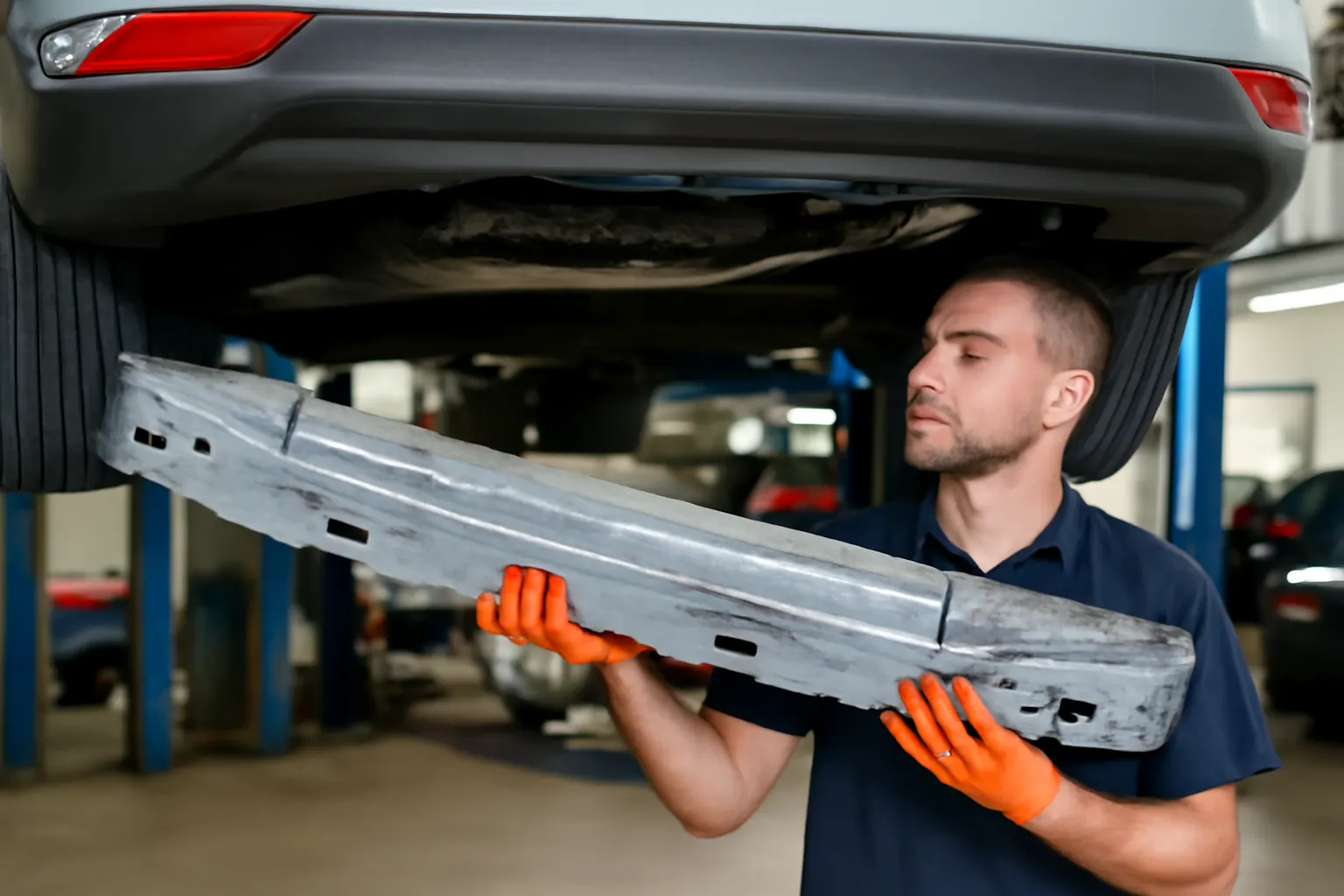
Rear Bumper Reinforcement Safety: Performance and Protection
Rear bumper reinforcement is a critical but often overlooked component in modern vehicles, directly tied to occupant safety and vehicle performance in the event of a collision. When functioning properly, rear bumper reinforcements absorb and distribute impact forces, reduce structural damage, and help prevent injuries. Understanding their safety role—and how to ensure your vehicle’s rear bumper reinforcement is up to the task—can make the difference between a minor repair and a major safety risk.
Read More
Preventing Rear Bumper Reinforcement Damage: Maintenance and Protection
Rear bumper reinforcements are a critical safety feature in modern vehicles, designed to absorb and distribute impact energy during collisions. Preventing damage to these components is essential for maintaining vehicle safety, minimizing repair costs, and ensuring compliance with federal safety standards. This comprehensive guide from AutoPartEx explains practical maintenance routines, proven damage prevention strategies, and thorough inspection techniques to help you extend the life of your rear bumper reinforcement and protect your vehicle’s occupants.
View Guide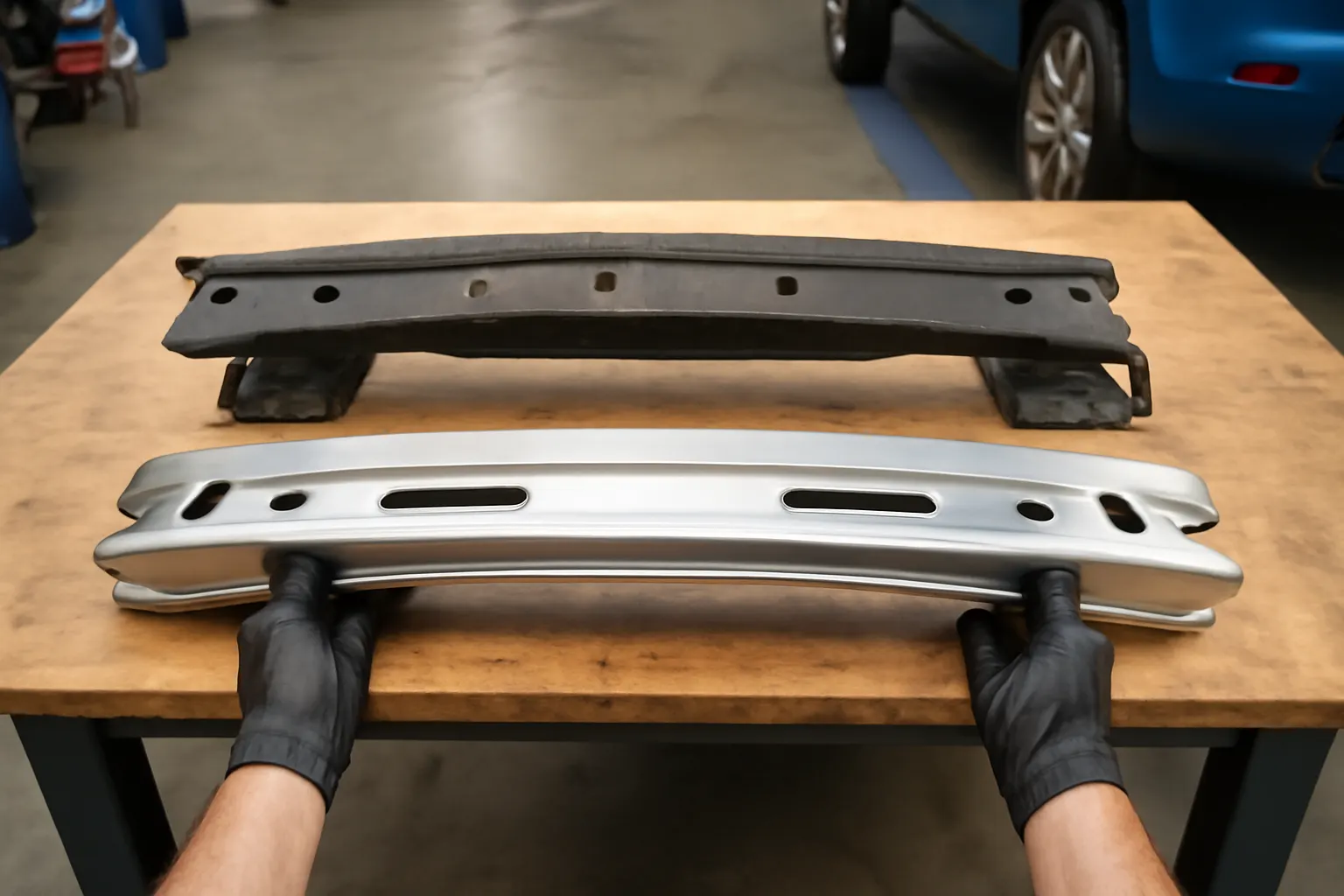
OEM vs Aftermarket Rear Bumper Reinforcement: Quality and Performance Comparison
When it comes to vehicle safety and collision protection, rear bumper reinforcement is a critical component. The choice between OEM (Original Equipment Manufacturer) and aftermarket rear bumper reinforcements can significantly affect your vehicle’s crashworthiness, durability, and even long-term maintenance costs. This comprehensive guide explores the technical, safety, and practical differences between OEM and aftermarket rear bumper reinforcements, so you can make an informed decision for your vehicle.
Read More