Advertisement
When it comes to vehicle safety and collision protection, rear bumper reinforcement is a critical component. The choice between OEM (Original Equipment Manufacturer) and aftermarket rear bumper reinforcements can significantly affect your vehicle’s crashworthiness, durability, and even long-term maintenance costs. This comprehensive guide explores the technical, safety, and practical differences between OEM and aftermarket rear bumper reinforcements, so you can make an informed decision for your vehicle. For a full range of options and manufacturer-specific details, visit the Rear Bumper Reinforcement | OEM Auto Parts | AutoPartEx.io category page.
Immediate Answer: OEM vs Aftermarket—Which Is Better for Rear Bumper Reinforcement?
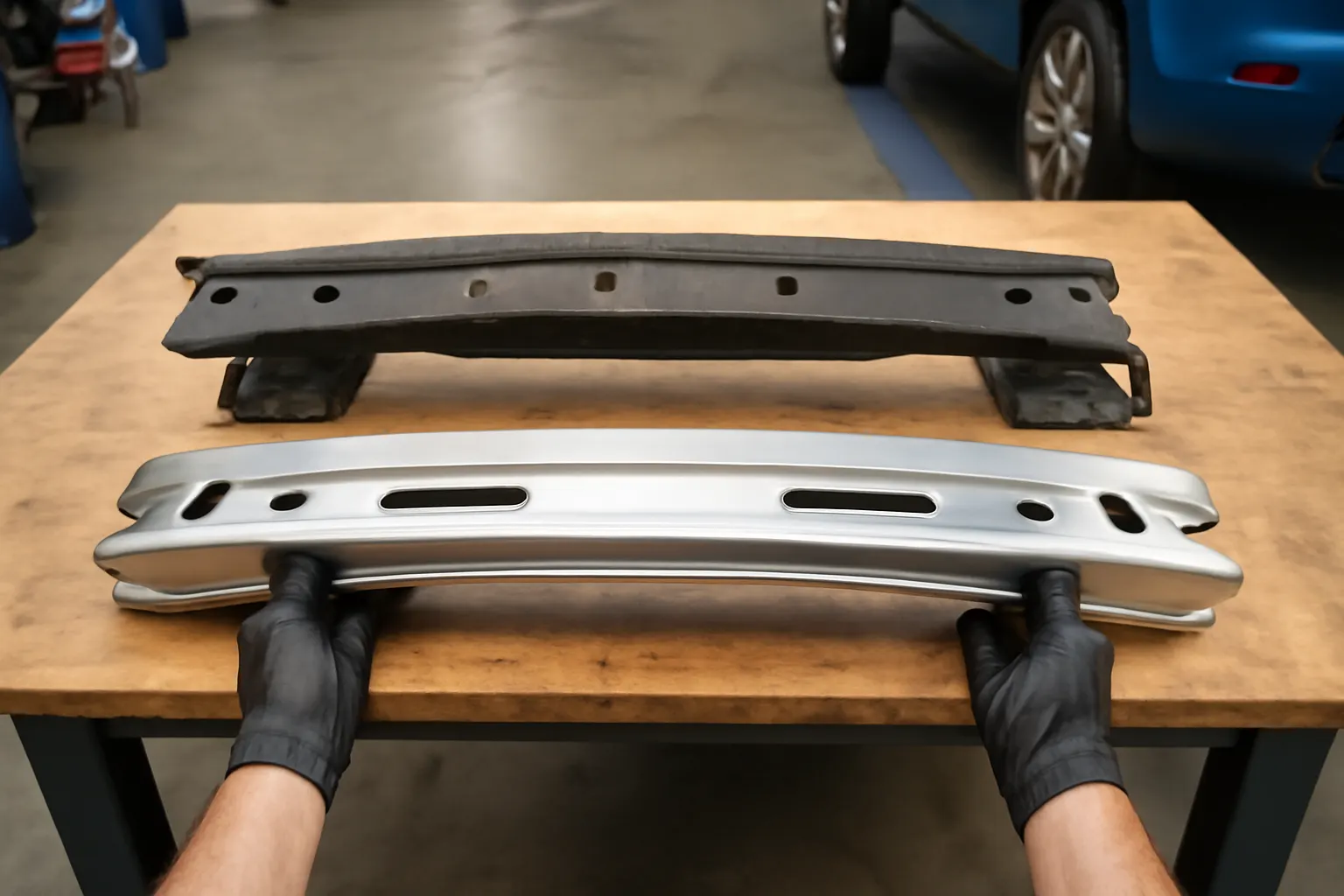
OEM rear bumper reinforcements are designed and manufactured to meet the exact specifications and safety standards of your vehicle’s original equipment. They typically guarantee precise fitment, performance, and compliance with regulatory crash standards. Aftermarket reinforcements, on the other hand, offer a wider range of price points and sometimes innovative materials or designs, but quality and fitment can vary widely between brands and batches.
In most cases, OEM rear bumper reinforcements provide superior assurance of safety, performance, and long-term durability. However, high-quality aftermarket options may offer competitive value if sourced from reputable manufacturers and installed correctly. The best choice depends on your vehicle, your safety priorities, your budget, and your willingness to research and verify part quality.
Hidden Problem: The Risks of Non-Standard Rear Bumper Reinforcement
Many vehicle owners and repair shops are tempted by the cost savings of aftermarket rear bumper reinforcements. However, not all aftermarket parts are created equal. Some lack the rigorous engineering, material quality, and crash testing that OEM parts undergo. Poorly designed or manufactured reinforcements can compromise the vehicle’s ability to absorb impact energy, potentially increasing injury risk in a collision and even affecting insurance coverage or resale value.
Additionally, the rear bumper reinforcement is not just a simple metal bar—it’s an engineered safety structure. Variations in material thickness, alloy composition, or mounting geometry can have major consequences for how energy is transferred and dissipated in a rear-end collision.
Deeper Technical Explanation: Structure, Materials, and Standards
Rear Bumper Reinforcement Function and Design
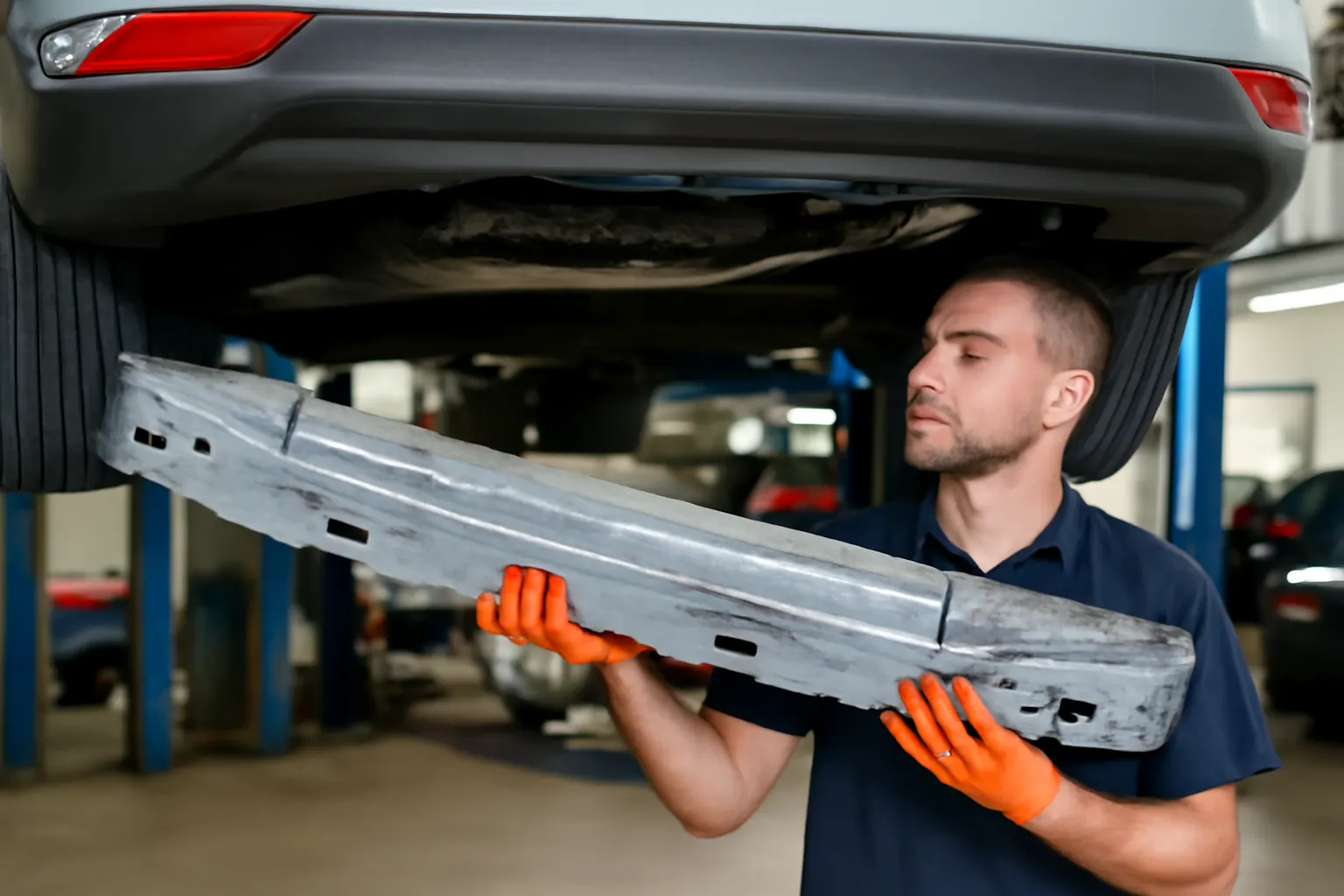
The rear bumper reinforcement is a structural component mounted behind the plastic bumper cover. Its primary function is to absorb and distribute impact forces during a collision, minimizing damage to the vehicle’s frame and reducing the risk of injury to occupants. Modern reinforcements are engineered to work in concert with crumple zones, sensors, and sometimes active safety systems.
Key design attributes:
- Material selection: High-strength steel, aluminum, or advanced composites, chosen for energy absorption and weight optimization (DOE Materials Technologies).
- Geometry: Shape and mounting points are engineered for specific impact profiles.
- Integration: Must align with sensors, mounting brackets, and crash energy management systems.
OEM Reinforcement: Engineering and Regulatory Compliance
OEM rear bumper reinforcements are developed by the vehicle manufacturer or a certified supplier. They are designed using CAD, FEA (finite element analysis), and real-world crash testing to meet strict federal safety standards (such as FMVSS, as enforced by the National Highway Traffic Safety Administration). OEM parts are also subject to continuous quality control and traceability.
Advantages:
- Guaranteed fitment and compatibility.
- Proven crash performance.
- Compliance with federal safety and equipment regulations.
Aftermarket Reinforcement: Variability and Considerations
Aftermarket rear bumper reinforcements are produced by independent manufacturers. Some are high-quality, engineered to meet or exceed OEM standards, while others may cut corners in material selection, thickness, or manufacturing tolerances.
Risks:
- Inconsistent quality between brands.
- Possible lack of comprehensive crash testing.
- Potential for improper fitment, affecting both safety and appearance.
- May not fully comply with OE safety standards or vehicle system integration.
Performance Comparison: Crash Safety, Durability, and Longevity
Crash Safety
Crash safety is the ultimate test for any reinforcement. OEM parts are tested as part of the complete vehicle system, ensuring optimal energy absorption and occupant protection. Aftermarket parts may not undergo the same rigorous crash simulations or real-world tests.
Advertisement
Key safety factors:
- Energy absorption: Ability to deform as designed, reducing force transferred to occupants.
- Mounting integrity: Maintains attachment to the vehicle during impact.
- Compatibility: Works with other safety systems (e.g., sensors, airbags).
Durability and Corrosion Resistance
OEM reinforcements often use advanced coatings or galvanization to resist corrosion, especially in harsh climates. Aftermarket parts may skimp on protective coatings, leading to premature rust, structural weakening, or even failure in a subsequent collision.
Checklist: Durability and Corrosion Resistance
- Is the reinforcement galvanized or coated for rust protection?
- Are welds and mounting points robust and corrosion-resistant?
- Does the manufacturer provide data on salt spray or environmental testing?
- Is the part compatible with your vehicle’s original mounting hardware?
Longevity
A properly engineered and coated OEM reinforcement can last the lifetime of the vehicle. Aftermarket longevity depends on material quality, manufacturing processes, and environmental exposure. Cheaper parts may fail early, requiring additional repairs or replacements.
Installation Considerations: Fitment, Tools, and Time
OEM Fitment
OEM rear bumper reinforcements are designed for bolt-on installation with factory hardware. Installers can expect a precise fit, correct alignment with bumper covers and sensors, and no need for modification.
Aftermarket Fitment
Aftermarket reinforcements may require adjustment, shimming, or even minor fabrication to achieve proper fit. Mounting holes may be slightly misaligned, or the part may interfere with sensors or other components. Poor fitment can compromise both appearance and safety.
Installation Checklist:
- Verify part number and compatibility with your vehicle’s make, model, and year.
- Inspect mounting points for alignment.
- Test fit before final installation.
- Ensure all fasteners are torqued to manufacturer specs.
- Reconnect and test any integrated sensors or wiring.
Tools and Time
Both OEM and high-quality aftermarket reinforcements are typically bolt-on installations, requiring basic hand tools (ratchets, sockets, screwdrivers). However, extra time may be needed to address fitment issues with aftermarket parts, and you may need specialty fasteners or shims.
Regulatory and Safety Standards
Federal Motor Vehicle Safety Standards (FMVSS) and NHTSA Regulations
OEM reinforcements are engineered to comply with FMVSS and are subject to recall and defect reporting through the NHTSA. Aftermarket parts are not always required to meet the same standards, though reputable manufacturers may voluntarily test their products to SAE or other industry benchmarks (SAE Standards).
Insurance and Liability Considerations
Some insurance policies may require use of OEM parts for repairs, especially on newer vehicles. Use of non-OEM reinforcements could affect claims or future coverage. Always check with your insurer before making a decision.
Material Technologies: Weight, Strength, and Vehicle Efficiency
Material Selection in OEM Reinforcements
OEMs increasingly use lightweight, high-strength materials such as advanced high-strength steel (AHSS) and aluminum alloys to optimize safety and fuel efficiency (DOE Materials Technologies). These materials provide necessary crash energy absorption while minimizing added weight.
Aftermarket Material Choices
Aftermarket parts may use similar materials, but some lower-cost options use basic steel or thinner gauge metal, which can reduce both weight and crash performance. Verify material specifications before purchasing.
Impact on Vehicle Efficiency
While the rear bumper reinforcement is a small contributor to overall vehicle weight, suboptimal materials or excessive weight can slightly affect fuel efficiency, especially in lightweight vehicles (DOE Fuel Efficiency).
Diagnosing Rear Bumper Reinforcement Issues
Signs of Damage or Poor Fit
- Visible deformation or rust on the reinforcement bar.
- Misaligned bumper cover or gaps after installation.
- Unusual rattling or noise from the rear after a minor collision.
- Warning lights or sensor errors (if sensors are integrated).
Inspection Process
- Remove the rear bumper cover.
- Visually inspect the reinforcement for bends, cracks, or corrosion.
- Check mounting brackets and hardware for damage or looseness.
- Test fit new reinforcement (OEM or aftermarket) before final installation.
For more detailed diagnostic and replacement steps, see our Rear Bumper Reinforcement Replacement: Installation and Safety Guide.
Advertisement
Sourcing and Buying Guidance: What to Look For
OEM Sourcing
- Purchase from a dealership, certified OE parts supplier, or reputable online retailer.
- Confirm part numbers and vehicle compatibility.
- Ask about crash test data and warranty coverage.
Aftermarket Sourcing
- Research brands for reputation, quality control, and customer reviews.
- Request technical data sheets or test results if available.
- Avoid parts with vague material specifications or “universal fit” claims.
- Look for certifications (e.g., CAPA, NSF) where applicable.
Buying Checklist:
- Confirm fitment for your vehicle’s year, make, and model.
- Verify material and coating specifications.
- Check for compliance with safety or industry standards.
- Ask about warranty or return policy.
- Review installation instructions for clarity and completeness.
Maintenance and Protection: Extending the Life of Your Reinforcement
Maintenance Tips
- Periodically inspect for rust, especially after winter or exposure to road salt.
- Touch up or reapply protective coatings if necessary.
- Ensure mounting hardware remains tight and corrosion-free.
Preventing Damage
- Avoid rear impacts by practicing safe parking and driving.
- Consider adding a rear bumper guard or protective film.
- Address any minor collisions or deformations promptly to maintain crash safety.
For more tips, read Preventing Rear Bumper Reinforcement Damage: Maintenance and Protection.
Cost Comparison: Upfront and Long-Term Value
Upfront Costs
- OEM: Generally higher initial cost due to engineering, materials, and regulatory compliance.
- Aftermarket: Lower prices, with greater variation depending on brand and quality.
Long-Term Value
- OEM parts often provide better long-term value by reducing the risk of costly repairs, insurance issues, or repeated replacements.
- Substandard aftermarket parts can result in hidden costs from poor fitment, premature failure, or reduced crash safety.
Resale Considerations
- Vehicles repaired with OEM parts may retain higher resale value, as buyers and dealers trust the quality and safety.
- Documentation of high-quality aftermarket parts can help, but unbranded or low-quality parts may detract from value.
Common Myths and Misconceptions
Myth 1: All Aftermarket Parts Are Lower Quality
Reality: Some aftermarket brands invest heavily in engineering and testing, producing reinforcements that match or exceed OEM standards. The key is to research and select reputable manufacturers.
Myth 2: OEM Parts Are Always Better
Reality: While OEM parts set the standard for fitment and compliance, some aftermarket reinforcements use advanced materials or improved designs. However, verification is crucial.
Myth 3: Fitment Is the Only Concern
Reality: Crash performance, corrosion resistance, and integration with vehicle systems are just as important as physical fitment.
When to Choose OEM vs Aftermarket: Decision Matrix
| Scenario | Recommended Choice | Rationale |
|---|---|---|
| Newer vehicle, under warranty | OEM | Maintains warranty, ensures compliance |
| Older vehicle, budget-conscious repair | Quality Aftermarket | Acceptable if brand is reputable, fitment is precise |
| Performance or safety is top priority | OEM or Premium Aftermarket | Prioritize proven crash protection |
| Insurance-covered repair | OEM (unless specified) | Most insurers prefer OEM for liability and value |
| Vehicle with advanced sensors | OEM or Certified Aftermarket | Ensures proper integration and function |
Solution Path: Making the Right Choice for Your Vehicle
- Assess your priorities: Is crash safety, insurance compliance, or cost your main concern?
- Research part options: Use trusted sources, technical data, and customer reviews.
- Verify fitment and specifications: Check part numbers, materials, and mounting compatibility.
- Consult with professionals: Mechanics and body shops can offer real-world insight on part quality and fitment.
- Document your choice: Keep receipts and installation records for insurance or resale purposes.
Expert Action: Partner with AutoPartEx for Trusted Rear Bumper Reinforcement Solutions
Choosing the right rear bumper reinforcement is critical to your vehicle’s safety and value. At AutoPartEx, we provide transparent, technical information and a curated selection of OEM and premium aftermarket reinforcements. Our Rear Bumper Reinforcement | OEM Auto Parts | AutoPartEx.io page offers a comprehensive catalog, while our editorial resources—like Rear Bumper Reinforcement Safety: Performance and Protection—help you understand the stakes and make informed decisions.
Don’t compromise on safety or performance. Whether you’re a DIY enthusiast, a collision repair professional, or a vehicle owner seeking peace of mind, AutoPartEx is your resource for quality parts, technical guidance, and up-to-date industry standards.
References
Advertisement