Advertisement
Rear bumper reinforcement is a critical but often overlooked component in modern vehicles, directly tied to occupant safety and vehicle performance in the event of a collision. When functioning properly, rear bumper reinforcements absorb and distribute impact forces, reduce structural damage, and help prevent injuries. Understanding their safety role—and how to ensure your vehicle’s rear bumper reinforcement is up to the task—can make the difference between a minor repair and a major safety risk. This comprehensive guide from AutoPartEx details the real-world performance and protection delivered by rear bumper reinforcements, the hidden hazards of neglect, and the best practices for inspection, replacement, and ongoing maintenance.
If you’re seeking OEM-verified rear bumper reinforcement parts or want to confirm compatibility for your vehicle, visit the Rear Bumper Reinforcement | OEM Auto Parts | AutoPartEx.io category page for direct fitment options and technical resources.
The Immediate Answer: Why Rear Bumper Reinforcement Matters
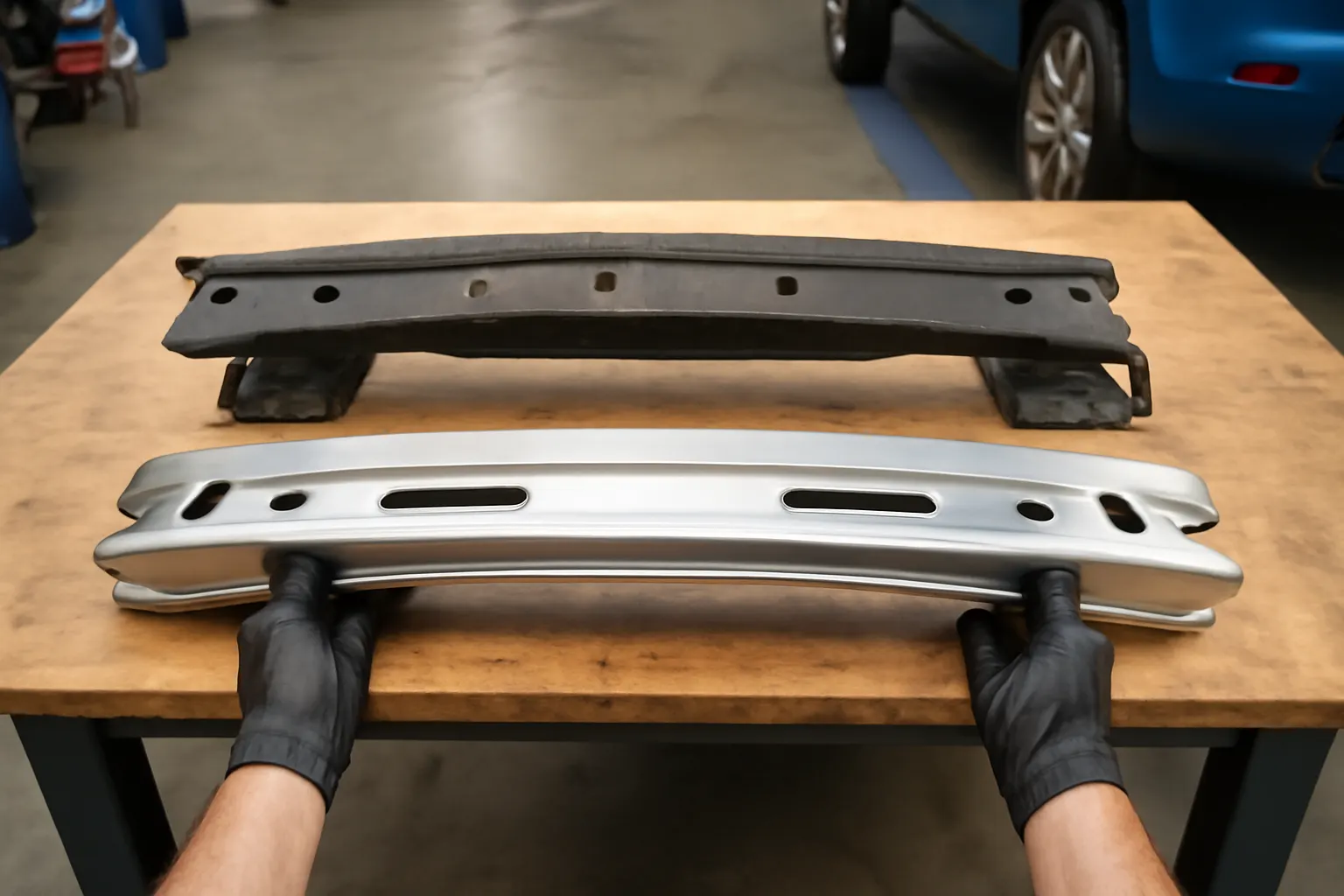
Rear bumper reinforcements are structural elements, typically made from high-strength steel, aluminum, or advanced composites, installed behind the visible bumper cover. Their primary function is to absorb and dissipate kinetic energy during rear-end collisions, minimizing damage to the vehicle’s frame and critical components—and most importantly, reducing the risk of injury to occupants.
Key safety roles include:
- Impact absorption: Converts and spreads the force of a crash to prevent intrusion into the passenger compartment.
- Protection of vital components: Shields the fuel system, trunk, and rear-mounted electronics.
- Crash energy management: Works with crumple zones to optimize vehicle deformation patterns, protecting both the car and its occupants.
Without a properly functioning rear bumper reinforcement, even a minor collision can result in severe structural damage or increased injury risk.
The Hidden Problem: When Rear Bumper Reinforcement Fails
Many drivers are unaware that their rear bumper reinforcement may be compromised. Unlike visible damage to bumper covers, issues with the reinforcement structure are often hidden until a collision occurs. Common hidden problems include:
- Corrosion or rust: Especially in regions with road salt or moisture, steel reinforcements can corrode, reducing strength.
- Previous collision damage: Even after a minor accident, the reinforcement may be bent, cracked, or weakened.
- Material fatigue: Over time, repeated minor impacts or stress can degrade the structural integrity of the part.
- Improper repairs: Use of substandard parts or incorrect installation methods can leave the reinforcement ineffective.
The consequences can be severe: a weakened reinforcement might not absorb impact as designed, leading to greater vehicle damage, increased repair costs, and higher risk of injury during a crash.
Problem Expansion: Safety, Performance, and Regulatory Context
Safety Standards and Legal Requirements
Rear bumper reinforcements are subject to strict safety standards. In the United States, the National Highway Traffic Safety Administration (NHTSA) sets forth regulations that require rear impact protection devices to meet specific energy absorption and structural integrity criteria. These standards are designed to:
- Ensure occupant protection in low- and moderate-speed collisions.
- Minimize damage to the vehicle structure and critical systems.
- Standardize safety performance across manufacturers and models.
Failure to comply with these standards can result in manufacturer recalls and legal liabilities. For consumers, relying on non-compliant or poorly designed reinforcements can undermine the vehicle’s crashworthiness (NHTSA Equipment).
Materials and Technological Advances
Advancements in materials science have led to the use of high-strength, lightweight metals and composites in bumper reinforcement manufacturing. According to the U.S. Department of Energy, modern reinforcements use:
- Advanced high-strength steels (AHSS): Provide exceptional energy absorption with reduced weight.
- Aluminum alloys: Offer corrosion resistance and weight savings for improved fuel efficiency.
- Composites: Increasingly used for their tunable strength-to-weight ratio and impact performance (DOE Materials Technologies).
The choice of material directly affects the reinforcement’s ability to perform its safety function.
Technical Deep Dive: How Rear Bumper Reinforcement Works
Structural Design and Placement
A rear bumper reinforcement is mounted directly behind the external bumper cover, spanning the width of the vehicle. Its design typically includes:
- Main beam: The primary load-bearing element, engineered to deform in a controlled manner under impact.
- Mounting brackets: Attach the reinforcement securely to the vehicle’s frame rails.
- Energy absorbers: Foam or honeycomb inserts between the reinforcement and cover, further dissipating energy.
Advertisement
Impact Management
During a rear-end collision, the sequence of protection is as follows:
- Bumper cover absorbs initial contact and minor impacts.
- Energy absorbers compress to cushion the blow.
- Reinforcement beam deforms to absorb and spread the remaining crash energy.
- Frame rails and crumple zones engage if the impact is severe.
This layered approach prevents direct transmission of force to the passenger compartment, protecting occupants and critical vehicle systems.
Common Failure Modes and Diagnostic Signs
Recognizing when a rear bumper reinforcement may be compromised is essential for safety. Here are the most frequent failure modes and their diagnostic signs:
1. Corrosion and Rust
- Visual cues: Flaking paint, bubbling, or visible rust on the reinforcement (if accessible).
- Symptoms: Reduced structural integrity, especially in steel components.
2. Collision or Impact Damage
- Visual cues: Bent, cracked, or deformed reinforcement visible upon bumper cover removal.
- Symptoms: Misaligned bumper cover, trunk closure issues, or unusual gaps.
3. Material Fatigue
- Visual cues: Cracks or stress marks, especially near mounting points.
- Symptoms: Squeaks, rattles, or looseness in the bumper assembly.
4. Poor Fitment or Installation
- Visual cues: Uneven gaps, loose fasteners, or non-OEM parts.
- Symptoms: Reduced crash performance, increased vibration, or part failure during minor impacts.
If any of these signs are present, immediate inspection and possible replacement are advised.
Inspection Checklist: Assessing Rear Bumper Reinforcement Condition
Use this checklist to evaluate the condition of your rear bumper reinforcement:
| Inspection Step | What to Look For | Action if Issue Found |
|---|---|---|
| Remove bumper cover | Access reinforcement | Proceed with inspection |
| Check for visible corrosion or rust | Flaking, bubbling, or pitting | Clean, treat, or replace |
| Inspect for deformation or cracks | Bends, dents, or cracks | Replace reinforcement |
| Examine mounting brackets and bolts | Tightness, corrosion, or damage | Tighten or replace as needed |
| Assess energy absorber condition | Compression, cracks, or missing | Replace absorber |
| Verify part number and compatibility | OEM markings and fit | Use correct replacement part |
Regular inspection—especially after any rear impact or during routine maintenance—ensures your vehicle’s safety systems are uncompromised.
Replacement Guidance: Choosing the Right Rear Bumper Reinforcement
Selecting the proper replacement reinforcement is crucial for restoring full safety performance. Here’s what to consider:
OEM vs. Aftermarket
- OEM (Original Equipment Manufacturer): Designed and tested to meet or exceed the original vehicle specifications. Offers the highest assurance of fit, finish, and crash performance.
- Aftermarket: Can vary widely in quality. Some meet or exceed OEM standards, while others may compromise safety for cost savings.
For a detailed comparison, see OEM vs Aftermarket Rear Bumper Reinforcement: Quality and Performance Comparison.
Material and Construction
- Match original material: Ensure replacement matches the original’s steel, aluminum, or composite construction.
- Check certifications: Look for parts tested to SAE or NHTSA standards.
Fitment and Compatibility
- Vehicle-specific: Confirm part numbers and fitment for your make, model, and year.
- Mounting hardware: Replace any damaged or corroded brackets and fasteners.
When in doubt, consult your vehicle’s service manual or a trusted parts supplier.
Installation Best Practices for Rear Bumper Reinforcement
Proper installation is essential for safety. Even the best part will not perform if installed incorrectly.
Step-by-Step Installation Overview
- Disconnect battery: Prevent accidental airbag deployment or electrical issues.
- Remove rear bumper cover: Carefully detach fasteners and clips, avoiding damage.
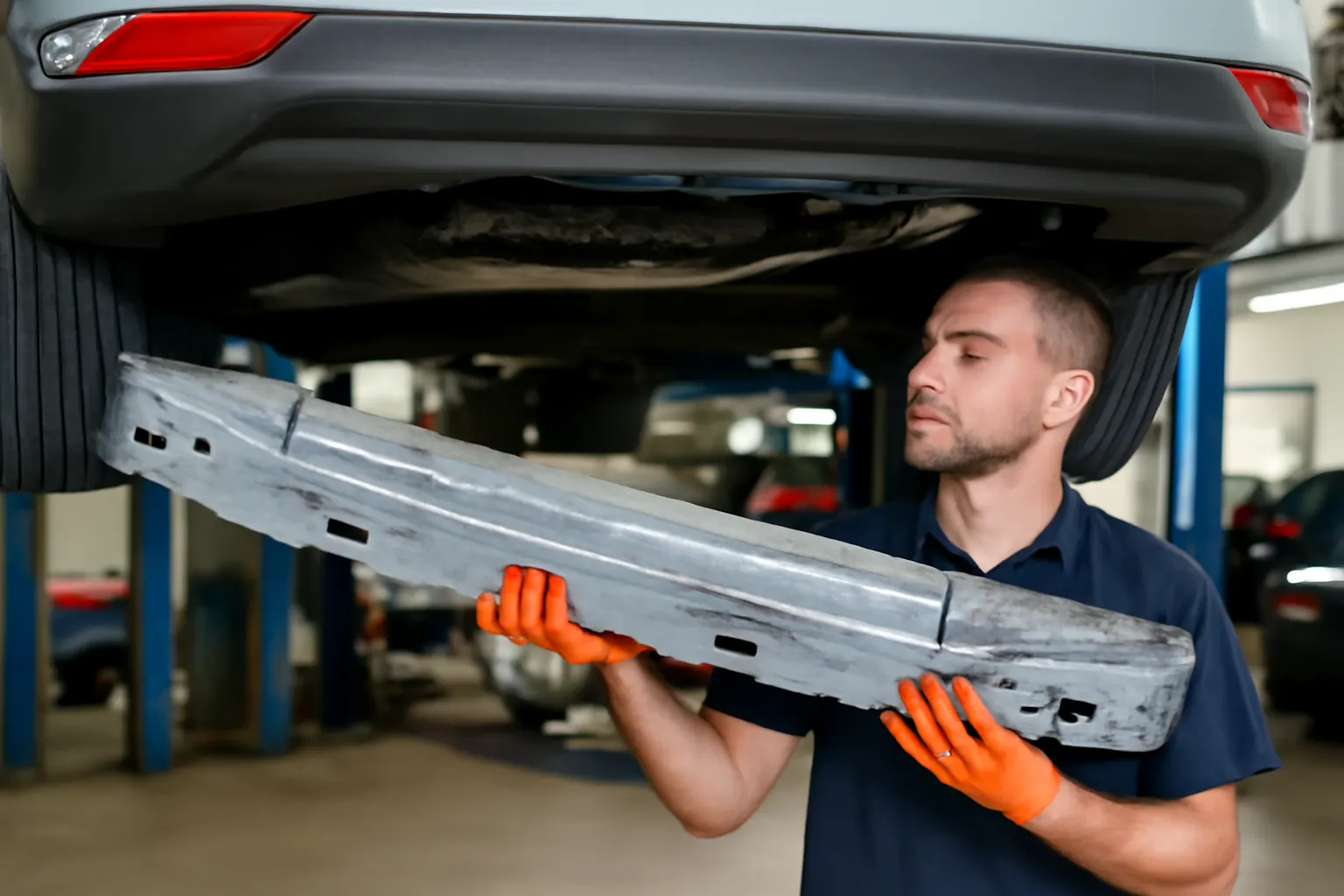
- Unbolt and remove old reinforcement: Inspect for rust or hidden damage.
- Prepare mounting surfaces: Clean and treat for corrosion; check for frame damage.
- Install new reinforcement: Align precisely, torque bolts to manufacturer specs.
- Reinstall energy absorbers and bumper cover: Ensure all clips and fasteners are secure.
- Test fit and alignment: Check for even gaps and proper trunk operation.
Common Installation Errors
- Using incorrect torque settings (can lead to loosening or frame stress).
- Failing to replace damaged energy absorbers or mounting hardware.
- Neglecting to treat rust on mounting points, leading to future corrosion.
For a complete, step-by-step illustrated guide, refer to Rear Bumper Reinforcement Replacement: Installation and Safety Guide.
Maintenance and Protection: Maximizing Rear Bumper Reinforcement Longevity
Routine maintenance can extend the life and effectiveness of your rear bumper reinforcement.
Advertisement
Preventive Strategies
- Regular inspections: Check for signs of rust or damage, especially after minor impacts.
- Protective coatings: Apply rust inhibitors or anti-corrosion sprays on exposed steel.
- Keep drainage clear: Ensure trunk and rear body drains are unobstructed to prevent water accumulation.
- Avoid overloading trunk: Excess weight can stress mounting points and hardware.
Post-Impact Protocol
After any rear-end collision, however minor, always:
- Inspect the reinforcement for deformation or cracks.
- Replace any compromised mounting brackets or fasteners.
- Reinstall energy absorbers as needed.
For more tips, see Preventing Rear Bumper Reinforcement Damage: Maintenance and Protection.
Buying Guide: Sourcing Reliable Rear Bumper Reinforcement Parts
When sourcing a replacement reinforcement, prioritize safety and performance over cost.
Where to Buy
- Authorized dealerships: Offer guaranteed OEM parts and compatibility.
- Reputable online suppliers: Such as AutoPartEx, which vets all parts for quality and fitment.
- Certified aftermarket brands: Look for SAE or NHTSA compliance.
What to Avoid
- Unbranded or generic parts with no certification.
- Used reinforcements from salvage vehicles—these may have hidden damage or fatigue.
- Parts with poor reviews or unclear fitment data.
AutoPartEx Advantage
AutoPartEx provides a curated selection of OEM and top-rated aftermarket rear bumper reinforcements, complete with technical specifications, compatibility checks, and installation resources. Start your search at the Rear Bumper Reinforcement | OEM Auto Parts | AutoPartEx.io page.
Recalls and Regulatory Safety Notices
Rear bumper reinforcements are sometimes subject to manufacturer recalls due to design flaws, material defects, or inadequate crash performance. It’s vital to check your vehicle’s VIN for active recalls, especially if you notice any of the following:
- Reports of premature corrosion or cracking.
- Manufacturer communications about crash performance.
- NHTSA safety notices involving your make and model.
To check for recalls, visit the NHTSA Recalls Database and enter your vehicle’s information.
Rear Bumper Reinforcement in Crash Performance: Real-World Outcomes
The effectiveness of rear bumper reinforcements has been demonstrated in numerous crash tests and real-world accidents. Key findings include:
Advertisement
- Vehicles with properly designed and maintained reinforcements show significantly reduced trunk intrusion and lower repair costs after low-speed impacts.
- Occupant injury risk is directly correlated with the structural integrity of the rear bumper system.
- Modern reinforcements, when paired with energy absorbers and designed crumple zones, can prevent fuel system breaches and protect rear-seat passengers.
These outcomes underscore the importance of regular inspection, prompt replacement, and adherence to OEM specifications.
Integrating Rear Bumper Reinforcement with Other Safety Systems
Rear bumper reinforcements are not standalone components; they work in concert with:
- Crumple zones: Engineered to deform in a controlled way, working with the reinforcement to manage crash energy.
- Rear sensors and cameras: Often mounted near or on the reinforcement, requiring careful handling during replacement.
- Advanced driver assistance systems (ADAS): Some vehicles integrate radar or lidar modules into the rear structure.
When servicing or replacing the reinforcement, ensure all related systems are checked and recalibrated as needed.
The Cost of Neglect: Risks of Ignoring Rear Bumper Reinforcement Issues
Overlooking rear bumper reinforcement maintenance or replacement can lead to:
- Greater vehicle damage: Minor collisions may result in major repairs if the reinforcement fails.
- Increased injury risk: Occupants are more vulnerable to whiplash, trunk intrusion, or fuel system compromise.
- Insurance complications: Claims may be denied if non-compliant or visibly damaged parts contributed to injury or loss.
- Regulatory non-compliance: Vehicles may fail safety inspections or become subject to mandatory recalls.
The modest investment in inspection and replacement pays dividends in safety, peace of mind, and long-term vehicle value.
AutoPartEx: Your Partner in Rear Bumper Reinforcement Safety
At AutoPartEx, we understand the critical role that rear bumper reinforcements play in your vehicle’s safety and performance. Our technical experts rigorously vet every part for compliance, fitment, and real-world durability. Whether you’re seeking a direct OEM replacement or a high-quality aftermarket solution, our resources guide you through selection, installation, and maintenance.
Explore our Rear Bumper Reinforcement | OEM Auto Parts | AutoPartEx.io page for in-depth technical data, compatibility tools, and expert support. For installation assistance or advanced troubleshooting, our editorial team is ready to help you maximize your safety investment.
Conclusion: Make Rear Bumper Reinforcement a Safety Priority
Rear bumper reinforcement is more than just a hidden metal bar—it’s a frontline defender of your safety and your vehicle’s structural integrity. Regular inspection, timely replacement, and selection of certified parts are essential to ensuring your car performs as designed in a rear-end collision. Don’t let unseen damage or substandard components compromise your protection. Trust AutoPartEx and stay proactive about rear bumper reinforcement safety.
References
Advertisement