
Rear Bumper Reinforcement/Misc
Rear Bumper Reinforcement/Misc: Selection, Function, and Evidence
Rear bumper reinforcement components are often overlooked until an accident or inspection reveals their importance. This guide explores what buyers and owners should know about these parts, including how to identify quality replacements, understand their function, and use available evidence to make informed decisions. Whether you’re facing a repair or simply want to be prepared, understanding the role and selection of rear bumper reinforcement parts can help ensure your vehicle’s safety and performance.
Showing 1–8 of 274 products


More Rear Bumper Reinforcement/Misc options
Filtering for Rear Bumper Reinforcement/MiscBrowse nearby inventory for this category without leaving the page. Use search to filter by price, part number, or city.
No Data Available
Please check back soon when more inventory is available for this part.
Rear Bumper Reinforcement/Misc: Selection, Function, and Evidence
Why Rear Bumper Reinforcement Deserves More Attention
Many vehicle owners rarely think about their rear bumper reinforcement until something goes wrong. These components are hidden behind the bumper cover, quietly performing a crucial role in absorbing impact energy during collisions. Because they are not visible during routine checks, their condition and importance can be underestimated. The assumption that all bumper reinforcements are the same or that any replacement will suffice can lead to overlooked safety risks and unnecessary costs down the line. Recognizing the subtle signs of wear or damage, and understanding the options available, can make a significant difference in both vehicle safety and repair outcomes.
A common misconception is that the rear bumper reinforcement is simply a piece of metal or plastic that does not require much consideration. In reality, its design and material composition are engineered specifically for each vehicle model to meet stringent safety standards. Overlooking these details can result in improper fitment, reduced crash protection, or even complications with insurance claims after an accident. Vehicle owners may also be unaware that not all replacement parts—especially those sourced from salvage yards or aftermarket suppliers—offer the same level of performance as the original equipment.
It’s easy to focus on visible damage to the bumper cover after a minor collision, but the reinforcement structure beneath may have absorbed significant force and sustained hidden damage. Failing to inspect or replace a compromised reinforcement can leave a vehicle vulnerable in future impacts. As vehicles become more complex, with sensors and advanced materials integrated into bumper assemblies, the choice of reinforcement part becomes even more critical. Taking a proactive approach to understanding and maintaining this component can help avoid costly mistakes and ensure optimal safety for all vehicle occupants.

Understanding the Risks and Technical Context
Rear bumper reinforcements are engineered to absorb and dissipate energy during rear-end collisions, protecting both the vehicle’s structure and its occupants. When these parts are damaged or improperly replaced, the risk of injury and further vehicle damage increases significantly. The reinforcement acts as a buffer, preventing the force of an impact from reaching critical areas like the fuel tank, trunk, or rear suspension. If the reinforcement is missing, corroded, or poorly fitted, even a minor collision can cause disproportionate harm. This risk is compounded in vehicles with advanced safety systems, where the integrity of the bumper assembly affects sensor calibration and airbag deployment.
It’s important to recognize that not all rear bumper reinforcements are created equal. Manufacturers design these components to meet specific crash performance standards for each model year and trim. Variations in material, thickness, and mounting points mean that a part from one vehicle may not be suitable for another, even within the same brand. Using an incompatible or substandard reinforcement can compromise the vehicle’s crashworthiness and may even violate safety regulations. This is particularly relevant for owners considering salvage or aftermarket replacements, where documentation and quality assurance may be limited.
The process of diagnosing rear bumper reinforcement issues is not always straightforward. Damage may not be visible from the outside, especially if the bumper cover remains intact. After any rear-end collision, even at low speeds, it is essential to inspect the reinforcement for cracks, bends, or other deformations. Some signs, such as misaligned bumper covers or unusual noises from the rear of the vehicle, may indicate underlying problems. Professional assessment is often required to determine whether the reinforcement needs repair or replacement, as hidden damage can compromise future crash performance.
In addition to collision-related damage, rear bumper reinforcements can suffer from corrosion or fatigue over time, especially in regions with harsh weather or road salt. Rust can weaken the structure, reducing its ability to absorb impact energy. Regular inspection and maintenance are crucial, particularly for older vehicles or those exposed to challenging environmental conditions. Owners should be aware that preventive measures, such as cleaning and applying protective coatings, can extend the life of the reinforcement and help maintain vehicle safety.
Choosing the right replacement part involves more than matching the appearance or basic dimensions. Vehicle manufacturers often update reinforcement designs to improve crash performance or accommodate new features. As a result, even parts that look similar may differ in critical ways. Owners should consult their vehicle’s service manual and seek parts that meet or exceed original equipment specifications. When in doubt, professional advice or a second opinion can help ensure the correct part is selected and installed, minimizing the risk of future issues.
Finally, it’s essential to understand the broader context of vehicle safety and regulatory compliance. The National Highway Traffic Safety Administration (NHTSA) oversees recalls and defect investigations related to vehicle components, including bumper reinforcements. While a recall is not proof that a specific vehicle or part is defective, staying informed about safety notices and manufacturer communications can help owners address potential risks promptly. Regularly checking for recalls using the vehicle identification number (VIN) is a proactive step in maintaining both safety and compliance.
Practical Steps for Selection, Diagnosis, and Replacement
When addressing rear bumper reinforcement issues, start by obtaining a thorough inspection after any rear-end collision, regardless of apparent damage. A qualified technician should remove the bumper cover to visually and physically assess the reinforcement for cracks, bends, or corrosion. If you suspect hidden damage, request a detailed written estimate that identifies the condition to be repaired, the parts needed, and anticipated labor charges. This documentation is essential for insurance claims and future reference. The Federal Trade Commission (FTC) recommends comparing estimates from multiple shops, especially for complex or expensive repairs, to ensure fair pricing and accurate diagnosis FTC: Auto Repair Basics.
Selecting the correct replacement part requires careful attention to compatibility and quality. Begin by referencing your vehicle’s service manual or parts catalog to identify the exact part number and specifications for your model and year. If you are considering a salvage or aftermarket part, verify that it matches the original equipment in terms of material, mounting points, and crash performance standards. Ask the seller for documentation or certification, and inquire about the part’s history if it is used. For vehicles with advanced driver-assistance systems, confirm that the reinforcement is compatible with any integrated sensors or wiring harnesses.
When comparing new, remanufactured, and salvage options, weigh the benefits and trade-offs. New parts typically offer the highest assurance of quality and compatibility, but may come at a higher cost. Remanufactured or rebuilt parts can provide a balance between price and performance, provided they have been properly restored and tested. Salvage parts are the most affordable but carry greater risk, as their history and structural integrity may be uncertain. The FTC advises consumers to understand the distinction between these categories and to request a completed repair order listing the work performed, parts used, and costs incurred FTC: Auto Repair Basics.
Installation of the rear bumper reinforcement should be performed by a technician experienced with your vehicle’s make and model. Improper installation can lead to misalignment, rattling, or reduced crash protection. Ask the repair shop about their familiarity with your specific vehicle and whether they follow manufacturer guidelines for torque specifications and fastener replacement. For vehicles with advanced safety features, calibration of sensors and cameras may be required after installation. Document the repair process with photographs and retain all receipts for future reference, especially if warranty coverage or resale value is a concern.
After replacement, inspect the fit and finish of the bumper assembly. The bumper cover should align evenly with adjacent panels, and there should be no gaps or loose fittings. Test all rear sensors, lights, and safety systems to ensure proper function. If you notice any unusual noises or movement when driving over bumps, return to the repair shop for adjustment. Periodic inspection of the reinforcement is recommended, particularly after minor impacts or exposure to harsh conditions. Preventive maintenance, such as cleaning and rust protection, can extend the life of the component and help maintain vehicle safety Preventing Rear Bumper Reinforcement/Misc Damage: Maintenance and Protection.
When evaluating OEM versus aftermarket reinforcements, consider factors such as material quality, fitment, and manufacturer reputation. OEM parts are designed to meet the original crash performance standards and are often preferred for newer vehicles or those under warranty. Aftermarket parts may offer cost savings, but quality can vary significantly. Consult independent reviews, and ask the seller about testing and certification. Some aftermarket suppliers provide detailed documentation and crash test data, which can help inform your decision OEM vs Aftermarket Rear Bumper Reinforcement/Misc: Quality and Performance Comparison.
If you suspect your vehicle may be subject to a recall involving the rear bumper reinforcement, use the NHTSA VIN lookup tool to check for open recalls. This tool provides information on whether your specific vehicle requires a recall repair, as well as details on the remedy offered by the manufacturer NHTSA: Vehicle Recalls. Keep in mind that not all recalls are published immediately, and coverage may vary by manufacturer and vehicle age. Register your vehicle with NHTSA or the manufacturer to receive timely safety notifications.
Ultimately, the key to effective rear bumper reinforcement maintenance and replacement is proactive research and documentation. Keep records of all inspections, repairs, and parts used. Seek out reputable suppliers and repair shops, and do not hesitate to ask questions about part quality, compatibility, and warranty coverage. By following these practical steps and leveraging available resources, you can ensure that your vehicle remains safe, compliant, and ready to withstand future impacts.
Published Evidence and Comparison Guidance
The Federal Trade Commission’s guidance on auto repair emphasizes the importance of obtaining a written repair estimate that clearly identifies the condition to be repaired, the parts needed, and anticipated labor charges. This recommendation is particularly relevant for rear bumper reinforcement repairs, where hidden damage may not be immediately apparent. The FTC also advises consumers to seek a second opinion for expensive or complicated repairs and to verify the technician’s experience with the specific make and model FTC: Auto Repair Basics. While this guidance does not provide technical specifications for any particular vehicle or part, it establishes the value of documentation and comparison when selecting a repair solution.
The FTC distinguishes between new, remanufactured, and salvage parts, noting that salvage parts are taken from other vehicles without alteration. This distinction is crucial for rear bumper reinforcements, as the structural integrity and crash performance of a used part may be uncertain. The FTC’s advice to get a completed repair order listing all work performed, parts used, and costs incurred helps ensure transparency and accountability in the repair process. This guidance supports a careful, evidence-based approach to part selection and installation, rather than relying solely on visual inspection or seller claims FTC: Auto Repair Basics.
The National Highway Traffic Safety Administration (NHTSA) provides a comprehensive recall database that allows vehicle owners to search for open recalls using their VIN. This resource is essential for identifying whether a specific vehicle or component, such as a rear bumper reinforcement, is subject to a safety recall. However, the NHTSA explicitly notes that a recall lookup does not prove that a particular vehicle is recalled or that a specific part is defective. Instead, it offers general guidance and access to manufacturer communications, investigations, and complaints NHTSA: Vehicle Recalls. Owners should use this tool as part of a broader evidence-gathering process.
NHTSA’s recall process involves several stages, including the collection of owner complaints, investigation of alleged defects, and monitoring of recall effectiveness. Manufacturers are required to notify registered owners by mail and offer a remedy, which may include repair, replacement, or refund. While most recalls are initiated voluntarily by manufacturers, NHTSA monitors compliance and ensures that remedies are provided free of charge. This process underscores the importance of staying informed about safety notices and acting promptly when a recall is announced NHTSA: Vehicle Recalls.
Neither the FTC nor NHTSA provides vehicle-specific technical specifications or repair outcomes for rear bumper reinforcements. Instead, their guidance focuses on consumer rights, transparency, and the importance of documentation. For buyers considering aftermarket or salvage parts, this means requesting detailed information about the part’s origin, condition, and compatibility. Comparing multiple sources and seeking professional advice can help mitigate the risks associated with non-OEM replacements. The absence of standardized warranties or fitment guarantees further highlights the need for careful comparison and evidence-based decision-making FTC: Auto Repair Basics.
The FTC’s recommendation to follow the manufacturer maintenance schedule and compare shop recommendations with that schedule is particularly relevant for rear bumper reinforcement maintenance. While there is no universal service interval for these components, regular inspection after impacts or exposure to harsh conditions is prudent. The FTC also advises consumers to ask why extra services are proposed and to understand any offered warranty in writing. This approach helps ensure that repairs are necessary, appropriate, and properly documented, reducing the risk of unnecessary expenses or inadequate repairs FTC: Auto Repair Basics.
In summary, the published evidence supports a methodical, documentation-driven approach to rear bumper reinforcement repair and replacement. While technical details and repair outcomes must be verified on a case-by-case basis, consumers can rely on FTC and NHTSA guidance to navigate the process. By gathering written estimates, verifying part compatibility, and staying informed about recalls, owners can make informed decisions that prioritize safety and compliance. For further comparison and maintenance tips, consult resources such as Rear Bumper Reinforcement/Misc Safety: Performance and Protection and OEM vs Aftermarket Rear Bumper Reinforcement/Misc: Quality and Performance Comparison.
Take the Next Step Toward Safer Repairs
If you’re considering a rear bumper reinforcement replacement or inspection, start by gathering your vehicle’s information and reviewing your options. Use the NHTSA VIN lookup to check for recalls, and consult reputable repair shops for written estimates and part recommendations. Document every step, ask questions about part quality and compatibility, and don’t hesitate to seek a second opinion for complex repairs. For more detailed installation and maintenance guidance, visit Rear Bumper Reinforcement/Misc Replacement: Installation and Safety Guide. Prioritizing evidence-based decisions will help ensure your vehicle’s safety and long-term performance.
References
- NHTSA: Vehicle Recalls
- FTC: Auto Repair Basics
References
- NHTSA: Vehicle Recalls - NHTSA, accessed 2026-11-01
- FTC: Auto Repair Basics - FTC, accessed 2026-11-01
Related Guides & Articles

Rear Bumper Reinforcement/Misc Replacement: Installation and Safety Guide
Replacing your vehicle’s rear bumper reinforcement or associated miscellaneous components is a critical repair that directly influences passenger safety and the vehicle’s crash performance. This comprehensive AutoPartEx guide explains the entire process—from safe removal and proper alignment to final installation and post-replacement safety verification—ensuring your vehicle’s rear impact protection is fully restored. Whether you’re a seasoned technician or a dedicated DIYer, this guide provides the depth, detail, and actionable steps you need to achieve professional-grade results.
View Guide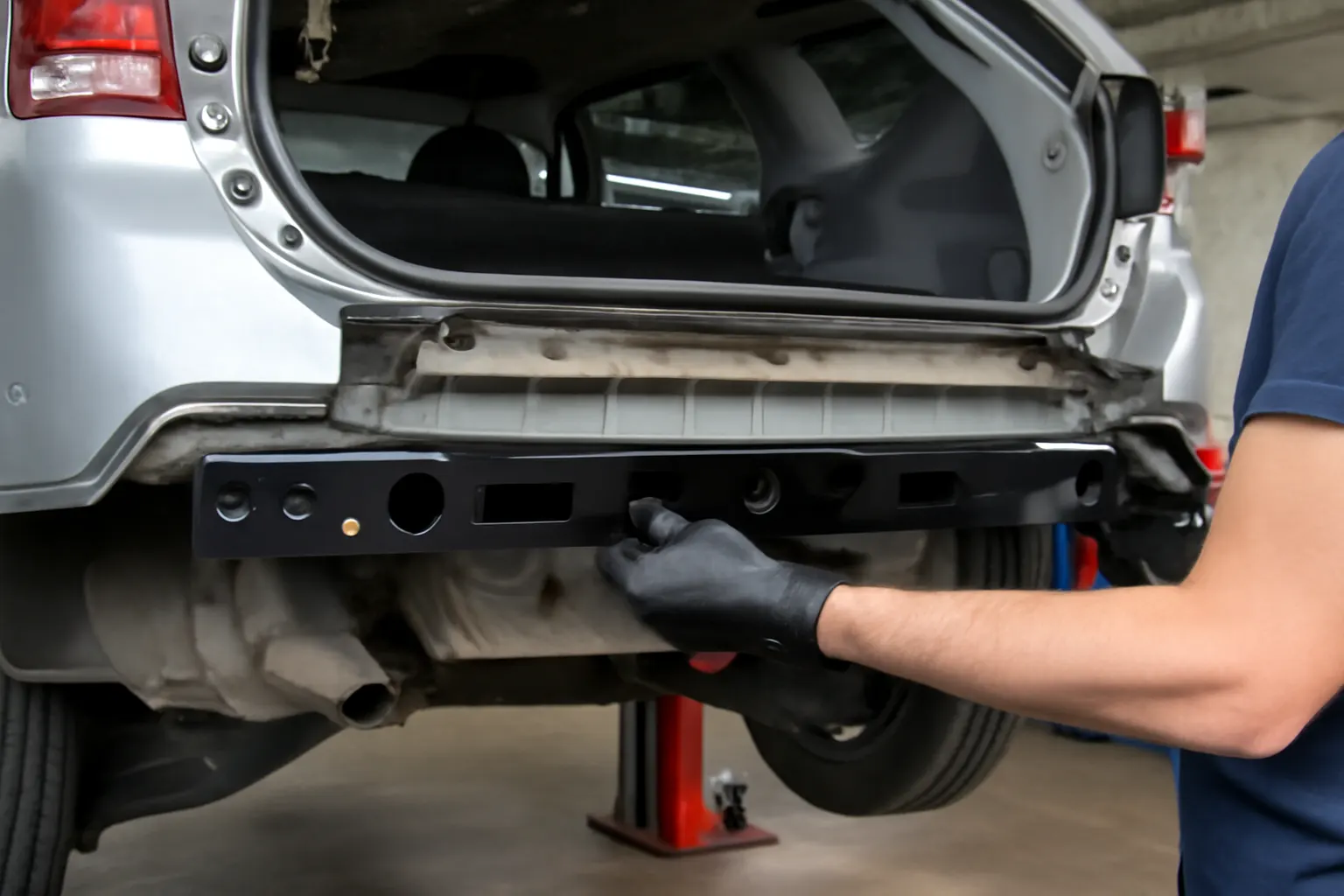
Rear Bumper Reinforcement/Misc Safety: Performance and Protection
Rear bumper reinforcement and miscellaneous (misc) components are critical yet often overlooked elements in the safety, performance, and occupant protection of modern vehicles. These structural parts are designed to absorb and distribute impact energy, prevent intrusion into the passenger compartment, and minimize costly damage to essential vehicle systems during rear-end collisions. Whether you’re a vehicle owner, technician, or auto parts buyer, understanding the function, risks, and selection criteria for rear bumper reinforcement/misc is essential for optimal safety and performance.
Read More
Preventing Rear Bumper Reinforcement/Misc Damage: Maintenance and Protection
Rear bumper reinforcement and miscellaneous components are foundational to your vehicle’s crash protection system. Proper maintenance, regular inspection, and effective damage prevention strategies are essential to maximize the lifespan of these parts and ensure occupant safety. In this comprehensive AutoPartEx guide, you’ll gain actionable knowledge to keep your rear bumper reinforcement/misc components in optimal condition—reducing the risk of costly repairs and compromised safety performance.
View Guide
OEM vs Aftermarket Rear Bumper Reinforcement/Misc: Quality and Performance Comparison
When it comes to replacing your rear bumper reinforcement or related components, the decision between OEM (Original Equipment Manufacturer) and aftermarket parts has a direct impact on your vehicle’s safety, performance, and long-term durability. This in-depth guide compares these two categories, focusing on material quality, crash performance, fitment, installation, and cost—empowering you to make the best choice for your vehicle’s needs.
Read More