
Advertisement
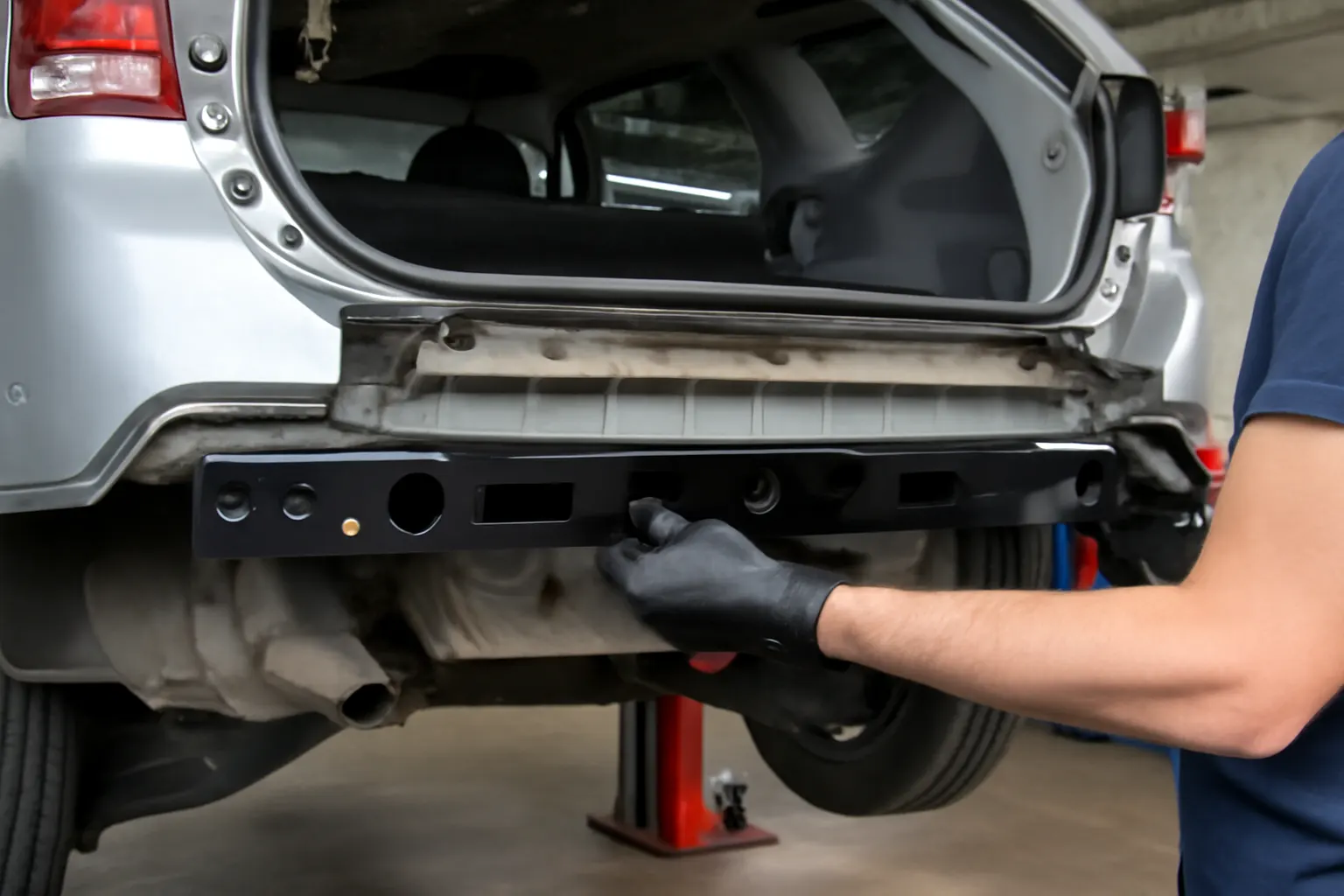
Rear bumper reinforcement and miscellaneous (misc) components are critical yet often overlooked elements in the safety, performance, and occupant protection of modern vehicles. These structural parts are designed to absorb and distribute impact energy, prevent intrusion into the passenger compartment, and minimize costly damage to essential vehicle systems during rear-end collisions. Whether you’re a vehicle owner, technician, or auto parts buyer, understanding the function, risks, and selection criteria for rear bumper reinforcement/misc is essential for optimal safety and performance. This guide delivers immediate, actionable knowledge, reveals hidden vulnerabilities, and provides expert guidance on ensuring your vehicle’s rear end is as safe and robust as possible.
For a comprehensive overview of all related parts and fitment details, visit the Rear Bumper Reinforcement/Misc Guide.
The Immediate Answer: Why Rear Bumper Reinforcement/Misc Matters
Rear bumper reinforcement/misc assemblies are not just cosmetic or secondary elements. They are engineered to:
- Absorb and dissipate kinetic energy during rear impacts, reducing the force transferred to occupants.
- Protect critical vehicle components such as fuel tanks, exhaust systems, sensors, and trunk structures.
- Minimize repair costs by preventing frame and body damage.
- Ensure compliance with federal safety and equipment standards, as established by the National Highway Traffic Safety Administration (NHTSA) [^1].
When properly designed and maintained, rear bumper reinforcement/misc components are a first line of defense in rear collisions—directly impacting injury risk, repair expenses, and vehicle longevity.
The Hidden Problem: Underestimated Risk and Overlooked Maintenance
Despite their importance, rear bumper reinforcement and misc components are frequently neglected during routine inspections, accident repairs, and aftermarket modifications. Common hidden issues include:
- Structural fatigue or corrosion that weakens the reinforcement.
- Improper installation or use of substandard aftermarket parts.
- Invisible damage after minor collisions that compromises crash performance.
- Mismatched or incompatible replacement parts leading to suboptimal protection.
These risks are compounded by the fact that many vehicle owners and even repair shops may not fully understand the engineering standards or critical fitment requirements for these safety components.
Expanding the Problem: Technical and Regulatory Complexity
Materials and Engineering Challenges
The rear bumper reinforcement/misc system is a product of advanced materials engineering. According to the United States Department of Energy, modern reinforcements utilize lightweight, high-strength materials such as advanced steels, aluminum alloys, and sometimes composites to achieve optimal energy absorption without adding excessive weight [^2]. This delicate balance is crucial for:
- Maximizing fuel efficiency by reducing vehicle mass.
- Meeting strict crashworthiness and pedestrian safety standards.
- Integrating with advanced driver assistance systems (ADAS) and sensor arrays.
Regulatory Mandates and Recalls
The NHTSA mandates specific performance criteria for bumper systems. Vehicles that do not meet these standards may be subject to equipment recalls, which can be triggered by manufacturer defects, subpar materials, or improper installation [^3]. Non-compliance not only endangers occupants but can also result in legal and financial consequences for vehicle owners and repairers.
How Rear Bumper Reinforcement/Misc Protects Occupants and Vehicle Systems
Energy Management and Impact Distribution
During a rear-end collision, the bumper cover absorbs the initial impact, but the reinforcement bar and attached misc brackets are responsible for channeling the force away from critical components. Key safety functions include:
- Preventing trunk and rear seat deformation that could injure occupants.
- Shielding fuel systems from rupture or leakage.
- Protecting electrical wiring, sensors, and exhaust components from damage.
- Reducing the risk of whiplash and other soft tissue injuries by controlling deceleration forces.
Integration with Modern Safety Systems
Contemporary vehicles often mount ADAS sensors, cameras, and radar modules within or near the rear bumper reinforcement. A compromised or incorrectly installed reinforcement can render these systems inaccurate or inoperative, directly affecting collision avoidance and parking assistance features.
Diagnosing Rear Bumper Reinforcement/Misc Issues: Inspection and Red Flags
Visual Inspection Checklist
A thorough inspection of the rear bumper reinforcement/misc should be conducted whenever:
- The vehicle has been involved in any rear-end impact, regardless of severity.
- Unusual noises, rattling, or misalignment are observed at the rear of the vehicle.
- The bumper cover appears loose, uneven, or does not snap securely into place.
Advertisement
Rear Bumper Reinforcement/Misc Inspection Checklist:
| Task | Pass/Fail | Notes |
|---|---|---|
| Inspect for visible cracks/deformation | ||
| Check for corrosion or rust | ||
| Ensure mounting brackets are secure | ||
| Verify alignment with frame/body | ||
| Look for missing/damaged fasteners | ||
| Confirm sensor and wiring integrity | ||
| Test bumper cover fitment |
Hidden Damage Detection
Not all damage is visible. After any collision, consider:
- Removing the bumper cover to inspect the reinforcement directly.
- Checking for stress marks, paint cracks, or distortion in adjacent panels.
- Using a borescope or mirror to examine hard-to-see areas.
- Consulting a collision repair specialist for structural measurements if alignment issues are suspected.
Performance Factors: Materials, Weight, and Crashworthiness
Material Selection and Their Impact
The choice of material for rear bumper reinforcement/misc directly impacts both performance and efficiency. The Department of Energy highlights several key trends [^2]:
- High-Strength Steel: Offers excellent impact absorption at a moderate cost, but adds weight.
- Aluminum: Lightweight, resists corrosion, but may deform more easily in severe impacts.
- Composites: Increasingly used for their weight savings and energy dissipation, but can be more expensive.
The right material must be matched to the vehicle’s design, expected use, and regulatory environment.
Engineering for Fuel Efficiency
Reducing vehicle mass is a key strategy for improving fuel economy. Rear bumper reinforcements are now engineered to deliver maximum crash protection with minimal weight, supporting industry-wide efforts to meet strict fuel efficiency standards [^4]. However, using lighter materials without adequate design can compromise safety—a balance only achieved through rigorous testing and adherence to SAE standards.
Safety Standards and Compliance: Meeting Federal Requirements
NHTSA Bumper and Equipment Standards
All rear bumper reinforcement/misc parts must comply with NHTSA safety and equipment regulations. These standards dictate:
- Minimum impact resistance at specified speeds.
- Protection of fuel and exhaust systems.
- Proper integration with lighting and sensor systems.
- Durability over the vehicle’s expected lifespan.
Failure to meet these standards can result in recall actions, fines, or denial of insurance claims [^1][^3].
Recalls and Quality Assurance
Always check the NHTSA recall database for your vehicle make and model to ensure no open recalls exist for rear bumper reinforcement or related components. Even reputable manufacturers can experience defects, making periodic review essential for continued safety [^3].
Sourcing Replacement Parts: OEM vs Aftermarket Considerations
OEM (Original Equipment Manufacturer) Parts
- Designed to match the vehicle’s exact specifications.
- Typically guarantee compliance with federal safety standards.
- May be more expensive, but ensure precise fitment and integration.
Aftermarket Parts
- Can offer cost savings and availability.
- Quality and compliance can vary widely.
- Some aftermarket parts may not meet OEM crash performance or durability standards.
For a detailed comparison, see OEM vs Aftermarket Rear Bumper Reinforcement/Misc: Quality and Performance Comparison.
Fitment and Compatibility
Regardless of source, always verify:
- Exact match for year, make, and model.
- Correct mounting points for brackets, sensors, and covers.
- Material type and thickness.
- Certification of crashworthiness and compliance.
Installation Guidance: Ensuring Proper Fit and Function
Preparation and Tools
- Ensure the vehicle is on a level surface, with the battery disconnected if sensors are involved.
- Gather necessary tools: socket set, torque wrench, trim removal tools, and safety equipment.
Step-by-Step Installation Overview
- Remove the Bumper Cover: Carefully detach all fasteners, clips, and electrical connectors. Set aside without damaging paint or sensors.
- Inspect Underlying Structures: Before installing the new reinforcement, examine the mounting points and adjacent frame for hidden damage.
- Install the Reinforcement/Misc Components: Align precisely with factory holes. Use new fasteners where specified, and torque to manufacturer requirements.
- Reconnect Sensors and Wiring: Ensure all ADAS or parking sensors are properly reinstalled and calibrated.
- Reattach the Bumper Cover: Confirm all clips and fasteners are secure, and check for proper alignment.
- Test Systems: Verify that all rear sensors, lights, and trunk functions operate correctly.
For a more detailed walkthrough, see Rear Bumper Reinforcement/Misc Replacement: Installation and Safety Guide.
Advertisement
Maintenance and Prevention: Maximizing Longevity and Protection
Routine Maintenance Checklist
- Inspect the rear bumper reinforcement and misc brackets annually or after any impact.
- Clean and treat exposed metal to prevent corrosion.
- Ensure all fasteners remain tight and free from rust.
- Test the fitment of the bumper cover and rear sensors after any repair or modification.
Preventing Common Damage
- Avoid parking or backing into obstacles, as even low-speed impacts can compromise the reinforcement.
- Use caution when installing aftermarket accessories (e.g., tow hitches) to avoid interfering with the bumper structure.
- Address minor fender-benders promptly, as hidden damage can worsen over time.
For advanced protection strategies, review Preventing Rear Bumper Reinforcement/Misc Damage: Maintenance and Protection.
Diagnostic Red Flags: When to Replace Rear Bumper Reinforcement/Misc
Symptoms of a Compromised Reinforcement
- Noticeable misalignment or sagging of the rear bumper cover.
- Persistent rattling, squeaking, or shifting noises from the rear.
- Malfunctioning rear sensors, cameras, or trunk latches.
- Evidence of rust, cracks, or deformation on the reinforcement bar or brackets.
Professional Assessment
If any of the above symptoms are present, consult a collision repair specialist or dealership. Structural measurements and diagnostic tools can reveal hidden weaknesses that may not be visible during a basic inspection.
Buying Guide: Selecting the Right Rear Bumper Reinforcement/Misc
Key Selection Criteria
- Vehicle Compatibility: Confirm part numbers and fitment for your specific vehicle.
- Material Quality: Prioritize high-strength steel or certified aluminum/composite parts.
- Certification: Look for SAE or equivalent testing marks and NHTSA compliance.
- Supplier Reputation: Buy from trusted sources with proven quality control.
- Warranty/Support: Prefer parts backed by clear warranty and technical support.
Where to Buy
- Authorized dealerships for OEM parts.
- Reputable aftermarket suppliers with certification.
- Online platforms with verified fitment tools and customer support.
Integration with Advanced Safety Technologies
Sensors and ADAS Compatibility
Rear bumper reinforcement/misc components often serve as mounting platforms for:
Advertisement
- Parking sensors and backup cameras.
- Blind spot detection modules.
- Rear collision warning radars.
Improper fitment or material selection can interfere with sensor calibration, reducing the effectiveness of these systems and potentially resulting in false alarms or missed hazards.
Calibration and Testing
After any replacement or repair, it is critical to:
- Perform sensor recalibration as specified by the manufacturer.
- Test all rear safety and assistance systems for correct operation.
- Confirm that new reinforcements do not interfere with electronic signals or wiring harnesses.
The Consequences of Neglect: Real-World Impact
Increased Injury Risk
A weakened or improperly installed rear bumper reinforcement can lead to:
- Greater intrusion into the passenger compartment in a rear-end collision.
- Higher likelihood of fuel system compromise and fire risk.
- Increased severity of whiplash or spinal injuries.
Escalating Repair Costs
What might be a simple bumper cover replacement can escalate to major structural repairs, sensor replacements, and frame straightening if the reinforcement fails to perform as designed.
Legal and Insurance Implications
Non-compliant or defective reinforcement parts can:
- Void insurance coverage for collision repairs.
- Result in liability if safety systems are found to be compromised after an accident.
- Trigger recall actions and mandatory repairs.
AutoPartEx Positioning: Your Trusted Source for Rear Bumper Reinforcement/Misc Solutions
At AutoPartEx, we combine technical expertise, verified quality, and industry-leading standards to help you select, install, and maintain the most critical safety components for your vehicle. Our comprehensive Rear Bumper Reinforcement/Misc Guide is designed to support vehicle owners, technicians, and automotive professionals with up-to-date information, fitment data, and expert advice.
Whether you need parts for a routine repair, a detailed diagnostic checklist, or in-depth guidance on materials and compliance, AutoPartEx is your partner in automotive safety and performance.
Taking Expert Action: Next Steps for Maximum Safety
- Inspect Your Vehicle: If you’ve been involved in a rear-end collision or notice any of the red flags discussed, inspect your rear bumper reinforcement/misc immediately.
- Verify Compliance: Check for open recalls and ensure all replacement parts meet NHTSA and SAE standards.
- Choose Wisely: Select high-quality, compatible parts—preferably OEM or certified aftermarket—with proven crash performance.
- Install Correctly: Follow manufacturer guidelines and recalibrate all sensors after installation.
- Maintain Regularly: Integrate rear bumper reinforcement/misc checks into your annual vehicle maintenance routine.
For more in-depth installation and maintenance procedures, visit our Rear Bumper Reinforcement/Misc Replacement: Installation and Safety Guide.
References
Advertisement
