
Chevy Corvette Rear Bumper Assembly (includes cover) Parts
Chevy Corvette Rear Bumper Assembly: What to Know Before You Buy
A rear bumper assembly is more than just a cosmetic component for your Chevy Corvette—it’s a vital part of your vehicle’s safety and structural integrity. Yet, many owners overlook important steps when considering a replacement. This guide highlights what you need to know, from identifying the right part to understanding the repair process, so you can make a confident, informed decision about your Corvette’s rear bumper assembly.
Advertisement
33 Chevy Corvette Rear Bumper Assembly (includes cover) Parts


Advertisement
More Rear Bumper Assembly (includes cover) options for Chevy Corvette
Filtering for Chevy Corvette • Rear Bumper Assembly (includes cover)Browse nearby inventory for this model and category without leaving the page.
No Data Available
Please check back soon when more inventory is available for this part.
Advertisement
Why Rear Bumper Assembly Choices Matter for Your Corvette
When considering a replacement for your Chevy Corvette’s rear bumper assembly, it’s easy to focus on appearance or price alone. However, there’s a crucial, often overlooked aspect: ensuring that the assembly you choose is not only visually compatible but also meets the structural and safety requirements specific to your vehicle. The rear bumper assembly includes more than just the cover—it’s a system designed to absorb impact and protect both the car and its occupants. Selecting the wrong assembly can compromise these functions, potentially affecting your safety and the value of your Corvette.
Many Corvette owners are unaware that rear bumper assemblies differ not just by model year, but sometimes by trim, special edition, or even manufacturing plant. While some aftermarket or salvage parts may appear to fit, subtle differences in mounting points, reinforcement bars, or sensor integration can lead to installation issues or reduced crash protection. This makes it essential to look beyond surface-level compatibility and investigate the specifics of each part before making a purchase.
Another factor that’s often missed is the impact of previous repairs or modifications. If your Corvette has been involved in a prior accident or customized, the rear structure may not perfectly match factory specifications. This can affect how a replacement bumper assembly fits and functions. Taking the time to verify your vehicle’s current configuration and any past work can prevent costly mistakes and ensure a seamless, safe installation.

Understanding the Real Challenges of Rear Bumper Replacement
Replacing the rear bumper assembly on a Chevy Corvette is not always as straightforward as it seems. The process involves more than simply swapping out an old part for a new one. Each Corvette generation and model year can have unique bumper designs, attachment methods, and integrated features such as parking sensors or reflectors. Failing to account for these differences can result in a poor fit, compromised safety, or the need for additional modifications.
One common issue is the assumption that all rear bumper assemblies labeled for the Corvette are interchangeable. In reality, even minor changes between years or trims can affect compatibility. For example, a bumper cover from a 1999 Corvette may not fit a 2001 model without adjustments, even if the body shape appears similar. This is especially true for assemblies sourced from salvage yards, where parts may have been removed from vehicles with unknown histories or prior damage.
Another challenge arises from the use of salvage or recycled parts. While these can be cost-effective and environmentally friendly, they come with risks. Salvage bumper assemblies may have hidden damage, previous repairs, or missing components that aren’t obvious at first glance. Without a thorough inspection and verification of part numbers, you could end up with a bumper that doesn’t align properly or fails to provide adequate protection in a collision.
Safety is a paramount concern when replacing structural components like the rear bumper assembly. The assembly is engineered to absorb impact energy and protect the vehicle’s occupants and internal components. An ill-fitting or improperly installed bumper can compromise crash performance, potentially leading to greater damage or injury in the event of an accident. This is why it’s critical to ensure that any replacement meets the original equipment specifications for your specific Corvette model and year.
Additionally, modern Corvettes may integrate sensors, cameras, or other electronic components into the rear bumper assembly. These features require precise alignment and secure mounting to function correctly. If the replacement assembly lacks the necessary provisions or is not designed for your vehicle’s electronics, you may lose important safety or convenience functions. This is especially relevant for owners of later-model Corvettes, where advanced driver assistance systems are more common.
Finally, the process of replacing a rear bumper assembly can reveal underlying issues with the vehicle’s frame or rear structure. Damage from previous collisions or improper repairs can affect how a new assembly fits and performs. It’s important to inspect the mounting points and surrounding areas for signs of rust, misalignment, or structural weakness before proceeding with a replacement. Addressing these issues early can prevent further complications and ensure a successful installation.
How to Select and Install the Right Rear Bumper Assembly
The first step in replacing your Chevy Corvette’s rear bumper assembly is to accurately identify your vehicle’s year, trim, and any special features. This information is essential for sourcing a compatible assembly. Use your Vehicle Identification Number (VIN), typically found on the lower left of the windshield or on your registration card, to confirm the exact details. Many parts suppliers and online catalogs allow you to search by VIN to reduce the risk of ordering an incompatible part. This step is especially important for Corvettes with unique options or limited editions.
Once you have your vehicle information, compare available rear bumper assemblies by checking part numbers, visual features, and included components. Pay close attention to listings that specify whether the assembly includes the cover, reinforcement bar, mounting hardware, and sensor provisions. If you’re considering a salvage or used part, request detailed photographs and verify the condition of all components. Look for signs of previous repairs, cracks, or warping that could affect fitment or performance.
For repairs involving insurance claims or significant collision damage, it’s wise to obtain a written repair estimate from a reputable body shop. The Federal Trade Commission (FTC) recommends that repair estimates clearly identify the condition to be repaired, the parts needed, and anticipated labor charges. This documentation helps you understand the scope of the work and compare options between shops. If the repair is complex or expensive, consider seeking a second opinion to ensure you’re getting the best value and advice FTC: Auto Repair Basics.
Ask the repair shop or technician about their experience with Chevy Corvettes, particularly your generation and model year. The FTC advises consumers to confirm that technicians are familiar with the specific make and model involved, as this can affect the quality and accuracy of the repair. Shops with Corvette experience are more likely to anticipate potential issues with bumper fitment, sensor integration, and cosmetic matching.
When selecting a rear bumper assembly, understand the difference between new, remanufactured, and salvage parts. New assemblies are typically the most reliable but also the most expensive. Remanufactured or rebuilt parts have been restored to a functional condition, while salvage parts come directly from another vehicle without alteration. Each option has trade-offs in terms of cost, availability, and potential for hidden issues. The FTC emphasizes the importance of knowing what you’re buying and getting any warranty coverage in writing FTC: Auto Repair Basics.
Before installation, inspect the rear structure of your Corvette for any signs of hidden damage, rust, or misalignment. Addressing these issues before fitting the new assembly can prevent future problems and ensure a secure, proper fit. If you’re installing the assembly yourself, follow the manufacturer’s service manual instructions closely, paying attention to torque specifications and alignment procedures. For professional installations, request a completed repair order listing all work performed, parts used, and odometer readings.
After installation, check that all sensors, lights, and electronic components integrated into the rear bumper assembly are functioning correctly. Test parking sensors, rear cameras, and reflectors to confirm proper operation. If any features are not working as expected, consult the service manual or a qualified technician to troubleshoot and resolve the issue. Proper integration of these systems is essential for maintaining the safety and convenience features of your Corvette.
Finally, keep all documentation related to the repair, including the original estimate, completed repair order, and any warranty information for the parts used. This paperwork can be valuable for future maintenance, insurance claims, or when selling your vehicle. It also provides a record of the work performed, which can help maintain the value and integrity of your Corvette over time.
What the Evidence Shows About Rear Bumper Assembly Replacement
The National Highway Traffic Safety Administration (NHTSA) provides a comprehensive overview of how vehicle recalls and safety investigations are managed in the United States. According to their guidance, every vehicle has a unique VIN that can be used to check for open recalls, including those related to structural components like the rear bumper assembly. However, searching by year, make, and model only yields general recall information, not proof that a specific Corvette or bumper assembly is affected NHTSA: Vehicle Recalls. This means that while you can identify potential safety issues associated with certain Corvette models, you must use your VIN to check for open recalls on your exact vehicle.
NHTSA also clarifies that recall information is updated continuously, and not all VINs may be identified immediately after a recall is announced. Owners are encouraged to check for recalls twice a year and to register their vehicles with NHTSA to receive alerts. Importantly, a recall lookup does not guarantee that a particular rear bumper assembly has a defect or has been recalled; it simply provides a way to verify whether your specific Corvette is subject to any outstanding safety actions. This underscores the need for vigilance when sourcing replacement parts, especially from salvage or aftermarket suppliers NHTSA: Vehicle Recalls.
The NHTSA recall process involves several stages: complaints, investigations, and recalls. Complaints from owners can lead to investigations if a pattern of safety-related defects emerges. If a defect is confirmed, a recall is issued, and manufacturers are required to notify owners and provide a remedy, which may include repair or replacement of the affected part. However, most recalls are initiated voluntarily by manufacturers before NHTSA intervention. For Corvette owners, this means that staying informed about recalls and responding promptly to manufacturer notifications is crucial for maintaining vehicle safety NHTSA: Vehicle Recalls.
The Federal Trade Commission’s (FTC) guidance on auto repairs offers practical advice for navigating the parts selection and repair process. The FTC distinguishes between new, remanufactured, and salvage parts, noting that salvage parts are taken from other vehicles without alteration. This is particularly relevant for Corvette rear bumper assemblies, as many used or recycled parts on the market fall into this category. The FTC advises consumers to obtain a written repair estimate, understand the type of part being used, and get any warranty coverage in writing FTC: Auto Repair Basics.
According to the FTC, there is no standard warranty on repairs or replacement parts. This means that buyers should not assume any particular guarantee of fitment or performance when purchasing a rear bumper assembly for their Corvette. Instead, it’s important to clarify the terms of any warranty offered by the seller or installer and to keep all documentation related to the purchase and installation. This approach helps protect your investment and provides recourse in case of issues down the line FTC: Auto Repair Basics.
The FTC also recommends comparing shop recommendations with the manufacturer’s maintenance schedule, as found in your Corvette’s owner manual. This helps ensure that any additional services or repairs proposed during the bumper replacement process are necessary and justified. If a shop suggests extra work beyond the bumper assembly, ask for a clear explanation and compare it to the official maintenance requirements. This step can prevent unnecessary expenses and ensure that your Corvette receives the care it needs without overspending FTC: Auto Repair Basics.
Neither NHTSA nor the FTC provides vehicle-specific technical specifications or a claim about AutoPartEx guarantees. Instead, their guidance emphasizes the importance of due diligence, documentation, and communication with sellers and repair shops. For Corvette owners, this means verifying part compatibility, understanding the condition and history of used assemblies, and keeping thorough records of all repairs. By following these evidence-based recommendations, you can confidently navigate the process of replacing your rear bumper assembly and maintain the safety and value of your vehicle.
Take the Next Step Toward a Safe, Quality Repair
If you’re considering a rear bumper assembly replacement for your Chevy Corvette, start by gathering your vehicle’s VIN and reviewing your options using reliable catalogs and seller resources. Verify part compatibility, request detailed information about the assembly’s condition, and consult with experienced technicians or repair shops. By following the guidance from NHTSA and the FTC, you can make an informed decision that protects your investment and ensures your Corvette remains both safe and stylish. For more details or to browse available assemblies, visit the Chevy Corvette Rear Bumper Assembly (includes cover) catalog page.
References
- NHTSA: Vehicle Recalls
- FTC: Auto Repair Basics
References
- NHTSA: Vehicle Recalls - NHTSA, accessed 2026-11-01
- FTC: Auto Repair Basics - FTC, accessed 2026-11-01
Related Guides & Articles

How to Spot Counterfeit Chevy Parts
Counterfeit Chevy parts can jeopardize your vehicle's safety, reliability, and performance. Whether you're shopping for a replacement alternator, brake pads, or sensors, identifying fakes before you buy is crucial. This guide delivers immediate visual clues, packaging tips, and real-world examples to help you confidently distinguish genuine from counterfeit Chevy components—protecting both your investment and your safety.
Read More
Chevy Service Intervals Explained
Build a Chevrolet maintenance plan from the correct owner’s manual, service history and dashboard messages. Learn how oil-life reminders differ from oil-pressure warnings, how mileage and elapsed time affect a service decision, and why gasoline and electric vehicles need different schedules. Use the checklist to discuss a clear, itemized plan with your repairer.
View Guide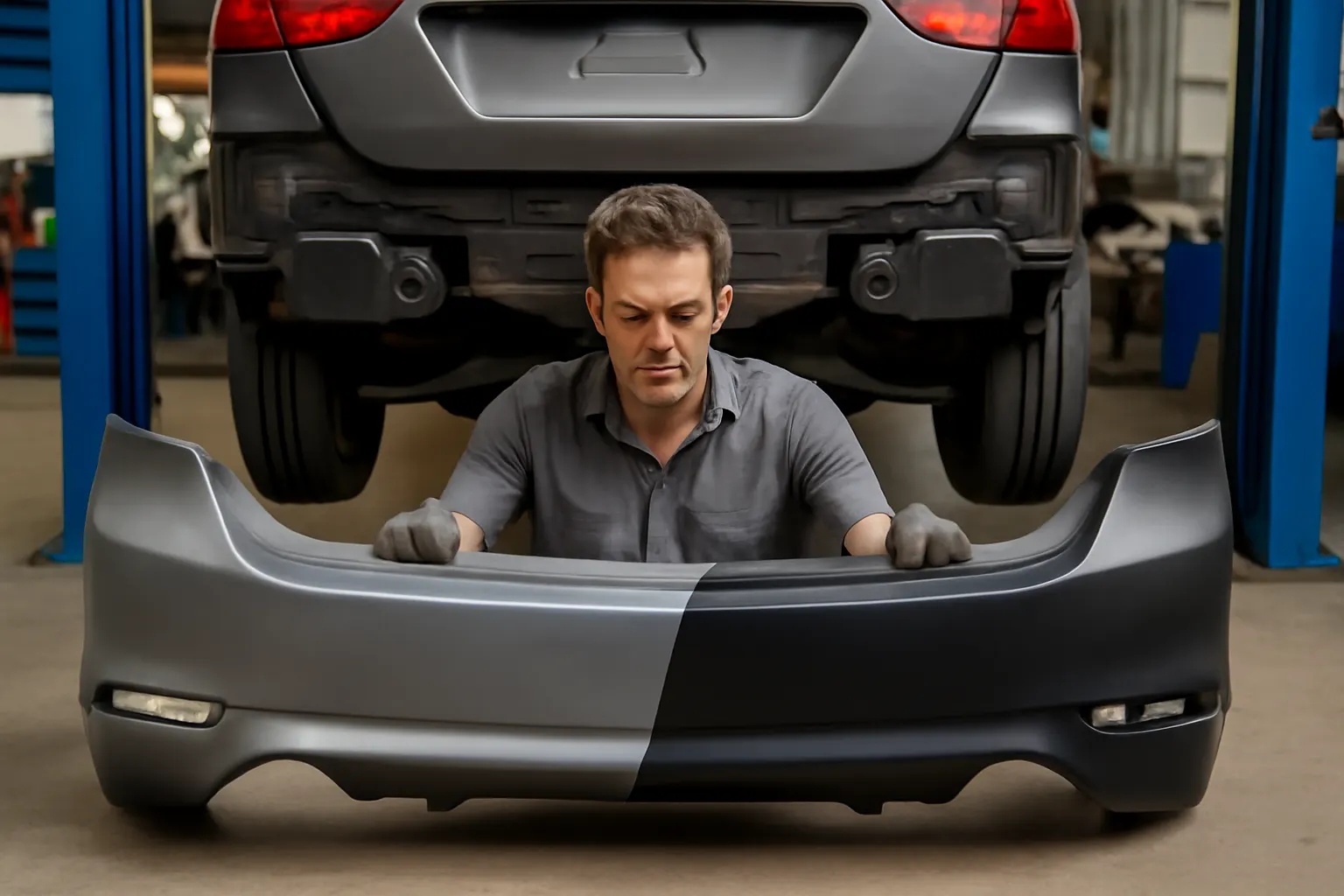
Choosing OEM vs Aftermarket Bumper Assemblies
If you prioritize guaranteed fit, original material quality, and full manufacturer compatibility—especially for vehicles under warranty or with advanced safety features—OEM is the safer choice. OEM bumper assemblies are engineered to the exact specifications of your vehicle, ensuring proper alignment, sensor integration, and crash performance. It’s tempting to base your decision solely on price or availability. But rear bumper assemblies are complex structural components, not mere cosmetic panels.
Read More
The Role of Rear Bumpers in Modern Crash Safety
Rear bumpers are no longer just cosmetic panels—they are critical, engineered safety components designed to absorb impact, protect vehicle occupants, and support advanced driver assistance systems (ADAS). In the modern automotive landscape, rear bumper assemblies integrate energy-absorbing structures, sensor mounts, and lightweight materials to meet rigorous crash safety standards and enhance vehicle functionality. Whether you’re a technician, parts buyer, or vehicle owner, understanding the contemporary role of rear bumpers is essential for safe repairs, accurate diagnostics, and informed sourcing decisions.
Read More