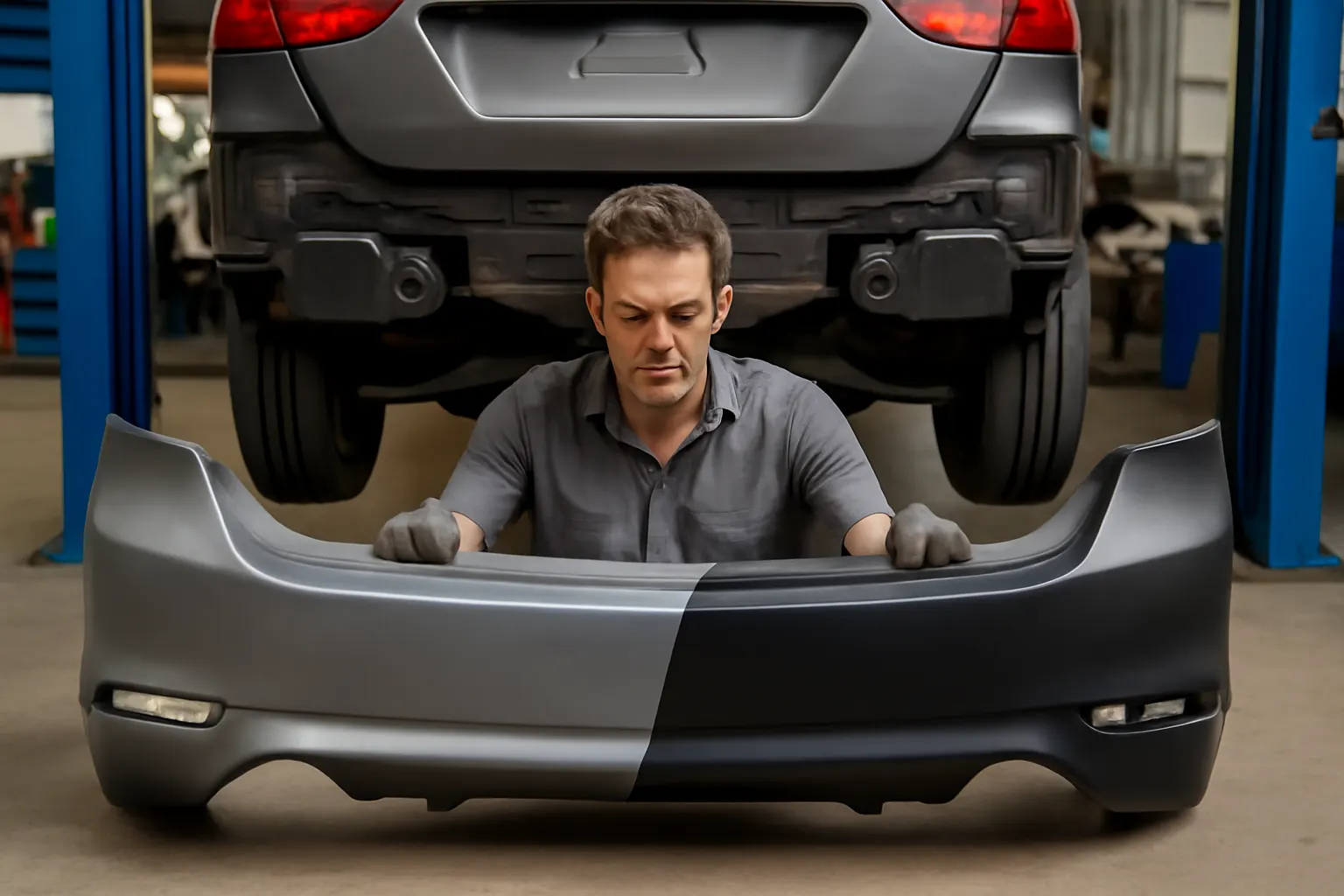
The Role of Rear Bumpers in Modern Crash Safety
Rear bumpers are no longer just cosmetic panels—they are critical, engineered safety components designed to absorb impact, protect vehicle occupants, and support advanced driver assistance systems (ADAS). In the modern automotive landscape, rear bumper assemblies integrate energy-absorbing structures, sensor mounts, and lightweight materials to meet rigorous crash safety standards and enhance vehicle functionality. Whether you’re a technician, parts buyer, or vehicle owner, understanding the contemporary role of rear bumpers is essential for safe repairs, accurate diagnostics, and informed sourcing decisions. For a comprehensive overview of rear bumper assemblies and sourcing strategies, see our Rear Bumper Assembly (Includes Cover): Complete Technical Guide & Sourcing Strategies.
Rear Bumpers: Immediate Safety Functions
The primary function of the rear bumper assembly is to absorb and dissipate energy during low- and moderate-speed collisions. This helps minimize damage to critical vehicle components and reduces the risk of injury to occupants. Modern rear bumpers are engineered to:
- Absorb impact through deformable structures (crush cans, energy absorbers)
- Protect the fuel tank, exhaust, and rear body structure
- Serve as mounting points for ADAS sensors (radar, ultrasonic, cameras)
- Minimize repair costs after minor impacts
These functions are mandated and shaped by federal regulations, such as those enforced by the National Highway Traffic Safety Administration (NHTSA), and by industry standards from organizations like SAE International. The evolution of rear bumper assemblies reflects a shift from simple metal bars to complex, multi-material systems that are integral to crash energy management and vehicle electronics.
The Hidden Problem: Complexity and Compliance
While rear bumpers are designed to be the first line of defense in a rear-end collision, their complexity introduces hidden challenges:
- Sensor Integration: Many modern bumpers house ultrasonic parking sensors, radar arrays, and rear cameras. Improper replacement or misalignment can compromise ADAS functionality.
- Material Engineering: Lightweight plastics, aluminum, and composite structures are used to meet fuel efficiency and weight reduction goals, but these materials require specific repair and installation procedures.
- Regulatory Compliance: Bumper assemblies must meet NHTSA requirements for impact absorption and SAE standards for component integration. Non-compliant parts or poor installation can result in safety recalls or failed inspections.
These factors mean that rear bumper replacement or repair is no longer a simple bolt-on job. Technicians and buyers must be aware of the technical, regulatory, and diagnostic implications of working with modern rear bumpers.
How Rear Bumpers Evolved: From Metal Bars to Multi-Function Assemblies
Historically, rear bumpers were little more than chrome-plated steel bars designed to protect the bodywork from minor scrapes. Today’s assemblies are engineered systems, typically including:
- A cosmetic bumper cover (thermoplastic or composite)
- An energy-absorbing layer (foam, honeycomb, or impact-resistant plastic)
- A reinforcement bar (high-strength steel or aluminum)
- Mounting brackets and hardware
- Sensor and wiring provisions for ADAS
This evolution was driven by stricter federal safety standards and the automotive industry’s focus on crashworthiness, weight reduction, and electronic integration. For example, the NHTSA’s regulations specify that bumpers must protect the vehicle’s safety-related components during 2.5 mph and 5 mph impacts, minimizing both structural damage and repair costs (NHTSA Equipment).
Key Crash Safety Standards for Rear Bumpers
Rear bumper design is governed by a combination of federal regulations and engineering standards:
- NHTSA Federal Motor Vehicle Safety Standards (FMVSS): Mandate impact absorption and protection for safety-critical components in low-speed collisions (NHTSA Equipment).
- SAE J400, J850, and J1627 Standards: Specify test procedures, material properties, and performance benchmarks for bumper systems (SAE Standards).
- Manufacturer-Specific ADAS Calibration Protocols: Require precise sensor alignment and functional verification after bumper replacement.
Failure to comply with these standards can result in vehicle recalls, insurance non-compliance, and compromised occupant safety (NHTSA Recalls). Technicians and parts buyers must ensure all replacement assemblies are certified and meet OEM or SAE requirements.
Engineering the Modern Rear Bumper: Structure and Materials
Modern rear bumper assemblies are engineered for both strength and energy absorption:
Key Structural Elements
- Bumper Cover: The visible exterior, typically made of impact-resistant thermoplastic (e.g., polypropylene or polyurethane). Designed to flex and return to shape after minor impacts.
- Energy Absorber: A crushable foam or honeycomb insert that dissipates kinetic energy, reducing force transfer to the vehicle structure.
- Reinforcement Bar: High-strength steel or aluminum bar that provides backbone rigidity and directs impact loads away from sensitive areas.
- Mounting Brackets: Precision-engineered to deform in a controlled manner, further absorbing impact energy.
Material Selection
Material choice is dictated by performance, weight, and cost considerations:
- Thermoplastics: Lightweight, corrosion-resistant, and easily molded for aerodynamic styling.
- Aluminum: Used in reinforcement bars for high strength-to-weight ratio.
- Advanced Composites: Increasingly used for weight reduction and improved energy management (DOE Materials Technologies).
The use of these materials means that repair and replacement procedures must be carefully matched to the bumper’s engineering specifications.
Integration of Advanced Driver Assistance Systems (ADAS)
A defining feature of modern rear bumpers is their role as mounting platforms for ADAS sensors. Common systems include:
- Ultrasonic Parking Sensors: Embedded in the bumper cover for proximity detection.
- Rear-View Cameras: Often mounted just above or within the bumper assembly.
- Blind Spot Radar Sensors: Housed behind the bumper cover, requiring specific material transparency and precise alignment.
Improper installation or the use of non-OEM covers can block or distort sensor signals, leading to false warnings, system malfunctions, or safety hazards. After any bumper replacement, sensor calibration is mandatory—see our guide on Sensor Calibration After Bumper Replacement for step-by-step procedures.
Diagnosing Rear Bumper Assembly Issues
Given the complexity of modern assemblies, diagnosing rear bumper problems requires a systematic approach:
Common Symptoms of Rear Bumper Issues
- Visible Damage: Cracks, dents, or misalignment after a collision.
- Sensor Malfunctions: Warning lights, inaccurate parking assist, or blind spot alerts.
- Unusual Noises: Rattling or loose components after minor impacts.
- Water Intrusion: Moisture in the trunk or sensor housings due to damaged seals.
Diagnostic Checklist
Use this checklist for a thorough rear bumper diagnostic:
| Step | Action | Notes |
|---|---|---|
| 1 | Remove bumper cover | Inspect for hidden structural damage |
| 2 | Check energy absorber and reinforcement | Look for cracks, deformation, or rust |
| 3 | Test all ADAS sensors | Use scan tool for fault codes |
| 4 | Inspect mounting brackets | Confirm no bending or fracture |
| 5 | Verify alignment and clearances | Ensure proper fit and sensor function |
| 6 | Check for moisture or corrosion | Especially in sensor wiring |
Document all findings and reference OEM or SAE repair procedures before proceeding with repairs.
Sourcing and Selecting Rear Bumper Assemblies
Choosing the right rear bumper assembly is critical for safety and compliance. Consider these factors:
OEM vs Aftermarket
- OEM (Original Equipment Manufacturer): Guaranteed to meet vehicle-specific safety standards and sensor compatibility.
- Aftermarket: May offer cost savings but must be certified to meet FMVSS and SAE standards. Inferior materials or fitment can compromise safety and ADAS operation.
For a detailed comparison, read Choosing OEM vs Aftermarket Bumper Assemblies.
Key Buying Considerations
- Crash Test Certification: Ensure the assembly is tested to federal and SAE standards.
- Sensor Mounting Provisions: Confirm compatibility with your vehicle’s ADAS setup.
- Material and Finish: Match the original for durability and appearance.
- Warranty and Return Policy: Especially important for aftermarket parts.
When in doubt, consult your vehicle’s manufacturer specifications or a trusted supplier.
Installation and Calibration: Getting It Right
Rear bumper assembly installation is more than just a cosmetic repair—it’s a safety-critical task that must be performed to exacting standards.
Step-by-Step Installation Best Practices
- Pre-fit and Inspect: Dry-fit the new assembly and compare with the original for mounting points, sensor holes, and clearances.
- Transfer Components: Move any reusable sensors, harnesses, and brackets from the old assembly.
- Torque Specifications: Use a calibrated torque wrench for all fasteners to prevent over- or under-tightening.
- Sensor Alignment: Follow manufacturer calibration procedures for all ADAS sensors.
- Functional Testing: Verify all systems (parking assist, rear camera, blind spot) before road testing.
For a detailed walkthrough, see our How to Replace a Rear Bumper Assembly: Step-by-Step.
Maintenance and Long-Term Care
Proper maintenance of the rear bumper assembly ensures continued crash protection and reliable ADAS operation.
Maintenance Tips
- Regular Inspections: Check for cracks, loose fittings, or sensor error messages at every oil change service.
- Keep Sensors Clean: Gently wash the bumper area to prevent dirt buildup that can interfere with sensors.
- Address Minor Damage Promptly: Even small cracks can compromise energy absorption and water resistance.
- Monitor for Recalls: Check the NHTSA database for any part recalls affecting your vehicle’s bumper assembly (NHTSA Recalls).
If you notice persistent sensor issues or physical damage, schedule an inspection with a qualified technician.
The Impact of Materials and Fuel Efficiency
Material selection for rear bumper assemblies directly affects vehicle weight and, by extension, fuel efficiency. Automakers are increasingly using lightweight plastics and aluminum to meet stringent efficiency targets without sacrificing crash performance (DOE Materials Technologies). However, these materials are more sensitive to improper repairs and require specialized adhesives, fasteners, or welding techniques.
When sourcing replacement bumpers, ensure that material specifications match OEM standards to maintain both safety and efficiency.
Common Pitfalls in Rear Bumper Replacement
Mistakes in rear bumper replacement can have serious consequences. Key pitfalls include:
- Using Non-Certified Parts: These may not absorb impact as designed and can interfere with ADAS.
- Skipping Sensor Calibration: Results in false alarms or inoperative safety systems.
- Improper Fastener Torque: Can lead to rattles, misalignment, or compromised crash performance.
- Ignoring Hidden Damage: Structural damage behind the bumper may go unnoticed without thorough inspection.
Avoid these issues by following OEM procedures and using certified components.
The Future: Rear Bumpers and Smart Vehicle Integration
Looking ahead, rear bumper assemblies are becoming even more sophisticated. Trends include:
- Integrated LIDAR and Radar Arrays: For advanced collision avoidance and autonomous driving features.
- Smart Materials: Shape-memory alloys and active energy absorbers that adapt to impact severity.
- Wireless Sensor Networks: Communicating with other vehicle systems for real-time diagnostics.
As these technologies proliferate, the importance of correct bumper sourcing, installation, and calibration will only increase.
AutoPartEx: Your Partner in Rear Bumper Safety
At AutoPartEx, we recognize that rear bumper assemblies are vital to both crash safety and vehicle technology integration. Our curated inventory includes only certified, crash-tested assemblies with full support for ADAS sensor compatibility and OEM fitment. Our technical resources—like this guide and our Rear Bumper Assembly (Includes Cover): Complete Technical Guide & Sourcing Strategies—empower technicians and buyers to make safe, compliant, and cost-effective decisions.
For vehicle-specific sourcing, expert installation support, or diagnostic guidance, contact the AutoPartEx technical team or browse our extensive parts catalog.
Conclusion
Modern rear bumper assemblies are complex, multi-functional components at the intersection of crash safety, materials engineering, and advanced electronics. Understanding their design, regulatory context, and integration with ADAS is essential for safe repairs and reliable vehicle operation. By following certified procedures, using compliant parts, and keeping up with emerging technologies, you can ensure that your rear bumper assembly provides the protection and performance your vehicle was designed for.