
Chevy Corvette Radiator Core Support Parts
Chevy Corvette Radiator Core Support: What to Know Before You Buy
When considering a replacement radiator core support for your Chevy Corvette, it’s easy to overlook the importance of careful part selection and verification. Many owners focus on visible damage or cooling issues, but compatibility, sourcing, and repair documentation are equally critical. This guide highlights what to watch for, how to approach the process, and where to find reliable evidence for your decision.
Advertisement
14 Chevy Corvette Radiator Core Support Parts


Advertisement
More Radiator Core Support options for Chevy Corvette
Filtering for Chevy Corvette • Radiator Core SupportBrowse nearby inventory for this model and category without leaving the page.
No Data Available
Please check back soon when more inventory is available for this part.
Advertisement
Why Radiator Core Support Selection Demands Attention
Most Chevy Corvette owners rarely think about the radiator core support until a collision or cooling system issue brings it into focus. Yet, this structural component does more than just hold the radiator in place—it anchors key front-end assemblies, affecting everything from hood alignment to cooling efficiency. Overlooking its condition or compatibility can lead to subtle but persistent problems, especially after repairs or upgrades. For those seeking to maintain performance and value, understanding the nuances of this part is essential.
A common misconception is that any radiator core support labeled for a Corvette will fit all model years or trims. However, variations in design, mounting points, and even material composition can exist between generations or special editions. This means a hasty purchase may result in additional modification, unexpected delays, or even safety concerns. The process of selecting the right core support involves more than matching a part number; it requires a careful review of technical details and sourcing practices.
Another often-overlooked aspect is the role that documentation and repair records play in future resale or warranty claims. Using salvage or aftermarket parts without proper verification can complicate insurance settlements or manufacturer support. Owners who take the time to understand the implications of their choice—by consulting reliable references and obtaining detailed repair documentation—are better positioned to protect both their investment and their vehicle’s integrity.

Understanding the Radiator Core Support Challenge in Corvettes
The radiator core support in a Chevy Corvette is a structural element that not only secures the radiator but also supports the front fenders, headlights, and sometimes even the hood latch. Damage to this part can occur from front-end collisions, severe potholes, or improper previous repairs. When compromised, the core support may introduce alignment issues, vibrations, or cooling inefficiencies, which can be difficult to diagnose if the symptoms are subtle.
Unlike more visible components, the core support’s condition is often only assessed during major repairs or upgrades. This means that hidden damage or incorrect installation can go undetected for long periods, potentially leading to secondary problems. For example, improper mounting can cause the radiator to shift, resulting in hose leaks or fan misalignment. In some cases, it may even affect the operation of the hood or headlights, leading to safety concerns.
The challenge is compounded by the diversity of Corvette models and the evolution of their front-end architecture. A core support designed for a C6 may not fit a C7, and even within a single generation, differences can exist between base models and high-performance variants. This complexity makes it risky to rely solely on generic part listings or visual similarity when sourcing a replacement.
Furthermore, not all replacement parts are created equal. Salvage, aftermarket, and OEM components each have distinct advantages and drawbacks. Salvage parts, for instance, may offer cost savings but could carry hidden stress or corrosion. Aftermarket supports might not match original tolerances, affecting fit and finish. OEM parts generally provide the closest match, but availability and cost can be limiting factors.
Documentation and verification are critical when replacing a radiator core support. Without a clear record of the part’s origin, condition, and installation, future maintenance or insurance claims may be complicated. For instance, insurers may question the use of non-OEM parts, or a lack of documentation could hinder warranty support. This underscores the need for a careful, evidence-based approach to both sourcing and installing the component.
Finally, the technical context for radiator core support replacement includes not just fitment, but also the impact on the vehicle’s safety systems. Modern Corvettes may integrate sensors or crumple zones into the front structure, making it essential to confirm that any replacement part maintains these features. Overlooking such details can compromise both performance and occupant protection in the event of another collision.
How to Select and Verify a Chevy Corvette Radiator Core Support
Begin your selection process by identifying your Corvette’s exact year, trim, and any special edition features. Use your 17-character VIN, typically found on the lower left of the windshield or your registration card, to confirm these details. This step is crucial because even minor differences between model years can affect core support compatibility. Do not rely solely on visual inspection or general listings—always cross-reference with official documentation or a trusted parts catalog.
Next, decide whether to pursue an OEM, aftermarket, or salvage radiator core support. Each option has trade-offs: OEM parts generally assure the closest fit and finish but may be more expensive or harder to source. Aftermarket supports can offer savings but may require minor adjustments. Salvage parts are budget-friendly but demand careful inspection for hidden damage or wear. Request detailed photographs and, if possible, inspect the part in person or via video call before purchase.
When comparing options, ask the seller for a written estimate or invoice that specifies the part’s origin, condition, and any included hardware. The Federal Trade Commission recommends obtaining a written repair estimate that identifies the condition to be repaired, the parts needed, and anticipated labor charges. This documentation not only clarifies what you are buying but also provides a record for future reference or resale. If the repair is complex or costly, consider seeking a second opinion from a shop experienced with Corvettes.
Verify the experience of the technician or shop performing the installation. The FTC advises asking whether the technician has experience with your make and model, as this can influence the quality and accuracy of the repair. Corvette front-end assemblies can be intricate, and improper installation of the core support may lead to misalignment or compromised safety features. Ensure the shop is familiar with Corvette-specific procedures and has access to the necessary tools and reference materials.
During installation, request a completed repair order that lists all work performed, parts used, costs, and odometer readings. This not only documents the repair for your records but also serves as evidence in case of future disputes or warranty claims. If the shop recommends additional services beyond the manufacturer’s maintenance schedule, ask for a clear explanation and compare it with your owner’s manual. This helps prevent unnecessary expenses and ensures that all work is justified.
After installation, inspect the fit and finish of the core support and related assemblies. Check that the radiator, headlights, and hood align properly, and that all mounting points are secure. If your Corvette is equipped with sensors or advanced safety features, confirm that these systems are operational and correctly calibrated. Any discrepancies should be addressed immediately to avoid long-term issues.
It is also wise to check for any open recalls or safety campaigns related to your Corvette’s front structure. The National Highway Traffic Safety Administration (NHTSA) provides a free VIN lookup tool to identify unrepaired recalls. While this does not guarantee that your specific vehicle is affected, it can alert you to known issues or manufacturer remedies. Register your vehicle and check for updates regularly, especially after major repairs or part replacements.
Finally, keep all documentation—including invoices, repair orders, and photographs—organized and accessible. This record will be invaluable for future maintenance, resale, or insurance claims. If you experience any issues with the replacement core support, report them to the appropriate authorities or consumer protection agencies. Your feedback can help improve product quality and inform other Corvette owners facing similar decisions.
Published Guidance and Evidence for Corvette Radiator Core Support Replacement
The National Highway Traffic Safety Administration (NHTSA) offers comprehensive guidance on identifying and addressing vehicle recalls, which is directly relevant when replacing structural components like the radiator core support. According to the NHTSA, owners can use their VIN to search for open recalls that may affect the front-end structure of their Chevy Corvette. This process helps ensure that any known safety issues are addressed before or after a major repair. However, searching by year, make, and model provides only general recall information and does not confirm that your specific vehicle is affected. Owners are encouraged to check regularly, as recall data is updated continuously. This evidence underscores the importance of proactive recall checks as part of the core support replacement process. NHTSA: Vehicle Recalls
NHTSA further explains that manufacturers are required to notify registered owners of safety recalls and provide remedies such as repair, replacement, or refund. If a radiator core support or related assembly is subject to a recall, the manufacturer will typically offer a free fix. Owners should follow interim safety guidance and contact their dealership promptly if notified. Importantly, the NHTSA clarifies that recall information is VIN-specific, and not all vehicles within a model year may be included in a recall campaign. This means that even if a general recall exists for Corvette front-end components, your vehicle may not be affected unless it matches the recall criteria. This guidance highlights the need for VIN-based verification rather than assumptions based on model year alone. NHTSA: Vehicle Recalls
The Federal Trade Commission (FTC) provides general but authoritative advice for consumers facing auto repairs, including structural replacements. The FTC recommends obtaining a written repair estimate that details the condition to be addressed, the parts required, and anticipated labor charges. This documentation is essential for clarity and future reference, especially when dealing with high-value components like the radiator core support. The FTC also advises comparing shop recommendations with the manufacturer’s maintenance schedule and seeking a second opinion for expensive or complicated repairs. While these are general guidelines, they establish best practices for Corvette owners navigating core support replacement. FTC: Auto Repair Basics
The FTC distinguishes between new, remanufactured, and salvage parts, noting that salvage parts come from another vehicle without alteration. This distinction is important for Corvette owners considering cost-saving options. Salvage supports may be suitable for some repairs but require careful inspection for hidden damage or wear. The FTC’s advice to request a completed repair order and understand any warranty coverage in writing is especially relevant, as there is no standard warranty on repairs. This evidence supports the need for thorough documentation and clear communication with sellers and repair shops. FTC: Auto Repair Basics
Neither the NHTSA nor the FTC provides technical specifications or compatibility guarantees for specific radiator core supports. Instead, they emphasize the importance of documentation, verification, and proactive research. For Corvette owners, this means relying on trusted catalogs, official service manuals, and experienced technicians to confirm fitment and installation procedures. The absence of published failure rates or repair statistics for Corvette core supports highlights the need for individualized assessment and evidence gathering, rather than assumptions based on anecdotal reports or generic listings.
The NHTSA also outlines the process for filing complaints about potential safety defects. If a replacement radiator core support exhibits issues—such as improper fit, structural weakness, or interference with safety systems—owners can report these problems to the NHTSA. Complaints are reviewed and may lead to investigations or recalls if a pattern emerges. This mechanism provides an additional layer of consumer protection, ensuring that systemic issues are addressed at the regulatory level. Corvette owners should be aware of this option if they encounter persistent problems after a core support replacement. NHTSA: Vehicle Recalls
Finally, the FTC’s guidance to compare shop recommendations with the manufacturer’s schedule and to ask for explanations of extra services is particularly relevant for Corvette repairs. Given the complexity of front-end assemblies and the potential for shops to suggest additional work, owners should remain vigilant and informed. The FTC’s advice does not establish technical requirements for the Corvette radiator core support but reinforces the value of transparency and evidence-based decision-making throughout the repair process. FTC: Auto Repair Basics
Take the Next Step with Confidence
Selecting and replacing a Chevy Corvette radiator core support is a process that rewards diligence and evidence-based decision-making. By verifying compatibility, obtaining thorough documentation, and consulting reliable references, you can ensure a safe and effective repair. Use your VIN to check for recalls, request written estimates, and work with experienced technicians. For more details or to explore available options, visit our dedicated Chevy Corvette Radiator Core Support page and take control of your repair journey today.
References
- NHTSA: Vehicle Recalls
- FTC: Auto Repair Basics
References
- NHTSA: Vehicle Recalls - NHTSA, accessed 2026-11-01
- FTC: Auto Repair Basics - FTC, accessed 2026-11-01
Related Guides & Articles

How to Spot Counterfeit Chevy Parts
Counterfeit Chevy parts can jeopardize your vehicle's safety, reliability, and performance. Whether you're shopping for a replacement alternator, brake pads, or sensors, identifying fakes before you buy is crucial. This guide delivers immediate visual clues, packaging tips, and real-world examples to help you confidently distinguish genuine from counterfeit Chevy components—protecting both your investment and your safety.
Read More
Chevy Service Intervals Explained
Build a Chevrolet maintenance plan from the correct owner’s manual, service history and dashboard messages. Learn how oil-life reminders differ from oil-pressure warnings, how mileage and elapsed time affect a service decision, and why gasoline and electric vehicles need different schedules. Use the checklist to discuss a clear, itemized plan with your repairer.
View Guide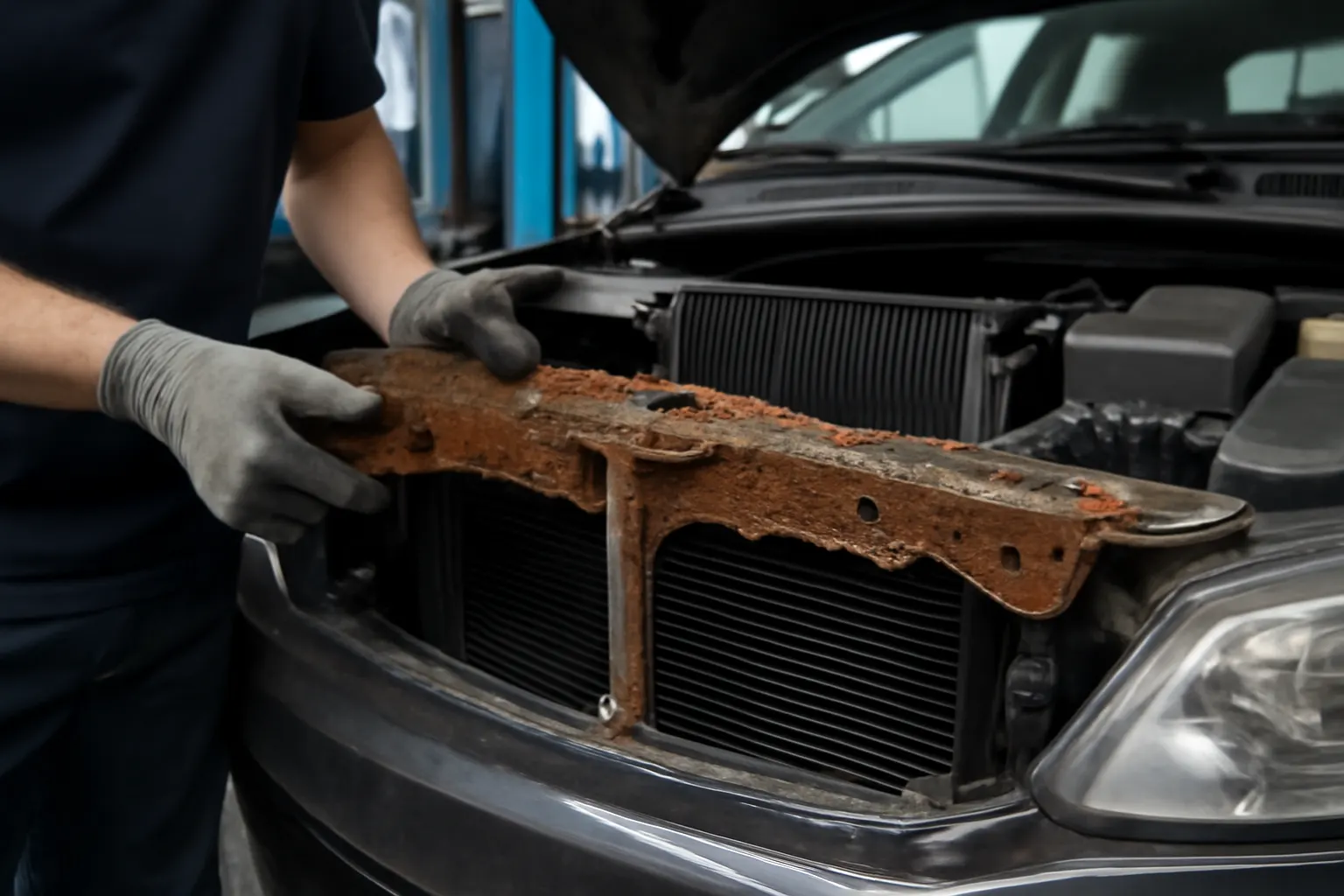
The Hidden Dangers of Rusted Core Supports
When it comes to vehicle safety and longevity, few components are as crucial yet as often overlooked as the radiator core support. This structural backbone ensures the alignment and stability of your front-end cooling system, but when corrosion takes hold, the consequences can be severe. Rusted core supports jeopardize not only your vehicle's cooling efficiency but also its structural integrity and, ultimately, your safety on the road.
Read More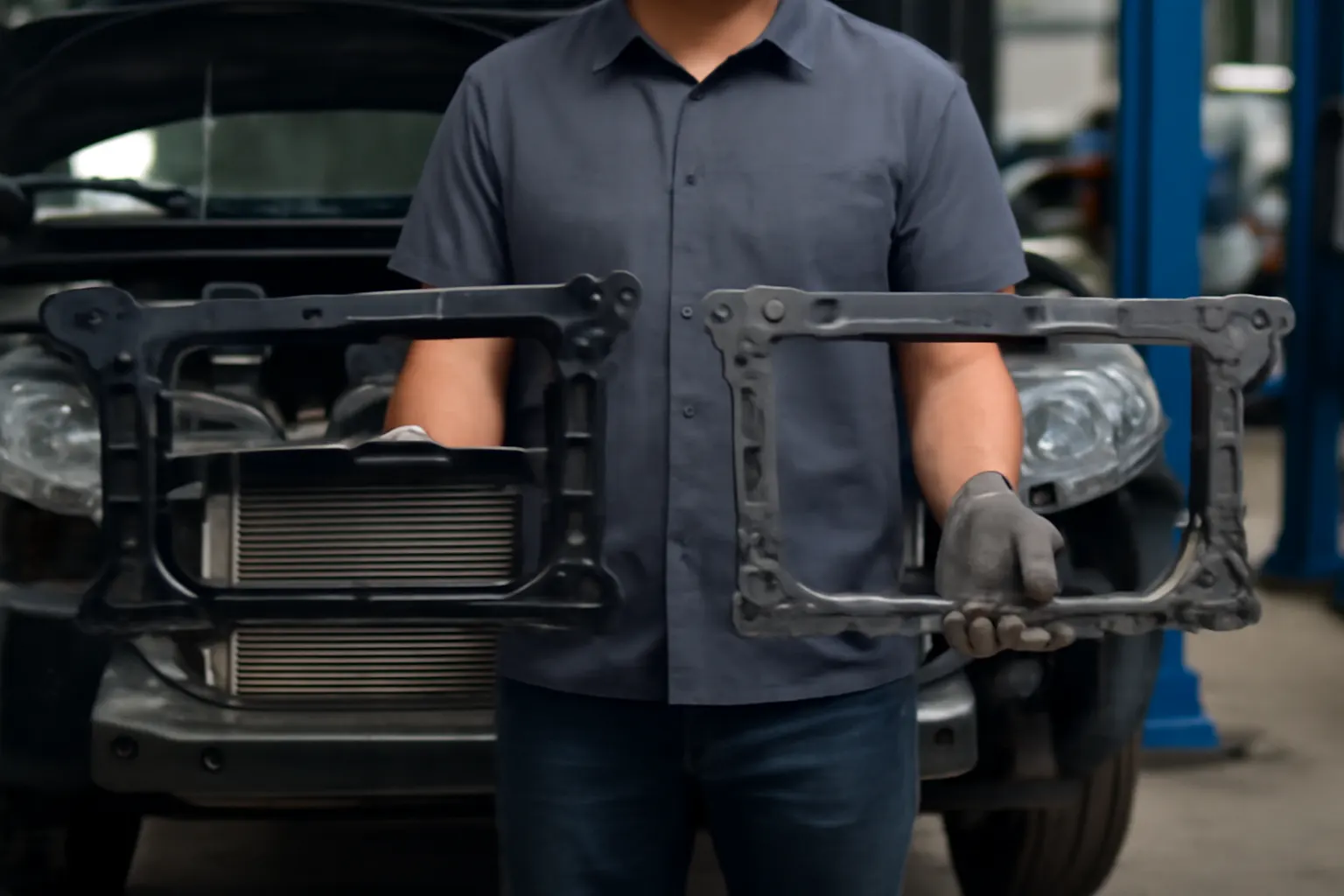
OEM vs. Aftermarket Radiator Core Supports: What Matters Most?
When your vehicle’s front end sustains damage or corrosion, few parts are as critical to address as the radiator core support. As the structural backbone for your cooling system, this component directly affects radiator and condenser alignment, crash safety, and even long-term fuel efficiency. The choice between OEM (Original Equipment Manufacturer) and aftermarket radiator core supports is more than a matter of price—it’s a decision that impacts fitment, material quality, and the durability of your entire front-end assembly.
Read More