
Chevy Corvette Latches Parts
Chevy Corvette Latches: What to Know Before You Buy or Replace
Latches may not be the first thing that comes to mind when thinking about Chevy Corvette maintenance, but their role in safety and convenience is crucial. Whether you’re restoring a classic or maintaining a newer model, understanding how to evaluate, select, and service Corvette latches can help prevent headaches down the road. This guide offers practical steps and evidence-based insights to support informed decisions about latch replacement or repair.
Advertisement
9 Chevy Corvette Latches Parts


Advertisement
More Latches options for Chevy Corvette
Filtering for Chevy Corvette • LatchesBrowse nearby inventory for this model and category without leaving the page.
No Data Available
Please check back soon when more inventory is available for this part.
Advertisement
Why Latch Condition Deserves Your Attention on the Corvette
When most Corvette owners consider maintenance, latches rarely top the list. Yet these small components play a vital role in both safety and everyday usability. From securing hoods and trunks to ensuring doors close properly, a faulty latch can quickly escalate from a minor annoyance to a significant problem. Overlooking latch health may lead to unexpected inconvenience or, in some cases, compromise vehicle security and occupant safety. Even if your Corvette seems to function flawlessly, it’s worth pausing to consider the unseen wear these parts endure over years of use.
The unique design and performance focus of the Chevy Corvette means that every component, including latches, is engineered for specific tolerances and loads. High-speed driving, repeated opening and closing, and exposure to the elements can all contribute to latch fatigue or misalignment. Owners who take pride in their vehicle’s appearance and function might not realize that a worn or misaligned latch can detract from both. A subtle misfit could lead to rattles, wind noise, or even water ingress—issues that are often misattributed to other causes.
Many Corvette enthusiasts invest in cosmetic upgrades or engine performance, but neglecting latch maintenance can undermine these efforts. A pristine paint job or restored interior won’t compensate for a hood that won’t stay closed or a trunk that pops open unexpectedly. As latches age, their performance can decline gradually, making it easy to miss early warning signs. Proactive attention to these components can help preserve the integrity and value of your Corvette over time.

Understanding Latch Issues in the Chevy Corvette Context
Latches on the Chevy Corvette serve more than just a functional role—they are integral to the vehicle’s safety systems and overall user experience. Unlike some mass-market vehicles, the Corvette’s composite body panels and unique door mechanisms mean that latch failure can result in more than just inconvenience. For example, a malfunctioning hood latch could lead to the hood unexpectedly opening while driving, posing a serious hazard. Similarly, faulty door or trunk latches can compromise cargo security or allow water to enter the cabin, leading to costly repairs.
The complexity of modern Corvette latches, especially in recent generations, includes electronic sensors and actuators in addition to traditional mechanical components. This added complexity can increase the likelihood of issues arising from electrical faults, misalignment, or wear. Owners of older Corvettes may face challenges sourcing compatible latches, as design changes over the years can make direct replacements difficult to find. Even among the same model year, trim variations may affect latch specifications and fitment.
Recalls and safety campaigns sometimes target latch assemblies, especially if a design flaw or manufacturing defect is discovered. However, not every issue leads to a formal recall. Many latch problems are identified through owner complaints or routine service checks. This means that Corvette owners must remain vigilant, as not all potential latch issues will be flagged by the manufacturer or regulatory agencies. The National Highway Traffic Safety Administration (NHTSA) provides resources for checking recall status, but it is important to understand the limitations of these tools.
Environmental exposure is another factor that can accelerate latch deterioration. Corvettes are often driven in a variety of conditions—from sunny cruises to rainy track days. Moisture, road salt, and temperature fluctuations can all contribute to corrosion or binding in latch mechanisms. In some cases, the symptoms may be subtle, such as increased resistance when opening a door or a trunk that requires extra force to close. These signs should not be ignored, as they often precede more significant failures.
Aftermarket modifications or previous repairs can also introduce complications. Non-original latches, improper installation, or mismatched components may result in poor alignment or unreliable operation. When purchasing a used Corvette, it’s wise to inspect all latches for signs of tampering or non-factory parts. Even reputable body shops may substitute salvage or remanufactured latches, which can vary in quality and compatibility. Understanding the provenance of replacement parts is essential for long-term reliability.
Finally, the lack of standardized repair intervals for latches means that many owners rely on visual inspection or functional testing to determine when service is needed. Unlike oil changes or brake pad replacements, latch maintenance is rarely documented in owner’s manuals. This places the responsibility on the owner or technician to recognize early warning signs and take corrective action before a minor issue becomes a major headache.
Practical Steps for Selecting and Servicing Corvette Latches
Begin your latch evaluation by conducting a thorough inspection of all access points—doors, trunk, hood, and, for certain models, removable roof panels. Look for signs of wear, such as loose handles, misaligned panels, or difficulty engaging the latch. Operate each latch several times, noting any unusual resistance, sticking, or incomplete closure. If you notice a door or hood that requires extra force to secure, this may indicate internal wear or misalignment. Document any issues for further investigation or discussion with a qualified technician.
If you suspect a latch problem, consult your Corvette’s owner manual for guidance on adjustment or lubrication. Some minor issues can be resolved with careful cleaning and application of a manufacturer-approved lubricant. However, persistent problems—such as a latch that fails to engage or releases unexpectedly—warrant professional attention. For complex or electronic latch assemblies, diagnostic tools may be required to pinpoint the source of the malfunction. Do not attempt to force or modify latches without appropriate documentation, as this can cause further damage or compromise safety.
When replacement is necessary, identify the correct part using your vehicle’s VIN. The National Highway Traffic Safety Administration (NHTSA) recommends using the VIN to check for recalls and to ensure you are sourcing the right component for your specific model and year. This is especially important for Corvettes, as latch designs can vary significantly between generations and even within the same production year. Avoid assuming compatibility based on appearance alone; always verify fitment with the seller or manufacturer.
Compare options from different suppliers, keeping in mind the distinctions between new, remanufactured, and salvage latches. The Federal Trade Commission (FTC) advises consumers to ask whether a part is new, rebuilt, or salvaged, as this affects both price and expected longevity. Salvage latches, for example, come from another vehicle and may show signs of prior use, while new or remanufactured units typically offer more predictable performance. Request a written estimate that details the part’s origin, condition, and any applicable warranty or return policy.
For expensive or complicated repairs, the FTC suggests seeking a second opinion. Ask the technician about their experience with Chevy Corvette latches and request a detailed repair order listing the work performed, parts used, and associated costs. This documentation not only protects your investment but also provides a reference for future maintenance. If a shop recommends additional services beyond latch replacement, compare their suggestions with the manufacturer’s maintenance schedule and ask for justification.
If you are considering a used or salvage latch, inspect the component for signs of wear, corrosion, or previous repair. Salvage parts may be a cost-effective option, especially for older Corvettes with hard-to-find components, but quality can vary. Whenever possible, request photos and detailed descriptions from the seller. If purchasing online, confirm the return policy in case the part does not fit or function as expected. Keep in mind that there is no standard warranty on repairs or salvage parts, so clarify coverage before committing to a purchase.
After installation, test each latch thoroughly under real-world conditions. Open and close each access point multiple times, checking for smooth operation and secure engagement. Listen for rattles, observe for panel misalignment, and verify that any electronic sensors or warning lights function correctly. If issues persist, consult a qualified technician or revisit the installation process to ensure proper fitment. Document the repair with a completed order listing the work performed, odometer reading, and part numbers for future reference.
Finally, develop a habit of periodic latch inspection as part of your regular maintenance routine. While there is no prescribed service interval, checking latches at least twice a year—especially before and after seasonal storage—can help catch problems early. Register your Corvette with NHTSA’s SaferCar app or sign up for recall alerts to stay informed about any safety campaigns affecting latch assemblies. This proactive approach helps ensure the ongoing safety, security, and enjoyment of your Corvette.
Published Guidance and What It Means for Corvette Latch Buyers
The National Highway Traffic Safety Administration (NHTSA) offers a comprehensive recall lookup tool that allows Corvette owners to check for open recalls related to latches or other safety components. By entering the vehicle’s VIN, owners can determine if their specific Corvette is subject to any manufacturer-initiated safety campaigns. However, the NHTSA explicitly notes that searching by year, make, and model only provides general recall information, not confirmation of a defect in a particular vehicle. This means that while the tool is invaluable for identifying known issues, it should not be the sole basis for diagnosing a latch problem or selecting a replacement part. Always use the VIN for the most accurate results and consult with the manufacturer or dealer if you have concerns about recall status or remedy options. NHTSA: Vehicle Recalls
NHTSA’s recall process is driven by owner complaints, manufacturer reports, and agency investigations. If a pattern of latch failures is reported, NHTSA may open an investigation that could lead to a recall. However, not every latch issue results in a recall, and many problems are addressed through service bulletins or routine maintenance. NHTSA’s resources clarify that owners are responsible for registering their vehicles and checking for recalls at least twice a year. This underscores the importance of proactive monitoring, as not all latch defects will be formally announced or remedied by the manufacturer. NHTSA: Vehicle Recalls
The Federal Trade Commission (FTC) provides general guidance for consumers considering auto repairs, including latch replacement. The FTC emphasizes the importance of obtaining a written repair estimate that specifies the condition to be repaired, the parts needed, and anticipated labor charges. This advice is particularly relevant for Corvette owners, as latch repairs can range from simple adjustments to complex replacements involving electronic components. By requesting a detailed estimate, owners can better understand the scope of work and avoid unexpected costs. FTC: Auto Repair Basics
The FTC also distinguishes between new, remanufactured, and salvage parts, advising consumers to clarify the type of part being installed. Salvage latches, for example, are sourced from other vehicles without alteration and may exhibit wear consistent with prior use. This guidance is especially pertinent for Corvette owners seeking hard-to-find components for older models. Understanding the origin and condition of a replacement latch can help set realistic expectations for performance and longevity. FTC: Auto Repair Basics
Neither the NHTSA nor the FTC provides vehicle-specific technical specifications or repair intervals for Corvette latches. Instead, they recommend following the manufacturer’s maintenance schedule and consulting the owner’s manual for guidance. This means that Corvette owners must rely on a combination of official documentation, professional advice, and personal inspection to determine when latch service or replacement is necessary. The absence of standardized intervals highlights the importance of vigilance and regular functional checks.
The FTC further advises consumers to compare shop recommendations with the manufacturer’s maintenance schedule and to ask why extra services are proposed. This approach helps Corvette owners avoid unnecessary repairs or part replacements. If a technician suggests additional work beyond latch replacement, request an explanation and supporting documentation. This ensures that any recommended services are justified and aligned with the vehicle’s actual needs. FTC: Auto Repair Basics
Finally, both NHTSA and FTC resources clarify that there is no standard warranty on repairs or salvage parts. Owners should understand the coverage offered by the seller or installer and obtain it in writing whenever possible. This is particularly important for Corvette latches, as compatibility and longevity can vary depending on the part’s origin and condition. By following these published guidelines, Corvette owners can make informed decisions that protect both their investment and their safety.
Take the Next Step: Inspect, Compare, and Stay Informed
If you own or are considering a Chevy Corvette, don’t overlook the importance of latch health. Begin by inspecting all latches for signs of wear or malfunction and use your VIN to check for recalls through trusted resources. When sourcing replacement latches, compare new, remanufactured, and salvage options, and always request detailed documentation. Stay proactive by registering for recall alerts and making latch inspection a regular part of your maintenance routine. For more information or to explore available options, visit our dedicated page for Chevy Corvette Latches.
References
- NHTSA: Vehicle Recalls
- FTC: Auto Repair Basics
References
- NHTSA: Vehicle Recalls - NHTSA, accessed 2026-11-01
- FTC: Auto Repair Basics - FTC, accessed 2026-11-01
Related Guides & Articles

How to Spot Counterfeit Chevy Parts
Counterfeit Chevy parts can jeopardize your vehicle's safety, reliability, and performance. Whether you're shopping for a replacement alternator, brake pads, or sensors, identifying fakes before you buy is crucial. This guide delivers immediate visual clues, packaging tips, and real-world examples to help you confidently distinguish genuine from counterfeit Chevy components—protecting both your investment and your safety.
Read More
Chevy Service Intervals Explained
Build a Chevrolet maintenance plan from the correct owner’s manual, service history and dashboard messages. Learn how oil-life reminders differ from oil-pressure warnings, how mileage and elapsed time affect a service decision, and why gasoline and electric vehicles need different schedules. Use the checklist to discuss a clear, itemized plan with your repairer.
View Guide
The Role of Door Latches in Vehicle Safety Standards
Door latches are a critical, yet often underappreciated, component of modern automotive safety and engineering. These mechanisms are not just responsible for keeping doors closed—they are engineered to meet stringent federal safety regulations, contribute directly to crashworthiness, and play a significant role in the overall integrity of a vehicle during collisions and rollovers.
Read More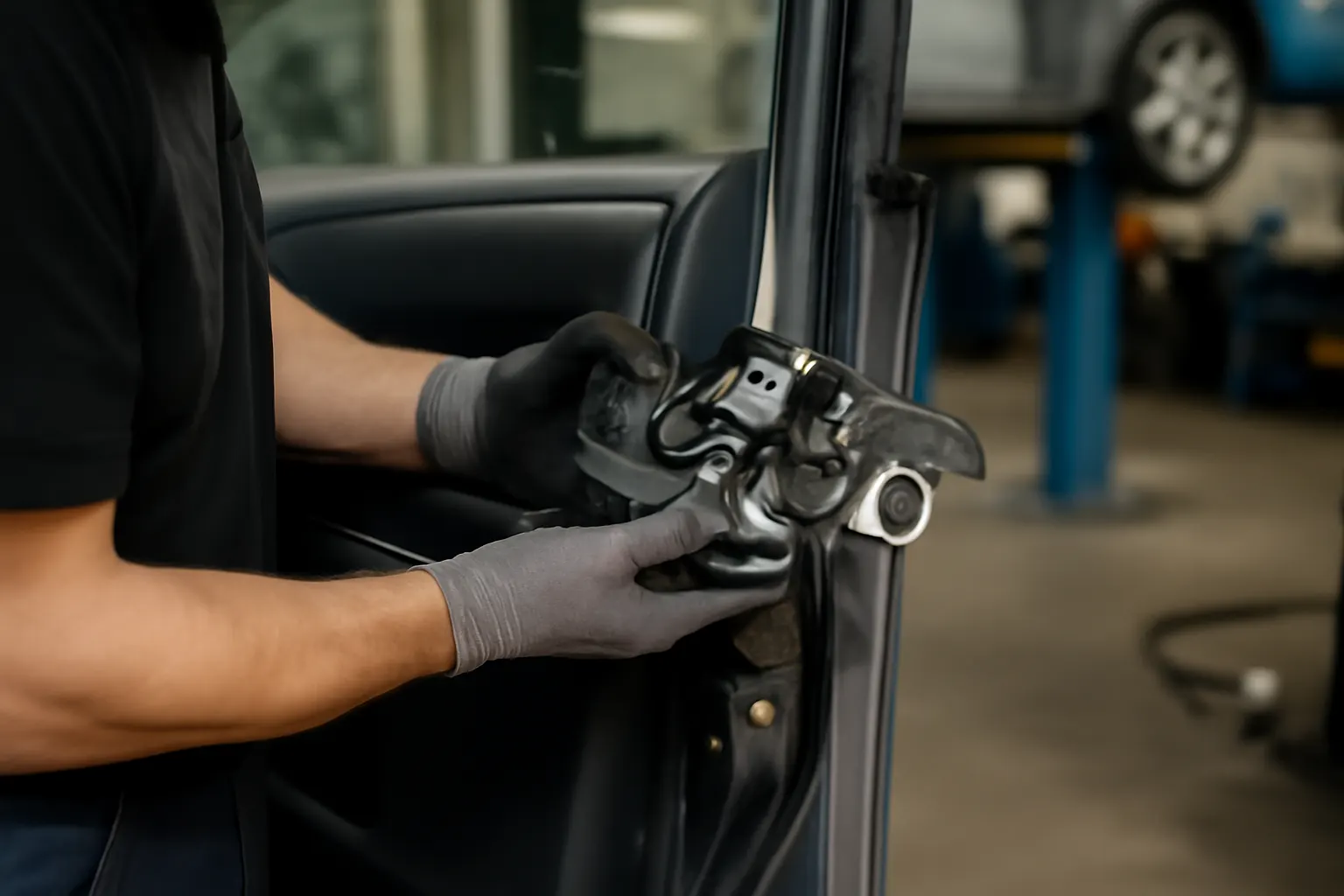
Why Latch Maintenance Matters for Vehicle Safety
Automotive latches are more than simple mechanical connectors—they are essential for keeping your vehicle, its occupants, and its cargo secure. Regular latch maintenance is a critical, yet often overlooked, aspect of vehicle safety that can prevent unexpected failures, reduce repair costs, and maintain the integrity of your car’s security systems.
Read More