
Chevy Corvette Intake Manifold Parts
Chevy Corvette Intake Manifold: What to Know Before You Buy
Many Chevy Corvette owners overlook the intake manifold when considering performance and reliability upgrades. Yet this component plays a vital role in engine efficiency and can be a hidden culprit behind various drivability issues. Understanding how to evaluate, select, and replace an intake manifold is essential for maintaining your Corvette’s performance and value. This guide walks you through overlooked factors, technical context, practical steps, and published evidence to help you make a confident decision.
Advertisement
7 Chevy Corvette Intake Manifold Parts


Advertisement
More Intake Manifold options for Chevy Corvette
Filtering for Chevy Corvette • Intake ManifoldBrowse nearby inventory for this model and category without leaving the page.
No Data Available
Please check back soon when more inventory is available for this part.
Advertisement
Why the Intake Manifold Deserves Your Attention
For many Chevy Corvette enthusiasts, the intake manifold rarely tops the list of parts to monitor or replace. It sits quietly between the throttle body and cylinder heads, channeling air (and sometimes fuel) into the engine. Yet, its condition can profoundly impact everything from throttle response to fuel economy. Ignoring this component can mean missing subtle signs of trouble that, over time, may lead to more expensive repairs or diminished performance. The intake manifold’s role is often underestimated, making it a critical, yet overlooked, part of the maintenance equation.
Most drivers focus on more obvious wear items—brakes, tires, or even spark plugs—when troubleshooting engine issues. However, the intake manifold’s health can directly affect engine smoothness, idle quality, and even emissions. A compromised manifold may not trigger a check engine light immediately, allowing issues to go undetected until symptoms worsen. For Corvette owners, especially those with performance aspirations, understanding this part’s function and failure modes is essential.
Replacement or upgrade decisions for the intake manifold are not just about chasing horsepower gains. They’re about ensuring the engine receives the correct air-fuel mixture for optimal combustion. Overlooking the manifold can result in chasing other repairs or modifications that don’t address the root cause of performance dips. By paying closer attention to this component, Corvette owners can avoid unnecessary expenses and keep their vehicles running at their best.

Understanding Intake Manifold Issues in the Chevy Corvette
The intake manifold in a Chevy Corvette is responsible for distributing air (and on some models, fuel) evenly to each cylinder. If this flow is disrupted by cracks, leaks, or internal blockages, the engine may run lean or rich, leading to misfires, rough idling, or reduced power. These symptoms can be mistaken for ignition or fuel system problems, causing owners and technicians to overlook the intake manifold as the source.
Aging intake manifolds can develop vacuum leaks at the gaskets or along the manifold body itself. This is especially true for plastic manifolds found on some Corvette engines, which may warp or crack over time due to heat cycles. Even metal manifolds can suffer from corrosion or gasket failure, allowing unmetered air to enter the engine. This disrupts the precise air-fuel ratio needed for efficient combustion.
Symptoms of intake manifold issues are often subtle at first. Owners might notice a slight drop in fuel economy, a faint whistle or hissing noise, or sporadic engine hesitation under load. These early warning signs are easy to dismiss, especially if no diagnostic trouble codes are present. However, ignoring them can lead to more severe engine problems, including overheating or internal damage if the leak is severe enough to cause lean running conditions.
In the context of the Chevy Corvette, intake manifold problems can also affect performance modifications. Upgrades such as high-flow air filters or aftermarket exhaust systems may not deliver expected gains if the intake manifold is compromised. In some cases, owners may blame new modifications for drivability issues that actually stem from a failing manifold or its gaskets.
Another overlooked aspect is the impact on emissions. Intake manifold leaks can introduce excess oxygen into the exhaust stream, confusing the oxygen sensors and leading to increased emissions or failed inspection tests. For Corvette owners in areas with strict emissions regulations, this can mean unexpected repair bills or registration delays. It’s crucial to consider the intake manifold’s integrity when diagnosing emissions failures.
Finally, the intake manifold is not immune to manufacturer recalls or technical service bulletins. While not every Corvette or manifold design has been subject to recall, it’s important to check for any open recalls or reported issues before purchasing a replacement or used part. This ensures you’re not installing a component with a known defect or safety risk, which could compromise both performance and safety.
How to Diagnose, Select, and Replace a Chevy Corvette Intake Manifold
Diagnosing intake manifold issues begins with a careful visual inspection. Look for obvious signs of oil or coolant leaks around the manifold gasket area. Use a flashlight to check for cracks, especially on plastic manifolds, and inspect for any loose or missing bolts. Listen for unusual hissing or whistling sounds at idle, which can indicate vacuum leaks. If available, use a smoke machine to detect leaks more precisely by introducing smoke into the intake system and watching for visible escape points.
A scan tool can help identify related trouble codes, such as lean condition (P0171/P0174) or misfire codes (P0300 series). However, not all intake manifold issues will trigger a code. Pay attention to fuel trim readings—unusually high positive values may indicate unmetered air entering the system. If you suspect a leak but can’t find it visually, try spraying carburetor cleaner or soapy water around the gasket area while the engine runs. A change in idle speed or bubbling can pinpoint the leak location.
When selecting a replacement intake manifold for your Chevy Corvette, confirm compatibility using your vehicle’s VIN. This ensures the manifold matches your engine’s year, displacement, and any unique features such as EGR passages or sensor ports. Salvage manifolds can be a cost-effective option, but inspect them carefully for cracks, warping, or stripped threads. Ask the seller for detailed photos and, if possible, a return policy in case the part does not fit or function as expected.
Consider whether you want a new, remanufactured, or salvage intake manifold. New manifolds offer the greatest peace of mind but come at a premium price. Remanufactured units are cleaned, inspected, and may have new gaskets or hardware installed. Salvage parts, as noted by the FTC, are removed from another vehicle without alteration and should be inspected for wear or damage before installation. Each option has trade-offs in terms of cost, availability, and risk.
Before installation, clean the mating surfaces thoroughly and inspect the replacement manifold for debris or manufacturing defects. Replace the intake manifold gaskets with new, high-quality units—reusing old gaskets can lead to immediate leaks. Torque all bolts to manufacturer specifications in the recommended sequence to avoid warping the manifold or causing uneven sealing. Double-check all vacuum hoses and sensor connections to ensure proper operation after reassembly.
After installation, start the engine and monitor for leaks or unusual noises. Use a scan tool to check for any new trouble codes and verify that fuel trims have returned to normal ranges. Take the vehicle for a test drive, paying attention to idle quality, throttle response, and overall engine smoothness. If issues persist, recheck your work for missed connections or overlooked leaks.
For complex repairs or high-performance applications, consider consulting a technician with experience on Chevy Corvettes. As the FTC suggests, a second opinion can be valuable for expensive or complicated jobs. Ask the shop if they have worked on your specific Corvette generation and request a written estimate outlining the parts, labor, and any warranties offered. This documentation is crucial for understanding what is covered if issues arise after the repair.
Finally, keep detailed records of the repair, including part numbers, installation steps, and any test results. This information is useful for future troubleshooting and can add value when selling the vehicle. If you experience recurring issues, these records help establish a pattern and support warranty claims or further diagnostics. By following these steps, you can confidently restore your Corvette’s performance and reliability with a properly selected and installed intake manifold.
Published Guidance and Evidence for Intake Manifold Replacement
The National Highway Traffic Safety Administration (NHTSA) provides a comprehensive recall database that allows consumers to check for open safety recalls by VIN or vehicle make, model, and year. This resource is essential for any Chevy Corvette owner considering an intake manifold replacement, as it can reveal if a specific manifold design has been subject to a safety recall or manufacturer campaign. However, searching by year, make, and model yields only general recall information; it does not confirm that a particular vehicle or manifold is affected. For definitive results, owners should use their VIN to check for open recalls related to the intake manifold or associated components. This step helps avoid installing a part with a known defect, supporting safer and more reliable repairs. NHTSA: Vehicle Recalls
The NHTSA recall process begins with consumer complaints and may progress through investigations before a recall is issued. If multiple owners report similar intake manifold failures, NHTSA may open an investigation to determine if a safety-related defect exists. Should a recall be initiated, manufacturers are required to notify registered owners and offer a remedy, which may include repair, replacement, or refund. However, not all intake manifold issues lead to recalls, and the absence of a recall does not guarantee the part is free from defects. This underscores the importance of checking for technical service bulletins and consumer complaints in addition to formal recalls. NHTSA: Vehicle Recalls
The Federal Trade Commission (FTC) offers general guidance for auto repairs, emphasizing the importance of obtaining a written estimate, understanding the type of replacement part (new, remanufactured, or salvage), and verifying technician experience with the specific make and model. This advice is particularly relevant for Corvette intake manifold replacements, as the complexity of the job and the potential for compatibility issues make documentation and expertise critical. The FTC also notes that salvage parts are unaltered components removed from another vehicle, highlighting the need for careful inspection before installation. FTC: Auto Repair Basics
The FTC further recommends comparing shop recommendations with the manufacturer’s maintenance schedule and asking for justification if extra services are proposed. For Corvette owners, this means cross-referencing any advice to replace the intake manifold with the vehicle’s official maintenance guidelines. If a shop suggests manifold replacement outside of scheduled intervals, owners should request a clear explanation and consider seeking a second opinion, especially for high-cost repairs. This approach helps prevent unnecessary work and ensures that repairs are evidence-based. FTC: Auto Repair Basics
Neither the NHTSA nor the FTC provides specific technical specifications or repair procedures for Chevy Corvette intake manifolds. Instead, their guidance centers on consumer protection, documentation, and the recall process. This means that buyers must rely on reputable sources for technical details, such as factory service manuals or experienced Corvette technicians. When purchasing a replacement manifold, ask the seller for compatibility confirmation based on your VIN and request detailed photos to verify condition, especially for salvage parts. This reduces the risk of receiving an incorrect or damaged component.
While the NHTSA’s recall database is a valuable tool, it does not guarantee that every intake manifold issue will be captured. Some problems may not meet the threshold for a recall or may only be addressed through technical service bulletins. Owners should also be aware that recalls more than 15 years old may not appear in the database, and international vehicles or specialty applications may be excluded. Regularly checking for updates and registering your vehicle with NHTSA can help ensure you receive timely notifications about relevant recalls or safety issues. NHTSA: Vehicle Recalls
The FTC explicitly states that there is no standard warranty on repairs, and coverage varies by shop and part type. This is crucial when selecting between new, remanufactured, or salvage intake manifolds for your Corvette. Always ask for warranty terms in writing and clarify what is covered, including labor and parts. This protects you from unexpected costs if the replacement manifold fails prematurely. Keeping detailed records of the transaction and installation further supports any future claims or troubleshooting efforts. FTC: Auto Repair Basics
Take the Next Step for Reliable Corvette Performance
If you’re considering an intake manifold replacement for your Chevy Corvette, start by verifying compatibility using your VIN and checking the NHTSA database for any open recalls. Gather written estimates, inspect potential replacement parts carefully, and document every step of the process. By following published guidance and prioritizing evidence-based decisions, you’ll protect your investment and ensure your Corvette delivers the performance and reliability you expect. For more information or to explore available options, visit our Chevy Corvette Intake Manifold page.
References
- NHTSA: Vehicle Recalls
- FTC: Auto Repair Basics
References
- NHTSA: Vehicle Recalls - NHTSA, accessed 2026-11-01
- FTC: Auto Repair Basics - FTC, accessed 2026-11-01
Related Guides & Articles

How to Spot Counterfeit Chevy Parts
Counterfeit Chevy parts can jeopardize your vehicle's safety, reliability, and performance. Whether you're shopping for a replacement alternator, brake pads, or sensors, identifying fakes before you buy is crucial. This guide delivers immediate visual clues, packaging tips, and real-world examples to help you confidently distinguish genuine from counterfeit Chevy components—protecting both your investment and your safety.
Read More
Chevy Service Intervals Explained
Build a Chevrolet maintenance plan from the correct owner’s manual, service history and dashboard messages. Learn how oil-life reminders differ from oil-pressure warnings, how mileage and elapsed time affect a service decision, and why gasoline and electric vehicles need different schedules. Use the checklist to discuss a clear, itemized plan with your repairer.
View Guide
Common Intake Manifold Failures and How to Prevent Them
Intake manifold failures are a frequent cause of engine performance issues, loss of efficiency, and even significant engine damage if left unaddressed. Understanding the most common intake manifold problems—and, more importantly, how to prevent them—can save you time, money, and frustration, whether you’re a DIY enthusiast or a professional technician.
Read More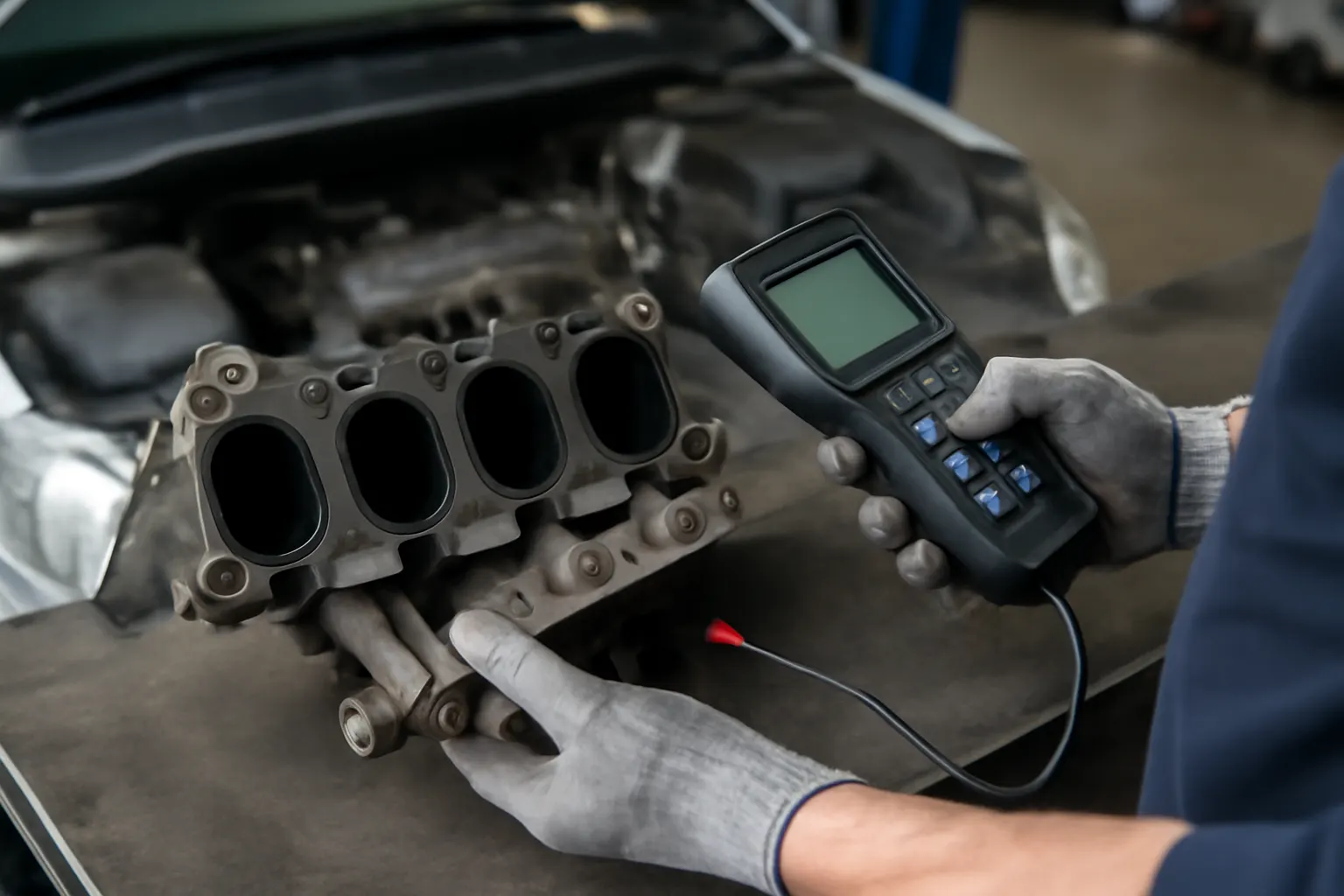
Common Intake Manifold Failures and How to Prevent Them
Intake manifolds are critical to engine performance, efficiency, and long-term reliability. Yet, they’re among the most overlooked components when it comes to routine maintenance and diagnosis. If you’re experiencing rough idle, loss of power, coolant leaks, or unexplained check engine lights, your intake manifold could be the culprit. In this guide, you’ll learn the most common intake manifold failures, why they happen, and—most importantly—how to prevent them for years of dependable operation.
Read More