Common Intake Manifold Failures and How to Prevent Them
Intake manifolds are critical to engine performance, efficiency, and long-term reliability. Yet, they’re among the most overlooked components when it comes to routine maintenance and diagnosis. If you’re experiencing rough idle, loss of power, coolant leaks, or unexplained check engine lights, your intake manifold could be the culprit. In this guide, you’ll learn the most common intake manifold failures, why they happen, and—most importantly—how to prevent them for years of dependable operation.
Whether you drive a modern direct-injection engine or maintain a classic carbureted powerplant, understanding intake manifold health is essential. For a deeper dive into intake system fundamentals, see our Intake Manifold: The Heart of Engine Airflow and Performance category page.
Why Intake Manifold Failures Matter: Immediate Impacts
A failing intake manifold can quickly undermine your vehicle’s drivability and safety. Typical symptoms include:
- Engine misfires or rough idle
- Noticeable loss of power or acceleration
- Coolant leaks near the manifold area
- Check Engine Light with codes related to air/fuel mixture or EGR
- Unusual noises—such as whistling or hissing—from the engine bay
These symptoms aren’t just annoyances; they can signal deeper issues affecting fuel efficiency, emissions compliance, and even catastrophic engine damage if left unaddressed. According to the United States Department of Energy, intake system integrity is directly tied to optimal fuel efficiency and emissions control.1
The Hidden Problem: Intake Manifolds Are Under Constant Attack
Despite their robust appearance, intake manifolds face a barrage of stresses every time your engine runs:
- Thermal cycling (heating and cooling with each drive)
- Vibration (from engine operation and road conditions)
- Chemical exposure (oil vapors, coolant, EGR gases, and sometimes fuel)
- Pressure differentials (intake vacuum and, in forced induction, positive pressure)
Over time, these factors can lead to warping, gasket failure, material fatigue, cracking, and internal leaks. Modern materials and manufacturing methods have improved reliability, but design compromises—especially in lightweight plastic manifolds—introduce new failure points.2
Common Intake Manifold Failure Modes
Understanding how intake manifolds fail is the first step toward prevention. Here are the most frequent failure modes seen across a range of vehicles:
1. Gasket Failure
Intake manifold gaskets seal the manifold to the cylinder head(s), and often also seal coolant passages. Over time, these gaskets can:
- Degrade from heat and chemical exposure
- Shrink, harden, or crack
- Allow unmetered air or coolant leaks
Gasket failures are especially common in engines using composite (plastic) manifolds, as these materials expand and contract more than traditional cast aluminum.
2. Cracking and Warping
Thermal cycling and mechanical stress can cause the manifold body to:
- Crack, especially at mounting flanges or near coolant passages
- Warp, leading to uneven sealing surfaces
Plastic manifolds are more prone to these issues, but even cast aluminum can warp if overheated.
3. Internal Coolant Leaks
Many modern intake manifolds route coolant through internal passages. When these passages fail (due to cracks or gasket breakdown), coolant can:
- Leak externally onto the engine
- Enter the intake runners, risking hydrolock or internal engine damage
4. Vacuum Leaks
A breach in the manifold or its gaskets allows unmetered air into the engine, causing:
- Lean running conditions
- Erratic idle
- Poor fuel economy
- Potential engine damage from detonation
5. EGR and PCV Passage Blockage
Carbon buildup can clog Exhaust Gas Recirculation (EGR) or Positive Crankcase Ventilation (PCV) passages integrated into the manifold, leading to:
- Check Engine Light with EGR/PCV codes
- Increased emissions
- Engine knocking or pinging
Deeper Technical Background: Why These Failures Occur
Material Choices and Their Consequences
Automakers have increasingly shifted from cast iron or aluminum to composite plastics for intake manifolds, driven by the need to reduce weight and improve fuel efficiency.2 However, composite materials:
- Have lower thermal mass (they heat and cool faster)
- Are more susceptible to stress cracking
- May age poorly when exposed to oil vapors and heat
Aluminum manifolds, while more robust, are not immune to warping or corrosion—especially if coolant quality is poor.
Integrated Components: More Complexity, More Failure Points
Modern intake manifolds often integrate:
- Coolant passages
- EGR valves and runners
- Active runner control flaps (for variable intake geometry)
- PCV baffles
Each added function is another potential failure point, especially as emission and efficiency standards push designs to their limits.12
The Role of Gaskets and Sealants
Gasket material selection is critical. Silicone, rubber, and composite gaskets all have specific temperature and chemical resistance profiles. Improper torque during installation or re-use of old gaskets can accelerate failure.
Diagnosing Intake Manifold Problems: Step-by-Step
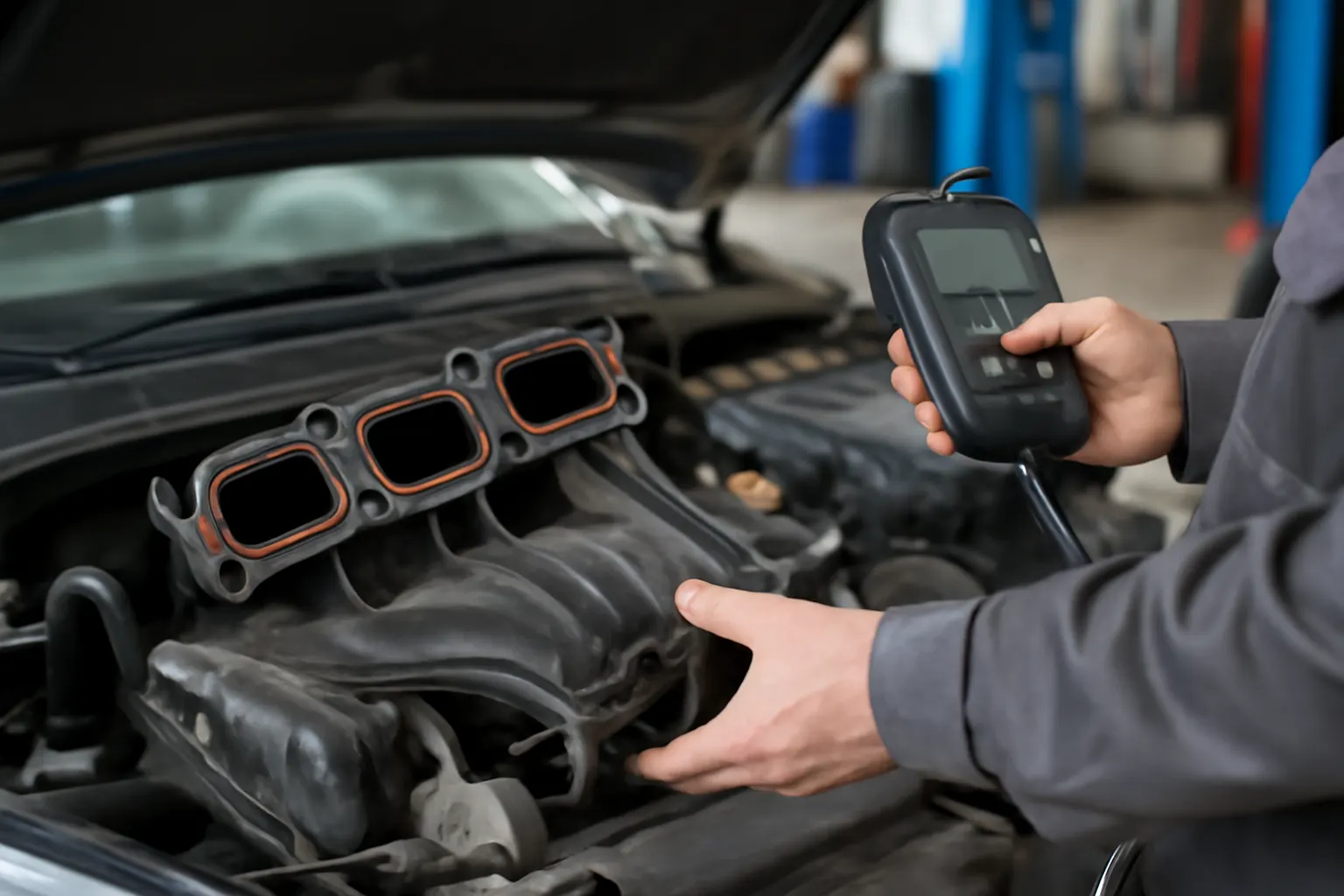
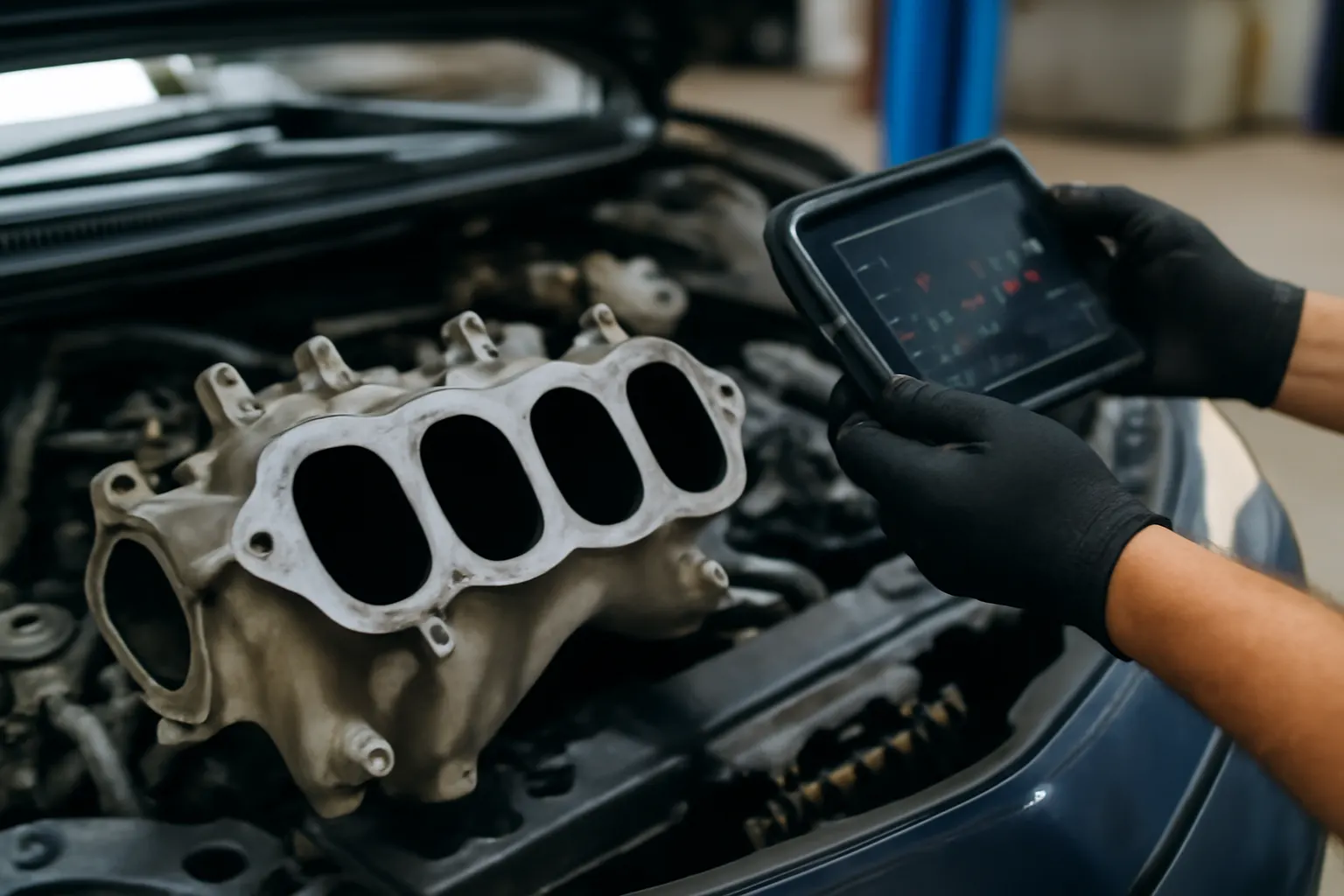
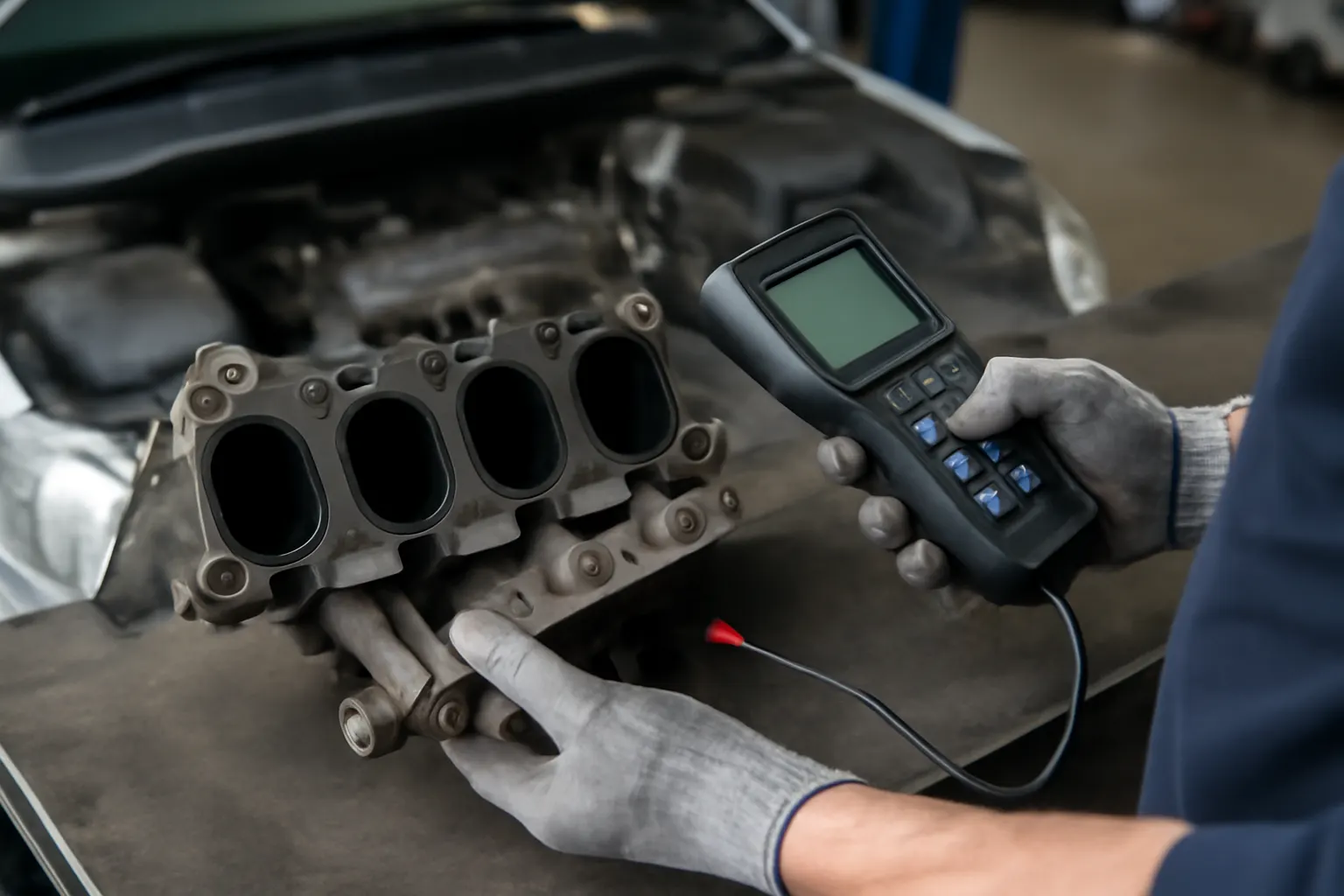
Early, accurate diagnosis is key to preventing small issues from becoming major repairs. Here’s a practical checklist for intake manifold fault finding:
Intake Manifold Failure Diagnostic Checklist
-
Visual Inspection
- Look for coolant or oil leaks around the manifold.
- Inspect for cracks, especially at mounting points and coolant passage areas.
- Check for loose or missing bolts.
-
Listen for Unusual Noises
- Hissing or whistling may indicate a vacuum leak.
-
Check for Engine Codes
- Use an OBD-II scanner to look for codes related to air/fuel mixture, EGR, or misfires.
-
Spray Test for Vacuum Leaks
- With the engine idling, lightly spray carb cleaner or brake cleaner around the manifold-to-head joints. Listen for RPM changes.
-
Coolant Pressure Test
- Pressurize the cooling system and watch for leaks near the intake manifold.
-
Smoke Test
- Introduce smoke into the intake tract and check for escaping vapor around the manifold.
-
Inspect EGR/PCV Passages
- Remove and visually check for carbon buildup or blockage.
-
Check for Warping
- Remove the manifold and lay a straightedge across the sealing surface.
Preventing Intake Manifold Failures: Best Practices
A proactive approach can extend manifold life and prevent costly repairs. Here’s how:
Use High-Quality Parts and Materials
- Opt for OEM or high-quality aftermarket gaskets designed for your specific engine.
- Avoid low-grade plastic manifolds; if possible, upgrade to improved designs or aluminum replacements.
Follow Proper Installation Procedures
- Clean all mating surfaces thoroughly before installing a new manifold or gasket.
- Use a torque wrench and follow the manufacturer’s tightening sequence and specs.
- Replace all gaskets and seals—never re-use old ones.
Maintain Cooling and PCV Systems
- Flush coolant at recommended intervals to prevent corrosion and buildup.
- Replace PCV valves and hoses as needed to prevent oil vapor accumulation and pressure spikes.
Address Engine Overheating Promptly
- Never ignore overheating; excessive heat accelerates manifold and gasket failure.
- Repair cooling system leaks and replace thermostats or water pumps as needed.
Keep Intake and EGR Passages Clean
- Use top-tier fuels and perform periodic intake cleaning to reduce carbon buildup.
- Inspect and clean EGR and PCV passages during major services.
When to Replace vs. Repair: Making the Right Call
Not every intake manifold issue requires total replacement. Here’s how to decide:
-
Replace the manifold if:
- There are visible cracks, severe warping, or internal coolant leaks.
- Integrated components (such as runner control flaps) have failed and are not serviceable.
-
Repair is possible if:
- The issue is limited to gasket failure or minor sealing surface imperfections.
- Carbon buildup can be cleaned without removing the manifold.
-
Hybrid approach:
- Some plastic manifolds can be repaired with specialty epoxies, but this is usually a temporary fix.
Consulting manufacturer technical service bulletins (TSBs) and recall notices is crucial, as some intake manifold designs have known defects or updated replacement parts.3
Sourcing the Right Intake Manifold and Gaskets
Selecting the correct replacement parts is essential for long-term reliability and performance. Consider these factors:
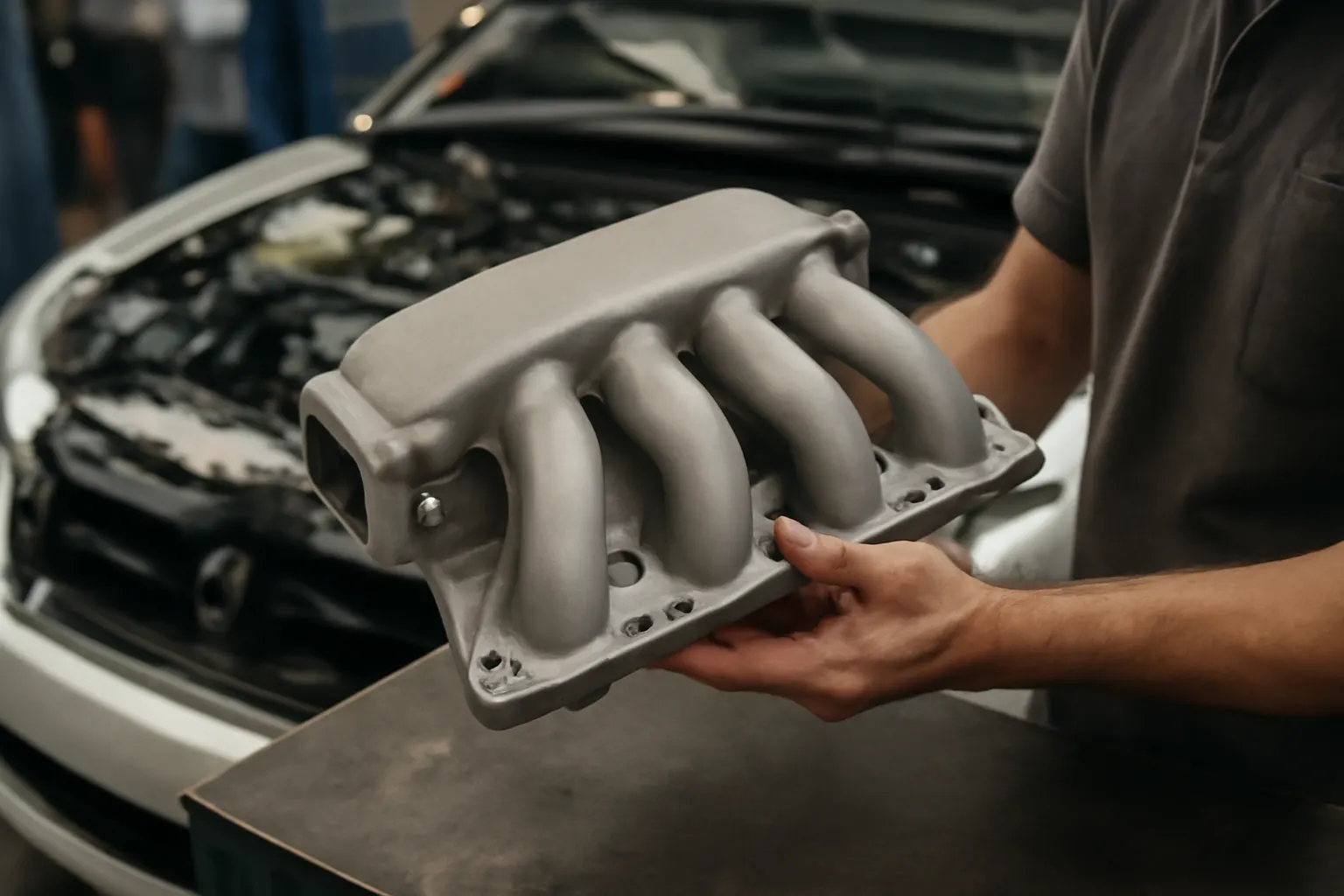
- Application-specific fit: Always match part numbers for your engine code and model year.
- Material upgrades: If available, opt for revised aluminum or reinforced composite designs.
- Integrated component compatibility: Ensure EGR, PCV, and sensor ports match your vehicle’s requirements.
For a curated selection and expert fitment guidance, visit our Intake Manifold: The Heart of Engine Airflow and Performance category page.
Installation Tips for Maximum Longevity
A successful intake manifold installation is all about detail and precision. Follow these guidelines:
- Cleanliness is critical: Debris or old gasket material can prevent proper sealing.
- Torque in stages: Tighten bolts in the manufacturer’s specified sequence and in multiple passes.
- Allow proper curing: If RTV sealant is used, allow adequate curing time before running the engine.
- Reconnect all hoses and sensors: Double-check PCV, EGR, and vacuum lines for secure connections.
- Refill and bleed coolant: Prevent air pockets that can cause hot spots or leaks.
Maintenance: Keeping Your Intake Manifold Healthy
Routine maintenance can prevent most common failures. Here’s a practical schedule:
- Inspect manifold and gaskets every 30,000 miles for leaks or deterioration.
- Flush coolant system every 2–3 years to prevent corrosion.
- Replace PCV valve and hoses every 50,000 miles or as recommended.
- Clean EGR passages and intake runners during spark plug replacement or major services.
- Monitor for check engine lights and address codes promptly.
Advanced Prevention: Upgrades and Modifications
If you’re looking to go beyond basic maintenance, consider these upgrades:
- Performance intake manifolds: Aftermarket designs can improve airflow and durability. See Upgrading to a Performance Intake Manifold for more.
- Aluminum manifold swaps: Many plastic manifold-equipped engines have direct-fit aluminum replacements.
- Reinforced gaskets and hardware: Upgraded gaskets and torque-to-yield bolts can improve sealing.
Before modifying, review How Intake Manifold Design Impacts Engine Performance to ensure compatibility with your performance goals.
Intake Manifold Failures and Fuel Efficiency: The Overlooked Link
A compromised intake manifold doesn’t just affect power—it can also tank your fuel economy. Vacuum leaks and improper air/fuel ratios force the engine control unit (ECU) to compensate, often by running rich or lean. This increases fuel consumption, emissions, and the risk of long-term engine damage.1 Maintaining manifold integrity is a direct investment in your wallet and the environment.
Safety and Compliance: Don’t Ignore Intake Manifold Issues
Intake manifold problems can compromise more than just performance—they can affect emissions and even vehicle safety. Unmetered air or coolant leaks can lead to engine overheating, misfires, or stalling—potentially dangerous on the road. The National Highway Traffic Safety Administration (NHTSA) tracks equipment-related recalls, including intake manifold defects, underlining the importance of prompt repair and quality replacement parts.3
AutoPartEx: Your Partner for Reliable Intake Manifold Solutions
At AutoPartEx, we understand that intake manifold health is foundational to engine performance, efficiency, and safety. Our curated selection of OEM and high-quality aftermarket intake manifolds, gaskets, and installation hardware are rigorously vetted for fit, durability, and compliance with industry standards. Whether you’re a DIY enthusiast or a professional technician, our technical guides and support team are here to help you diagnose, source, and install with confidence.
For more detailed diagnostic procedures, see our Diagnosing Intake Manifold Leaks: Step-by-Step Guide.
Take Action: Preserve Your Engine’s Heartbeat
Don’t wait for a rough idle or a glowing check engine light to signal trouble. Regular inspection, prompt diagnosis, and quality parts are your best defense against intake manifold failures. If you suspect a problem, use the diagnostic checklist above and consult trusted resources for guidance. When it’s time to replace or upgrade, choose parts designed for your specific application and installed with care.
Explore our full intake manifold catalog, or reach out to the AutoPartEx team for expert advice tailored to your vehicle.
References
- Fuel Efficiency – United States Department of Energy
- Materials Technologies – United States Department of Energy
- Vehicle Safety and Equipment – National Highway Traffic Safety Administration