Common Intake Manifold Failures and How to Prevent Them
Intake manifold failures are a frequent cause of engine performance issues, loss of efficiency, and even significant engine damage if left unaddressed. Understanding the most common intake manifold problems—and, more importantly, how to prevent them—can save you time, money, and frustration, whether you’re a DIY enthusiast or a professional technician. This comprehensive guide details the leading causes of intake manifold failure, the hidden risks they pose, and the best practices for maintaining long-term reliability in your vehicle’s engine air delivery system.
If you’re seeking foundational knowledge about how intake manifolds function and why their health is critical, visit our Intake Manifold: The Heart of Engine Airflow and Performance category page for an in-depth overview.
Why Intake Manifold Failures Demand Immediate Attention
When an intake manifold develops a fault, the results can be immediate and severe: rough idle, loss of power, poor fuel economy, engine misfires, and even costly internal damage. The intake manifold is responsible for evenly distributing the air-fuel mixture to each cylinder. Any disruption in this process can throw off combustion, reduce performance, and undermine reliability. Early detection and proactive maintenance are essential to avoid unexpected breakdowns or expensive repairs.
The Hidden Problem: Intake Manifold Issues Are Often Overlooked
Many drivers and even some technicians underestimate the impact of a compromised intake manifold. Symptoms may mimic other engine issues—such as ignition or fuel system problems—leading to misdiagnosis. Complicating matters, intake manifold damage can be gradual and subtle, making it easy to ignore until the problem becomes critical. The materials used in modern manifolds (aluminum, plastic composites, or cast iron) each have unique failure modes, and environmental factors further accelerate wear. Without a focused diagnostic approach, intake manifold problems can persist undetected, compounding engine stress and increasing the risk of secondary failures.
Understanding Intake Manifold Construction and Failure Modes
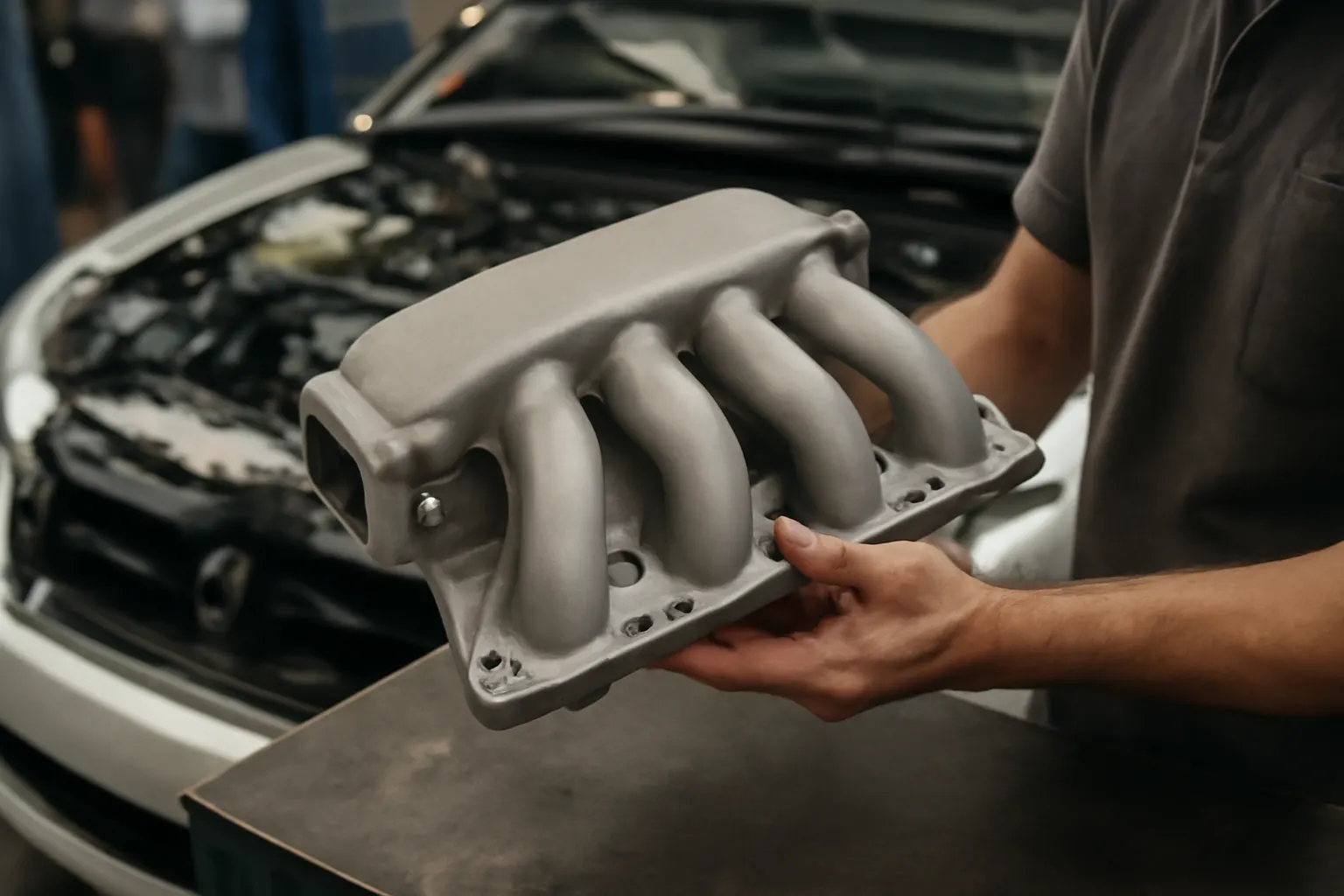
The intake manifold’s design and construction play a pivotal role in its longevity. Modern manifolds are typically made from lightweight aluminum alloys or high-strength plastics, offering improved heat resistance and reduced weight compared to traditional cast iron designs. However, these materials introduce new vulnerabilities:
- Plastic/Composite Manifolds: Prone to cracking from heat cycling or overtightening of bolts. Gasket sealing surfaces can warp, leading to persistent leaks.
- Aluminum Manifolds: Susceptible to corrosion, especially when exposed to coolant leaks or acidic blow-by gases. Pitting and erosion may result in internal or external leaks.
- Cast Iron Manifolds: Durable but heavy. Rare in modern vehicles, but still present in older models. Vulnerable to rust and gasket failure over time.
Material selection also impacts repairability and the types of failures you’re likely to encounter. For a deeper dive into the engineering behind intake manifold design, see How Intake Manifold Design Impacts Engine Performance.
Most Common Intake Manifold Failures
Let’s break down the most prevalent intake manifold issues observed in daily service and repair:
1. Gasket Failure and Vacuum Leaks
Description: The intake manifold gasket seals the manifold to the cylinder head(s), preventing unmetered air from entering the engine. Over time, gaskets degrade due to heat, pressure, and chemical exposure.
Symptoms:
- Hissing noise near the manifold
- Rough idle or stalling
- Lean fuel mixture codes (P0171, P0174)
- Poor acceleration and power loss
Risks: Unaddressed vacuum leaks can cause long-term engine damage due to lean combustion and increased cylinder temperatures.
2. Cracks and Warping
Description: Repeated thermal cycles, overtightening, or impact can cause plastic or aluminum manifolds to crack or warp.
Symptoms:
- Coolant leaks (if the manifold incorporates coolant passages)
- External cracks visible on the manifold body
- Engine overheating
- Loss of coolant with no external puddle (internal leaks)
Risks: Coolant entering the intake can cause hydrolock, misfires, or internal corrosion.
3. Carbon Buildup and Internal Blockages
Description: Over time, carbon deposits accumulate on internal surfaces, especially with direct injection engines or EGR (Exhaust Gas Recirculation) systems.
Symptoms:
- Reduced airflow and performance
- Check engine light (often with codes indicating EGR or intake runner issues)
- Increased fuel consumption
Risks: Severe buildup can block intake runners, causing uneven cylinder filling and chronic misfires.
4. Faulty Intake Manifold Runner Control (IMRC) Systems
Description: Many modern engines use variable intake runner systems to optimize airflow. These mechanisms can seize, break, or fail electronically.
Symptoms:
- Loss of low-end torque or high-RPM power
- Check engine light (IMRC actuator/solenoid codes)
- Rattling noises from the intake manifold
Risks: Stuck runners can reduce efficiency and trigger limp mode.
5. Coolant Passage Leaks
Description: Some intake manifolds (especially V6 and V8 engines) route coolant through the manifold. Gasket failure or cracks cause internal or external coolant leaks.
Symptoms:
- Unexplained coolant loss
- White exhaust smoke (coolant burning)
- Engine overheating
Risks: Coolant in the intake can destroy oxygen sensors, catalytic converters, and even cause engine failure.
6. Fastener and Mounting Issues
Description: Loose, stripped, or overtightened bolts can compromise the manifold-to-head seal or crack plastic manifolds.
Symptoms:
- Recurring vacuum or coolant leaks after repair
- Difficulty maintaining proper torque
Risks: Repeated failures, increased repair costs, and potential for catastrophic leaks.
Diagnostic Checklist: Identifying Intake Manifold Failures
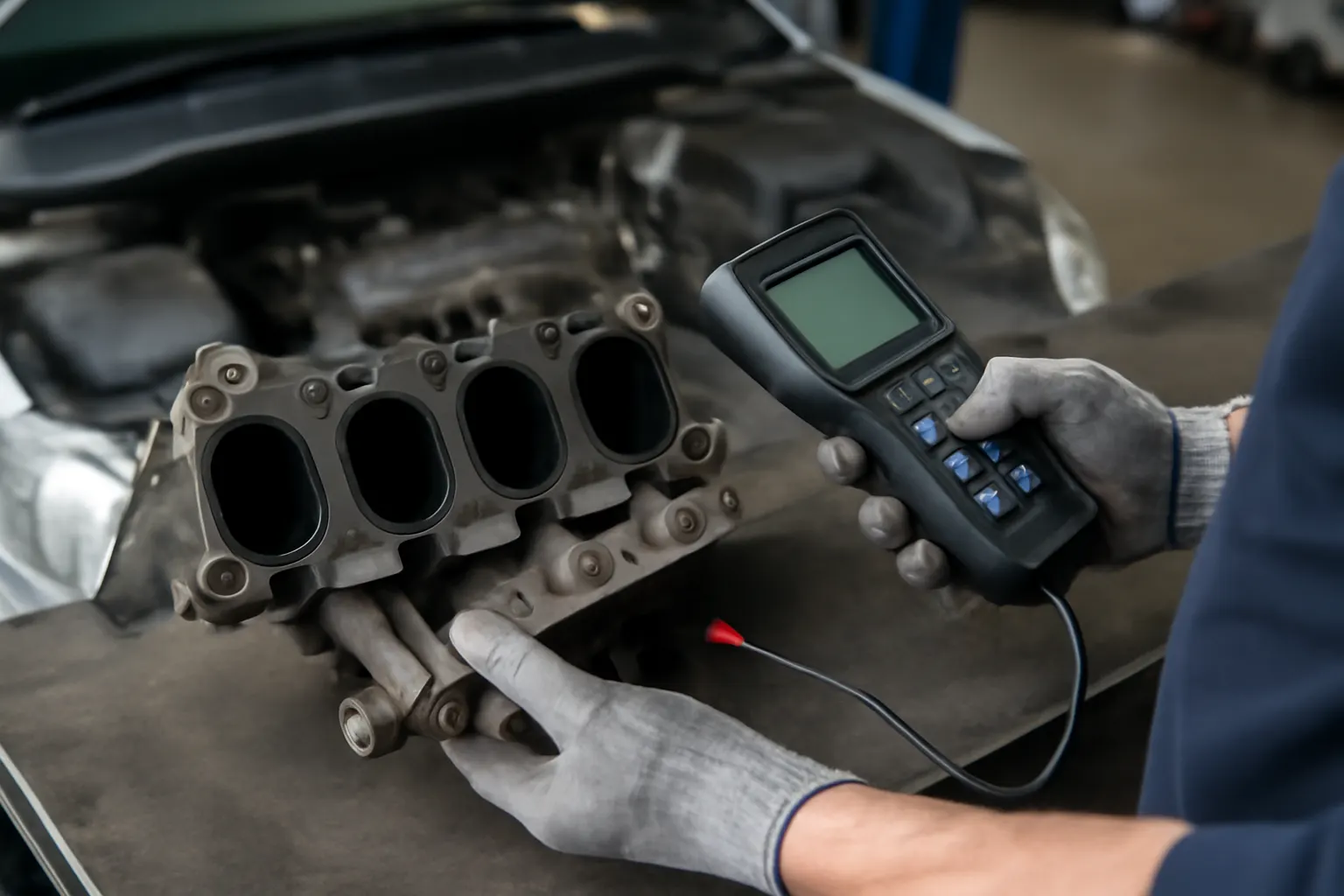
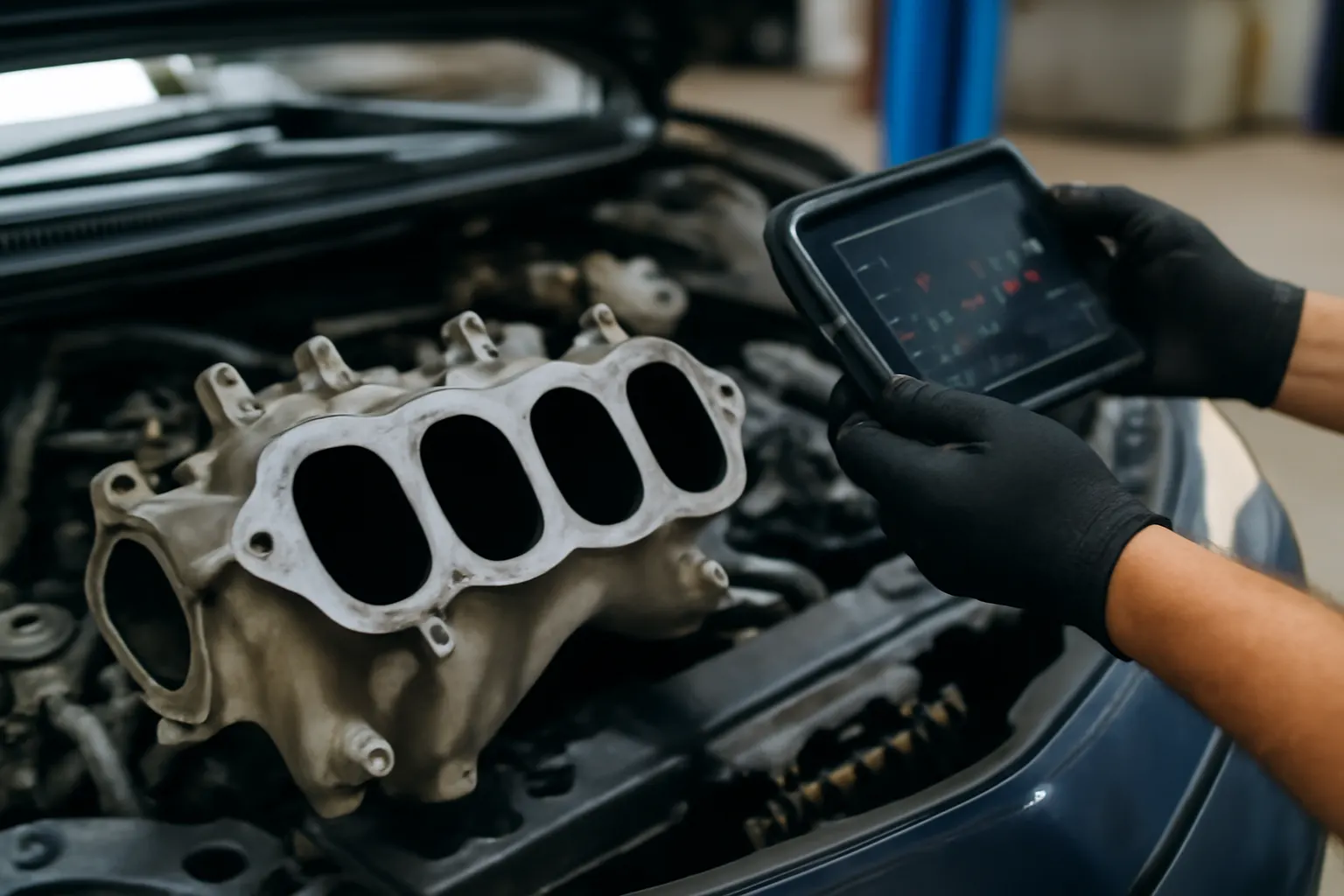
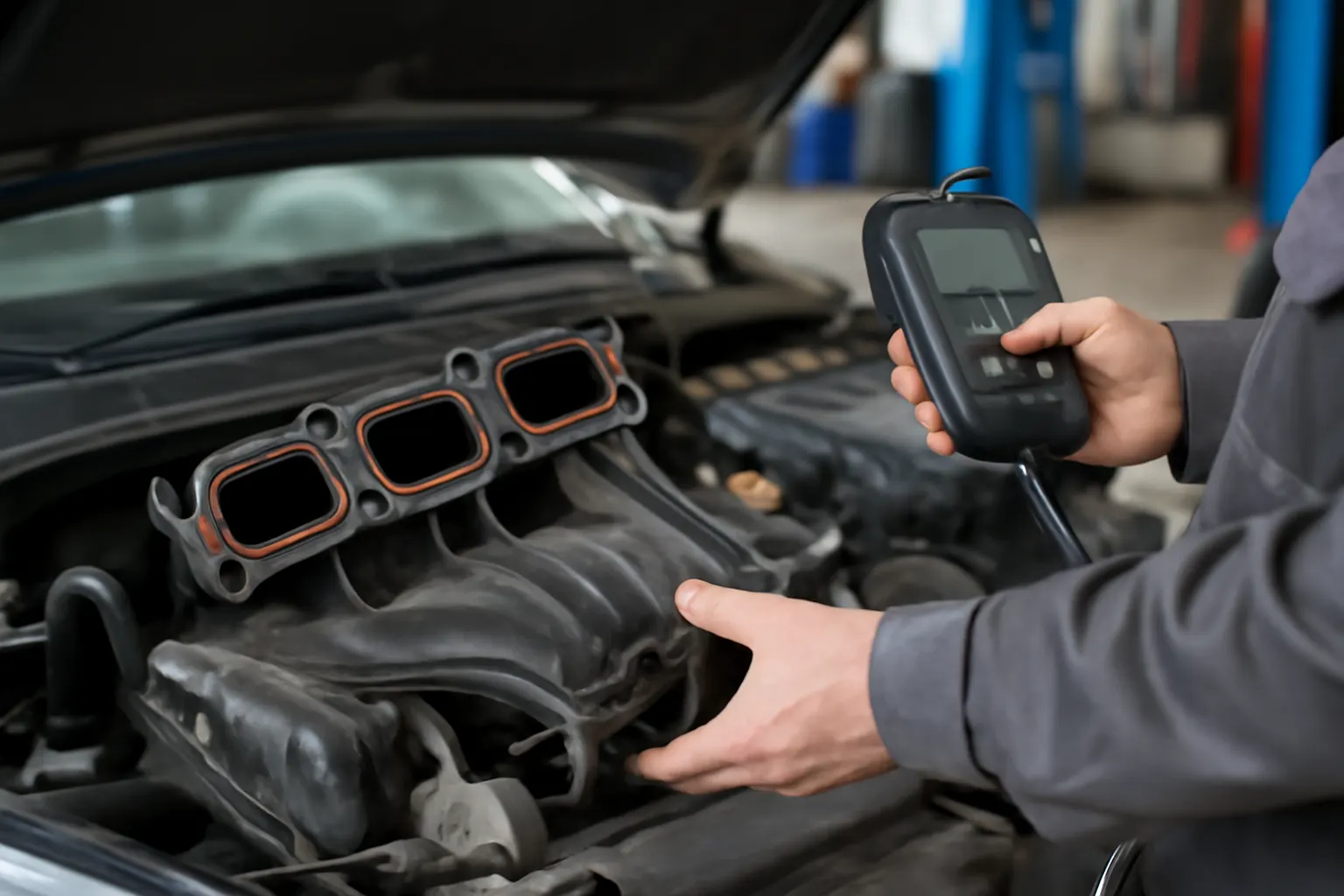
Accurate diagnosis is crucial for effective repair. Use the following checklist to systematically pinpoint intake manifold problems:
| Step | Action | Tools/Notes |
|---|---|---|
| 1 | Visual inspection for cracks, warping, or coolant residue | Flashlight, inspection mirror |
| 2 | Listen for vacuum leaks (hissing) with engine running | Mechanic’s stethoscope or rubber hose |
| 3 | Spray carb cleaner around manifold gaskets to detect idle changes | Use caution—flammable! |
| 4 | Check for stored DTCs (Diagnostic Trouble Codes) | OBD-II scanner |
| 5 | Inspect for coolant leaks at manifold seams | Pressure tester, UV dye if needed |
| 6 | Examine intake runners for carbon buildup | Borescope or manifold removal |
| 7 | Test IMRC actuator operation | Scan tool, manual actuation |
| 8 | Verify fastener torque and integrity | Torque wrench, thread chaser |
If you suspect a leak but aren’t sure where it’s coming from, our Diagnosing Intake Manifold Leaks: Step-by-Step Guide provides detailed procedures and troubleshooting tips.
The Technical Roots of Intake Manifold Failures
Understanding the underlying causes of manifold failures enables better prevention and smarter repairs:
- Thermal Cycling: Engines heat up and cool down thousands of times, stressing manifold materials and gaskets. Plastic manifolds are especially prone to expansion/contraction fatigue.
- Chemical Exposure: Oil vapors, fuel residues, and coolant can degrade plastics and gaskets.
- Design Limitations: Some OE manifolds have known weak points (e.g., thin plastic near bolt holes, poor gasket groove design).
- Improper Installation: Over-torquing bolts, using incorrect gasket materials, or failing to clean mating surfaces can all lead to premature failure.
- Material Choices: Advances in lightweight composites (see Materials Technologies) improve efficiency but may sacrifice durability in harsh conditions.
Preventing Intake Manifold Failures: Best Practices
Prevention is always more cost-effective than repair. Here’s how to maximize manifold longevity:
1. Use Quality Replacement Parts
- Always select OE or high-quality aftermarket manifolds and gaskets. Cheap parts often use inferior plastics or rubber, increasing the risk of leaks and cracks.
- When possible, upgrade to revised or reinforced designs if your model is known for specific failures.
2. Follow Correct Installation Procedures
- Clean all mating surfaces thoroughly. Old gasket material or debris can prevent a proper seal.
- Use a calibrated torque wrench and follow the manufacturer’s torque sequence and specifications.
- Apply the correct gasket sealant (if specified). Overuse can cause blockages; underuse can lead to leaks.
3. Inspect and Replace Gaskets Proactively
- Intake manifold gaskets are wear items. Replace them at the first sign of leaks, or as part of major engine work (timing chain, head gasket, etc.).
- For engines with plastic manifolds, inspect for warping or distortion when replacing gaskets.
4. Monitor Coolant and Oil Condition
- Contaminated coolant or oil accelerates manifold and gasket degradation.
- Regular fluid changes and attention to fluid leaks can prevent internal corrosion and chemical attack.
5. Address Engine Codes Promptly
- Don’t ignore check engine lights, especially codes related to air/fuel mixture, EGR, or IMRC systems.
- Early intervention can prevent minor issues from escalating into major failures.
Maintenance Schedule: Keeping Intake Manifolds in Top Condition
Routine maintenance is key to preventing intake manifold problems. Incorporate these steps into your regular service intervals:
- Every 15,000–30,000 miles: Inspect manifold exterior for leaks, cracks, and loose fasteners.
- Every 30,000–60,000 miles: Replace intake manifold gaskets if signs of seepage or vacuum leaks are present.
- Every 60,000–100,000 miles: Clean intake runners and check for carbon buildup, especially on direct injection engines.
- At each coolant service: Inspect for coolant leaks around the manifold. Replace gaskets or manifold if needed.
- Whenever the intake is removed: Replace gaskets and inspect manifold for warping or cracks before reinstallation.
Advanced Tips: Upgrades and Performance Considerations
If you’re upgrading to a performance intake manifold or modifying your engine, keep these advanced considerations in mind:
- Performance manifolds often use different materials or runner designs. Ensure compatibility with your engine’s sensors, EGR, and PCV systems.
- Aftermarket gaskets may require different sealants or torque specs.
- Tuning may be necessary to optimize air/fuel ratios after significant changes to intake geometry.
For guidance on choosing and installing performance manifolds, read our Upgrading to a Performance Intake Manifold guide.
Sourcing the Right Intake Manifold: What to Look For
Choosing the correct replacement manifold involves more than just matching part numbers. Consider these factors:
- Material: OEM-grade plastic, aluminum, or cast iron? Choose based on your usage and longevity needs.
- Reinforcements: Some aftermarket options include metal inserts or thicker flanges to address known OEM weaknesses.
- Integrated Components: Many modern manifolds include sensors, actuators, or even throttle bodies. Ensure compatibility.
- Warranty and Support: Quality manufacturers offer warranties and technical support—avoid no-name parts with limited documentation.
- Fitment: Double-check fitment for your year, make, model, and engine code to avoid costly returns.
Safety and Regulatory Considerations
Intake manifold failures can create safety hazards, including stalling, engine fires (from fuel or coolant leaks), and emissions violations. The National Highway Traffic Safety Administration (NHTSA) monitors equipment failures and issues recalls for known defects. Always check for outstanding recalls on your vehicle and use only parts that meet or exceed OEM safety standards. Following SAE Standards for installation and repair ensures compliance and reliability.
When to Seek Professional Help
While many intake manifold repairs are within the reach of experienced DIYers, certain situations warrant professional attention:
- Internal coolant leaks or suspected hydrolock
- Repeated gasket failures after proper installation
- Complex IMRC or EGR system issues
- Severe warping or corrosion requiring manifold machining or replacement
A qualified technician can perform pressure testing, advanced diagnostics, and system recalibration to ensure a lasting repair.
AutoPartEx: Your Partner for Reliable Intake Manifold Solutions
At AutoPartEx, we understand that intake manifold reliability is essential for peak engine performance and long-term vehicle health. Our curated selection of OE and high-quality aftermarket manifolds, gaskets, and related components ensures you get the right fit and durability for your application. Our technical guides and support resources—like this one—empower you to make informed decisions and carry out repairs with confidence.
Browse our Intake Manifold: The Heart of Engine Airflow and Performance page for expert advice, product recommendations, and detailed fitment information. For related air management components, explore our Air Box/Air Cleaner section.
Take Action: Protect Your Engine—Inspect, Diagnose, and Maintain
Don’t wait for a rough idle, check engine light, or coolant puddle to signal intake manifold trouble. Proactive inspection and maintenance can prevent most failures before they escalate. Use the checklists and best practices in this guide to keep your engine running smoothly and efficiently. If you’re ever unsure about a diagnosis or repair, consult a trusted professional or reach out to AutoPartEx for technical support.