How Intake Manifold Design Impacts Engine Performance
The intake manifold is far more than a simple air channel—it's a critical engine component that directly shapes horsepower, torque, throttle response, and overall fuel efficiency. Whether you’re an enthusiast looking to extract every ounce of performance or a daily driver focused on reliability, understanding intake manifold design is essential. In this comprehensive guide, we break down the science of manifold geometry, unveil the hidden pitfalls of poor design, and equip you with actionable steps for diagnostics, upgrades, and maintenance. For a foundational overview of intake manifolds, see our Intake Manifold: The Heart of Engine Airflow and Performance page.
The Immediate Answer: Why Manifold Design Matters
The intake manifold’s design determines how evenly and efficiently air (and sometimes fuel) is distributed to each cylinder. Its geometry—runner length, plenum volume, shape, and material—directly influences key performance metrics:
- Horsepower: Optimal design maximizes high-RPM airflow, boosting top-end power.
- Torque: Proper runner length and shape enhance low- and mid-range torque.
- Throttle Response: Efficient airflow paths minimize lag, sharpening acceleration.
- Fuel Efficiency: Even, turbulence-free distribution supports complete combustion, reducing wasted fuel.
A well-designed intake manifold ensures that each cylinder receives the right air-fuel mixture at the right time, maximizing combustion efficiency and engine output.
The Hidden Problem: Overlooked Manifold Design Flaws Sabotage Performance
Despite its importance, intake manifold design is often overlooked during diagnostics, upgrades, or even basic maintenance. Common pitfalls include:
- Mismatched runner lengths causing uneven cylinder filling.
- Improper plenum sizing that chokes airflow at high RPM or reduces velocity at low RPM.
- Material selection that doesn’t match thermal or structural demands.
- Neglected sealing surfaces leading to vacuum leaks and unmetered air.
These issues may not trigger immediate check engine lights or obvious drivability symptoms, but they can erode performance, fuel economy, and long-term engine health. Even small design flaws can cascade into larger problems—especially as engines age or are modified for more power.
Expanding the Problem: How Geometry, Materials, and Age Compound Issues
Runner Length and Diameter: The Power Curve Shaper
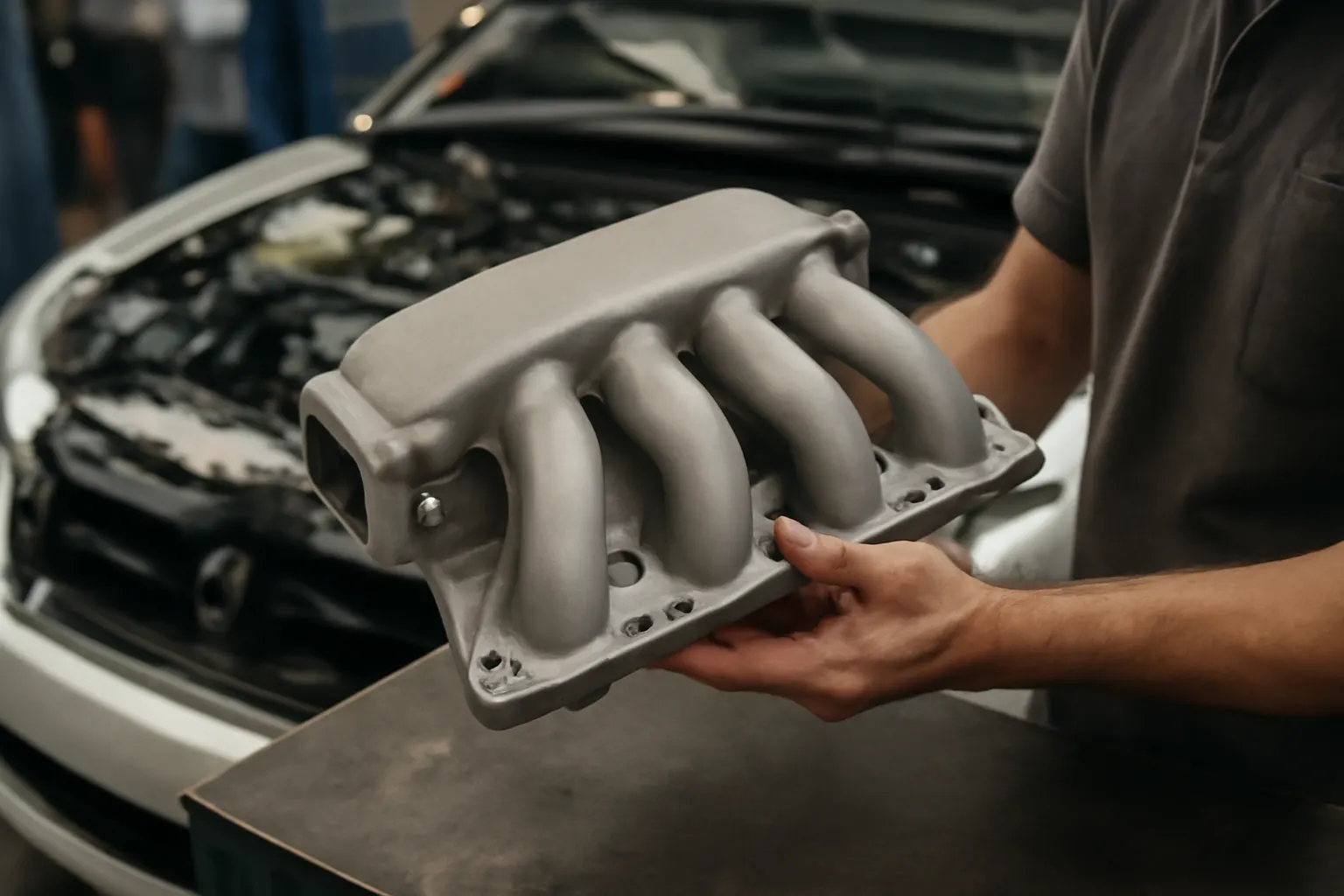
Intake runner length and diameter dictate how air pulses travel from the plenum to the intake valves. Long, narrow runners typically boost low-end torque by increasing air velocity and promoting better cylinder filling at low RPM. Short, wide runners favor high-RPM horsepower by reducing restriction and supporting greater airflow. A mismatch between runner geometry and your engine’s intended powerband can flatten torque curves or create dead spots in throttle response.
Plenum Volume and Shape: The Air Reservoir
The plenum acts as a reservoir, smoothing airflow and providing each cylinder with a steady supply. Too small, and it restricts high-RPM breathing; too large, and it reduces air velocity, hurting throttle response. Plenum shape also affects how evenly air is distributed among cylinders, especially in V-type engines where asymmetry can cause mixture imbalances.
Material Selection: Strength, Heat, and Weight
Modern intake manifolds are made from cast aluminum, composite plastics, or even advanced polymers. Aluminum offers strength and heat resistance but is heavier; composites reduce weight and heat soak but may not withstand high boost or temperature applications. The wrong material can lead to warping, cracking, or heat-related performance loss—especially in turbocharged or high-output engines (DOE Materials Technologies).
Age and Wear: Seals, Gaskets, and Surface Corrosion
Over time, even the best-designed manifolds can develop leaks at gaskets or develop internal carbon buildup. These issues disrupt proper airflow, leading to rough idle, reduced performance, or increased emissions. Early diagnosis and maintenance are critical to preserving performance.
The Science: How Manifold Geometry Shapes Engine Output
Airflow Dynamics: The Path from Plenum to Valve
When the intake valve opens, a pressure wave travels up the runner. The runner’s length and diameter determine how this wave bounces (reflects) and returns, ideally timing its arrival to coincide with the next intake event. This “tuning” effect, known as Helmholtz resonance, is what allows intake manifolds to boost cylinder filling at specific RPM ranges.
Table: Runner Length vs. Powerband Focus
| Runner Length | Effect on Engine | Application Example |
|---|---|---|
| Long | Higher low-end torque, better drivability | Trucks, daily drivers |
| Short | Higher peak horsepower, better high-RPM breathing | Sports/performance cars |
Plenum Volume: Striking the Right Balance
A larger plenum supports high-RPM airflow, but if oversized, it can reduce air velocity and throttle response. Smaller plenums maintain velocity for snappy response but may choke the engine at higher speeds. Engineers often use flow simulations and dyno testing to optimize plenum size for specific engine applications.
Cylinder-to-Cylinder Distribution
Uneven manifold design can lead to some cylinders running richer or leaner than others, especially in V6/V8 engines. This imbalance can cause detonation, uneven wear, and reduced power output. Modern manifolds often use symmetrical port layouts or split plenums to improve distribution.
Diagnosing Intake Manifold Design and Performance Issues
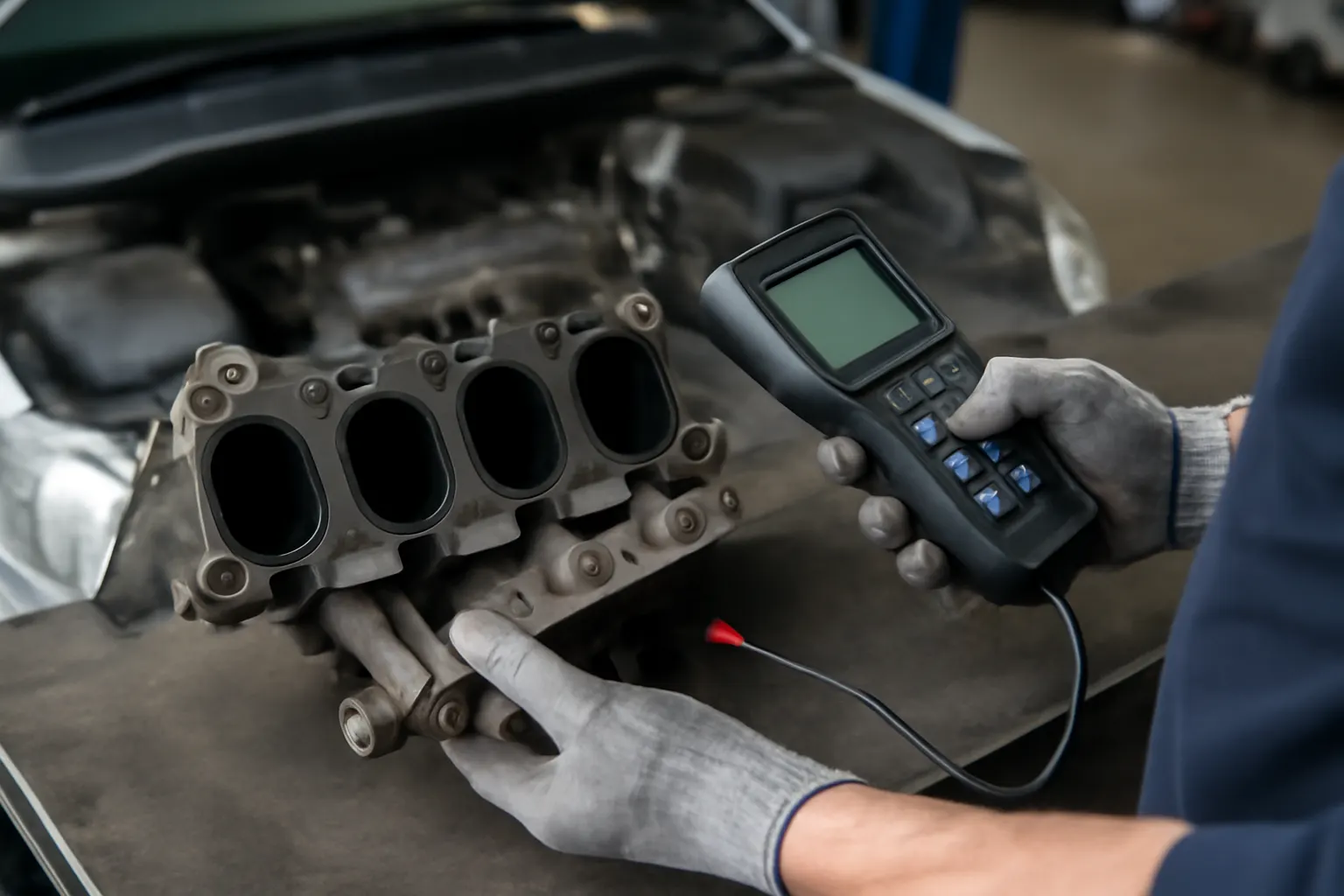
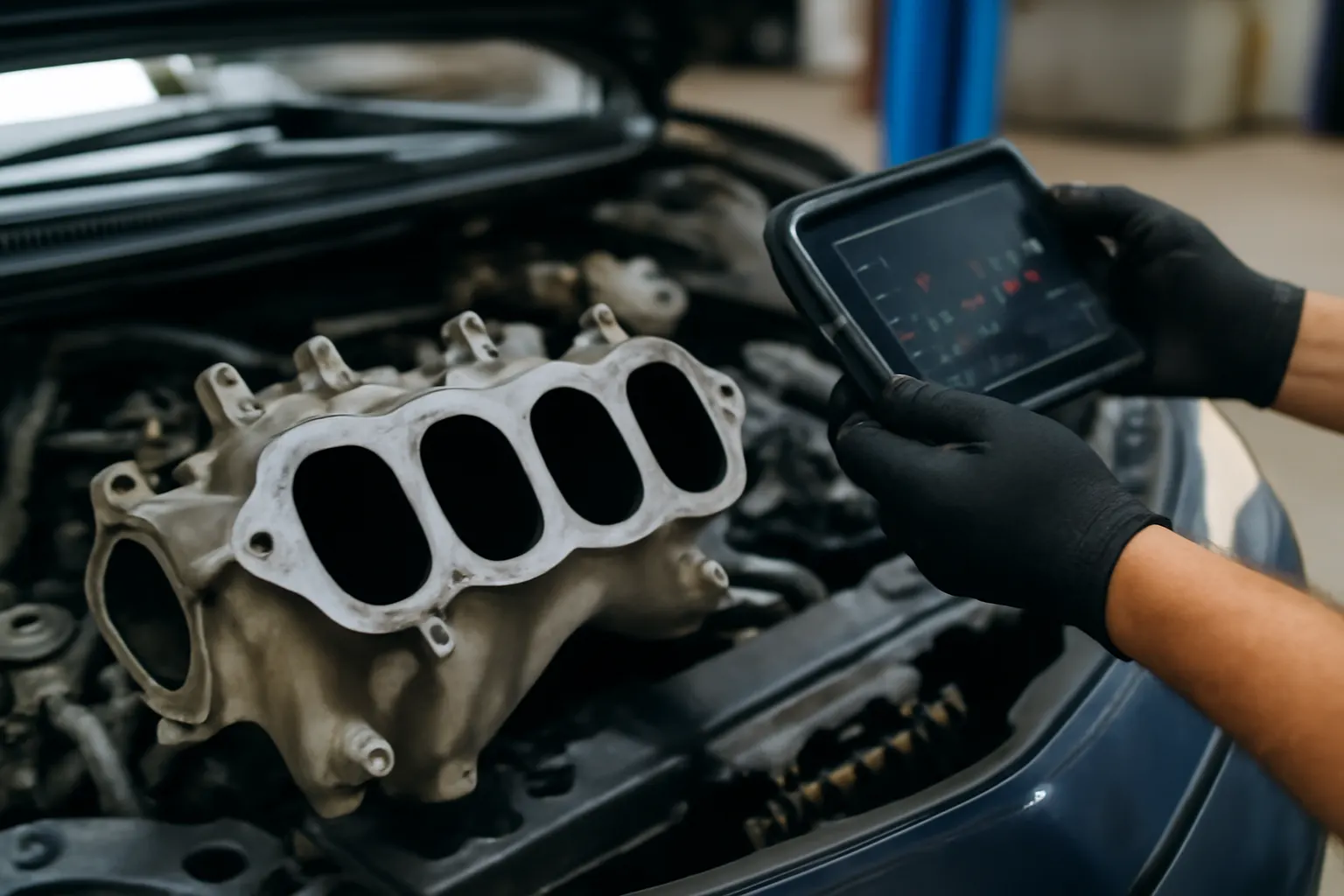
Even the most advanced manifold won’t perform if plagued by leaks, buildup, or fitment issues. Here’s how to diagnose potential problems:
Intake Manifold Diagnostic Checklist
- Visual Inspection
- Look for cracks, warping, or damaged runners.
- Inspect gaskets and sealing surfaces for signs of leaks.
- Vacuum Leak Testing
- Use carb cleaner or a smoke machine to identify leaks around the manifold.
- Idle Quality and Throttle Response
- Note any rough idle, hesitation, or sluggish acceleration.
- OBD-II Scan
- Check for lean/rich codes (P0171, P0174) or misfire codes.
- Carbon Buildup Inspection
- Remove the manifold (if possible) and check for excessive carbon deposits.
- Cylinder Balance Test
- Use a scan tool to monitor cylinder fuel trims for imbalance.
- Temperature Check
- Use an infrared thermometer to compare exhaust port temps (uneven temps may indicate distribution issues).
If diagnostics point to manifold-related issues, further inspection or replacement may be warranted. For a step-by-step leak diagnosis, see our Diagnosing Intake Manifold Leaks: Step-by-Step Guide.
Types of Intake Manifolds: OEM vs. Performance Designs
OEM (Original Equipment Manufacturer) Manifolds
OEM manifolds prioritize a balance of cost, packaging, noise, emissions, and moderate performance. Common features include:
- Variable-length runners for broader torque curves.
- Integrated EGR (Exhaust Gas Recirculation) passages for emissions control.
- Plastic or composite construction for weight and cost savings.
Aftermarket and Performance Manifolds
Performance manifolds target specific power goals. Key design differences include:
- Tuned runner lengths optimized for high-RPM or torque-heavy applications.
- Larger plenums for increased airflow.
- Aluminum construction for strength under boost or high heat.
- Simplified, direct pathways for reduced turbulence.
Before upgrading, consult our Upgrading to a Performance Intake Manifold guide to ensure compatibility and proper tuning.
Material Technologies: Choosing the Right Manifold Material
The choice of manifold material has a direct impact on weight, heat resistance, and durability. According to the United States Department of Energy:
- Aluminum: Durable and heat-resistant, ideal for forced induction or racing but heavier.
- Composite/Plastic: Lightweight, reduces heat soak, and often used in modern vehicles, but may degrade over time with high temperatures or chemical exposure.
- Cast Iron: Rare in modern applications due to weight, but sometimes used in heavy-duty engines.
Selecting the correct material is critical, especially for performance upgrades or engines exposed to extreme conditions.
Common Intake Manifold Design Failures and How to Prevent Them
Even the best designs can fail if neglected. Common issues include:
- Cracked plastic/composite manifolds due to heat cycling or overtightening.
- Warped aluminum manifolds from repeated overheating.
- Gasket failures leading to vacuum leaks or coolant ingress (in water-jacketed designs).
- Carbon buildup in EGR-equipped manifolds.
Preventative maintenance—regular inspections, proper torque procedures, and timely replacement of gaskets—can mitigate most failures. For more, see Common Intake Manifold Failures and How to Prevent Them.
Fuel Efficiency and Emissions: The Manifold’s Double Role
A well-designed intake manifold not only boosts performance but also improves fuel economy and reduces emissions. According to the DOE’s Fuel Efficiency guidelines, efficient air distribution enables more complete combustion, reducing unburned hydrocarbons and improving miles per gallon.
Modern manifolds often integrate features such as:
- Swirl or tumble flaps to enhance air-fuel mixing at low RPM.
- Direct-mount fuel injectors for precise fuel delivery.
- Integrated sensors for real-time monitoring and adjustment.
Upgrading and Sourcing: What to Look for in a Replacement or Performance Manifold
When replacing or upgrading an intake manifold, consider the following:
Intake Manifold Buying Checklist
- Compatibility: Ensure the manifold matches your engine code, head design, and throttle body.
- Material: Choose aluminum for strength or composite for weight savings, depending on application.
- Intended Use: Select runner length and plenum volume based on your RPM and torque goals.
- Emissions Compliance: Verify EGR, PCV, and sensor ports for street-driven vehicles.
- Brand Reputation: Stick with established manufacturers with proven designs.
- Fitment Accessories: Check if new gaskets, bolts, and adapters are included.
- Installation Instructions: Prefer manifolds with clear documentation and support.
If you’re unsure, consult a trusted technician or performance shop. AutoPartEx’s catalog provides fitment data and expert support to ensure you select the right part for your vehicle.
Installation and Tuning: Steps for Success
Proper installation and tuning are just as important as the manifold itself. Key steps include:
- Preparation
- Disconnect battery and relieve fuel pressure.
- Remove components obstructing access (air box, throttle body, sensors).
- Removal
- Carefully remove old manifold, noting sensor and vacuum line locations.
- Clean mating surfaces thoroughly.
- Inspection
- Check head ports for carbon buildup or damage.
- Inspect and replace gaskets and seals as needed.
- Installation
- Torque bolts in a specified sequence to avoid warping.
- Reconnect all hoses, sensors, and throttle linkages.
- Tuning
- For performance manifolds, recalibrate ECU if necessary (especially on forced induction or heavily modified engines).
- Monitor for leaks, check idle quality, and road test.
Improper installation can cause leaks, check engine lights, or poor drivability—so follow manufacturer instructions closely.
Maintenance: Keeping Your Intake Manifold Performing
Routine maintenance is vital for long-term performance:
- Inspect for leaks at every oil change.
- Clean throttle body and runners periodically to prevent carbon buildup.
- Replace gaskets at the first sign of vacuum or coolant leaks.
- Monitor sensors (MAP, IAT) for accuracy.
Regular attention will keep your manifold—and your engine—operating at peak efficiency.
Matching Manifold Design to Your Application
Not all engines benefit from the same manifold design. Consider your goals:
- Daily Driver: Prioritize low-end torque, fuel efficiency, and reliability. Variable runner manifolds and composite materials are ideal.
- Track/Performance: Choose short runners and large plenums for maximum airflow at high RPM. Aluminum construction handles heat and stress.
- Towing/Off-Road: Long runner designs deliver torque where you need it most.
Consult engine dyno charts and manufacturer specs to align your manifold choice with your driving style.
AutoPartEx: Your Partner in Intake Manifold Performance
At AutoPartEx, we combine technical expertise with a comprehensive parts catalog, helping you source, diagnose, and upgrade intake manifolds for any application. Our editorial guides, fitment data, and expert support ensure you get the right part the first time—minimizing downtime and maximizing performance. Explore our full Intake Manifold: The Heart of Engine Airflow and Performance range or browse related systems like Air Box/Air Cleaner for a complete airflow solution.
Take Action: Diagnose, Upgrade, and Maintain for Peak Performance
Understanding intake manifold design is the first step to unlocking your engine’s potential. Whether you’re chasing horsepower, torque, or efficiency, the right manifold makes all the difference. Use the diagnostics and checklists provided above to assess your current setup, and don’t hesitate to consult AutoPartEx’s resources or contact our technical team for personalized guidance.