
Chevy Corvette Headlight Motor Parts
Chevy Corvette Headlight Motor: Selection and Service Essentials
A malfunctioning headlight motor on your Chevy Corvette can impact both safety and style, but many owners overlook the practical steps needed for reliable repairs. Understanding the unique considerations for selecting and servicing a Corvette headlight motor helps avoid unnecessary costs and ensures your lighting system functions as intended. This guide highlights what matters most, from part selection to evidence-based repair strategies.
Advertisement
22 Chevy Corvette Headlight Motor Parts


Advertisement
More Headlight Motor options for Chevy Corvette
Filtering for Chevy Corvette • Headlight MotorBrowse nearby inventory for this model and category without leaving the page.
No Data Available
Please check back soon when more inventory is available for this part.
Advertisement
Why Headlight Motor Issues Deserve Closer Attention
When most drivers think about vehicle lighting, they focus on bulbs or lenses, rarely considering the mechanisms that make pop-up headlights function. For Chevy Corvette owners, especially those with models featuring retractable headlights, the headlight motor is a critical yet often overlooked component. Its failure can lead to more than just cosmetic concerns—improperly functioning headlight motors may compromise nighttime visibility and vehicle safety. Yet, many Corvette enthusiasts remain unaware of the subtle warning signs that indicate trouble is brewing within this system.
A headlight that hesitates, grinds, or fails to fully open or close is more than a minor inconvenience. These symptoms can signal internal wear, electrical issues, or even impending motor failure. Ignoring these early warning signs may lead to more extensive repairs or leave you unexpectedly without functional headlights. For classic and modern Corvettes alike, the headlight motor is an essential part of the signature look and operational safety, making its maintenance a priority for any dedicated owner.
The unique design of the Corvette’s pop-up headlights means that the headlight motor is subjected to stresses not found in conventional lighting systems. Dust, moisture, and age can all contribute to degradation, while the scarcity of certain model-specific parts can complicate repairs. Recognizing the importance of this component—and understanding the steps to properly diagnose and address issues—can help Corvette owners preserve both the value and functionality of their vehicles. This guide aims to shed light on these often-overlooked concerns and offer practical, evidence-based advice for headlight motor selection and service.

Understanding Headlight Motor Malfunctions in the Corvette
The headlight motor in a Chevy Corvette is responsible for the smooth operation of its iconic pop-up headlights. Unlike fixed headlight assemblies, this system relies on an electric motor and gear mechanism to raise and lower the headlight doors. Over time, repeated use and exposure to the elements can cause these motors to wear out, leading to erratic or failed operation. Early symptoms may include unusual noises, sluggish movement, or headlights that become stuck in the open or closed position.
Diagnosing the root cause of headlight motor issues can be challenging, as symptoms may overlap with electrical problems, worn gears, or even simple obstructions in the mechanism. For instance, a motor that runs but fails to move the headlight could indicate stripped gears, while a completely unresponsive motor might point to wiring or switch faults. Without a methodical approach, owners risk replacing parts unnecessarily or overlooking a simple fix.
The complexity of the Corvette’s headlight system is compounded by model-year variations and changes in motor design. Not all headlight motors are interchangeable between years or trim levels, and subtle differences in mounting points, electrical connectors, or gear ratios can affect compatibility. This makes it essential to verify the exact fitment for your specific Corvette before purchasing a replacement motor. Relying solely on visual similarity or general category listings can lead to costly mistakes and installation headaches.
Another layer of difficulty arises from the availability of new versus salvage or remanufactured headlight motors. While new OEM parts may offer the best assurance of quality, they can be expensive or difficult to source for older models. Salvage motors, on the other hand, might present unknown wear or compatibility issues. Buyers must weigh the trade-offs between cost, condition, and provenance, especially when considering components sourced from recycled vehicles.
A malfunctioning headlight motor is not just an aesthetic issue—it can have real safety implications. If the headlights fail to deploy at night or during inclement weather, visibility is severely compromised. Additionally, some states may have vehicle inspection requirements that mandate fully functional lighting systems, making headlight motor repairs a legal as well as practical necessity. Ignoring these issues can result in failed inspections or citations, further emphasizing the importance of prompt and proper repair.
Despite the critical role of the headlight motor, many Corvette owners are unaware of the resources available to help diagnose and address these problems. Tools such as the National Highway Traffic Safety Administration (NHTSA) recall database and Federal Trade Commission (FTC) repair guidelines provide valuable frameworks for identifying potential defects and ensuring fair, transparent repair practices. Leveraging these resources can help owners make informed decisions and avoid common pitfalls when addressing headlight motor malfunctions.
Practical Steps for Diagnosing and Replacing a Corvette Headlight Motor
The first step in addressing a suspected headlight motor issue is to perform a systematic diagnosis. Begin by observing the behavior of the headlights: do they move at all, make unusual noises, or stop partway through their cycle? Listen for grinding, clicking, or silence when activating the headlight switch. These clues can help differentiate between electrical problems and mechanical failures. If the motor runs but the headlight does not move, the issue may lie with the internal gears. If there is no response, check the fuse, relay, and wiring connections before condemning the motor itself.
Once you have identified the likely cause, consult your Corvette’s owner manual or a reputable repair guide to confirm the correct part number and specifications for your model year. Headlight motors often differ between generations and even within the same generation due to mid-cycle updates. Cross-referencing your VIN with manufacturer databases or parts catalogs can help ensure you select a compatible replacement. Avoid relying solely on generic listings or visual inspection, as subtle differences may not be immediately apparent but can affect installation and performance.
When sourcing a replacement headlight motor, consider the trade-offs between new, remanufactured, and salvage options. New motors typically offer the greatest reliability and warranty coverage, but may be more expensive or unavailable for older Corvettes. Remanufactured units are rebuilt to original specifications and can provide a cost-effective alternative, but it is important to verify the reputation of the rebuilder and the quality of the components used. Salvage motors, sourced from donor vehicles, may be more affordable but carry the risk of unknown wear or damage. Always request detailed information about the part’s history and condition before purchasing.
Before installation, inspect the replacement motor for signs of wear, corrosion, or damage. Compare it side-by-side with the original part to verify mounting points, electrical connectors, and gear configuration. If possible, bench-test the motor using a 12V power source to confirm operation before committing to installation. This can help avoid the frustration of discovering a faulty replacement after reassembly. Keep in mind that some headlight motors require synchronization with the headlight linkage to ensure smooth and reliable operation.
During installation, follow the manufacturer’s recommended procedures and torque specifications. Carefully align the motor with the headlight assembly and ensure all electrical connections are secure. After installation, cycle the headlights several times to verify smooth operation and proper alignment. If you encounter resistance or abnormal noises, stop and recheck the installation. Sometimes, misalignment or binding in the linkage can cause premature wear or failure of the new motor.
Document the repair process, including the part number, source, and installation date. Retain receipts and any warranty information provided by the seller. This documentation can be invaluable if issues arise in the future or if you need to demonstrate compliance with inspection requirements. The Federal Trade Commission recommends obtaining a written repair estimate and a completed repair order listing all work performed, parts used, and costs incurred. This helps ensure transparency and protects your interests as a consumer FTC: Auto Repair Basics.
If you are not comfortable performing the repair yourself, seek out a qualified technician with experience working on Corvettes or similar pop-up headlight systems. Ask about their familiarity with your specific model and request references or examples of previous work. For complex or expensive repairs, consider obtaining a second opinion to confirm the diagnosis and recommended solution. This approach aligns with FTC guidance on major automotive repairs and helps ensure you receive fair and competent service FTC: Auto Repair Basics.
Finally, after completing the repair, monitor the headlight operation over the following weeks. Look for signs of recurring issues such as intermittent movement, unusual noises, or inconsistent alignment. Promptly address any new symptoms to prevent further damage or safety concerns. Regularly inspect the headlight mechanism for debris, corrosion, or loose connections, and include the headlight motor in your routine maintenance checks. By taking a proactive approach, you can extend the life of your Corvette’s headlight system and maintain both its functionality and iconic appearance.
What the Evidence and Official Guidance Reveal
The National Highway Traffic Safety Administration (NHTSA) provides a comprehensive recall database that allows vehicle owners to check for open recalls related to their specific make, model, and year. By entering your Corvette’s VIN or searching by model, you can determine if there are any manufacturer-acknowledged safety issues affecting the headlight motor or related components. However, the NHTSA database does not confirm that every individual vehicle is subject to a recall—only that certain models or components have been identified in official safety campaigns. This means that while the database is a valuable resource, it should be used in conjunction with other diagnostic and repair strategies NHTSA: Vehicle Recalls.
NHTSA’s recall process involves several stages, from owner complaints and investigations to formal recall announcements and remedies. If a pattern of headlight motor failures emerges and is deemed to pose a safety risk, a recall may be initiated, requiring manufacturers to provide a free repair, replacement, or refund. Owners are notified by mail and instructed to follow interim safety guidance until the issue is resolved. For Corvette owners, regularly checking the NHTSA database ensures you stay informed about any emerging safety concerns and can take prompt action if your vehicle is affected NHTSA: Vehicle Recalls.
It is important to note that the NHTSA database does not list recalls that have already been repaired or those more than 15 years old, except in rare circumstances. This limitation is particularly relevant for owners of older Corvettes, where headlight motor issues may not appear in current recall records. Additionally, not all defects result in recalls—some may be addressed through technical service bulletins or manufacturer communications that are not legally binding. Therefore, while NHTSA resources are essential for identifying known safety issues, they do not replace a thorough mechanical diagnosis or guarantee that your specific vehicle is recall-eligible NHTSA: Vehicle Recalls.
The Federal Trade Commission (FTC) offers practical advice for consumers navigating automotive repairs, emphasizing the importance of obtaining written estimates, understanding the difference between new, remanufactured, and salvage parts, and verifying the experience of repair technicians. The FTC specifically notes that salvage parts, such as used headlight motors, are sourced from other vehicles without alteration and may vary in condition. This underscores the need for careful inspection and documentation when purchasing non-new components, as there is no standard warranty and quality can differ significantly between sources FTC: Auto Repair Basics.
FTC guidance also highlights the importance of following the manufacturer’s maintenance schedule and comparing shop recommendations with official service intervals. For Corvette owners, this means consulting the owner’s manual and cross-referencing any suggested repairs or replacements with documented maintenance requirements. If a shop proposes additional services or parts, such as a headlight motor replacement, ask for a clear explanation and justification. This approach helps prevent unnecessary repairs and ensures that work is performed in line with manufacturer and consumer protection standards FTC: Auto Repair Basics.
Neither the NHTSA nor the FTC provides vehicle-specific technical specifications or guarantees regarding headlight motor fitment or performance. Instead, these agencies offer frameworks for identifying safety issues, ensuring fair repair practices, and protecting consumer rights. For Corvette owners seeking to replace a headlight motor, this means relying on reputable parts catalogs, VIN-based fitment checks, and thorough pre-purchase inspections. While official resources can alert you to known defects or recalls, the final responsibility for verifying compatibility and quality rests with the owner or repair professional NHTSA: Vehicle Recalls.
In summary, the available evidence underscores the importance of a methodical, informed approach to headlight motor replacement and repair. By leveraging official recall databases, following FTC consumer guidelines, and conducting careful part selection and installation, Corvette owners can address headlight motor issues effectively and safely. While no single resource provides all the answers, combining these strategies offers the best chance of a successful, long-lasting repair that preserves both the safety and aesthetics of your Chevy Corvette.
Take the Next Step Toward Reliable Headlight Operation
If you suspect your Chevy Corvette’s headlight motor is failing, don’t wait for a complete breakdown or risk compromised visibility. Begin by consulting official resources and verifying the exact part needed for your model. Whether you choose a new, remanufactured, or salvage motor, insist on clear documentation and ask questions about fitment and warranty. For hands-on owners, follow evidence-based repair steps; for everyone else, select a qualified technician with proven Corvette experience. Taking action now ensures your Corvette’s headlights remain both functional and iconic for years to come.
References
- NHTSA: Vehicle Recalls
- FTC: Auto Repair Basics
References
- NHTSA: Vehicle Recalls - NHTSA, accessed 2026-11-01
- FTC: Auto Repair Basics - FTC, accessed 2026-11-01
Related Guides & Articles

How to Spot Counterfeit Chevy Parts
Counterfeit Chevy parts can jeopardize your vehicle's safety, reliability, and performance. Whether you're shopping for a replacement alternator, brake pads, or sensors, identifying fakes before you buy is crucial. This guide delivers immediate visual clues, packaging tips, and real-world examples to help you confidently distinguish genuine from counterfeit Chevy components—protecting both your investment and your safety.
Read More
Chevy Service Intervals Explained
Build a Chevrolet maintenance plan from the correct owner’s manual, service history and dashboard messages. Learn how oil-life reminders differ from oil-pressure warnings, how mileage and elapsed time affect a service decision, and why gasoline and electric vehicles need different schedules. Use the checklist to discuss a clear, itemized plan with your repairer.
View Guide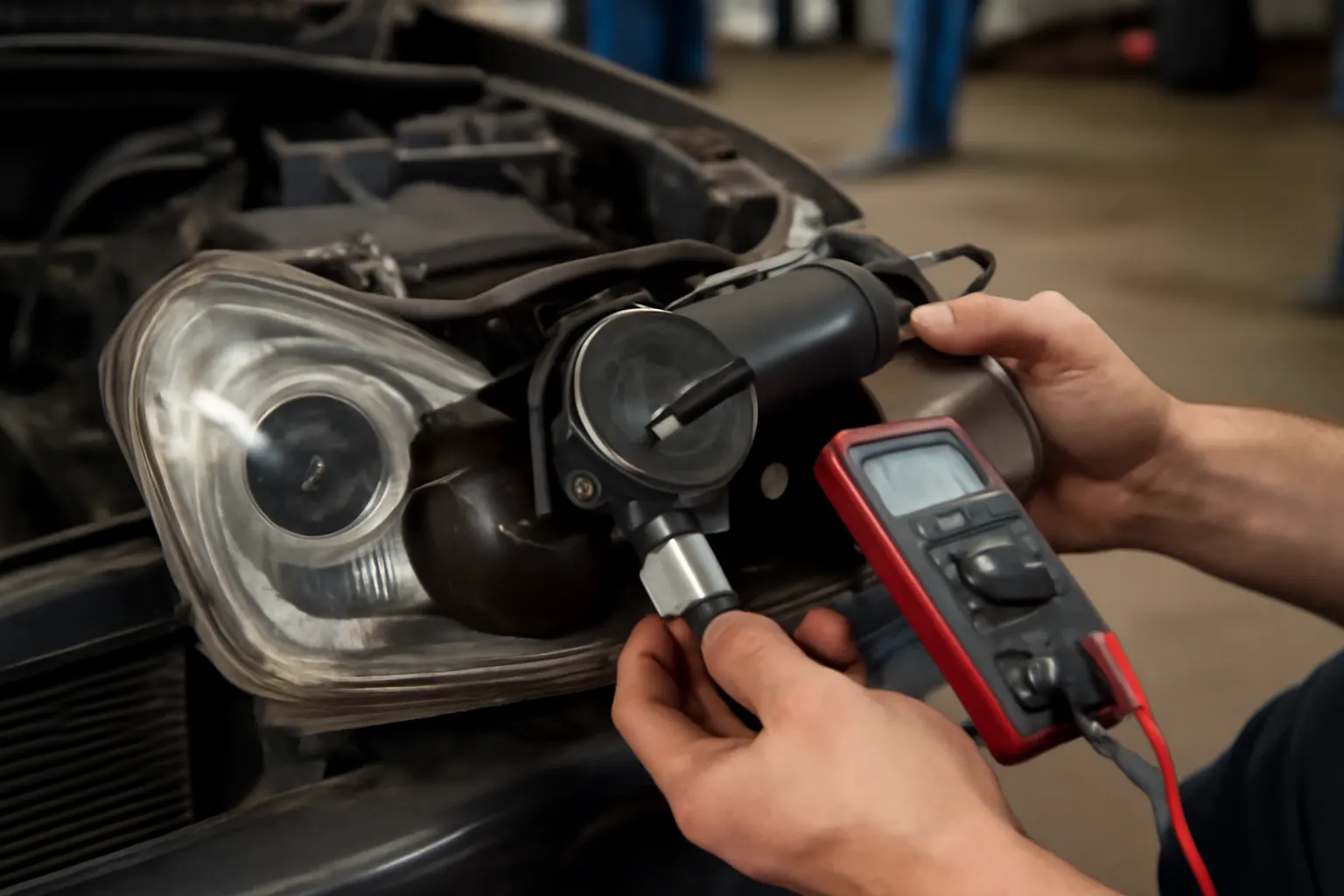
Common Headlight Motor Issues
When your Toyota’s headlight motors start acting up—whether they’re stuck, noisy, or fail to lift and retract—it’s more than a minor annoyance. Malfunctioning headlight motors can compromise nighttime visibility, vehicle safety, and even result in failed vehicle inspections. This in-depth guide draws on real-world shop data and expert diagnostics to help Toyota owners and technicians identify, understand, and resolve the most common headlight motor issues.
Read More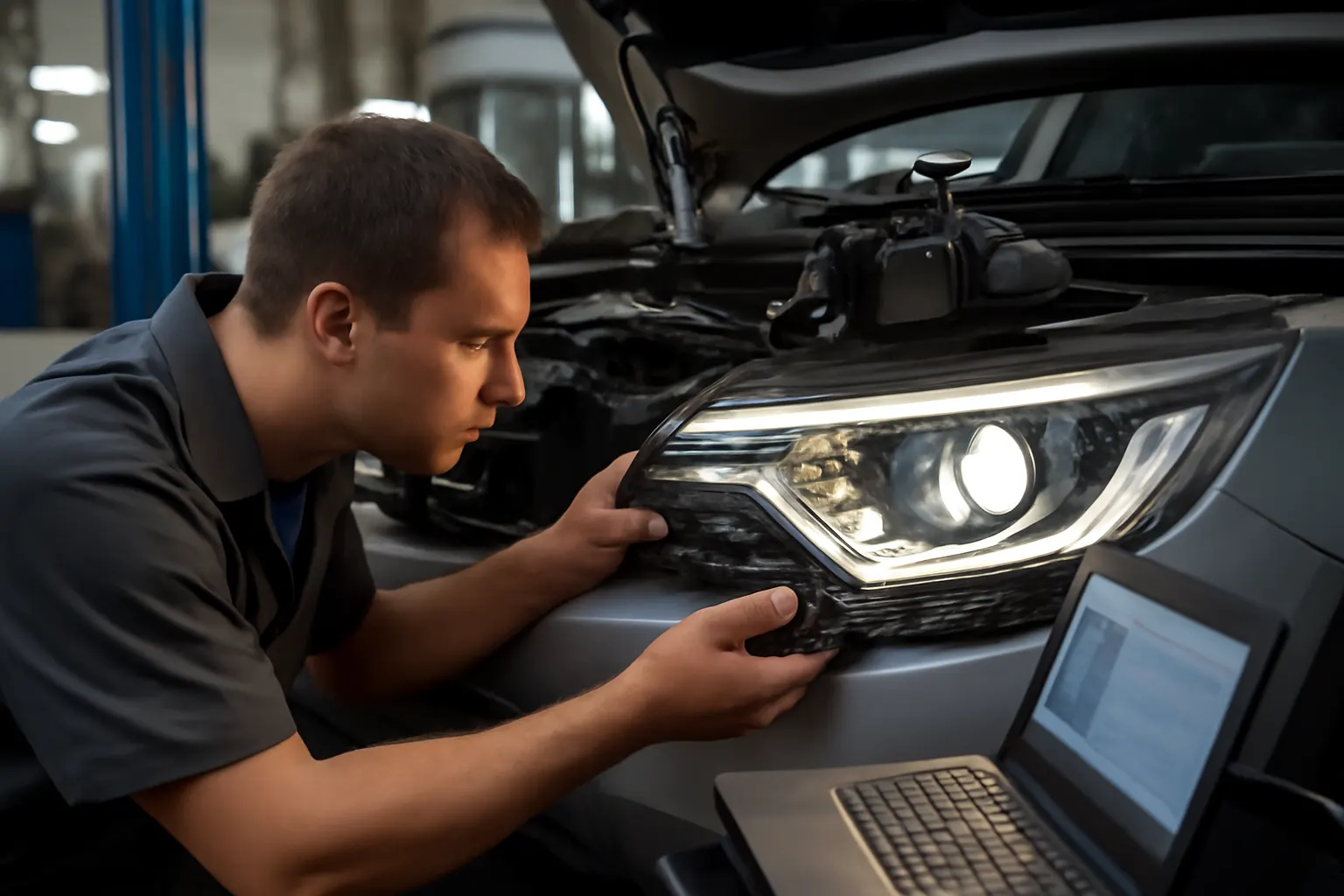
The Evolution of Adaptive Headlight Systems
Modern vehicles are equipped with lighting systems that do more than illuminate the road—they adapt to driving conditions, improve safety, and integrate with advanced vehicle electronics. The evolution from pop-up headlight motors to today’s adaptive headlight systems marks a significant leap in automotive technology. In this deep-dive, we’ll trace the journey from simple mechanical actuators to complex, sensor-driven lighting modules, explain the technical challenges automakers have faced, and provide actionable guidance for diagnosis, maintenance, and upgrades.
Read More