
Advertisement
The Evolution of Adaptive Headlight Systems
Modern vehicles are equipped with lighting systems that do more than illuminate the road—they adapt to driving conditions, improve safety, and integrate with advanced vehicle electronics. The evolution from pop-up headlight motors to today’s adaptive headlight systems marks a significant leap in automotive technology. In this deep-dive, we’ll trace the journey from simple mechanical actuators to complex, sensor-driven lighting modules, explain the technical challenges automakers have faced, and provide actionable guidance for diagnosis, maintenance, and upgrades. If you’re seeking to understand or source parts for headlight motor systems, this guide will help you navigate the changing landscape of automotive lighting.
The Quick Answer: From Pop-Up to Adaptive—A Lighting Revolution
Headlight motors have evolved from basic pop-up mechanisms, popularized in sports cars of the 1970s and 80s, to today’s adaptive systems that automatically adjust beam direction, intensity, and spread. Modern adaptive headlights use sensors, stepper motors, and control modules to respond to vehicle speed, steering input, weather, and traffic conditions, dramatically improving nighttime visibility and road safety. This transformation is driven by advances in materials, electronics, and regulatory standards, as well as the demand for improved efficiency and driver assistance features.
The Hidden Problem: Complexity, Integration, and Failure Points
While adaptive headlight systems offer significant safety and performance advantages, they introduce new layers of complexity. Early pop-up headlights relied on simple relays and gear-driven motors. Today’s adaptive units combine multiple actuators, electronic control units (ECUs), and sensor arrays. This complexity increases the risk of diagnostic challenges, part failures, and integration issues with other vehicle systems. As a result, owners and technicians must be prepared to identify, source, and maintain a broader range of components—and understand the implications for vehicle safety and compliance.
Expanding the Problem: Why Headlight Motor Evolution Matters
Safety and Regulatory Demands
The National Highway Traffic Safety Administration (NHTSA) recognizes lighting equipment as a critical safety component. Headlight systems must meet strict standards for beam pattern, intensity, and reliability. As vehicles incorporate more driver-assistance technologies and adaptive lighting, the regulatory bar continues to rise. A malfunctioning headlight motor or adaptive module can trigger safety recalls, inspection failures, or even legal liability in the event of an accident Vehicle Safety and Equipment.
Integration with Vehicle Electronics
Modern adaptive headlight systems are deeply integrated with steering, suspension, and even GPS modules. This integration enables features like curve-adaptive lighting and automatic high-beam assist, but it also creates new diagnostic and repair challenges. A failure in the headlight motor system may present as a warning light, erratic beam movement, or inoperative adaptive features—issues that require specialized diagnostic tools and procedures. For more on electrical integration, see Electrical Integration in Lighting Systems.
Supply Chain and Parts Sourcing
As headlight systems have evolved, so has the supply chain. Sourcing a replacement pop-up headlight motor for a classic sports car may involve searching for discontinued parts or rebuilding original equipment. In contrast, modern adaptive systems often require sourcing precise OEM or high-quality aftermarket actuators, control modules, and sensor components. Knowing what to look for—and what fits your application—is more important than ever.
The Technical Journey: Key Stages in Headlight Motor Evolution
1. The Era of Pop-Up Headlights
Pop-up headlight systems, first popularized in the mid-20th century, used simple electric motors or vacuum actuators to raise and lower headlight assemblies. These systems were celebrated for their sleek styling and aerodynamic benefits but were prone to mechanical wear, relay failure, and water intrusion. Diagnosing pop-up headlight issues typically involved checking relays, limit switches, and motor gear assemblies. For classic vehicle owners, Diagnosing Pop-Up Headlight Failures remains a valuable resource.
Common Pop-Up Headlight Failure Points
- Worn or stripped motor gears
- Failed relays or limit switches
- Corroded electrical connectors
- Broken linkage arms
2. Fixed Headlights with Motorized Adjusters
As styling trends shifted, automakers moved away from pop-up designs in favor of fixed headlights. However, the need for beam adjustment persisted—especially as vehicles became lower and more aerodynamic. Motorized adjusters allowed drivers to manually or automatically raise or lower the beam to compensate for vehicle load or road inclination. These systems used compact DC motors, often integrated into the headlight housing.
Advertisement
Key Benefits
- Improved headlight aim and compliance with safety standards
- Reduced aerodynamic drag compared to pop-up designs
- Lower mechanical complexity, but still subject to wear and electrical faults
3. The Advent of Adaptive Headlight Systems
The real revolution began with the introduction of adaptive headlight systems in premium European vehicles in the 2000s. These systems use sensors to detect vehicle speed, steering angle, and sometimes GPS data to dynamically adjust the direction and spread of the headlight beam. Stepper motors or servo actuators reposition the projector lens or reflector assembly in real time.
Adaptive Features
- Curve-adaptive lighting: Headlights swivel in the direction of steering input.
- Automatic leveling: Sensors and motors maintain optimal beam height regardless of load.
- Matrix LED and laser lighting: Individual LED segments are activated or dimmed to avoid blinding oncoming traffic while maximizing road illumination.
4. Integration with Driver Assistance and Safety Systems
Modern adaptive headlights are now part of a broader suite of Advanced Driver Assistance Systems (ADAS). Integration with cameras, radar, and GPS enables features like automatic high-beam dipping, pedestrian detection illumination, and weather-adaptive lighting. This level of integration requires robust electrical and software architecture, increasing both the benefits and potential failure points of the system.
Diagnostic Checklist: Troubleshooting Adaptive Headlight Systems
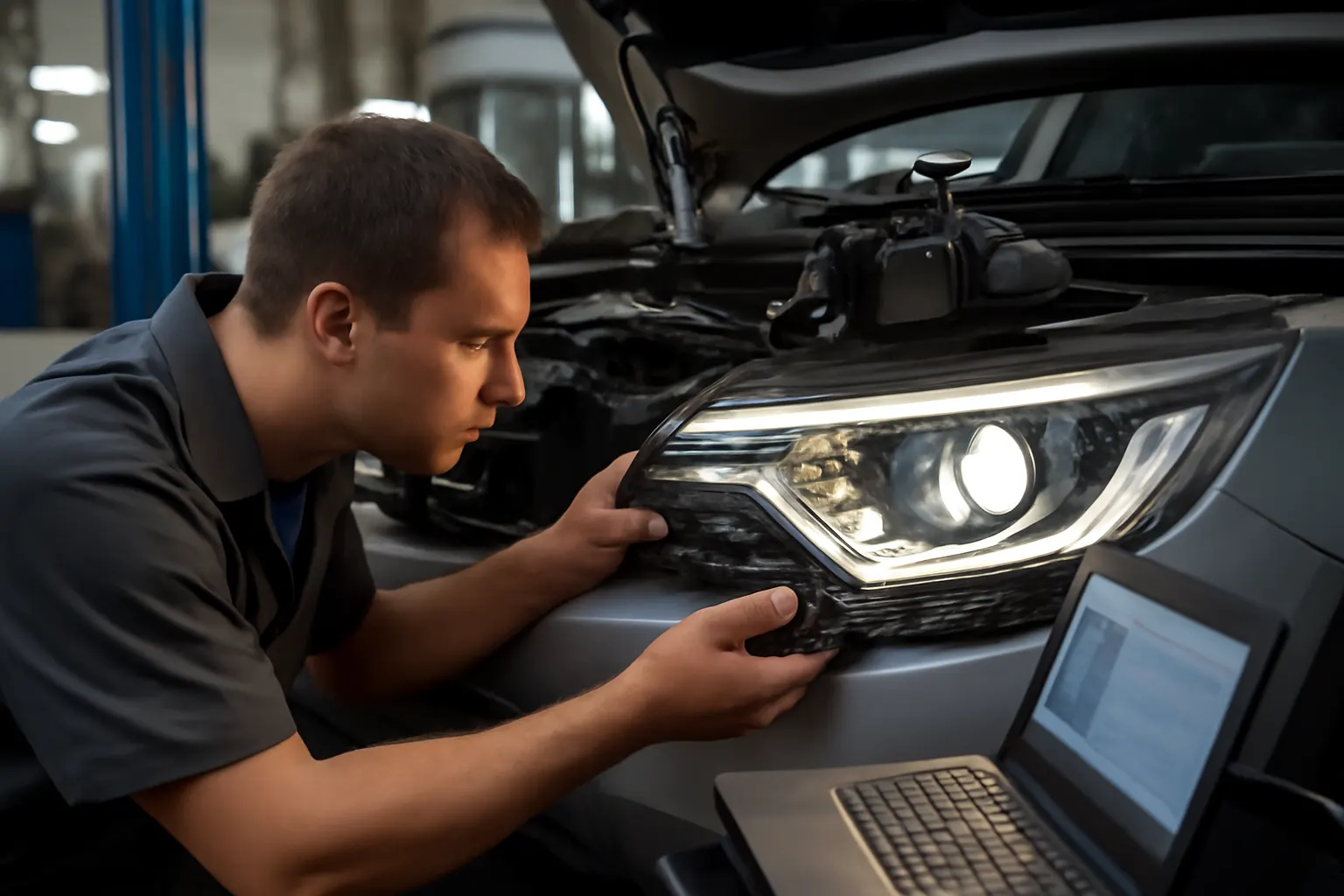
Diagnosing issues with adaptive headlight systems requires a methodical approach. Use this checklist to narrow down the cause of malfunction:
| Step | Action | What to Look For |
|---|---|---|
| 1 | Visual Inspection | Check for physical damage, water intrusion, or loose connectors at the headlight assembly. |
| 2 | Scan for Error Codes | Use a compatible OBD-II or manufacturer-specific scanner to check for headlight or lighting system DTCs. |
| 3 | Function Test | Activate headlight system and observe for erratic movement, failure to adapt, or warning lights on the dash. |
| 4 | Check Sensor Inputs | Verify that steering angle, ride height, and ambient light sensors are functioning correctly. |
| 5 | Test Actuators and Motors | Use diagnostic tools to command motors and actuators through their range of motion. Listen for unusual noises or resistance. |
| 6 | Inspect Wiring and Grounds | Look for corroded, pinched, or broken wires—especially in areas exposed to moisture or vibration. |
| 7 | Update or Reflash Software | Ensure control modules have the latest firmware, as software bugs can cause adaptive features to malfunction. |
| 8 | Consult TSBs and Recalls | Check for Technical Service Bulletins or recalls related to headlight system faults. NHTSA Equipment is a good resource. |
Materials and Engineering: How Advanced Materials Drive Performance
The shift to adaptive headlight systems has paralleled advances in materials engineering. Lightweight, durable plastics and composites are now used for motor housings and lens assemblies, improving efficiency and reducing total vehicle weight. High-precision gears and stepper motors, often made from advanced alloys or engineered polymers, ensure reliable and quiet operation over the vehicle’s lifespan.
For more on how materials impact automotive systems, see Materials Technologies.
Benefits of Advanced Materials in Headlight Systems
- Weight Reduction: Lighter components contribute to overall vehicle fuel efficiency.
- Corrosion Resistance: Modern plastics and coatings reduce susceptibility to water and road salt.
- Precision: Improved materials enable finer motor control and quieter operation, essential for adaptive features.
Safety, Compliance, and Regulatory Considerations
Adaptive headlight systems must comply with both national and international safety standards. The NHTSA, along with organizations like SAE International, defines requirements for beam shape, intensity, and aiming mechanisms. Non-compliance can result in failed inspections or even recalls. Before installing or upgrading any headlight motor or adaptive module, verify that the component is compatible with your vehicle and meets required standards.
Key Regulatory Points
- Headlight aiming and leveling systems must maintain beam pattern within specified parameters.
- Adaptive systems must not dazzle oncoming drivers.
- All repairs and replacements should use approved parts and follow manufacturer procedures.
For more on regulatory standards, consult Vehicle Safety and Equipment and SAE Standards.
Installation and Replacement: What to Know Before You Start
Replacing or upgrading a headlight motor or adaptive module is more involved than a simple bulb swap. Here are practical steps and tips for a successful installation:
Pre-Installation Checklist
- Verify Compatibility: Confirm the part number matches your vehicle’s year, make, model, and trim.
- Check Software Requirements: Some adaptive modules require programming or calibration after installation.
- Gather Tools: You may need specialty tools for removing trim, adjusting aim, or interfacing with ECUs.
- Review Service Manuals: Always consult the manufacturer’s service documentation for torque specs and wiring diagrams.
Advertisement
Installation Steps
- Disconnect the Battery: Prevent electrical shorts or airbag deployment.
- Remove Headlight Assembly: Follow manufacturer procedures to avoid damaging clips or wiring.
- Swap Motor/Module: Replace the faulty motor or module, ensuring all connectors are secure and oriented correctly.
- Reassemble and Test: Reinstall the headlight assembly, reconnect the battery, and test all adaptive features.
- Calibrate: Use diagnostic tools to recalibrate beam aim, leveling, and adaptive functions as required.
Maintenance and Longevity: Keeping Adaptive Headlights Operating Smoothly
Proper maintenance of adaptive headlight systems extends their lifespan and preserves safety. Here’s how to keep your system in top shape:
Maintenance Tips
- Regular Cleaning: Keep headlight lenses and sensors free from dirt, ice, and debris.
- Check for Moisture: Inspect for condensation or water intrusion in the headlight assembly, which can damage motors and electronics.
- Monitor for Warning Lights: Address any dashboard warnings immediately; they often indicate sensor or motor issues.
- Update Software: Periodically check for software updates or recalls that may affect headlight system performance.
- Inspect Wiring: Look for chafed or corroded wires, especially after winter or off-road use.
For classic vehicles, see our guide on Restoring Classic Sports Car Headlights.
Sourcing Adaptive Headlight Motors and Components
Finding the right replacement part is critical for both performance and safety. Here’s what to consider:
OEM vs. Aftermarket
- OEM Parts: Ensure perfect fitment and compliance with manufacturer specs. Often required for vehicles still under warranty or with advanced ADAS integration.
- Aftermarket Parts: May offer cost savings or improved durability, but always verify compatibility and quality. Some high-end aftermarket brands specialize in adaptive lighting upgrades.
Where to Buy
- Authorized Dealerships: Ideal for OEM parts and vehicles requiring programming.
- Reputable Online Retailers: Look for detailed fitment information and customer reviews.
- AutoPartEx: Our headlight motor systems category features a curated selection of pop-up, adjuster, and adaptive headlight motors for a wide range of vehicles.
Advertisement
Fitment Checklist
- Year, make, model, and trim
- Headlight type (halogen, HID, LED, matrix)
- Adaptive features required (leveling, curve, high-beam assist)
- Part numbers and wiring harness compatibility
Diagnosing and Repairing Common Adaptive Headlight Failures
As adaptive systems age, certain issues become more common. Here are the most frequent failures and how to address them:
Common Failures
- Stepper Motor Failure: Results in stuck or erratically moving headlights.
- Sensor Malfunction: Faulty ride height or steering sensors can disable adaptive features.
- Software Glitches: Outdated firmware may cause improper beam aiming or system errors.
- Water Intrusion: Can short circuit motors and control modules.
Repair Strategies
- Replace faulty motors or sensors with OEM or high-quality aftermarket units.
- Use scan tools to clear codes and recalibrate systems after repair.
- Seal headlight assemblies to prevent future water damage.
- Consult manufacturer TSBs for known issues and recommended fixes.
For more on electrical integration, see Electrical Integration in Lighting Systems.
The Future: Next-Generation Adaptive Lighting
The evolution of headlight motors is far from over. Next-generation systems are incorporating:
- Digital Micro-Mirror Devices (DMD): Enable ultra-precise beam shaping and projection of road markings or warnings.
- AI-Driven Lighting: Uses camera and radar data to predict road hazards and adjust lighting in real time.
- Full Vehicle Integration: Adaptive headlights communicate with navigation, weather, and ADAS modules for seamless operation.
These advancements promise even greater safety and customization, but will also demand new diagnostic skills and sourcing strategies.
AutoPartEx: Your Partner in Headlight Motor Evolution
Navigating the evolution of headlight motor systems requires access to accurate information, quality parts, and expert support. At AutoPartEx, we specialize in sourcing and supporting headlight motor systems—from classic pop-up assemblies to the latest adaptive modules. Our catalog includes comprehensive fitment data and technical resources to help you find exactly what you need. For those restoring classics or upgrading daily drivers, our team is ready to assist with diagnostics, installation advice, and sourcing hard-to-find components.
Explore our Headlight Motor Systems: Precision Control for Pop-Up and Adaptive Lighting category for the latest offerings, or contact our technical team for personalized support.
Expert Action: Stay Ahead with Knowledge and Quality Parts
Whether you’re a technician, enthusiast, or owner, staying informed about the evolution of adaptive headlight systems is essential for safe, compliant, and high-performance driving. Use the checklists and resources above to diagnose, maintain, and upgrade your vehicle’s lighting with confidence. For the best results, rely on reputable sources, quality components, and up-to-date technical guidance.
References
Advertisement

