
Chevy Corvette Engine Wiring Harness Parts
Chevy Corvette Engine Wiring Harness: What Owners Should Know
Many Chevy Corvette owners overlook the engine wiring harness until electrical issues arise. Understanding this component’s role and the challenges in sourcing the right replacement can prevent headaches down the road. This guide highlights what makes the Corvette’s harness unique, common pitfalls in diagnosis, and how to approach selection and service with confidence. Read on for practical steps, evidence-based guidance, and essential tips for your next repair or upgrade.
75 Chevy Corvette Engine Wiring Harness Parts
Advertisement


Advertisement
More Engine Wiring Harness options for Chevy Corvette
Filtering for Chevy Corvette • Engine Wiring HarnessBrowse nearby inventory for this model and category without leaving the page.
No Data Available
Please check back soon when more inventory is available for this part.
Advertisement
Why the Engine Wiring Harness Deserves Your Attention
When maintaining or upgrading a Chevy Corvette, many enthusiasts focus on performance modifications or visible components, often overlooking the engine wiring harness. Yet this hidden network of wires is vital for reliable operation, connecting sensors, actuators, and control modules throughout the engine bay. A small oversight here can lead to frustrating electrical gremlins or even leave the car undriveable. Recognizing the harness’s importance is the first step toward avoiding unnecessary downtime and expense.
Owners may assume that engine wiring harnesses are all the same or that any replacement will fit their Corvette. However, the harness is highly specific to engine type, year, and even certain option packages. Differences in connectors, wire routing, and included sensors can make installation challenging if the wrong part is selected. This complexity is often underestimated until a problem arises, turning a routine repair into a major project. Awareness of these details can save significant time and effort.
Another overlooked consideration is the source of replacement harnesses. Salvage harnesses, new aftermarket options, and remanufactured units all have trade-offs in terms of cost, reliability, and compatibility. Without a clear understanding of these differences, owners risk purchasing a part that may not solve their problem, or worse, introduces new issues. Knowing what to look for in a replacement harness is essential for a successful repair.

Common Issues with Corvette Engine Wiring Harnesses
The engine wiring harness in a Chevy Corvette is subject to a range of stresses—heat, vibration, moisture, and age-related degradation. Over time, insulation can become brittle, connectors may corrode, and wires can break internally. These faults are not always visible, making diagnosis difficult without specialized tools or experience. Symptoms can range from intermittent misfires to complete no-start conditions, often mimicking other component failures.
One challenge is distinguishing harness-related problems from issues with sensors or control modules. For example, a failed crankshaft position sensor may produce similar symptoms to a broken wire in the harness. Without careful testing, it’s easy to replace the wrong part, wasting both time and money. This is especially true in Corvettes, where tight engine bays and complex wiring layouts complicate access and troubleshooting.
Another issue arises from the model-specific nature of Corvette wiring harnesses. Even within the same generation, changes in engine options, emissions equipment, and production updates can alter the harness configuration. Owners who purchase a harness based solely on year or engine size may discover mismatched connectors or missing circuits during installation. This can delay repairs and require additional modifications or purchases.
Salvage harnesses, while cost-effective, bring their own risks. These parts are removed from donor vehicles and may have hidden damage from prior use or removal. Corrosion at connector pins, spliced wires, or missing sections are common issues that can compromise reliability. Without thorough inspection and testing, a used harness may introduce new electrical problems instead of solving existing ones.
Aftermarket and remanufactured harnesses are available, but quality and compatibility can vary widely. Some units are built to original specifications, while others may omit certain features or use different materials. Inconsistent documentation and labeling can make it difficult for even experienced technicians to verify fitment. This uncertainty underscores the need for careful research and communication with sellers before purchase.
Finally, the process of replacing a Corvette engine wiring harness is labor-intensive. It often requires removing intake manifolds, disconnecting dozens of connectors, and carefully routing wires to avoid heat or abrasion. Mistakes during installation—such as pinched wires or loose grounds—can create new faults that are difficult to trace. For these reasons, both diagnosis and replacement should be approached methodically and with attention to detail.
Selecting and Replacing Your Corvette Engine Wiring Harness
Begin by confirming that the engine wiring harness is the root cause of your Corvette’s symptoms. Use a multimeter to check for continuity, voltage drops, and shorts in suspect circuits. Compare your findings with the factory wiring diagram for your specific model year and engine configuration. If you lack the tools or experience for electrical diagnostics, consider consulting a technician familiar with Corvettes to avoid misdiagnosis.
Once you’ve determined that a harness replacement is necessary, gather your vehicle’s exact details: year, engine code, transmission type, and any relevant options (such as emissions equipment or performance packages). This information is critical when searching for a compatible harness, as even small differences can affect fitment. When in doubt, refer to your vehicle’s VIN, which can be found on the lower left of the windshield or your registration card. This number uniquely identifies your Corvette and can be used to verify part compatibility with sellers.
Next, decide on the type of replacement harness: new, remanufactured, or salvage. New harnesses typically offer the greatest reliability but may be costly or unavailable for older models. Remanufactured units are rebuilt from original cores and can provide a balance of cost and function if sourced from a reputable supplier. Salvage harnesses are the most affordable but require careful inspection for damage, corrosion, or missing sections. The Federal Trade Commission (FTC) advises consumers to ask whether a technician has experience with the same make and model, and to get a written repair estimate that identifies the parts needed and anticipated labor charges FTC: Auto Repair Basics.
When purchasing a harness, request detailed photographs and, if possible, a part number or visual confirmation of all connectors. Compare these with your original harness to ensure compatibility. Some sellers provide inventory photographs, which can help identify key features but do not guarantee fitment. Be wary of listings that lack clear images or documentation, as these may not match your vehicle’s requirements. If you are using a salvage harness, inspect it for signs of previous repairs, corrosion at connector pins, and overall condition before installation.
Before installation, label each connector and take reference photos of your engine bay. This will help ensure correct routing and reconnection of all circuits. Remove the old harness carefully, noting any areas where wires pass near hot or moving components. Install the new harness following the original routing, securing it with factory clips and ties to prevent chafing or heat damage. Double-check all connections before reassembling engine components.
After installation, verify that all sensors and actuators function correctly. Use a scan tool to check for diagnostic trouble codes and monitor live data. If any issues persist, recheck your work for loose connectors, pinched wires, or incorrect routing. Document the repair with a completed work order listing the parts used, labor performed, and odometer reading, as recommended by the FTC FTC: Auto Repair Basics. This record can be useful for future troubleshooting or warranty claims.
If you encounter unexpected issues during installation—such as connectors that do not match or circuits that are missing—pause and verify the harness’s compatibility. Contact the seller with your VIN and specific concerns. Some reputable suppliers may offer exchange or return options if the part does not fit as described. Avoid forcing connectors or modifying the harness without a clear understanding of the wiring diagram, as this can introduce new faults.
Finally, consider preventive maintenance to extend the life of your new harness. Ensure that all connectors are fully seated and protected from moisture. Use dielectric grease on exposed terminals to prevent corrosion. Periodically inspect the harness for signs of wear, especially in areas exposed to heat or movement. Following the manufacturer’s maintenance schedule and keeping detailed records can help you address issues before they lead to major failures.
What the Evidence and Official Guidance Show
The National Highway Traffic Safety Administration (NHTSA) provides a VIN lookup tool that allows owners to check for open recalls related to their specific vehicle, including engine wiring harness issues. However, searching by year, make, and model only returns general recall information, not proof that a particular Corvette or harness is affected. NHTSA emphasizes that recall results are VIN-specific, and a vehicle with no unrepaired recalls will display a clear message to that effect. This means that while the tool is valuable for identifying known safety defects, it does not confirm the presence or absence of a wiring harness issue in every Corvette NHTSA: Vehicle Recalls.
NHTSA’s recall process involves several stages: complaint submission, investigation, and recall management. If multiple owners report similar electrical issues, NHTSA may open an investigation, which can lead to a recall if a safety-related defect is found. Manufacturers are then required to notify owners and offer a remedy—such as repair or replacement—at no cost. However, most wiring harness issues in Corvettes are not subject to recalls, especially as vehicles age. Owners should not rely solely on recall databases to identify or resolve harness problems NHTSA: Vehicle Recalls.
The FTC’s guidance on auto repairs highlights the importance of written estimates and clear communication with repair shops. They advise getting a written repair estimate that identifies the condition to be repaired, the parts needed, and anticipated labor charges. For complex repairs like wiring harness replacement, the FTC recommends considering a second opinion and asking whether the technician has experience with your specific vehicle. These steps help ensure that the correct part is selected and installed, reducing the risk of misdiagnosis or unnecessary expense FTC: Auto Repair Basics.
The FTC distinguishes between new, remanufactured, and salvage parts, noting that salvage harnesses are removed from other vehicles without alteration. This means that while a salvage harness may be cost-effective, it may also carry hidden risks such as prior damage or incompatibility. The FTC does not endorse any particular type of part or guarantee fitment, so buyers must rely on careful inspection and documentation when selecting a used harness. This underscores the importance of requesting detailed photographs and part numbers before purchase FTC: Auto Repair Basics.
Neither the NHTSA nor the FTC provides technical specifications or service intervals for Corvette engine wiring harnesses. Instead, they emphasize the owner’s responsibility to follow the manufacturer’s maintenance schedule and to compare shop recommendations with that schedule. This means that while official guidance can help owners navigate the repair process, it does not replace the need for model-specific research and careful part selection. Owners should consult their Corvette’s service manual and use the VIN to verify compatibility when purchasing a replacement harness FTC: Auto Repair Basics.
The NHTSA’s recall database also clarifies that not all safety recalls are immediately visible, especially for older vehicles or those manufactured by smaller companies. This is relevant for Corvette owners considering used or remanufactured harnesses, as some defects may not be widely reported or tracked. Regularly checking the VIN for open recalls and staying informed about common issues in your Corvette’s generation can help identify potential risks before they lead to failure NHTSA: Vehicle Recalls.
Finally, the FTC advises that there is no standard warranty on repairs or replacement parts, and coverage varies by seller. Owners should understand the terms of any warranty or return policy before purchasing a harness. This is especially important when buying salvage or remanufactured units, as these may have limited or no coverage. Always get warranty terms in writing and keep all documentation related to the purchase and installation for future reference FTC: Auto Repair Basics.
Take the Next Step with Confidence
Choosing the right engine wiring harness for your Chevy Corvette is a critical decision that affects reliability, performance, and long-term value. By understanding the unique challenges of harness selection and replacement, consulting official resources, and following evidence-based repair practices, you can avoid common pitfalls and ensure a successful outcome. For more details, explore our Chevy Corvette Engine Wiring Harness catalog and connect with knowledgeable sellers who can help you find the exact part your Corvette needs.
References
- NHTSA: Vehicle Recalls
- FTC: Auto Repair Basics
References
- NHTSA: Vehicle Recalls - NHTSA, accessed 2026-11-01
- FTC: Auto Repair Basics - FTC, accessed 2026-11-01
Related Guides & Articles

How to Spot Counterfeit Chevy Parts
Counterfeit Chevy parts can jeopardize your vehicle's safety, reliability, and performance. Whether you're shopping for a replacement alternator, brake pads, or sensors, identifying fakes before you buy is crucial. This guide delivers immediate visual clues, packaging tips, and real-world examples to help you confidently distinguish genuine from counterfeit Chevy components—protecting both your investment and your safety.
Read More
Chevy Service Intervals Explained
Build a Chevrolet maintenance plan from the correct owner’s manual, service history and dashboard messages. Learn how oil-life reminders differ from oil-pressure warnings, how mileage and elapsed time affect a service decision, and why gasoline and electric vehicles need different schedules. Use the checklist to discuss a clear, itemized plan with your repairer.
View Guide
Engine Wiring Harness Diagnostics
Modern Toyota engines rely on complex wiring harnesses to ensure precise communication between sensors, actuators, and the vehicle’s ECU. When electrical faults arise, accurate and efficient diagnostics of the engine wiring harness are essential. The fastest route to reliable Toyota performance is a systematic diagnostic approach—combining continuity testing, thermal imaging, and connector troubleshooting—to pinpoint issues before they escalate into major drivability or safety problems.
Read More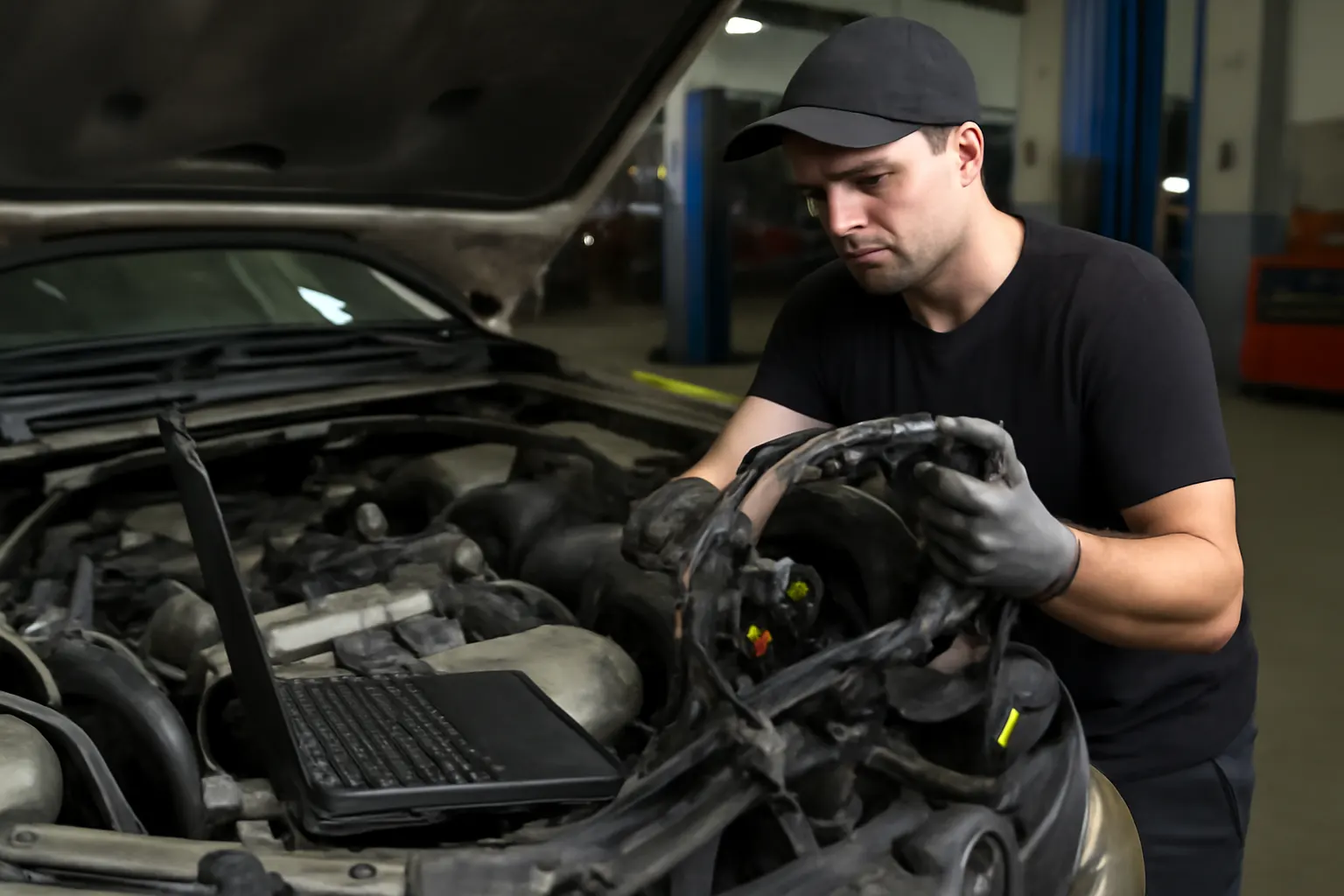
How to Replace an Engine Wiring Harness: Pro Tips
The engine wiring harness is the critical link between your vehicle’s electronic control unit (ECU) and every sensor, actuator, and engine management component. As vehicles grow more complex, harnesses have evolved to handle hundreds of connections, multiple data protocols, and increasingly sensitive signals. When a harness fails—due to age, heat, abrasion, rodent damage, or corrosion—engine performance, safety, and even fuel efficiency can suffer dramatically. According to the U.S.
Read More