
Chevy Corvette Dash Wiring Harness Parts
Chevy Corvette Dash Wiring Harness: Selection and Service Guide
Dash wiring harness issues in Chevy Corvettes can be easily overlooked until electrical symptoms emerge. Understanding the role of this component, how to identify related problems, and what to expect during repairs is crucial for owners. This guide explores practical steps for selecting and servicing dash wiring harnesses, supported by published consumer and regulatory evidence. Gain confidence in your repair decisions and learn how to navigate the process effectively.
19 Chevy Corvette Dash Wiring Harness Parts
Advertisement


Advertisement
More Dash Wiring Harness options for Chevy Corvette
Filtering for Chevy Corvette • Dash Wiring HarnessBrowse nearby inventory for this model and category without leaving the page.
No Data Available
Please check back soon when more inventory is available for this part.
Advertisement
Why Dash Wiring Harnesses Deserve Attention in Your Corvette
When considering the reliability of a Chevy Corvette, most owners focus on engine performance, suspension, or exterior condition. However, the dash wiring harness—a complex network of wires and connectors behind the dashboard—often escapes notice until a problem arises. This critical component is responsible for transmitting electrical signals between the dashboard controls, gauges, and the vehicle’s main electrical system. Overlooking its condition can lead to unexpected electrical issues that are both frustrating and potentially costly to resolve.
Many Corvette enthusiasts assume that electrical problems are rare or only occur in older vehicles, but the dash wiring harness is exposed to heat, vibration, and periodic tampering during upgrades or repairs. Even minor faults in this harness can cause intermittent failures in lighting, instrument clusters, or accessory power. Unlike more visible parts, wiring harnesses are hidden and rarely inspected unless a specific symptom appears, making their maintenance easy to neglect.
Understanding the importance of the dash wiring harness is the first step in preventing complex electrical failures. By giving this component the attention it deserves, Corvette owners can avoid the inconvenience of sudden electrical malfunctions and the uncertainty of troubleshooting hidden wiring issues. This guide will help you recognize the signs of harness problems and navigate the process of diagnosis and replacement with confidence.

Recognizing and Understanding Dash Wiring Harness Issues
Electrical problems in the dashboard area can manifest in subtle ways, such as flickering instrument lights, malfunctioning gauges, or non-responsive controls. For Chevy Corvette owners, these symptoms may seem isolated or minor at first, but they often point to underlying issues within the dash wiring harness. Because the harness serves as the central conduit for dashboard electronics, even a single damaged wire or corroded connector can disrupt multiple systems simultaneously.
The complexity of modern Corvette dashboards means that diagnosing wiring harness problems is not always straightforward. Multiple circuits are bundled together, and a fault in one area can affect seemingly unrelated functions. Owners may notice that their radio, climate controls, or warning lights behave unpredictably, leading to confusion about the root cause. Without a systematic approach, it’s easy to misattribute these symptoms to failing switches or modules instead of the harness itself.
Another challenge is that dash wiring harnesses are rarely inspected during routine maintenance. Unlike fluids or filters, wiring is not typically included in scheduled service intervals unless a specific complaint is raised. This lack of regular attention allows minor issues—such as chafed insulation, loose connectors, or moisture intrusion—to develop into significant problems over time. Corvette owners who install aftermarket electronics or perform DIY repairs may inadvertently stress or damage the harness without realizing it.
Corvette dash wiring harnesses are also subject to age-related degradation. Exposure to heat from the engine bay and sunlight through the windshield can cause insulation to become brittle, increasing the risk of shorts or open circuits. In some cases, rodents or insects may find their way into the dashboard area, chewing on wires and creating intermittent faults that are difficult to trace. These environmental factors compound the risk of harness failure as the vehicle ages.
The consequences of dash wiring harness problems extend beyond inconvenience. Electrical faults can compromise the operation of safety-critical systems, such as airbags or anti-lock brakes, if those circuits are routed through the dashboard. In rare cases, a short circuit could even pose a fire hazard. For this reason, it’s important not to ignore persistent electrical anomalies, even if they seem minor or infrequent. Early detection and intervention can prevent more serious outcomes.
Given these risks, Corvette owners should be proactive in monitoring dashboard electronics and seeking professional evaluation when symptoms arise. Understanding the potential for dash wiring harness issues—and the factors that contribute to their development—empowers owners to make informed decisions about inspection, diagnosis, and repair. The next section provides a practical guide to identifying and addressing these problems effectively.
Practical Steps for Diagnosing and Replacing a Corvette Dash Wiring Harness
The first step in addressing suspected dash wiring harness issues is a thorough inspection of the affected systems. Begin by documenting all symptoms, including when they occur and which dashboard functions are impacted. This information will help narrow down the possible causes and guide the diagnostic process. If multiple unrelated systems are malfunctioning, a harness fault becomes more likely. Use the owner’s manual to identify which circuits are routed through the dash harness for your specific Corvette model and year.
Next, visually inspect accessible wiring behind the dashboard. Look for signs of damaged insulation, loose or corroded connectors, and evidence of overheating or moisture. Pay special attention to areas where wires pass through metal brackets or sharp edges, as these are common points of chafing. If you have recently installed aftermarket accessories, check for improper splicing or unsecured wiring that could stress the harness. Take photographs of any suspicious areas to aid communication with a repair professional.
If the visual inspection is inconclusive, electrical testing may be necessary. A qualified technician can use a multimeter to check for continuity, voltage drops, and shorts within the harness. Intermittent faults may require more advanced diagnostic tools, such as oscilloscopes or circuit tracers, to pinpoint the exact location of the problem. For complex or persistent issues, consider seeking a second opinion from a shop with experience in Corvette electrical systems, as recommended by the Federal Trade Commission FTC: Auto Repair Basics.
Once a dash wiring harness fault is confirmed, you’ll need to decide whether to repair or replace the affected section. Minor damage—such as a single broken wire or corroded connector—can sometimes be repaired with proper splicing and insulation. However, extensive damage, multiple faults, or signs of overheating may require replacing the entire harness. Salvage harnesses, like those offered in the used parts market, can be a cost-effective solution if sourced from a compatible Corvette model and thoroughly inspected for integrity.
When selecting a replacement harness, verify compatibility by matching part numbers, connector types, and wire colors with your vehicle’s original equipment. Salvage harnesses are taken from donor vehicles and may show signs of previous use, so inspect them carefully for wear or modifications. Ask the seller for detailed photographs and a written description of the harness’s condition, as advised by the FTC for all major auto part purchases. If possible, obtain a written repair estimate that includes the cost of parts, labor, and any additional materials required for installation.
Installation of a dash wiring harness is a labor-intensive process that typically requires removal of the dashboard and careful routing of wires to avoid pinching or abrasion. Unless you have advanced automotive electrical experience, consider entrusting this job to a professional technician familiar with Corvette dashboards. Ensure that all connectors are properly seated and that the harness is secured with the correct fasteners and clips. After installation, test all dashboard functions to confirm that the repair has resolved the original symptoms.
Keep detailed records of the repair, including the source of the replacement harness, the work performed, and the final cost. This documentation can be valuable if future electrical issues arise or if you decide to sell the vehicle. The FTC recommends obtaining a completed repair order listing all parts and labor, as well as odometer readings at the time of service. Understanding the scope of the repair and the condition of the replacement harness helps maintain the value and reliability of your Corvette.
Finally, monitor your dashboard electronics for any recurring symptoms in the weeks following the repair. Intermittent electrical problems may take time to surface, especially if environmental factors such as humidity or temperature changes are involved. If new issues appear, consult your repair records and contact the technician or seller for follow-up support. By following these practical steps, you can address dash wiring harness problems confidently and minimize the risk of future electrical failures.
Evidence-Based Guidance for Corvette Dash Wiring Harness Repairs
The Federal Trade Commission’s auto repair guidance provides a foundation for approaching dash wiring harness repairs with diligence and transparency. According to the FTC: Auto Repair Basics, consumers should always request a written repair estimate that clearly identifies the condition to be repaired, the parts required, and anticipated labor charges. This advice is especially relevant for complex repairs like dash wiring harness replacement, where costs and scope can vary widely depending on the extent of damage and the source of the replacement part.
The FTC further distinguishes between new, remanufactured, and salvage parts, noting that salvage parts are sourced from other vehicles without alteration. For Corvette owners, this means that a used dash wiring harness can be a viable option if it matches the vehicle’s specifications and is inspected for integrity. The FTC does not guarantee the fitment or performance of any specific part, but it does recommend obtaining a completed repair order listing all work performed, parts used, and odometer readings. This documentation is essential for tracking the history of electrical repairs and supporting future troubleshooting efforts.
Importantly, the FTC’s guidance does not establish technical specifications or service intervals for dash wiring harnesses in Chevy Corvettes. Instead, it emphasizes the importance of comparing shop recommendations with the manufacturer’s maintenance schedule found in the owner’s manual. Corvette owners should be cautious of shops that propose additional services beyond what is recommended for their specific model and driving conditions. If extra work is suggested, the FTC advises asking for a clear explanation and justification before authorizing the repair.
The National Highway Traffic Safety Administration (NHTSA) provides a separate layer of consumer protection regarding vehicle safety defects and recalls. According to NHTSA: Vehicle Recalls, owners can use their vehicle identification number (VIN) to check for open recalls related to the dash wiring harness or other electrical components. However, searching by year, make, and model only yields general recall information and does not confirm that a specific Corvette is affected. NHTSA’s database is updated continuously, and recall information may not be immediately available for all vehicles or components.
NHTSA outlines a multi-step process for investigating and managing safety recalls, beginning with consumer complaints and progressing through formal investigations and manufacturer notifications. If a dash wiring harness defect is identified as a safety risk, manufacturers are required to notify owners and offer a remedy, which may include repair, replacement, or reimbursement. However, the presence of a recall in NHTSA’s database does not guarantee that every Corvette dash wiring harness is defective, nor does it confirm compatibility with replacement parts listed in aftermarket catalogs.
Neither the FTC nor NHTSA provides vehicle-specific technical data or repair outcomes for Chevy Corvette dash wiring harnesses. Instead, their published guidance empowers consumers to make informed decisions by seeking written estimates, verifying part compatibility, and maintaining thorough records. Owners are encouraged to consult the owner’s manual for model-specific maintenance recommendations and to use official channels to check for recalls or safety-related defects. These steps help ensure that dash wiring harness repairs are performed correctly and documented for future reference.
In summary, while regulatory agencies offer valuable consumer protection and procedural guidance, they do not substitute for professional diagnosis or guarantee the fitment of any particular dash wiring harness. Corvette owners should combine these evidence-based recommendations with practical inspection, careful part selection, and skilled installation to achieve reliable electrical repairs. By following published advice and maintaining detailed records, owners can confidently address dash wiring harness issues and safeguard the performance of their vehicles.
Take the Next Step Toward Reliable Corvette Electrical Repairs
If you suspect dash wiring harness issues in your Chevy Corvette, start by documenting symptoms and consulting your owner’s manual for relevant circuits. Request a written repair estimate and compare part options—new, remanufactured, or salvage—ensuring compatibility with your specific model. Use official resources to check for recalls and maintain thorough repair records. By following these evidence-based steps, you’ll be well-equipped to address wiring harness problems and keep your Corvette’s dashboard electronics running smoothly. Ready to explore available parts? Visit our Chevy Corvette Dash Wiring Harness catalog for detailed listings and comparison options.
References
- NHTSA: Vehicle Recalls
- FTC: Auto Repair Basics
References
- NHTSA: Vehicle Recalls - NHTSA, accessed 2026-11-01
- FTC: Auto Repair Basics - FTC, accessed 2026-11-01
Related Guides & Articles

How to Spot Counterfeit Chevy Parts
Counterfeit Chevy parts can jeopardize your vehicle's safety, reliability, and performance. Whether you're shopping for a replacement alternator, brake pads, or sensors, identifying fakes before you buy is crucial. This guide delivers immediate visual clues, packaging tips, and real-world examples to help you confidently distinguish genuine from counterfeit Chevy components—protecting both your investment and your safety.
Read More
Chevy Service Intervals Explained
Build a Chevrolet maintenance plan from the correct owner’s manual, service history and dashboard messages. Learn how oil-life reminders differ from oil-pressure warnings, how mileage and elapsed time affect a service decision, and why gasoline and electric vehicles need different schedules. Use the checklist to discuss a clear, itemized plan with your repairer.
View Guide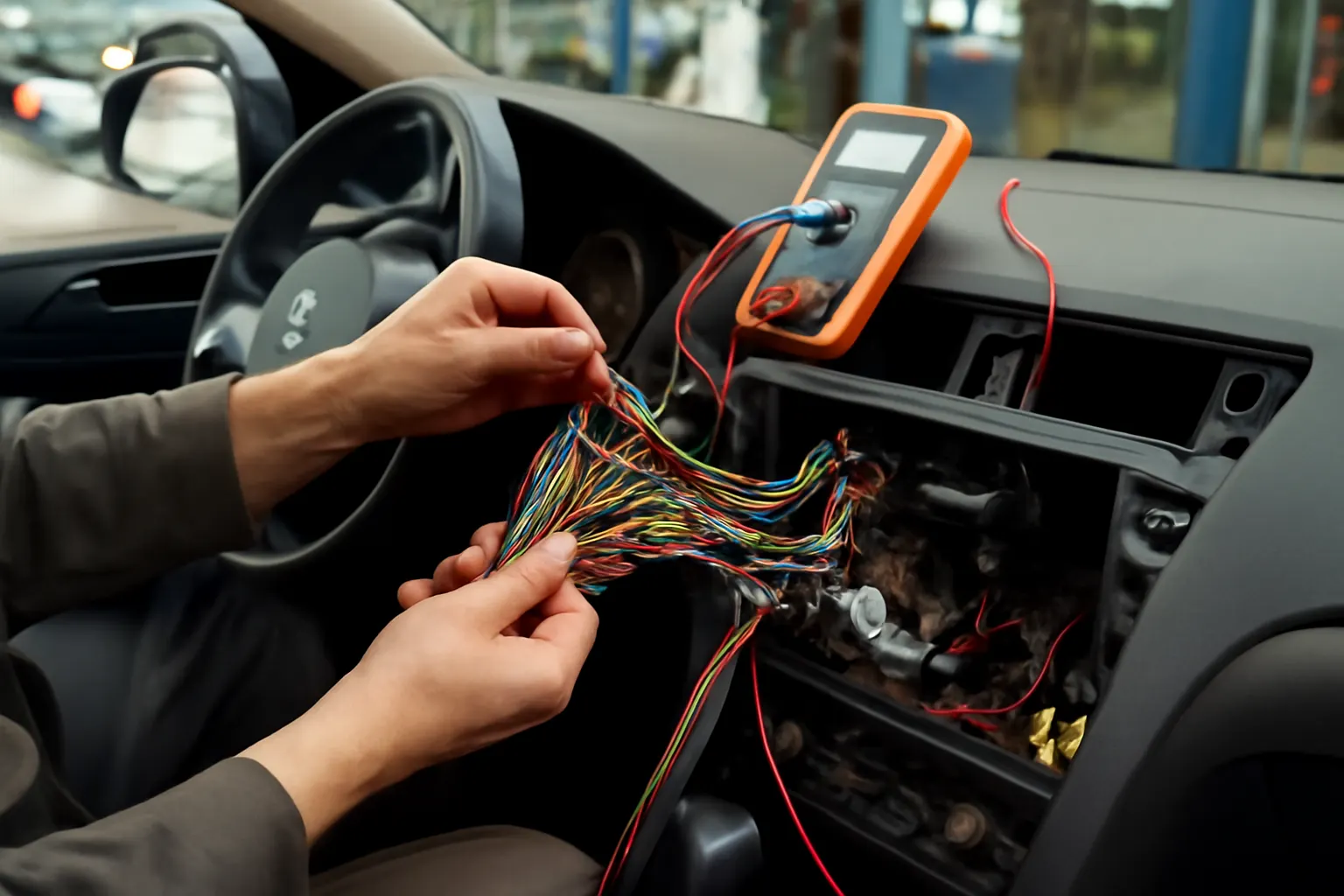
How Aftermarket Accessories Impact Dash Harness Reliability
Adding aftermarket accessories—like upgraded infotainment systems, dash cams, radar detectors, or auxiliary lighting—to your vehicle can enhance convenience, safety, and style. But every new electronic device you wire into your dash carries a hidden risk: jeopardizing the reliability of your vehicle’s dash wiring harness, the critical nerve center for modern automotive electronics. Understanding these risks and best practices is essential for safe, trouble-free upgrades. This article dives deeply into the real-world impact of aftermarket accessories on dash wiring harness reliability.
Read More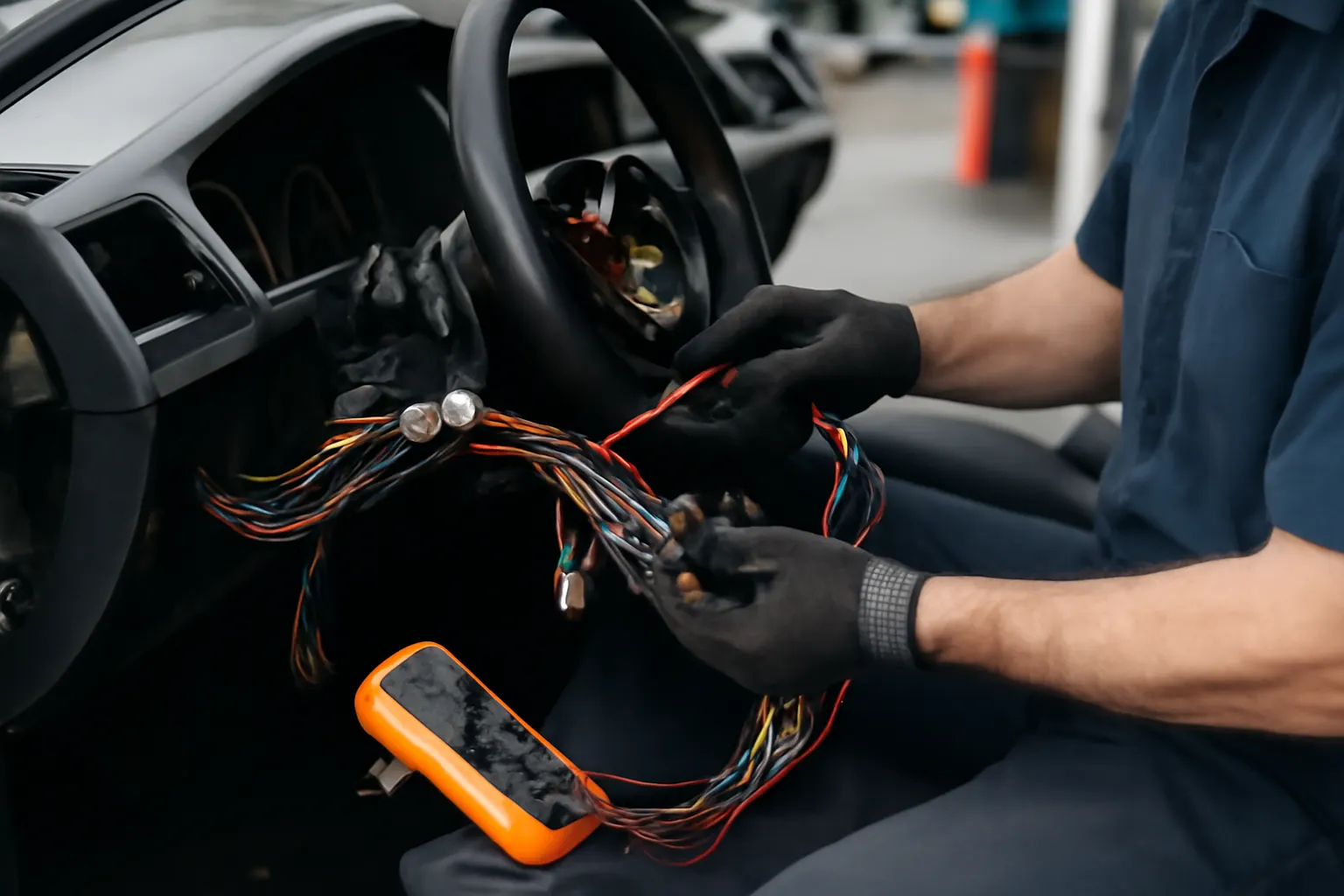
Preventing Electrical Fires: Dash Harness Safety Tips
Electrical fires are among the most dangerous and costly hazards facing modern vehicle owners. The dash wiring harness, serving as the nerve center of your vehicle’s electronics, is a critical component in ensuring both operational reliability and passenger safety. Immediate attention to dash harness safety—through proper maintenance, installation, and routine inspection—can dramatically reduce the risk of electrical fires.
Read More