Advertisement
Preventing Electrical Fires: Dash Harness Safety Tips
Electrical fires are among the most dangerous and costly hazards facing modern vehicle owners. The dash wiring harness, serving as the nerve center of your vehicle’s electronics, is a critical component in ensuring both operational reliability and passenger safety. Immediate attention to dash harness safety—through proper maintenance, installation, and routine inspection—can dramatically reduce the risk of electrical fires. In this comprehensive guide, the AutoPartEx Technical Editorial Team details actionable steps and expert insights to help you safeguard your vehicle, your passengers, and your investment.
If you’re seeking a foundational understanding of what makes the dash wiring harness so pivotal, visit our Dash Wiring Harness: The Nerve Center of Modern Vehicle Electronics category page.
The Immediate Answer: How to Prevent Electrical Fires from Dash Harness Issues
The most direct way to prevent electrical fires originating from your dash wiring harness is to ensure all wiring is properly routed, securely connected, and free from damage or corrosion. Regularly inspect the harness for wear, adhere strictly to manufacturer specifications during installation, and avoid overloading circuits with aftermarket accessories. If you notice any sign of electrical malfunction—like flickering dashboard lights, burning odors, or intermittent accessory failures—immediately disconnect the battery and investigate.
Routine maintenance and early intervention are your strongest defenses. Faulty or overheating dash harnesses are a leading cause of in-cabin vehicle fires, but with proactive attention, these risks can be eliminated before they escalate.
The Hidden Problem: Why Dash Wiring Harnesses Are Fire Prone
While modern dash harnesses are engineered for reliability, several hidden factors make them prone to electrical fires:
- Aging and Degradation: Over time, insulation hardens and cracks, exposing wires.
- Improper Installation: Incorrect routing, poor connections, and lack of secure mounting can create dangerous short circuits.
- Aftermarket Modifications: Splicing, tapping, or overloading circuits with additional accessories increases resistance and heat.
- Environmental Factors: Moisture intrusion, rodent damage, and vibration can compromise harness integrity.
These problems are often hidden behind panels and under dashboards, making them difficult to detect until symptoms appear—or worse, until a fire starts.
Understanding the Risks: What Happens When a Dash Harness Fails?
When a dash wiring harness fails, the consequences can be severe:
- Short Circuits: Exposed or pinched wires can allow current to bypass intended paths, generating intense heat.
- Overheating: Excessive current draw, especially from improperly installed accessories, causes wires to overheat and melt insulation.
- Arcing: Loose or corroded connections can spark, igniting nearby flammable materials.
- Loss of Critical Functions: Safety systems like airbags, ABS, and lighting may malfunction, compounding risk.
According to the National Highway Traffic Safety Administration (NHTSA), electrical system failures—including those originating in the dash harness—are a leading cause of vehicle recalls and fire incidents (NHTSA Equipment).
Anatomy of Dash Wiring Harness Failures: Technical Deep Dive
To address dash harness safety, it’s essential to understand the technical underpinnings:
- Conductor Material: Most harnesses use copper wiring for conductivity. If the copper corrodes (greenish discoloration), resistance rises, increasing heat.
- Insulation Types: Modern harnesses use cross-linked polyethylene or PVC insulation. Mechanical abrasion, heat, or chemical exposure can degrade these materials.
- Connectors and Terminals: Corrosion or improper crimping at connectors is a common failure point. Loose terminals can arc under load.
- Bundling and Routing: Wires must be routed to avoid sharp edges and moving parts. Over-tightened harnesses can pinch wires, while loose harnesses can chafe.
Failures often begin at weak points—such as spliced sections, high-current connectors, or areas subject to constant flexing. These technical vulnerabilities are magnified by poor maintenance or incorrect installation practices.
Advertisement
Early Warning Signs: How to Diagnose Dash Harness Safety Issues
Detecting dash harness issues before they escalate is critical. Watch for these warning signs:
- Flickering or Dimming Dashboard Lights: Indicates intermittent connections or voltage drops.
- Burning Smell: A telltale sign of overheating insulation or arcing.
- Unusual Heat: If the dash or footwell feels warm, investigate immediately.
- Accessory Malfunction: Intermittent radio, HVAC, or lighting failures often trace back to harness faults.
- Visible Damage: Cracked, brittle, or discolored wires and connectors are a red flag.
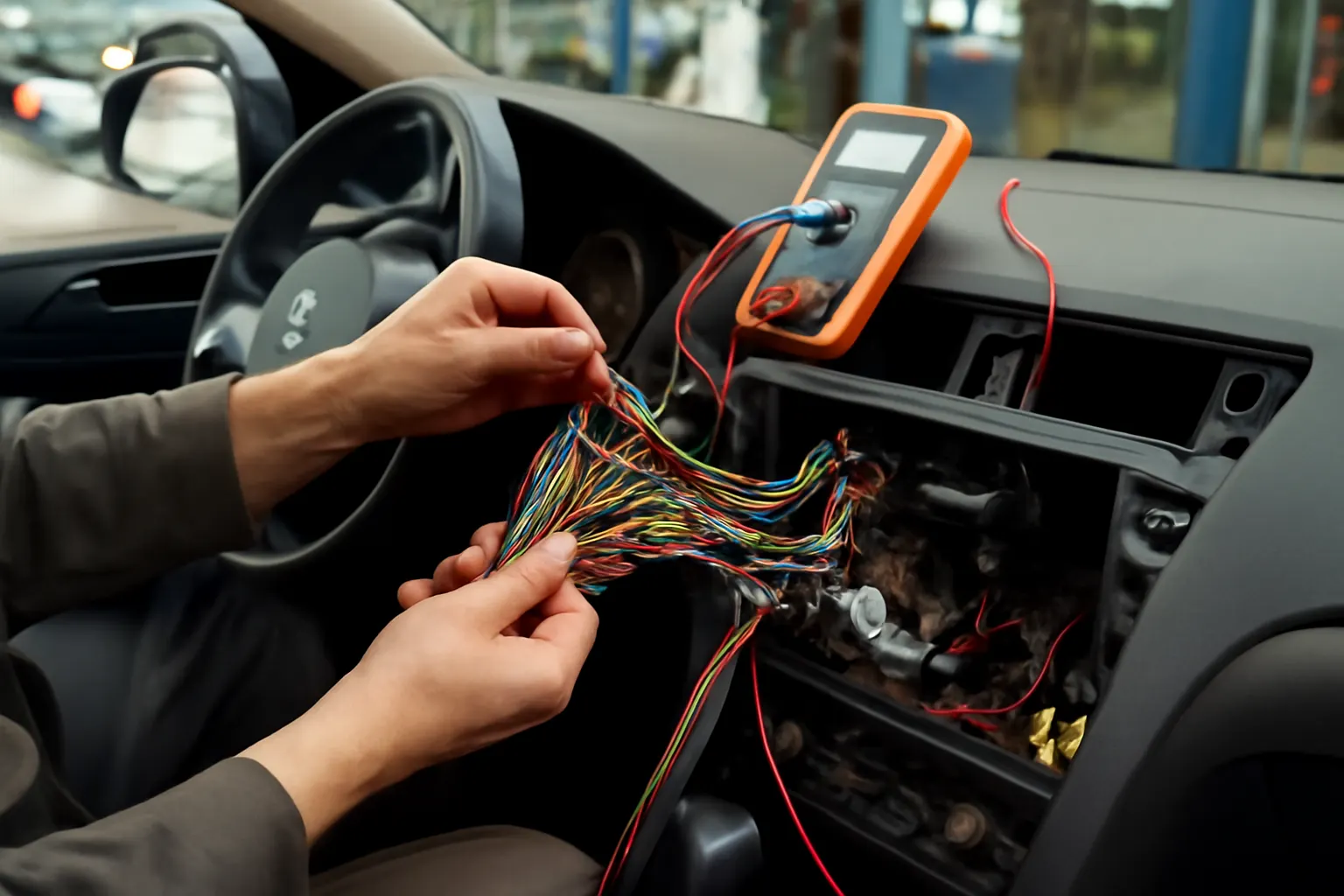
Use a multimeter to check for continuity and voltage drops across suspect circuits. If you’re unsure how to proceed, consult a professional or refer to our Diagnosing Electrical Issues in Modern Dashboards guide for step-by-step troubleshooting.
Safety Checklist: Dash Harness Fire Prevention
To help you systematically safeguard your vehicle, use this essential dash harness safety checklist:
| Step | Inspection/Action | Frequency | Tools Needed |
|---|---|---|---|
| 1 | Visual inspection for damaged wires and connectors | Every 6 months | Flashlight, mirror |
| 2 | Check for loose or corroded terminals | Every 6 months | Screwdriver, terminal cleaner |
| 3 | Test circuit continuity and resistance | Annually or if symptoms occur | Multimeter |
| 4 | Inspect and tighten all harness mounting points | Annually | Socket set, zip ties |
| 5 | Verify accessory wiring is fused and properly routed | After any modification | Wire strippers, fuses |
| 6 | Look for signs of rodent damage or moisture | Every 6 months, after storage | Flashlight |
| 7 | Confirm compliance with OEM routing diagrams | During installation/repair | Service manual |
| 8 | Disconnect battery before any harness work | Always | Wrench |
Following this checklist can dramatically reduce the risk of fire and component failure.
Installation Best Practices: Avoiding Common Mistakes
Whether you’re replacing a dash harness or installing aftermarket electronics, proper installation is crucial:
- Follow OEM Routing: Always use factory diagrams to route wires away from moving parts, sharp edges, and heat sources.
- Secure Fastening: Use proper clips and grommets. Never allow the harness to dangle or rub against metal surfaces.
- Quality Connectors: Use only high-quality, corrosion-resistant connectors. Avoid “twist and tape” splices.
- Heat Management: Avoid routing wires near HVAC ducts or engine-related heat sources.
- Fuse Every Accessory: Inline fuses protect against overloads and shorts.
Improper installation is a leading cause of harness failure and subsequent fires. If you’re unsure about your skills, consult a professional installer or refer to our OEM vs. Aftermarket Dash Wiring Harnesses: What You Need to Know for sourcing and fitment guidance.
The Impact of Aftermarket Accessories on Harness Safety
Adding aftermarket accessories—such as audio systems, lighting, or remote starters—can significantly increase the risk of dash harness fires if not installed with care:
- Current Overload: Many accessories draw more current than the original wiring is designed to handle.
- Improper Tapping: “Scotchlok” connectors or poorly executed splices create weak points prone to arcing.
- Grounding Issues: Inadequate grounding can cause feedback loops, overheating, or erratic operation.
Before modifying your dash harness, review our How Aftermarket Accessories Impact Dash Harness Reliability to understand risks and best practices.
Sourcing Safe, Compliant Dash Harnesses
Not all replacement harnesses are created equal. Here’s how to ensure you’re sourcing a safe, compliant part:
- SAE and OEM Standards: Look for harnesses that meet or exceed SAE and manufacturer standards (SAE Standards).
- Recall Status: Check for recalls related to dash harnesses or connectors on the NHTSA Recalls Database.
- Material Quality: Choose harnesses with high-grade copper wiring and robust insulation.
- Supplier Reputation: Buy from reputable suppliers with proven track records in automotive electrical parts.
Remember, a substandard harness can introduce more risk than the one it replaces. Always cross-check part numbers and fitment with your vehicle’s specifications.
Advertisement
Maintenance Routines: Keeping Your Dash Harness Safe Over Time
Ongoing maintenance is just as important as initial installation. Here are proven routines to maximize harness safety:
- Regular Inspections: As outlined in the checklist, inspect the harness at least every six months.
- Clean Connections: Use contact cleaner to remove oxidation from terminals and connectors.
- Monitor for Heat: If any area of the dash feels unusually warm, investigate immediately.
- Address Leaks and Moisture: Water intrusion is a leading cause of corrosion and shorts.
- Rodent Deterrence: Use rodent repellent under the dash if your vehicle is stored for long periods.
Proactive maintenance can extend harness life and prevent most common fire hazards.
The Role of Recalls and Safety Bulletins
Vehicle manufacturers and regulatory agencies frequently issue recalls and technical service bulletins (TSBs) for dash wiring harnesses. These may address:
- Defective Insulation: Prone to cracking or melting under normal use.
- Faulty Connectors: Poorly crimped or undersized terminals.
- Routing Errors: Factory misrouting that exposes wires to abrasion or heat.
Always check the NHTSA Recalls Database by your vehicle’s VIN to ensure your dash harness isn’t subject to a known safety issue. Address recalls promptly—these are free repairs that can prevent catastrophic failures.
Diagnosing and Repairing Dash Harness Problems
When you suspect a dash harness issue, follow a systematic diagnostic approach:
- Disconnect the Battery: Always start by disconnecting the negative terminal to prevent accidental shorts.
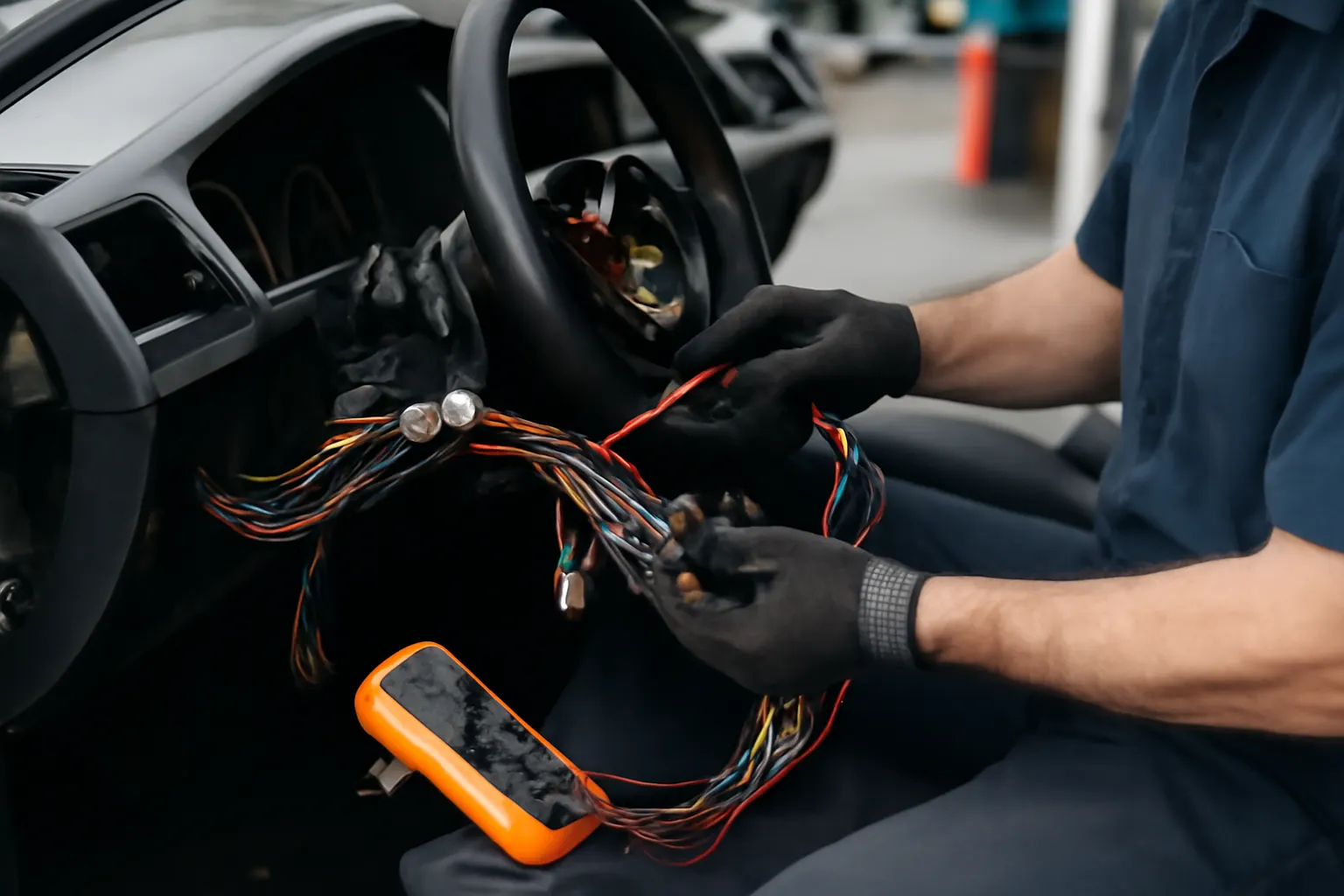
- Remove Dash Panels: Carefully remove trim and panels to access the harness without damaging clips or wires.
- Visual Inspection: Look for discoloration, melting, or exposed wires.
- Test Circuits: Use a multimeter to check for continuity, shorts, and excessive resistance.
- Repair or Replace: Minor damage can be repaired with soldered splices and heat-shrink tubing. For extensive damage, replace the entire harness.
- Retest and Reassemble: Confirm all repairs before reassembling the dash.
If you lack experience with automotive electrical systems, seek professional help. Improper repairs can create new hazards.
Fitment and Compatibility: Avoiding Mismatched Harnesses
Incorrectly fitted dash harnesses can cause more problems than they solve. Consider the following:
- Model-Specific Harnesses: Always use a harness designed for your exact make, model, and year.
- Connector Types: Verify that all connectors match OEM specifications. Aftermarket harnesses with “universal” connectors often require adaptation, which increases risk.
- Circuit Compatibility: Ensure all circuits (airbag, lighting, infotainment, HVAC) are accounted for. Missing or mismatched circuits can disable critical safety features.
For a deep dive into compatibility and sourcing, see our Dash Wiring Harness: The Nerve Center of Modern Vehicle Electronics category guide.
The AutoPartEx Difference: Trusted Expertise in Dash Harness Safety
At AutoPartEx, we understand the critical role a safe, reliable dash wiring harness plays in your vehicle’s operation and safety. Our curated selection of OEM and high-quality aftermarket harnesses are vetted for compliance with SAE and manufacturer standards. We provide fitment support, detailed installation guides, and up-to-date recall information to empower both DIYers and professional technicians.
If you’re seeking the right harness for your vehicle, or need expert guidance, our team is ready to help you prevent electrical fires and drive with peace of mind.
Take Action: Protect Your Vehicle from Electrical Fires
Electrical fires caused by dash harness failures are preventable with the right knowledge and proactive care. Regular inspection, proper installation, and sourcing high-quality replacement parts are your best defenses. Use the provided checklist, stay informed about recalls, and never hesitate to seek expert help when needed.
For further reading on diagnosing dashboard electrical issues or understanding the impact of aftermarket modifications, check out these related resources:
- Diagnosing Electrical Issues in Modern Dashboards
- How Aftermarket Accessories Impact Dash Harness Reliability
Your vehicle’s safety—and that of your passengers—depends on the integrity of its electrical nerve center. Make dash harness safety a top priority.
References
Advertisement