
Chevy Corvette CD Player/Radio Parts
Chevy Corvette CD Player/Radio: Selection and Service Guide
When considering a replacement or upgrade for your Chevy Corvette’s CD player or radio, many owners overlook crucial steps that ensure a smooth, reliable installation. Beyond simple compatibility, understanding how to evaluate condition, verify fitment, and navigate repair decisions can save time and prevent frustration. This guide highlights often-missed factors, practical steps, and evidence-based recommendations for Corvette audio system service and part selection, helping you make informed choices for your vehicle’s entertainment system.
Advertisement
239 Chevy Corvette CD Player/Radio Parts


Advertisement
More CD Player/Radio options for Chevy Corvette
Filtering for Chevy Corvette • CD Player/RadioBrowse nearby inventory for this model and category without leaving the page.
No Data Available
Please check back soon when more inventory is available for this part.
Advertisement
Why Corvette Owners Overlook Audio System Details
Many Chevy Corvette enthusiasts focus on performance and exterior upgrades, often underestimating the complexity of the vehicle’s audio system. The CD player and radio are integral not only for entertainment but also for maintaining the original character and value of the car. When these components malfunction or become outdated, owners may rush to buy replacements without considering the nuances of fitment, wiring, and system integration unique to the Corvette. This oversight can lead to compatibility issues or suboptimal audio performance.
A common misconception is that all GM or even all Corvette radios and CD players are interchangeable across generations or trims. In reality, differences in dashboard design, wiring harnesses, and onboard electronics can make installation challenging. Owners who don’t research these details may find that a seemingly correct part does not fit or function as expected. This can result in wasted time, additional expense, and even potential damage to the vehicle’s electrical system if improper connections are made.
Another overlooked aspect is the sourcing of replacement units. While new, remanufactured, and salvage parts are available, each comes with its own set of considerations regarding condition, warranty, and compatibility. Salvage units, for example, may have unknown histories or hidden faults. Understanding these distinctions is crucial for making a wise purchase and ensuring long-term satisfaction with your Corvette’s audio system.

Understanding the Challenges of Corvette CD Player/Radio Replacement
Replacing a CD player or radio in a Chevy Corvette is not always as straightforward as it appears. The vehicle’s design, especially in later generations, often integrates the audio system with other electronic modules. This means that a non-original or incompatible unit can cause issues with dashboard controls, security features, or even the car’s power management systems. Owners who attempt a swap without verifying these connections can inadvertently disable other functions or trigger warning lights.
The challenge is compounded by the fact that Corvette models have evolved significantly over the years. For example, the CD player/radio unit in a C5 Corvette (1997–2004) differs in mounting, connectors, and software integration from those in earlier or later models. Even within the same generation, trim levels and optional sound systems may require different head units or amplifiers. This diversity makes it essential to match the replacement part precisely to the vehicle’s year, trim, and equipment list.
Another issue is the availability of reliable service information. Many owners rely on online forums or generic repair guides, which may not address the specific wiring diagrams or diagnostic steps for their Corvette. Without accurate information, it’s easy to misdiagnose a problem as a failed radio when the real culprit is a blown fuse, faulty antenna, or a malfunctioning amplifier. This can lead to unnecessary part replacements and continued frustration when the issue persists.
Furthermore, the used parts market introduces additional uncertainty. Salvage CD players and radios may come from vehicles with unknown histories, and it’s not always clear whether they have been tested or refurbished. Some sellers may not provide detailed condition reports or return policies, leaving buyers at risk if the part does not work as intended. This uncertainty underscores the importance of thorough evaluation and clear communication with sellers before making a purchase.
The complexity of modern audio systems also means that professional installation is often recommended. Improper installation can result in electrical shorts, damage to the dashboard, or loss of vehicle features such as steering wheel audio controls. For those who choose to install the unit themselves, careful attention to wiring diagrams and connector types is essential. Failure to do so can compromise both safety and functionality.
Finally, owners should be aware that replacing the CD player or radio may have implications for vehicle value and originality, especially in collectible Corvettes. Using non-original parts or making irreversible modifications can reduce resale value or complicate future restorations. For those concerned with maintaining authenticity, sourcing OEM or period-correct units is particularly important.
Practical Steps for Selecting and Installing a Corvette CD Player/Radio
The first step in replacing your Corvette’s CD player or radio is to accurately identify your vehicle’s model year, trim level, and any factory-installed audio options. This information is typically found in your owner’s manual, on the glovebox RPO (Regular Production Option) sticker, or by decoding your VIN. Knowing these details ensures that you search for parts that are truly compatible with your specific Corvette, reducing the risk of purchasing an incorrect unit.
Once you have identified the correct part, consider the type of replacement you want: new, remanufactured, or salvage. New units are rare for older Corvettes and may be expensive, but they offer the best assurance of reliability. Remanufactured or rebuilt units have been restored to working condition and may come with a limited warranty. Salvage units are typically the most affordable but carry greater risk regarding unknown wear or hidden defects. Always ask the seller for a detailed condition report and, if possible, a return policy.
Before purchasing, request clear photographs of the actual unit, including all connectors, mounting points, and faceplate details. Compare these with your existing unit to verify compatibility. If possible, obtain the part number from your original radio or CD player and ensure the replacement matches exactly. Be wary of listings that use generic images or fail to specify the donor vehicle’s year and trim, as these may not be accurate representations of the part you will receive.
When evaluating a used or salvage part, inquire about its functional status and any testing performed. Some sellers offer bench-tested units with a limited guarantee, while others sell as-is. If the unit comes from a vehicle with known electrical issues, consider the possibility that the radio itself may be damaged. Whenever possible, choose sellers who provide a written repair or test report, as recommended by the FTC for complex repairs and part purchases FTC: Auto Repair Basics.
Installation should be approached with care. If you lack experience with automotive electronics, consider hiring a professional installer familiar with Corvettes. If you choose to install the unit yourself, consult your owner’s manual and, if available, a factory service manual for wiring diagrams and removal procedures. Take photographs of all connections before disconnecting anything, and label wires to prevent confusion during reassembly. Double-check all connections before powering up the system to avoid shorts or damage.
After installation, test all functions of the radio and CD player, including AM/FM reception, CD playback, and any integrated features such as steering wheel controls or display screens. If any functions do not work as expected, recheck your wiring and ensure that the unit is properly seated in its mounting bracket. If problems persist, consult a qualified technician or seek advice from Corvette-specific forums where experienced owners may offer guidance.
Keep records of your purchase and installation, including receipts, part numbers, and any correspondence with the seller. This documentation will be valuable if you encounter issues later or if you decide to sell the vehicle. A completed repair order listing the work performed, parts used, and odometer reading is recommended by the FTC for all significant repairs FTC: Auto Repair Basics.
Finally, periodically check for recalls or service bulletins related to your Corvette’s audio system. While CD players and radios are rarely the subject of safety recalls, it is still wise to verify your vehicle’s status using the NHTSA VIN lookup tool NHTSA: Vehicle Recalls. This ensures you are aware of any manufacturer updates or remedies that may affect your audio system’s performance or safety.
Evidence and Guidance from Published Sources
The Federal Trade Commission’s guidance on auto repair emphasizes the importance of obtaining a written repair estimate and understanding the distinction between new, remanufactured, and salvage parts. For Corvette owners, this means that when sourcing a replacement CD player or radio, you should request a detailed estimate or condition report from the seller. The FTC specifically advises consumers to get a completed repair order listing the work performed, parts used, and odometer readings. This practice helps protect buyers from undisclosed defects or misunderstandings about the part’s condition, especially when dealing with salvage or used units FTC: Auto Repair Basics.
The FTC also recommends that consumers compare shop recommendations with the manufacturer’s maintenance schedule and to ask why extra service is proposed. While this advice is general, it applies to Corvette CD player/radio replacement by encouraging owners to verify whether a recommended replacement is truly necessary or if a simpler repair, such as replacing a fuse or antenna, might resolve the issue. This approach helps avoid unnecessary expenses and ensures that any work performed aligns with the actual needs of the vehicle FTC: Auto Repair Basics.
According to the National Highway Traffic Safety Administration (NHTSA), vehicle recalls are initiated when a manufacturer or the agency determines that a vehicle or equipment creates an unreasonable safety risk or fails to meet minimum safety standards. While there is no evidence from NHTSA indicating a recall specifically for Corvette CD players or radios, the agency provides a VIN lookup tool that allows owners to check for open recalls on their specific vehicle. This tool is valuable for confirming whether any manufacturer remedies or updates are available that could affect the performance or safety of the audio system NHTSA: Vehicle Recalls.
The NHTSA also outlines the process by which vehicle owners can report safety problems and how these complaints are investigated. For Corvette owners experiencing persistent issues with their CD player or radio that may relate to safety—such as electrical malfunctions causing dashboard warnings or power loss—filing a complaint with NHTSA can help initiate an investigation. However, the agency notes that most recalls are voluntary and that not all complaints result in a recall or manufacturer action. This underscores the importance of thorough documentation and communication with both sellers and service providers NHTSA: Vehicle Recalls.
Neither the FTC nor NHTSA provides vehicle-specific technical specifications or guarantees regarding the fitment of CD players or radios in the Chevy Corvette. As such, buyers should not assume compatibility based solely on catalog listings or part labels. Instead, they should request detailed photographs, part numbers, and written confirmation from the seller. This evidence-based approach minimizes the risk of purchasing an incompatible or defective unit and aligns with the FTC’s advice to get all repair terms and warranties in writing FTC: Auto Repair Basics.
The NHTSA’s recall process highlights the importance of registering your vehicle and checking for recalls twice a year. While this is a general recommendation, it is particularly relevant for Corvette owners who may have purchased used or salvage vehicles with unknown service histories. Regular recall checks ensure that any manufacturer updates or remedies are not missed, which could affect not only the audio system but other critical vehicle systems as well NHTSA: Vehicle Recalls.
In summary, published consumer protection guidance emphasizes documentation, verification, and communication as key strategies when sourcing and installing a replacement CD player or radio for your Corvette. While there is no specific evidence of widespread failures or recalls for these components, following these best practices helps ensure a successful outcome. Owners are encouraged to leverage official resources, request detailed information from sellers, and maintain thorough records of all repairs and part purchases.
Take the Next Step for Your Corvette’s Audio System
If you’re considering a replacement or upgrade for your Chevy Corvette’s CD player or radio, start by gathering your vehicle’s details and reviewing the guidance above. Request detailed information and photographs from sellers, verify compatibility, and document your purchase and installation. For more information or to explore available units, visit the Chevy Corvette CD Player/Radio category or consult with a qualified technician to ensure your audio system performs at its best.
References
- NHTSA: Vehicle Recalls
- FTC: Auto Repair Basics
References
- NHTSA: Vehicle Recalls - NHTSA, accessed 2026-11-01
- FTC: Auto Repair Basics - FTC, accessed 2026-11-01
Related Guides & Articles

How to Spot Counterfeit Chevy Parts
Counterfeit Chevy parts can jeopardize your vehicle's safety, reliability, and performance. Whether you're shopping for a replacement alternator, brake pads, or sensors, identifying fakes before you buy is crucial. This guide delivers immediate visual clues, packaging tips, and real-world examples to help you confidently distinguish genuine from counterfeit Chevy components—protecting both your investment and your safety.
Read More
Chevy Service Intervals Explained
Build a Chevrolet maintenance plan from the correct owner’s manual, service history and dashboard messages. Learn how oil-life reminders differ from oil-pressure warnings, how mileage and elapsed time affect a service decision, and why gasoline and electric vehicles need different schedules. Use the checklist to discuss a clear, itemized plan with your repairer.
View Guide
Diagnosing Audio System Failures: Common Causes and Fixes
Modern vehicles rely on sophisticated audio systems not just for entertainment, but also for navigation, communication, and integration with safety features. When your CD player or radio system fails, it can be more than an inconvenience—it can signal deeper electrical or component issues that may affect other vehicle functions. In this in-depth guide, we’ll walk you through the most frequent reasons for automotive audio malfunctions, how to accurately diagnose issues, and the best approaches for effective repairs or replacements.
Read More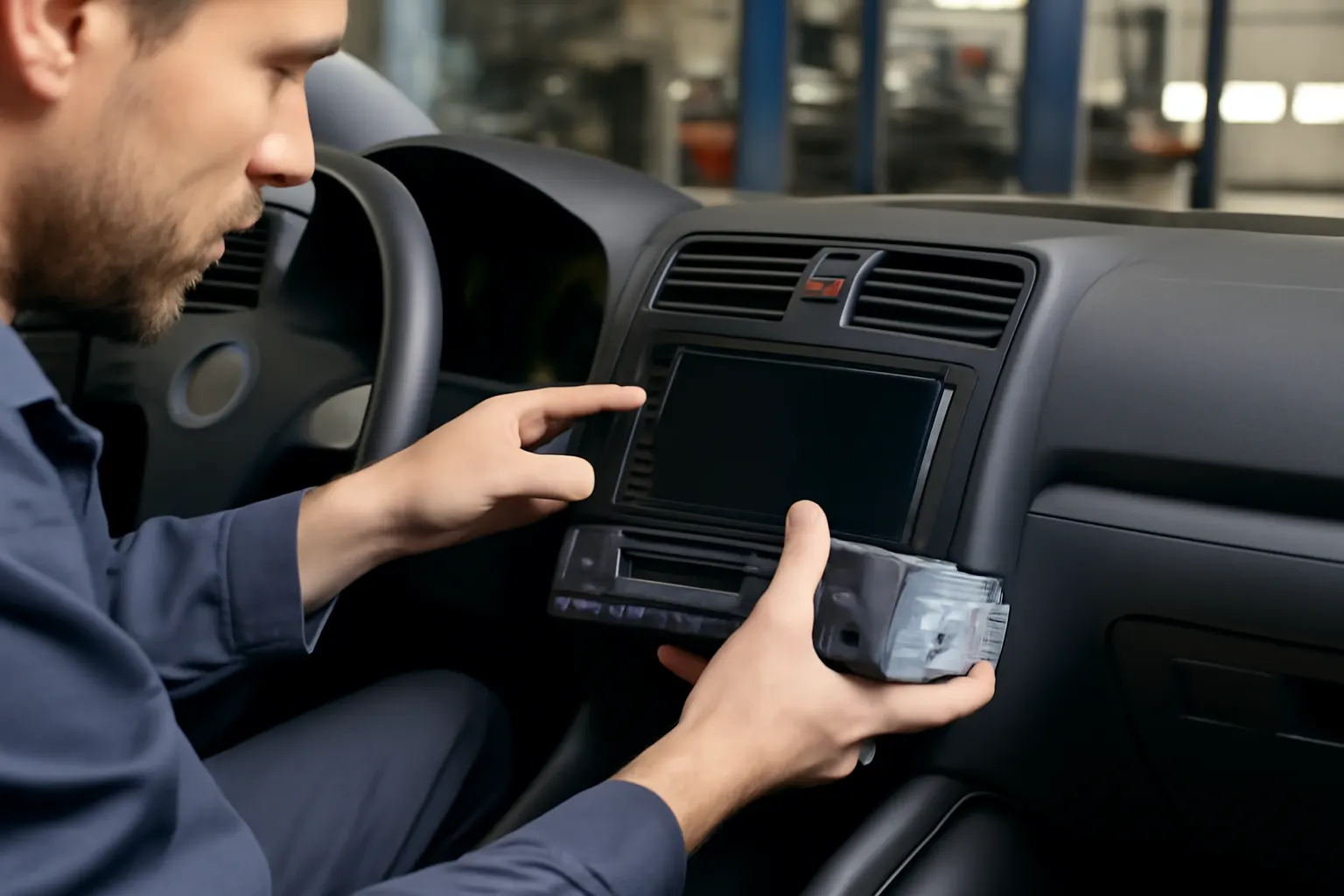
The Evolution of In-Car Entertainment: From Cassette to Streaming
At first glance, upgrading a car’s entertainment system may seem straightforward—swap out the old, install the new. However, hidden challenges often emerge: Electrical Compatibility: Modern head units may require wiring harnesses, adapters, or CAN bus integration to function with existing vehicle electronics. Physical Fitment: Dash openings, mounting brackets, and trim vary widely, especially between eras and manufacturers. Safety and OEM Integration: Features like steering wheel controls, backup cameras, and vehicle diagnostics are increasingly routed through infotainment systems, complicating replacements.
Read More