
Audi S4 Auto Parts
Audi S4 Parts & Maintenance: Expert Guide to Sourcing, Fitment, and Service
The Audi S4 stands as the performance flagship of Audi’s compact executive range, blending luxury, advanced engineering, and high-output drivetrains since its debut in 1991. Developed as the sportier sibling to the A4, the S4 has evolved through multiple generations—each offering distinct engines, drivetrains, and technological features. As an enthusiast or a diligent owner, sourcing the right parts for the S4 means navigating unique challenges associated with its advanced components, performance tuning, and platform variations. This page provides an in-depth guide to identifying, diagnosing, and sourcing the correct components for every Audi S4 variant, ensuring robust, reliable service at every stage of ownership.
Many Audi S4 owners underestimate the intricacies of maintaining a high-performance vehicle as it ages. Unlike mainstream A4 models, the S4’s specialized drivetrain, high-output engines, and unique suspension components demand heightened attention to wear, fitment, and material compatibility. Subtle issues—such as aging bushings, high-heat turbo gaskets, or platform-specific electronic modules—can go unnoticed until they cause cascading failures or expensive repairs. Scarcity of certain generation-specific parts exacerbates sourcing challenges, especially for earlier models or those with limited production runs. In addition, the S4’s evolution through several VW Group platforms (B5, B6, B7, B8, B9) means that not all parts are cross-compatible, even within the same model year. Overlooking these nuances can lead to improper fitment, increased downtime, and avoidable expenses.
Audi S4s are renowned for their performance, but this comes with notable long-term ownership challenges. Common issues across generations include timing chain tensioner failures (especially on V6 and V8 engines), oil consumption, carbon buildup on direct-injection engines, and wear on performance-oriented brake and suspension components. Platform variations, such as the switch from longitudinal to transverse engine layouts, Quattro drivetrain updates, and the introduction of turbocharging (vs. previous naturally aspirated or supercharged engines), can make identifying the correct part number a complex process. Owners and technicians must pay close attention to VIN splits, engine codes, and platform-specific hardware when sourcing critical parts. Compatibility problems also arise with electronic modules, sensors, and interior components, which may appear similar but differ in calibration or connector type between S4 generations.
To effectively maintain and repair the Audi S4, a model-specific, diagnostic-led approach is essential. Begin with a detailed VIN check to confirm exact engine, transmission, and platform specification—this is particularly crucial for B5 through B9 S4s, where even mid-year changes affect parts compatibility. Leverage resources like the Audi VIN Decoding Guide for decoding platform and equipment codes. Use targeted diagnostic data (OBD-II, VAG-COM scans) to isolate issues such as timing chain stretch or sensor failures. For sourcing, prioritize OEM or OE-equivalent parts, and reference the S4 Parts Compatibility Checklist to avoid costly fitment errors. For best results, plan major service intervals—such as timing chain service (often at 80,000-100,000 miles on V6/V8 engines), carbon cleaning (every 40,000-60,000 miles on direct-injection models), and regular brake/rotor replacements—using a service log aligned with Audi’s technical documentation. Consult detailed editorial resources like Audi S4 Maintenance Blog for real-world service experiences and troubleshooting tips.
311 Audi S4 Auto Parts
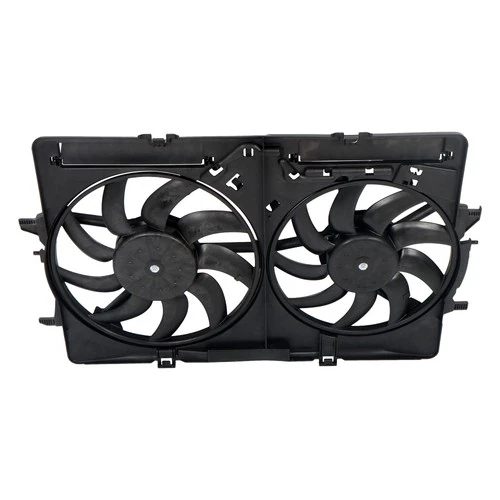
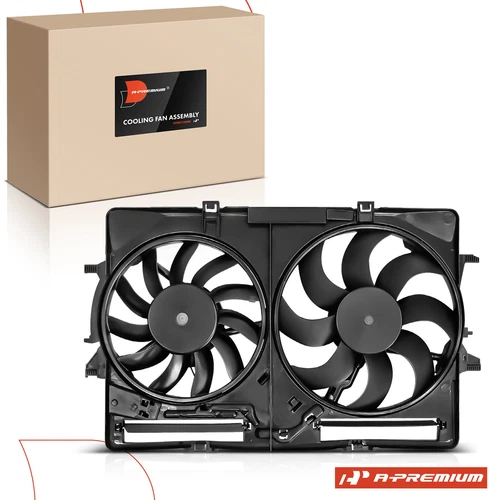


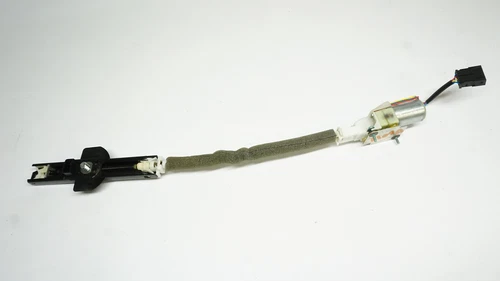

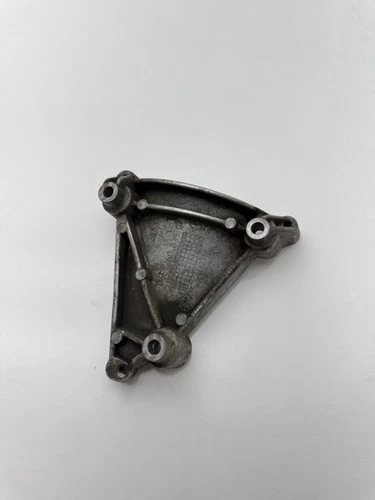
More Audi S4 options
Filtering for Audi S4Browse nearby inventory for this model without leaving the page. Use search to filter by price, part number, or city.
No Data Available
Please check back soon when more inventory is available for this part.
Expert-Level S4 Service: Real-World Evidence, Technical Guidance, and AutoPartEx Support
Sourcing parts for these models can be challenging, especially as some components are shared with other VW Group models (A4, S5, A6) while others are exclusive to the S4. This distinction is critical for components such as suspension arms (where S4-specific bushings and geometry differ from A4), or drivetrain mounts that must handle higher torque outputs. In some cases, even seemingly identical parts—such as control arms or engine sensors—can differ in connector type, sensor calibration, or mounting due to mid-generation changes or factory updates. Owners and technicians must therefore be vigilant, using VIN-based lookup and referencing both official Audi technical documentation and community-sourced guides for best results.
Service planning for the S4 should include aggressive interval checks: oil changes every 5,000–7,500 miles with high-quality synthetic oil, transmission and differential fluid changes at 40,000–60,000 miles, and proactive replacement of coolant hoses, ignition coils, and PCV systems. The higher loads on S4 brake and suspension systems mean more frequent inspection and, often, earlier replacement than standard A4s. For B8/B9 models, attention to digital diagnostics and software updates is also important, as electronic steering, adaptive dampers, and driver-assist systems can develop intermittent faults that require OE-level scan tools and software support. In summary, successful S4 maintenance demands a blend of technical research, precise sourcing, and detailed service documentation—backed by reliable suppliers and model-specific expertise.
Quick Audi S4 Parts and Service Tips
VIN-Based Parts Lookup
Always confirm your S4’s VIN and production date before ordering parts—mid-year changes can affect compatibility for critical components like timing systems, electronics, and suspension.
Service Interval Planning
Schedule timing chain/tensioner checks every 80,000–100,000 miles and oil changes at 5,000–7,500-mile intervals. Frequent brake and suspension inspections are especially important for spirited drivers.
OEM vs. Aftermarket Parts
For mission-critical systems (timing, sensors, turbo/supercharger components), always prioritize OEM or OE-equivalent parts to maintain reliability and performance. Use the S4 Parts Compatibility Checklist for guidance.
Diagnostic Tools and Resources
Invest in professional OBD-II/VAG-COM scan tools for accurate troubleshooting—many S4 faults are electronic in nature and require detailed diagnostic support.
References
- Vehicle, Car Seat, Tire, and Equipment Recalls - National Highway Traffic Safety Administration, accessed 2024-06-01Used for model recall awareness and platform evolution.
- Fuel Efficiency - United States Department of Energy, accessed 2024-06-01Provides technical context for engine and drivetrain variations.
- Materials Technologies - United States Department of Energy, accessed 2024-06-01Referenced for body structure, materials, and platform updates affecting S4 parts.
Related Guides & Articles

Audi Vin Decoding
A complete guide to decoding Audi VINs for accurate parts selection—avoid costly mix-ups with this essential resource. Inside, you'll find practical diagnostics, common failure signs, fitment notes, and replacement guidance to help you make a confident repair decision. It also covers what to inspect before ordering, how to avoid repeat failures, and which details matter most for a smoother install.
View Guide
Audi S4 Maintenance Real World
Discover practical tips from the service bay: real-world Audi S4 maintenance stories, diagnostics, and upgrade advice. Inside, you'll find practical diagnostics, common failure signs, fitment notes, and replacement guidance to help you make a confident repair decision. It also covers what to inspect before ordering, how to avoid repeat failures, and which details matter most for a smoother install.
Read More
Audi S4 Parts Compatibility
Breaking down S4-specific parts compatibility: from suspension arms to electronic modules, here’s what you need to know. Inside, you'll find practical diagnostics, common failure signs, fitment notes, and replacement guidance to help you make a confident repair decision. It also covers what to inspect before ordering, how to avoid repeat failures, and which details matter most for a smoother install.
Read More
S4 Parts Compatibility Checklist
Step-by-step checklist to ensure correct part fitment for every Audi S4 generation, complete with VIN and platform tips. Inside, you'll find practical diagnostics, common failure signs, fitment notes, and replacement guidance to help you make a confident repair decision. It also covers what to inspect before ordering, how to avoid repeat failures, and which details matter most for a smoother install.
View Guide