
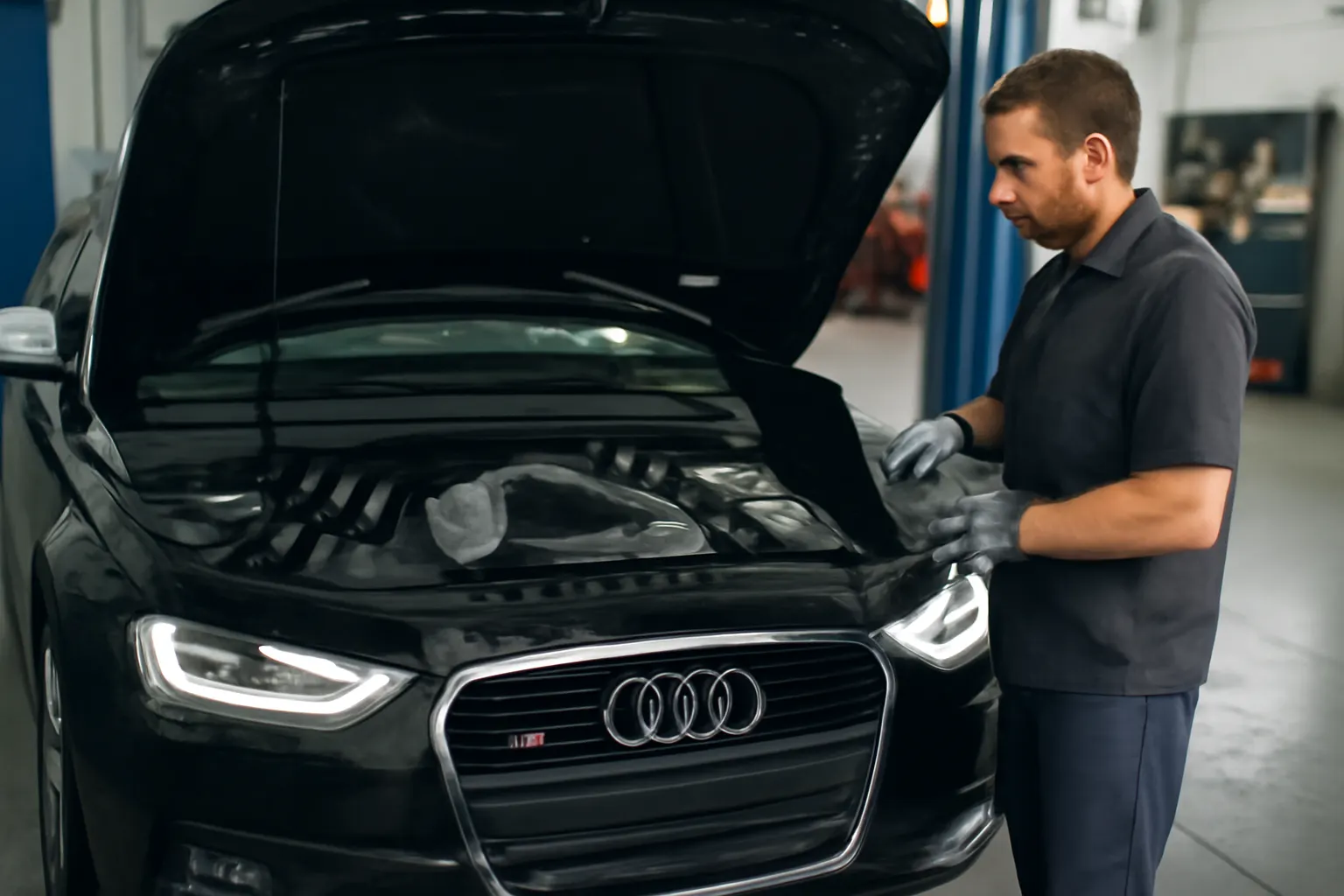
Audi S4 Maintenance Real World
Audi S4 owners know that keeping this performance sedan in peak condition means going beyond the basics. Whether you’re a seasoned DIYer or a first-time S4 owner, real-world maintenance is about more than oil changes: it’s about understanding diagnostics, choosing the right parts, and learning from the hard-earned lessons of the service bay. In this guide, we bring you practical insights, troubleshooting tactics, and upgrade advice direct from the field—all tailored for your S4. For a comprehensive breakdown of compatible parts and expert fitment tips, explore our Audi S4 Parts & Maintenance: Expert Guide to Sourcing, Fitment, and Service.
Immediate Answers: What Every Audi S4 Owner Needs to Know
The Audi S4 is engineered for performance, but its complex systems demand proactive care. Here’s what every owner should know for real-world reliability:
- Scheduled Maintenance: Stick to factory intervals for oil, filters, spark plugs, and fluids. Skipping items like DSG transmission service or supercharger oil changes can lead to costly repairs.
- Diagnostics: Invest in a quality OBD-II scanner. Many S4 issues—like misfires, sensor failures, or electronic glitches—can be identified early through diagnostic trouble codes (DTCs).
- Parts Quality: Use OE or high-quality aftermarket parts that meet or exceed SAE Standards and NHTSA safety requirements.
- Upgrade Strategy: Plan upgrades with compatibility in mind. Not all performance parts fit every S4 generation; always cross-reference with a S4 Parts Compatibility Checklist.
Hidden Problems: What the Service Bay Reveals About the S4
While the Audi S4’s reputation for performance is well earned, real-world maintenance uncovers issues not always obvious in the owner’s manual:
- Carbon Buildup: Direct-injected engines, like those in the S4, are prone to carbon deposits on intake valves, leading to rough idle and power loss.
- PCV and Oil Separator Failures: These components can cause vacuum leaks or excessive oil consumption, often without triggering a check engine light.
- Suspension Wear: The S4’s sporty handling comes at the cost of accelerated wear on bushings, control arms, and shocks, especially on rough roads or lowered cars.
- Electrical Gremlins: Intermittent faults in window regulators, door locks, or MMI infotainment systems are common and can be frustrating to diagnose.
Expanding the Problem: Why S4 Maintenance is More Challenging Than It Seems
The Audi S4 combines advanced technology, high-performance components, and premium materials—resulting in maintenance challenges that go beyond routine service:
- Complex Diagnostics: Many issues require specialized tools and in-depth knowledge of Audi’s CAN-BUS systems. For example, diagnosing a misfire may involve testing coil packs, injectors, and even ECU software versions.
- Parts Sourcing Difficulties: Not all aftermarket parts are created equal. Some fail to meet NHTSA equipment standards, risking safety or compatibility.
- Hidden Recalls and TSBs: Some persistent problems, like water pump leaks or timing chain rattle, have been addressed in recalls or technical service bulletins (TSBs)—but owners may not be notified unless they check NHTSA recalls.
- Performance vs. Longevity: Popular upgrades (like lowering springs or ECU tunes) can accelerate wear on driveline and suspension components, requiring more frequent inspections and part replacements.
Practical Maintenance: S4 Service Intervals and Real-World Adjustments
Audi’s factory maintenance schedules provide a baseline, but real-world driving often calls for more frequent service. Here’s how seasoned S4 owners adapt:
Oil and Filter Service
- Factory Interval: 10,000 miles (synthetic oil)
- Real-World Best Practice: 5,000–7,500 miles, especially for tuned or hard-driven cars. This reduces the risk of sludge, cam follower wear, and turbo/supercharger issues.
DSG/S-Tronic Transmission Service
- Factory Interval: 40,000 miles
- Real-World Best Practice: 30,000–35,000 miles, using OE fluid and filter. Delayed service can cause mechatronic or clutch pack failures.
Spark Plugs and Ignition Coils
- Factory Interval: 55,000 miles
- Real-World Best Practice: 35,000–40,000 miles for tuned engines or those running ethanol blends.
Carbon Cleaning
- Factory Recommendation: Not specified
- Real-World Best Practice: Walnut blasting every 50,000–70,000 miles.
Cooling System
- Factory Interval: Inspect at 40,000 miles, replace coolant every 5 years
- Real-World Best Practice: Inspect hoses, water pump, and thermostat at every major service. Replace plastic components proactively, as these are common failure points.
The Diagnostic Approach: Real-World S4 Trouble Codes and Solutions
Audi S4s are known for their sophisticated diagnostics, but interpreting the codes is only half the battle. Here’s how technicians approach common issues:
Top 5 S4 Trouble Codes and What They Mean
| Code | Typical Cause | Real-World Solution |
|---|---|---|
| P0300–P0306 | Random/multiple cylinder misfire | Check coils, plugs, injectors, carbon buildup |
| P2187/P2188 | System too lean/rich at idle | Inspect PCV, vacuum leaks, MAF sensor |
| P0299 | Turbo/supercharger underboost | Test diverter valve, charge pipes, boost leaks |
| P0420 | Catalyst efficiency below threshold | Test O2 sensors, check for exhaust leaks, cat wear |
| P0341 | Camshaft position sensor error | Inspect sensor, timing chain stretch, wiring issues |
Diagnostic Checklist for DIY Owners
- Scan for DTCs with a VAG-COM or OBD-II scanner.
- Record freeze frame data to capture engine conditions at the time of fault.
- Inspect common failure points: coil packs, PCV, hoses, and connectors.
- Consult TSBs and recalls for known model-specific issues.
- Test and verify before replacing parts—don’t just clear codes and hope for the best.
Sourcing the Right Parts: OE vs. Aftermarket in the Real World
Not all Audi S4 parts are created equal. Choosing between OE, OEM, and aftermarket options affects reliability, safety, and long-term cost.
OE (Original Equipment)
- Pros: Guaranteed fit and performance, meets NHTSA and SAE standards.
- Cons: Higher cost, sometimes limited availability.
OEM (Original Equipment Manufacturer)
- Pros: Same supplier as OE, often lower price.
- Cons: Packaging and branding may differ, but quality is typically equivalent.
Aftermarket
- Pros: Wider selection, performance upgrades, cost savings.
- Cons: Quality varies; some may not meet safety standards or may require modification.
Key Sourcing Tips
- Cross-reference part numbers using an Audi Vin Decoding tool to ensure compatibility.
- Check for recalls and TSBs on the part (e.g., water pumps, timing chain tensioners).
- Buy from reputable suppliers who can verify fitment for your specific S4 generation.
Upgrade Advice: Performance Without Compromise
Performance upgrades are popular, but not all aftermarket parts deliver OE-level reliability. Here’s how to upgrade smart:
Intake and Exhaust
- Real-World Tip: Choose systems with proven dyno results and emissions compliance. Poorly designed intakes can trigger MAF sensor codes or lean conditions.
ECU Tuning
- Real-World Tip: Only use reputable tuners who provide support for updates and troubleshooting. Aggressive tunes can accelerate carbon buildup and stress drivetrain components.
Suspension and Brakes
- Real-World Tip: Upgraded coilovers and big brake kits can transform handling, but require regular inspection for wear and proper torque on fasteners.
Lightweight Materials
- Real-World Tip: Consider upgrades that use advanced materials (aluminum control arms, carbon fiber components) for improved performance and longevity, as highlighted by the DOE’s materials technologies research.
Real-World Stories: Common S4 Maintenance Scenarios
1. The Mysterious Misfire
A 2015 S4 owner reports intermittent misfires with no check engine light. After replacing plugs and coils, the issue persists. A detailed scan reveals a slow-responding MAF sensor and minor vacuum leak at the PCV hose. Replacing the hose and cleaning the MAF solves the problem, preventing further drivability issues.
2. DSG Transmission Jerkiness
A 2018 S4 with 45,000 miles develops harsh shifting. The dealer recommends a transmission replacement. An independent shop performs a DSG fluid and filter service, resets adaptation values, and restores smooth operation—saving thousands in unnecessary repairs.
3. Water Pump Woes
A B8 S4 owner notices coolant loss and overheating. Inspection shows a plastic water pump housing has cracked—a known weak point. Upgrading to a revised aluminum pump fixes the leak and improves long-term reliability.
Preventive Maintenance Checklist: The S4 Owner’s Real-World Routine
Stay ahead of common issues with this practical checklist, adapted from service bay experience:
| Item | Mileage/Interval | Real-World Tip |
|---|---|---|
| Engine Oil & Filter | 5,000–7,500 mi | Use high-quality synthetic oil |
| Spark Plugs & Coils | 35,000–40,000 mi | Replace as a set for balanced ignition |
| DSG/S-Tronic Fluid & Filter | 30,000–35,000 mi | Don’t skip—prevents costly failures |
| Carbon Cleaning | 50,000–70,000 mi | Walnut blast intake valves |
| Coolant Flush | Every 5 years | Inspect for leaks at each service |
| Brake Fluid | Every 2 years | Use DOT 4 or OE-spec fluid |
| Suspension Bushings | Inspect annually | Replace if cracked or worn |
| PCV & Oil Separator | 40,000 mi | Check for leaks or abnormal noises |
| Battery & Charging System | Annually | Test voltage, inspect for corrosion |
| Tires & Alignment | 10,000 mi | Rotate, balance, and align as needed |
Advanced Diagnostics: Digging Deeper Into S4 Systems
For persistent or complex issues, advanced diagnostic procedures may be required:
CAN-BUS and Module Communication
- Use a VAG-COM or dealer-level scan tool to access all control modules: engine, transmission, ABS, airbag, and MMI.
- Look for communication errors or intermittent faults, which can indicate wiring issues or failing modules.
Live Data Monitoring
- Monitor fuel trims, boost pressure, and ignition timing in real time to pinpoint issues like vacuum leaks or sensor malfunctions.
- Compare sensor readings to baseline values from Audi repair manuals or trusted forums.
Component Testing
- Use a multimeter to check resistance and voltage at sensors and actuators.
- Perform smoke testing for vacuum or boost leaks—especially important on turbo and supercharged S4s.
S4 Parts Compatibility: Avoiding Fitment Surprises
Audi S4 generations (B6, B7, B8, B9) share some components, but significant differences exist in engine, transmission, and electronics. Avoid costly mistakes:
- Always verify part numbers using your VIN and a trusted Audi S4 Parts Compatibility resource.
- Check compatibility checklists before purchasing performance or appearance upgrades.
- Be wary of “universal fit” claims—these rarely deliver OE-level fitment or performance.
- Consult with experienced suppliers who can confirm fitment for your chassis code and production date.
Fuel Efficiency and S4 Maintenance: Real-World Impact
Routine maintenance isn’t just about reliability—it directly affects your S4’s fuel efficiency and performance.
- Clean air filters, properly gapped spark plugs, and healthy sensors ensure optimal combustion and lower fuel consumption, as emphasized by the DOE’s fuel efficiency research.
- Dragging brakes, worn tires, or underinflated tires can reduce fuel economy and accelerate wear.
- Carbon buildup and delayed oil changes can cause power loss and higher emissions, impacting both performance and compliance with emissions standards.
Safety and Recalls: Protecting Your S4 Investment
Safety-related maintenance is non-negotiable. The NHTSA highlights the importance of using certified parts and staying up to date on recalls:
- Check for open recalls on your S4 via the NHTSA recalls database.
- Use only certified safety-critical components (brake pads, airbags, tires) that meet NHTSA equipment standards.
- Replace worn or damaged safety equipment immediately—don’t wait for a failure.
Partnering With AutoPartEx: Your S4 Maintenance Advantage
At AutoPartEx, we combine real-world service bay experience with technical expertise and cutting-edge sourcing tools. Our platform:
- Provides verified OE and aftermarket parts that meet or exceed safety and performance standards.
- Offers compatibility tools powered by VIN decoding and detailed fitment data.
- Connects you to expert guides for diagnostics, maintenance, and upgrades—whether you’re searching for a S4 Parts Compatibility Checklist or a comprehensive Audi S4 Parts & Maintenance resource.
Trust AutoPartEx to keep your Audi S4 performing at its best, mile after mile.