
Edsel Auto Parts
Navigating Edsel Auto Parts: Sourcing, Fitment, and Authenticity
Restoring an Edsel is a journey filled with unique challenges, from sourcing rare components to ensuring authentic fitment. Many classic car enthusiasts underestimate the complexity of finding the right Edsel parts, risking costly mistakes or diminished vehicle value. This guide addresses overlooked considerations, offering practical steps and evidence-based advice to help you confidently navigate the Edsel parts market and preserve your vehicle’s originality.
Advertisement


More Edsel parts
Filtering for EdselBrowse nearby Edsel inventory without leaving this page. Use search to filter by price, part number, or city.
No Data Available
Please check back soon when more inventory is available for this part.
Advertisement
Why Edsel Parts Demand Special Consideration
Classic car restoration often conjures images of gleaming chrome and meticulous craftsmanship, but few enthusiasts initially realize how sourcing the right parts can make or break a project. For Edsel owners, this challenge is even more pronounced due to the brand’s brief production run and the scarcity of authentic components. Many first-time restorers assume that, like other vintage Fords, Edsel parts are readily available or easily interchangeable. However, this assumption can lead to unexpected hurdles and delays.
What sets Edsel apart is not just its historical significance but its unique engineering and design elements. These distinctions mean that even seemingly minor parts—such as trim pieces, engine components, or electrical fittings—may differ subtly from their Ford counterparts. Overlooking these differences can result in compatibility issues, compromised authenticity, or even mechanical failures. Recognizing these risks early is crucial for anyone aiming to preserve their Edsel’s value and function.
Another overlooked factor is the prevalence of reproduction and salvaged parts in the Edsel market. With original components in short supply, buyers often encounter a mix of new, remanufactured, and used parts, sometimes without clear disclosure of their origin or condition. This landscape demands vigilance, research, and a willingness to verify every part’s fitment and provenance before making a purchase. Only by understanding these unique challenges can Edsel owners avoid costly missteps and achieve a truly authentic restoration.

The Unique Challenges of Edsel Auto Parts
Edsel’s short production window, spanning just 1958 to 1960, created a legacy of rarity that persists in today’s restoration market. Unlike mainstream Ford models, Edsel vehicles were produced in limited numbers, making original parts increasingly difficult to find. This scarcity is compounded by the fact that many Edsels have already been parted out or scrapped, further reducing the pool of available components.
The complexity doesn’t end with scarcity. Edsel models, while sharing some architecture with other Ford family vehicles, often feature unique specifications that set them apart. For instance, engine mounts, transmission linkages, and body trim may appear similar to those from contemporary Fords but can differ in critical dimensions or attachment methods. Installing an incompatible part can lead to fitment issues, mechanical problems, or even safety hazards.
Another significant challenge is the risk of purchasing counterfeit or inaccurately described parts. The Edsel’s collectible status has led to a market where reproduction components, salvaged parts, and even mislabeled Ford items are common. Sellers may not always provide full disclosure, making it difficult for buyers to assess authenticity and condition. This uncertainty increases the risk of investing in parts that fail to meet restoration standards.
Documentation and technical resources for Edsel vehicles are also less comprehensive than those for more popular classics. Factory manuals, parts catalogs, and compatibility guides may be incomplete or hard to find, leaving restorers to rely on community knowledge or trial and error. This lack of authoritative information can slow down projects and increase the likelihood of mistakes.
Additionally, the passage of time means that even original Edsel parts found in salvage yards may have suffered from wear, corrosion, or previous repairs. Assessing the true condition of these components is essential, as hidden defects can compromise both safety and authenticity. Without careful inspection and documentation, restorers risk installing parts that may soon require replacement or cause further damage.
Finally, the process of verifying vehicle history and safety status is more complex for Edsel owners. While modern vehicles benefit from robust recall and defect tracking systems, classic cars like the Edsel may have incomplete records. Owners must take extra steps to research their vehicle’s background, check for any lingering safety issues, and ensure that replacement parts do not introduce new risks. This diligence is key to achieving a safe and reliable restoration.
Practical Steps for Selecting and Maintaining Edsel Parts
The first step in any Edsel restoration or repair project is thorough research into part compatibility. Not all Ford family parts will fit an Edsel, and subtle differences can have major consequences. Consulting detailed compatibility guides, such as the Edsel Model Compatibility Guide, is essential for identifying which components can be safely interchanged. This proactive approach reduces the likelihood of purchasing the wrong part and helps you locate suitable alternatives when original Edsel pieces are unavailable.
Sourcing from reputable suppliers is another cornerstone of successful Edsel restoration. Vendors specializing in classic Ford and Edsel parts are more likely to offer authentic components and provide accurate fitment information. When evaluating a seller, request detailed photographs, inquire about the part’s provenance, and verify its condition. For instance, the included example seller photograph of an Edsel engine illustrates the type of documentation you should seek, though it does not confirm compatibility for every model year or variant.
Verifying your vehicle’s identification number (VIN) and checking for recalls or safety notices is a prudent step, even for classic cars. While Edsel vehicles are unlikely to have active recalls due to their vintage status, using the NHTSA: Vehicle Recalls database can confirm this and provide peace of mind. Entering your Edsel’s VIN ensures there are no outstanding safety issues and helps clarify your vehicle’s history, which is valuable when sourcing correct replacement parts.
When engaging a shop or technician for repairs, always obtain a written estimate that details the condition to be repaired, the specific parts required, and anticipated labor charges. The Federal Trade Commission recommends this practice to ensure transparency and avoid misunderstandings. For complex or expensive repairs, consider seeking a second opinion from a technician with experience in classic Ford family vehicles. This extra step can reveal alternative solutions or highlight potential pitfalls.
Understanding the distinctions between new, remanufactured, rebuilt, and salvage parts is vital for making informed decisions. Salvage parts, often sourced from other Edsel vehicles, may offer cost savings but require careful inspection for wear or hidden damage. Remanufactured components can provide a balance between authenticity and reliability, but always verify the quality and warranty terms before purchasing. This knowledge empowers you to select parts that align with your restoration goals and budget.
Maintain thorough documentation of all repairs and parts replacements. Keep copies of written estimates, repair orders, and invoices, noting the odometer reading and any unique part numbers. This record-keeping not only supports future maintenance but also enhances your Edsel’s provenance, which can be important for resale or concours events. Transparent documentation is a hallmark of professional restorations and helps preserve your vehicle’s value.
Follow manufacturer maintenance guidelines as closely as possible, adapting general Ford schedules to account for Edsel’s unique features. Regular preventive maintenance—such as fluid changes, inspections, and lubrication—can prevent costly breakdowns and extend the life of both original and replacement parts. For additional care tips, consult resources like Preserving Edsel: Best Practices for Classic Car Care, which offer tailored advice for classic vehicles.
Finally, stay engaged with the Edsel restoration community. Online forums, clubs, and specialty guides can provide valuable insights, share sourcing tips, and help troubleshoot compatibility questions. Leveraging collective knowledge reduces the risk of costly mistakes and connects you with experienced enthusiasts who understand the nuances of Edsel ownership. This collaborative approach can make your restoration journey more rewarding and successful.
Supporting Evidence for Edsel Parts Sourcing and Restoration
The National Highway Traffic Safety Administration (NHTSA) provides a comprehensive database for vehicle recalls and safety defect investigations. While primarily focused on modern vehicles, the NHTSA’s VIN lookup tool allows owners to check for any outstanding recalls or historical safety issues, even for older models like the Edsel. The database’s scope covers all manufacturers, and its recall management process emphasizes owner notification and remedy. This resource underscores the importance of verifying your Edsel’s VIN to ensure there are no unresolved safety concerns, adding an extra layer of confidence when sourcing replacement parts. However, it should be noted that the NHTSA database does not guarantee coverage for all vintage vehicles, and recall information may be incomplete for models over 15 years old. NHTSA: Vehicle Recalls
The NHTSA’s recall process is structured to protect vehicle owners by requiring manufacturers to notify registered owners of safety-related defects and offer appropriate remedies. For Edsel owners, this means that any historical recalls would have been managed through official channels, with manufacturers obligated to repair, replace, or refund affected components. While the likelihood of active recalls for Edsel vehicles is low, using the NHTSA lookup provides peace of mind and helps confirm that your restoration project does not inherit unresolved safety risks. This evidence supports the practice of VIN verification and highlights the value of official documentation in classic car restoration. NHTSA: Vehicle Recalls
The Federal Trade Commission (FTC) offers authoritative guidance on auto repair practices that are directly relevant to Edsel restorers. The FTC recommends obtaining a written repair estimate that identifies the condition to be repaired, the parts needed, and anticipated labor charges. This advice is particularly important for classic vehicles, where parts may be rare or expensive, and labor can be complex. The FTC also suggests seeking a second opinion for costly or complicated repairs and verifying the technician’s experience with the specific make or model. These recommendations help ensure transparency and protect consumers from unexpected costs or subpar workmanship. FTC: Auto Repair Basics
The FTC further distinguishes between new, remanufactured, rebuilt, and salvage parts, noting that salvage components come from another vehicle without alteration. This distinction is crucial for Edsel owners, as many available parts are sourced from salvage vehicles or remanufactured suppliers. Understanding these categories helps buyers make informed choices and assess the risks and benefits associated with each type. The FTC’s guidance does not guarantee fitment or quality for any specific part, but it provides a framework for evaluating options and negotiating with sellers. FTC: Auto Repair Basics
Another key point from the FTC is the absence of a standard warranty on repairs or replacement parts. This is especially relevant for Edsel restorations, where parts may be sourced from a variety of suppliers with differing policies. The FTC advises consumers to understand the coverage offered and obtain it in writing, which is essential for managing expectations and protecting your investment. This evidence reinforces the importance of clear agreements and thorough documentation when sourcing Edsel parts, as no universal guarantee exists. FTC: Auto Repair Basics
While neither the NHTSA nor the FTC provides vehicle-specific technical specifications for Edsel models, both sources emphasize the value of documentation, transparency, and proactive research. The NHTSA’s recall process and the FTC’s repair guidance collectively support a cautious, evidence-based approach to classic car restoration. For Edsel owners, this means leveraging official resources, maintaining meticulous records, and seeking expert advice to navigate the complexities of parts sourcing and vehicle maintenance. These best practices are grounded in published consumer protection standards and regulatory frameworks.
In the absence of detailed technical data for every Edsel component, owners are encouraged to supplement official guidance with community knowledge and specialized compatibility guides. Resources like the Edsel Model Compatibility Guide and Classic Ford Family: Sourcing Obsolete Parts offer practical insights that fill gaps left by general consumer advice. By combining authoritative sources with specialized community expertise, Edsel restorers can make informed decisions that balance authenticity, safety, and practicality.
Start Your Edsel Restoration with Confidence
With a clear understanding of the unique challenges and best practices for sourcing Edsel auto parts, you’re ready to approach your restoration or maintenance project with confidence. Explore our Edsel catalog for quality components, and consult our in-depth guides for compatibility and preservation advice. For further insights into authenticity risks and best care practices, visit Edsel Restoration: Overcoming Authenticity Risks and Preserving Edsel: Best Practices for Classic Car Care. Take the next step to preserve your Edsel’s legacy—start sourcing the right parts today.
References
- NHTSA: Vehicle Recalls
- FTC: Auto Repair Basics
References
- NHTSA: Vehicle Recalls - NHTSA, accessed 2026-11-01
- FTC: Auto Repair Basics - FTC, accessed 2026-11-01
Related Guides & Articles

Classic Ford Family: Sourcing Obsolete Parts
Sourcing obsolete parts for classic Ford, Mercury, and Edsel vehicles is a nuanced challenge, but with the right strategies and resources, enthusiasts and restorers can reliably locate, verify, and fit even the rarest components. This comprehensive guide delivers proven methods for identifying, sourcing, and authenticating out-of-production parts, with a focus on the unique requirements of the Edsel and its Ford family siblings.
View Guide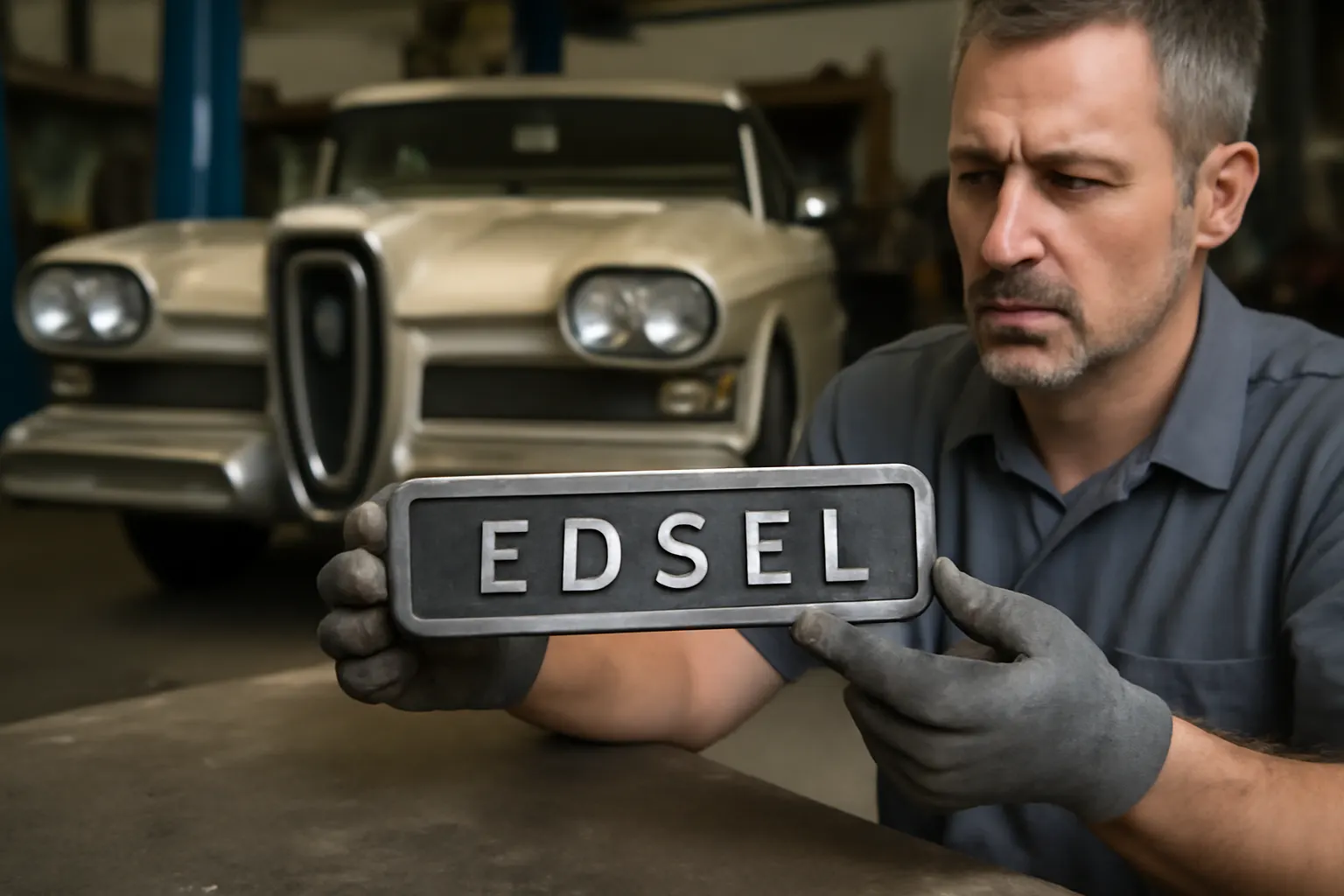
Edsel Restoration: Overcoming Authenticity Risks
Restoring an Edsel to its original glory is a rewarding pursuit, but authenticity risks lurk at every turn. For Edsel enthusiasts—whether you're aiming for show-quality restoration or reliable weekend cruising—the most immediate challenge is ensuring every part is period-correct and genuine. Counterfeit and incorrect-fit parts are rampant in the classic car market, threatening both your investment and the safety of your restoration.
Read More
Edsel Model Compatibility Guide
The Edsel Model Compatibility Guide from AutoPartEx is your definitive source for understanding which Edsel parts are interchangeable across models, how to verify technical fitment, and how to avoid costly mistakes during restoration or maintenance. Whether you own a 1958 Edsel Ranger, a 1959 Corsair, or a rare 1960 Villager, this guide delivers immediate, actionable answers to keep your classic Edsel authentic and roadworthy. For a direct lookup of compatible Edsel parts, visit our Edsel Parts Compatibility Database.
View Guide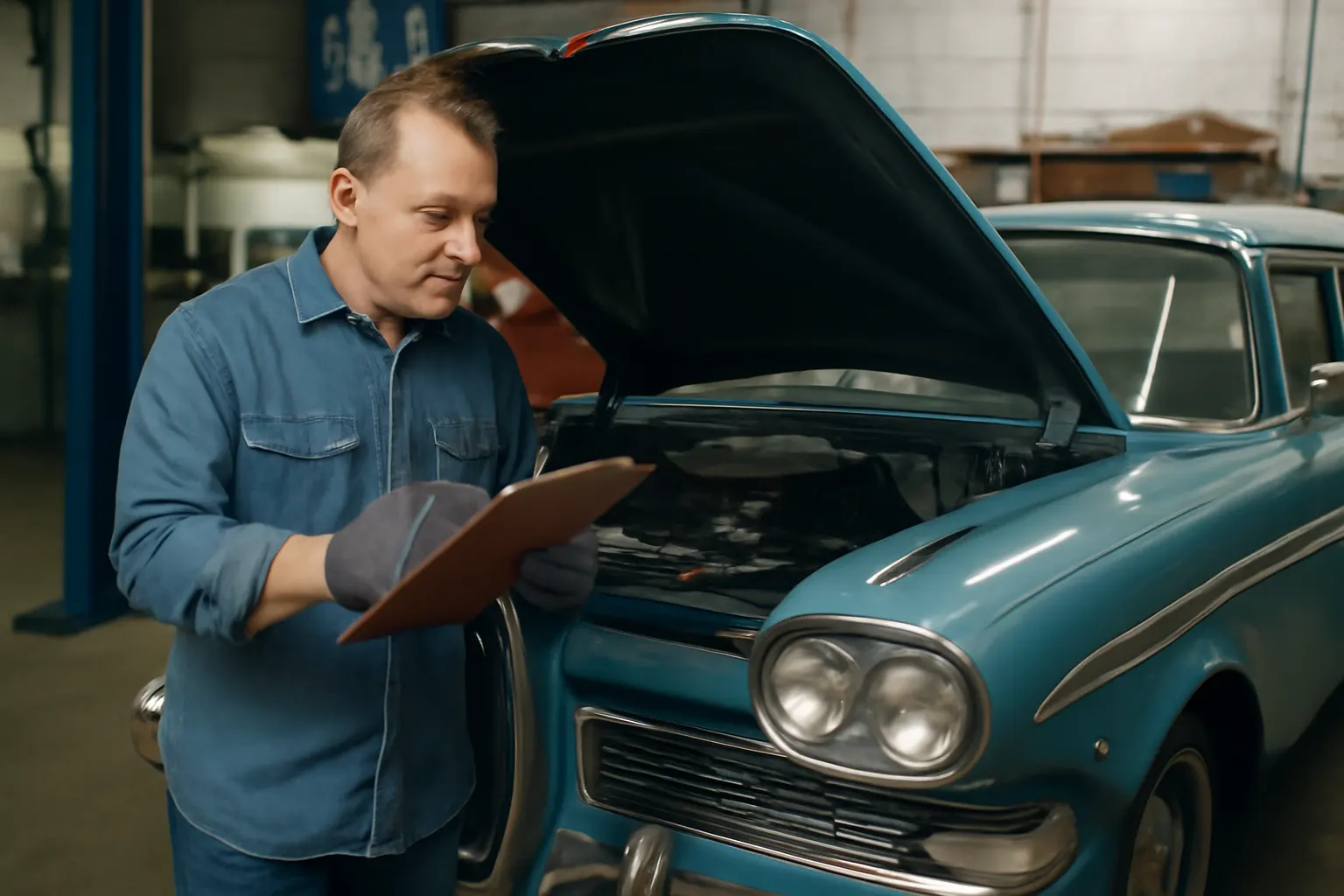
Preserving Edsel: Best Practices for Classic Car Care
The best practices for preserving your Edsel involve a disciplined maintenance schedule, regular safety and systems inspections, and authentic restoration methods that respect the car’s original design. Prioritize: Quarterly and annual mechanical inspections: Focus on brakes, suspension, cooling, and electrical systems. Authentic part sourcing: Use period-correct or NOS (new old stock) components when possible. Rust prevention and body care: Implement a strict cleaning, waxing, and undercarriage protection routine. Documentation and provenance: Maintain detailed service records to preserve value and authenticity.
Read More