Advertisement
Preserving Edsel: Best Practices for Classic Car Care
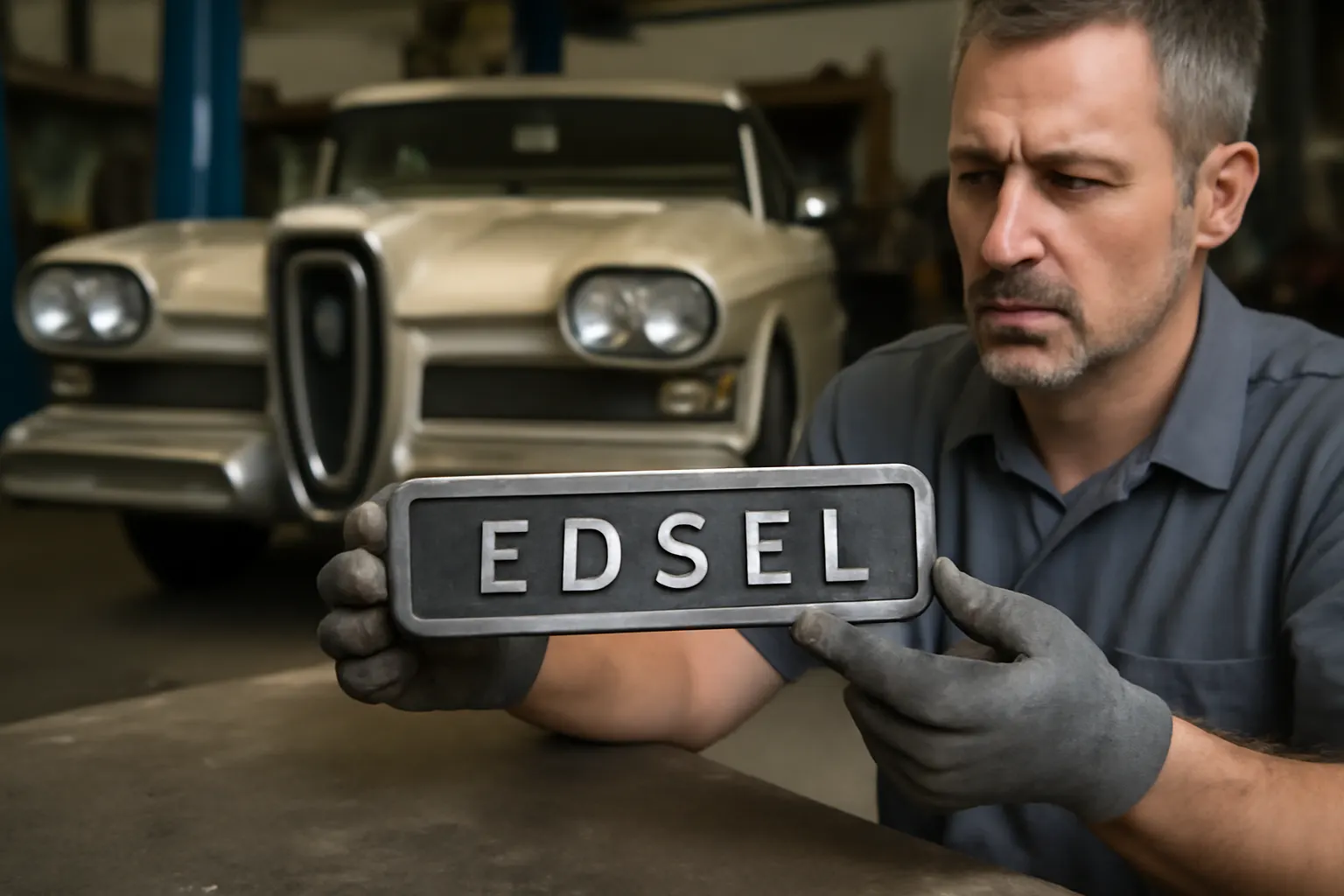
Preserving an Edsel is not just an act of maintenance—it’s a commitment to automotive heritage and a testament to the enduring appeal of classic American engineering. Owners of these iconic vehicles face unique challenges that require a blend of period-correct restoration, modern safety considerations, and a disciplined approach to ongoing care. This guide delivers a comprehensive, actionable roadmap for Edsel owners: detailed maintenance schedules, inspection routines, and restoration tips tailored to the unique demands of these classic cars. For more on Edsel fitment and authentic parts, see Edsel Auto Parts: Heritage, Fitment, and Authenticity | AutoPartEx.
Immediate Answer: How to Keep Your Edsel Roadworthy and Authentic
The best practices for preserving your Edsel involve a disciplined maintenance schedule, regular safety and systems inspections, and authentic restoration methods that respect the car’s original design. Prioritize:
- Quarterly and annual mechanical inspections: Focus on brakes, suspension, cooling, and electrical systems.
- Authentic part sourcing: Use period-correct or NOS (new old stock) components when possible.
- Rust prevention and body care: Implement a strict cleaning, waxing, and undercarriage protection routine.
- Documentation and provenance: Maintain detailed service records to preserve value and authenticity.
- Safety upgrades: Where appropriate, discreetly improve safety (e.g., tires, lighting) in line with NHTSA equipment standards.
Following these practices ensures your Edsel remains safe, reliable, and true to its original spirit.
Hidden Problem: The Challenges of Classic Edsel Preservation
What many Edsel owners don’t realize is that classic car preservation is not just about aesthetics; it’s about preventing silent decay, mechanical failures, and loss of authenticity. The risks are often hidden:
- Parts compatibility: Many replacement parts are no longer manufactured or have subtle differences that affect fitment and performance. Using incompatible components can compromise safety and originality.
- Material degradation: Rubber, plastics, and even metals deteriorate invisibly over decades, leading to leaks, electrical faults, or catastrophic failures.
- Documentation gaps: Without a clear maintenance history, it becomes difficult to track past repairs or verify authenticity, impacting both safety and value.
- Regulatory changes: Modern safety and environmental standards may necessitate upgrades or modifications, but these must be balanced with the need for authenticity.
Ignoring these issues can lead to costly repairs, diminished value, or even safety hazards.
The Deeper Problem: Technical and Historical Complexities
Preserving an Edsel is more complex than simply keeping it running. These vehicles were produced for a short period (1958–1960), with rapid engineering changes and unique design elements. This presents several technical challenges:
Parts Obsolescence and Fitment
Many Edsel components—especially trim, electronics, and drivetrain elements—are now rare or have been superseded by Ford or aftermarket alternatives. Even within the Edsel lineup, model-year and submodel variances affect compatibility. A part that fits a 1958 Ranger may not fit a 1959 Corsair. For fitment specifics, consult the Edsel Parts Compatibility Database.
Material Science and Age
According to the U.S. Department of Energy’s materials research, automotive materials age in complex ways. Steel bodies, for example, are prone to oxidation and fatigue, while period plastics and rubbers lose flexibility and chemical integrity. These changes are not always visible but can result in hidden leaks, electrical shorts, or structural weaknesses.
Safety and Modern Usage
Modern roads, speeds, and traffic conditions place new demands on classic cars. The NHTSA’s equipment standards highlight the gap between vintage safety features and current expectations—especially in braking, lighting, and occupant protection.
Establishing a Maintenance Schedule for Edsel Owners
A disciplined, time-based maintenance plan is essential for preserving both the function and value of your Edsel. Here’s a recommended schedule:
Weekly/Monthly
- Visual Inspection: Check for leaks under the car, tire pressure, and visible corrosion.
- Battery Maintenance: Clean terminals, check electrolyte levels, and maintain a trickle charge if stored.
- Fluid Levels: Inspect engine oil, transmission fluid, brake fluid, and coolant.
Quarterly
- Lubricate Chassis Points: Many Edsel models have grease fittings on suspension and steering components.
- Inspect Brake System: Check for fluid leaks, pad/shoe wear, and drum/disc condition.
- Check Lighting and Electrical: Test all bulbs, switches, and fuses for function and correct amperage.
Annually
- Full Mechanical Inspection: Assess engine compression, cooling system integrity, drivetrain wear, and exhaust condition.
- Body and Undercarriage: Remove wheels and inspect for rust, especially in frame rails, floor pans, and rocker panels.
- Safety Equipment: Ensure seatbelts (if present) are secure and functional; inspect fire extinguisher and first-aid kit.
Advertisement
Every 2-3 Years
- Rubber Replacement: Replace fuel lines, brake hoses, and weatherstripping to prevent leaks and water ingress.
- Cooling System Service: Flush and replace coolant; inspect radiator and hoses for internal corrosion.
- Fuel System: Clean or rebuild carburetor; inspect fuel tank for rust or sediment.
Inspection Routines: What to Check and When
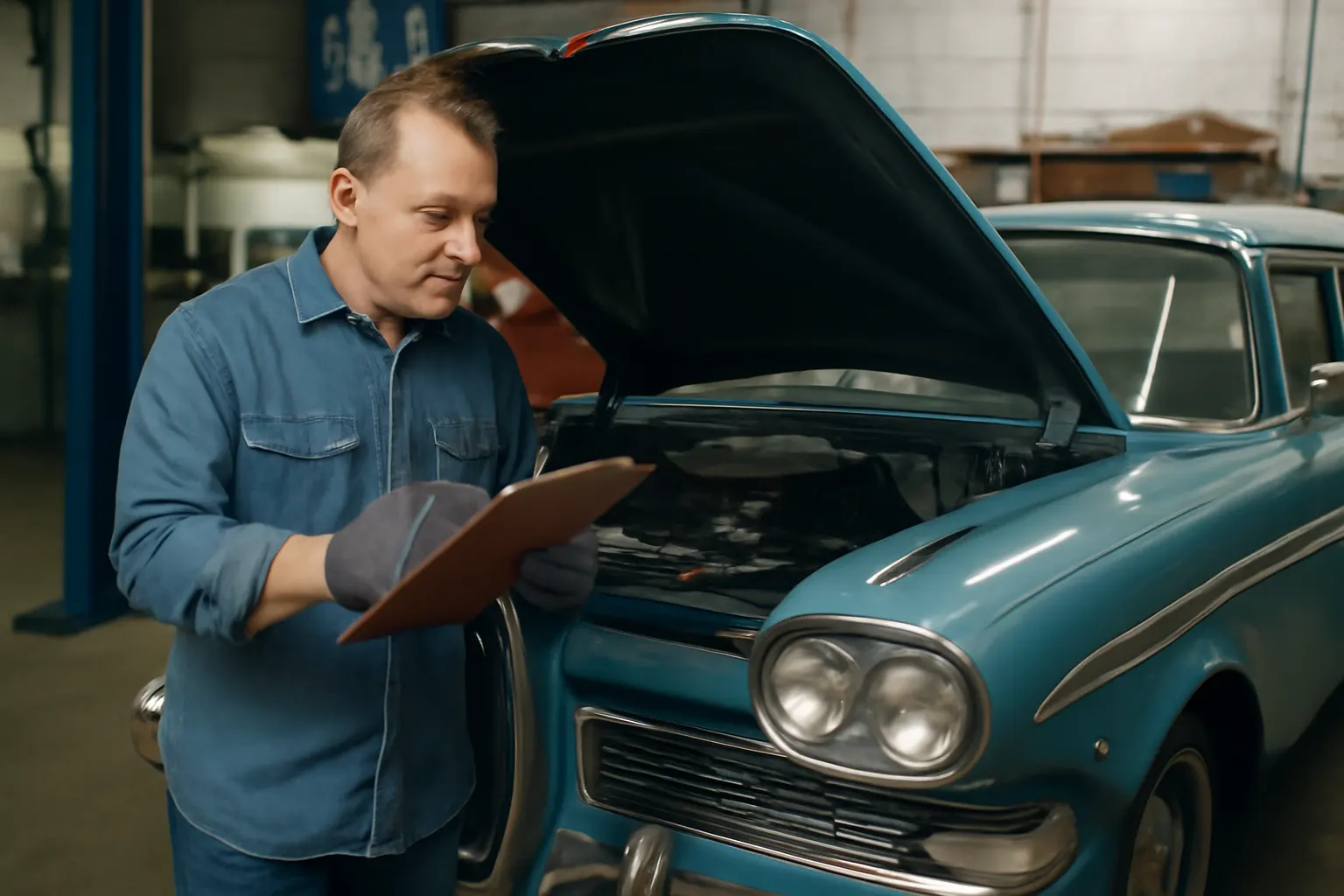
A thorough inspection routine is the backbone of Edsel preservation. Use this detailed checklist at each major service interval:
Edsel Preservation Inspection Checklist
| System | Item to Inspect | Frequency | Action/Notes |
|---|---|---|---|
| Engine | Oil leaks, gasket condition | Quarterly | Replace gaskets if weeping or leaking |
| Cooling | Radiator, hoses, thermostat | Annually | Look for swelling, cracks, or corrosion; flush every 2-3 yrs |
| Fuel | Lines, pump, carburetor | Annually | Replace rubber lines, clean carburetor |
| Brakes | Fluid, lines, shoes/pads | Quarterly | Replace fluid every 2 years, inspect for leaks |
| Suspension | Bushings, ball joints | Annually | Lubricate chassis points; replace worn bushings |
| Electrical | Battery, harness, lights | Quarterly | Clean terminals, check for fraying or corrosion |
| Body | Rust, paint, chrome | Annually | Touch up chips, wax regularly, treat rust immediately |
| Interior | Upholstery, dash, seals | Annually | Clean with appropriate products; replace cracked seals |
| Tires | Tread, age, pressure | Monthly | Replace if over 6 years old, check for dry rot |
Sourcing Authentic Edsel Parts: Strategies and Pitfalls
Finding the right parts is one of the greatest challenges in Edsel preservation. Here’s how to approach it:
Original vs. Aftermarket vs. NOS
- Original (OEM) Parts: Best for authenticity and value, but rare and often expensive. Always verify part numbers and provenance.
- NOS (New Old Stock): Unused vintage parts, ideal for critical systems or visible components. Inspect for age-related degradation despite being unused.
- Aftermarket: More widely available, but quality and fitment can vary. Use only reputable suppliers and cross-check compatibility with Edsel Model Compatibility Guide.
Sourcing Tips
- Leverage Classic Ford Networks: Because Edsel shares many components with period Ford models, classic Ford parts specialists can be invaluable. See Classic Ford Family: Sourcing Obsolete Parts.
- Document Everything: Keep all receipts, part numbers, and correspondence. This helps with future sourcing and maintains provenance.
- Beware of Reproductions: Some reproduction parts are visually accurate but made from inferior materials. Check reviews and, when possible, inspect before purchasing.
Restoration Techniques: Balancing Authenticity and Longevity
Restoring an Edsel involves more than making it look new. The goal is to balance period accuracy with durability and safety.
Paint and Bodywork
- Surface Preparation: Remove all rust before repainting; use modern rust converters and sealants beneath period-correct finishes.
- Paint Matching: Use original color codes when possible, but modern paint technology offers better UV resistance and durability.
- Chrome and Trim: Re-chrome original parts rather than replacing with reproductions, as the quality and appearance are often superior.
Interior Restoration
- Upholstery: Seek out reproduction fabrics that match original patterns, or have a specialist recreate them using period-correct materials.
- Dashboards and Switchgear: Clean with non-abrasive products; repair cracked plastics with specialty fillers or source NOS replacements.
- Weatherstripping: Replace all seals to prevent water ingress, which is a common cause of hidden rust.
Mechanical Systems
- Engine and Drivetrain: Rebuild using original specifications whenever possible, but consider modern internal upgrades (e.g., hardened valve seats) if you plan to drive regularly.
- Brakes and Suspension: Upgrading to modern materials (e.g., silicone brake fluid, improved bushings) can enhance safety without compromising appearance.
- Wiring Harness: Replace deteriorated harnesses with new ones built to original specs, using modern wire insulation for safety.
Preventing and Treating Rust: The Silent Killer
Rust is the single greatest threat to the longevity of any classic car, and Edsels are no exception. Prevention and early treatment are critical.
Prevention
- Regular Cleaning: Wash the undercarriage and wheel wells after exposure to rain or road salt.
- Waxing and Sealing: Apply high-quality wax every six months; use cavity wax in doors and rocker panels.
- Climate Control: Store in a dry, ventilated garage. Use dehumidifiers if necessary.
Treatment
- Surface Rust: Sand and treat with rust converter, then prime and repaint.
- Structural Rust: For frame or floor pan corrosion, cut out and weld in new metal. Do not rely on fillers for structural repairs.
- Hidden Rust: Use a borescope to inspect inside frame rails and rocker panels.
Fuel System Care: Maximizing Efficiency and Reliability
Classic Edsel fuel systems require special attention, especially with modern ethanol-blended fuels.
Modern Fuel and Its Effects
According to the U.S. Department of Energy, ethanol can degrade older rubber components and attract moisture, leading to corrosion.
Advertisement
Best Practices
- Use Ethanol-Free Fuel: Where available, use non-ethanol gasoline to reduce risk of degradation.
- Add Stabilizer: If the car is stored for long periods, add a fuel stabilizer to prevent varnish and gum formation.
- Replace Rubber Lines: Upgrade to ethanol-resistant hoses during restoration or maintenance.
- Inspect and Clean Carburetor: Regularly check for sediment; rebuild as necessary to maintain fuel efficiency and smooth operation.
Electrical System Modernization: Safety and Reliability
Edsel’s original wiring is now over 60 years old. Electrical faults are a major source of breakdowns and even fires in classic cars.
Inspection and Replacement
- Check for Brittle or Cracked Insulation: Replace any damaged wires immediately.
- Upgrade Fuses and Relays: Consider adding modern blade fuses in hidden locations for improved safety.
- Ground Connections: Clean all grounds and ensure solid contact to prevent intermittent faults.
Lighting Upgrades
- Halogen or LED Bulbs: Where allowed and appropriate, upgrade to brighter bulbs for safety—ensuring the original appearance is maintained.
- Switches and Connectors: Clean or replace to ensure reliable operation.
Brakes, Suspension, and Tires: Modern Safety for Classic Driving
Driving an Edsel in modern traffic demands attention to brakes, suspension, and tires.
Brakes
- Inspect Regularly: Check for leaks, worn linings, and corroded lines.
- Upgrade Fluid: Consider DOT 5 silicone fluid for better moisture resistance if the system is fully rebuilt.
- Power Assist: If not equipped, consider a period-correct power brake booster for improved stopping.
Suspension
- Bushing Replacement: Rubber bushings degrade; replace with new rubber or polyurethane where appropriate.
- Alignment: Have a specialist align the suspension using Edsel specs to prevent tire wear and wandering.
Tires
- Age Matters: Even if tread looks good, replace tires older than six years.
- Correct Size and Load Rating: Use period-correct sizes with modern construction for safety and handling.
Documentation: Protecting Value and Provenance
Maintaining thorough records safeguards both the value and authenticity of your Edsel.
Advertisement
What to Document
- Service Records: Keep detailed logs of all maintenance, repairs, and part replacements.
- Restoration Photos: Photograph each stage of restoration, especially hidden repairs (e.g., rust remediation).
- Parts Provenance: Record part numbers, sources, and authenticity documentation for rare or NOS components.
Why It Matters
- Resale Value: Comprehensive records increase buyer confidence and vehicle value.
- Insurance: Documentation can support agreed-value insurance policies and claims.
- Authenticity: Helps resolve disputes over originality in shows or concours events.
Navigating Safety Standards: Blending Old and New
While authenticity is crucial, safety must never be compromised. The NHTSA provides guidelines for minimum safety equipment, which can be discreetly integrated into classic cars.
Discreet Upgrades
- Seatbelts: Install period-style lap belts if not originally equipped.
- Fire Extinguishers: Mount a small, quick-release extinguisher within reach of the driver.
- Lighting: Upgrade bulbs and add relays for brighter, more reliable headlights.
Inspection and Compliance
- Regular Safety Checks: Even if not required by law, perform annual safety inspections to ensure brakes, steering, and lighting meet modern standards.
- Recalls: Check the NHTSA recall database for any open manufacturer recalls—even for classic vehicles.
Expert Restoration and Fitment Consultation
Some restoration and maintenance tasks are best handled by specialists—especially when authenticity or safety is at stake.
When to Consult an Expert
- Major Structural Repairs: Rust remediation, welding, and frame alignment require professional equipment and expertise.
- Engine and Transmission Rebuilds: Precision work ensures longevity and performance.
- Authenticity Verification: For high-value or concours Edsels, an expert can verify numbers-matching components and period-correct finishes.
Fitment Resources
For model-specific fitment questions, use the Edsel Parts Compatibility Database or consult with Edsel specialists. Cross-reference with the Edsel Restoration: Overcoming Authenticity Risks editorial for guidance on avoiding common pitfalls.
The AutoPartEx Advantage: Your Partner in Edsel Preservation
AutoPartEx stands as a resource-driven partner for Edsel owners, offering:
- Curated Parts Listings: Access to both authentic and high-quality reproduction components.
- Compatibility Tools: Detailed databases for cross-model fitment and sourcing guidance.
- Technical Editorials: In-depth guides on restoration, authenticity, and parts sourcing.
- Community Support: Connect with other Edsel enthusiasts and restoration professionals.
For a comprehensive overview of Edsel-specific parts, restoration resources, and fitment data, visit the Edsel Auto Parts: Heritage, Fitment, and Authenticity | AutoPartEx category page.
Next Steps: Building Your Edsel Preservation Plan
- Establish a maintenance schedule: Use the checklists above as your baseline.
- Audit your documentation: Gather and organize all records, receipts, and restoration photos.
- Inspect for hidden issues: Especially rust, wiring, and fuel system degradation.
- Source authentic parts: Leverage the AutoPartEx database and classic Ford networks.
- Consult experts when needed: Especially for structural, engine, or authenticity-critical work.
By following these best practices, you ensure your Edsel remains a roadworthy testament to American automotive history—safe, reliable, and authentic for generations to come.
References
- Vehicle Safety and Equipment – National Highway Traffic Safety Administration
- Fuel Efficiency – United States Department of Energy
- Materials Technologies – United States Department of Energy
Advertisement