
Chevy Wiring Harness (Misc)
Chevy Wiring Harness (Misc): What Buyers Should Know
Wiring harnesses play a crucial role in your Chevy’s electrical system, yet their importance is often overlooked until a problem arises. Whether you’re restoring a classic or troubleshooting a modern vehicle, understanding what to look for in a miscellaneous wiring harness can save time and prevent headaches. This guide walks through essential considerations, practical steps, and evidence-backed advice to help you make an informed purchase for your Chevy.
Advertisement
Showing 8 of 12 Chevy wiring harness (misc) parts


Advertisement
More Chevy Wiring Harness (Misc) options
Filtering for Chevy • Wiring Harness (Misc)Scan nearby Chevy wiring harness (misc) inventory without leaving this page.
No Data Available
Please check back soon when more inventory is available for this part.
Advertisement
Why Wiring Harness Selection Deserves More Attention
When thinking about vehicle reliability, most owners focus on major components like the engine or transmission, rarely considering the wiring harness that connects everything together. Yet, a faulty or mismatched wiring harness can create elusive electrical problems that are difficult to trace and expensive to fix. Many Chevy owners only discover the critical role of these harnesses after experiencing flickering lights, malfunctioning gauges, or intermittent power loss. The wiring harness is the nervous system of your vehicle, silently ensuring that every electrical component communicates effectively.
One overlooked aspect is the diversity of harness types and configurations even within the same Chevy model year. Small differences in trim, optional equipment, or mid-year production changes can result in harnesses that look similar but are not interchangeable. This complexity means that a one-size-fits-all approach rarely works, and assuming compatibility based on appearance or a generic label may lead to frustrating installation issues. Taking the time to verify specifics up front can prevent costly returns and repeated repairs.
Another consideration is the source of the harness. Salvage, remanufactured, and new harnesses each have their own advantages and risks. Salvage harnesses may offer cost savings but could carry hidden wear or prior modifications, while new harnesses might not be readily available for older or less common Chevy models. Understanding these distinctions and what to ask before purchasing can make all the difference in getting a harness that truly fits your needs and vehicle configuration.

Understanding the Risks of Mismatched or Faulty Wiring Harnesses
Electrical issues stemming from wiring harness problems can manifest in unpredictable ways. Symptoms might include non-functioning accessories, warning lights, or even no-start conditions. Because these issues often mimic other component failures, they can lead to misdiagnosis and unnecessary part replacements. A harness with damaged connectors or incorrect pinouts can cause shorts or open circuits, potentially compromising safety systems or leaving critical features inoperable. The wiring harness is not just a passive conduit; it is integral to the safe and reliable operation of your Chevy.
The challenge is compounded by the sheer variety of harnesses used across Chevy’s lineup. Even within a single model year, there may be several harness variants depending on engine type, transmission, emissions equipment, and optional features. For example, a harness intended for a base model may lack provisions for power accessories found in higher trims. Without careful attention to part numbers and connector configurations, it’s easy to select a harness that physically fits but doesn’t function as required.
Another risk is the presence of prior repairs or modifications in used or salvage harnesses. Previous owners or shops may have spliced wires, bypassed circuits, or made other changes that are not immediately visible. These alterations can introduce intermittent faults or create compatibility problems with replacement modules or sensors. When buying a used harness, it is essential to inspect for signs of tampering and to ask the seller about the harness’s history and source.
Recalls and safety campaigns are also a concern. While not every Chevy wiring harness is subject to recall, it’s important to verify whether the specific harness or vehicle application has any outstanding safety issues. The National Highway Traffic Safety Administration (NHTSA) provides a VIN-based lookup tool to check for open recalls, but this does not guarantee that every harness is free from known defects. Some recalls are limited to certain production runs or configurations, so a harness from a recalled vehicle might not be suitable for reuse.
The complexity of modern vehicle electronics means that even minor wiring discrepancies can have outsized effects. Incorrect resistance values, missing grounds, or misrouted wires can trigger diagnostic trouble codes or cause modules to operate erratically. This is particularly true for late-model Chevys with advanced features such as infotainment systems, advanced driver assistance, or electronic climate control. In these cases, the wrong harness can render entire subsystems inoperative or lead to repeated diagnostic cycles.
Finally, installation challenges can arise from differences in harness routing, mounting points, or connector styles. A harness that fits physically may still require time-consuming adaptation if it lacks the correct clips, grommets, or length to reach all intended components. Professional installers often charge extra for modifications or troubleshooting, so ensuring compatibility up front is not just a technical concern but also a financial one.
Practical Steps for Selecting and Verifying a Chevy Wiring Harness (Misc)
Begin by identifying your vehicle’s exact year, model, trim level, and any factory-installed options. The VIN is the most reliable way to capture all relevant details, as it encodes information about production date, engine, transmission, and equipment. Use this information to cross-reference part numbers and ensure that the harness you are considering matches your vehicle’s configuration. Don’t rely solely on visual inspection or general descriptions; subtle differences can have major functional implications.
Next, determine the source and condition of the harness. According to the Federal Trade Commission (FTC), consumers should ask whether a part is new, remanufactured, or salvage, and understand the implications of each. Salvage harnesses, for example, come from another vehicle without alteration and may have unseen wear or prior repairs. Request a written description of the harness’s condition, including any known defects or modifications, and ask for clear photographs of all connectors and wiring branches before purchasing.
If possible, obtain a written repair estimate or parts quote that specifies the harness part number, compatibility, and any anticipated installation challenges. The FTC recommends getting a completed repair order listing the work performed, parts used, and costs incurred. For complex or expensive repairs, consider seeking a second opinion from a shop experienced with your specific Chevy model. This can help confirm that the harness is the correct match and that no additional components are needed for a successful installation.
Check for recalls or technical service bulletins related to the wiring harness or associated systems. The NHTSA provides a free VIN lookup tool that reveals whether your specific vehicle has any open recalls. While this does not guarantee that a particular harness is defect-free, it is a critical step in identifying known safety issues. If a recall is present, follow the manufacturer’s instructions for obtaining a replacement or repair at no cost. Keep in mind that not all harness-related issues are subject to recall, so thorough inspection remains essential.
When inspecting a harness in person or via photographs, look for signs of wear, corrosion, or previous repairs. Pay close attention to connector pins, insulation, and mounting clips. Even minor damage can lead to intermittent faults or poor electrical contact. If the harness is used or salvaged, ask about the donor vehicle’s mileage and history, as high-mileage harnesses are more likely to have brittle insulation or fatigued wires. Avoid harnesses with obvious splices, missing connectors, or mismatched wire colors unless you are prepared to undertake repairs yourself.
Compare the harness’s layout and connector types with your vehicle’s existing wiring. Use the owner’s manual, factory service manual, or reputable online resources to verify that each branch and connector matches your application. Be wary of harnesses advertised as “universal” or “fits all” unless they are specifically designed for your Chevy model and year. Even small discrepancies in connector shape or pin count can prevent proper installation or operation.
Ask about return policies and warranty coverage before purchasing. The FTC notes that there is no standard warranty on repairs or parts, so it is important to understand what, if any, coverage is offered by the seller. Get all terms in writing, including any restocking fees or conditions for return. This is especially important for electrical components, as many sellers do not accept returns once a part has been installed or modified. Clarify these details before committing to a purchase to avoid surprises later.
Finally, document the installation process and retain all receipts, photos, and correspondence with the seller. This information can be invaluable if issues arise later, whether for troubleshooting, warranty claims, or resale. Keeping detailed records also helps maintain your vehicle’s service history and can support future diagnostic efforts if electrical problems recur. A methodical approach to harness selection and installation pays dividends in long-term reliability and peace of mind.
What the Evidence Shows About Chevy Wiring Harness Selection and Service
The National Highway Traffic Safety Administration (NHTSA) provides a comprehensive recall lookup tool that allows consumers to check for open recalls related to their specific vehicle using the VIN. This tool is essential for identifying whether a Chevy’s wiring harness—or any component—has been subject to a safety recall. The NHTSA emphasizes that not all recalls are visible by model or part alone; only the VIN-based search confirms if a particular vehicle is affected. However, the presence of a recall does not mean every harness is defective, nor does the absence of a recall guarantee that a used or salvage harness is free from issues. Buyers should use the NHTSA resource as a screening tool, not as definitive proof of harness quality or compatibility. NHTSA: Vehicle Recalls
The NHTSA’s recall process highlights the importance of reporting and tracking defects. When multiple complaints about a component—such as a wiring harness—are reported, the agency may initiate an investigation that could lead to a recall. This process underscores the potential risks of using harnesses from vehicles with known issues, as these may be part of a larger pattern of defects. However, the NHTSA documentation does not provide technical specifications or compatibility details for individual harnesses, so buyers must still verify part numbers and configurations independently. NHTSA: Vehicle Recalls
The Federal Trade Commission (FTC) offers guidance on auto repair and parts selection, advising consumers to ask whether parts are new, remanufactured, or salvage. The FTC distinguishes salvage parts as those removed from another vehicle without alteration, which may have unknown wear or previous repairs. This advice is particularly relevant for Chevy wiring harness buyers, as salvage harnesses are common in the used parts market. The FTC does not guarantee the quality or fitment of any particular part, but their recommendations reinforce the need for careful inspection and clear communication with sellers. FTC: Auto Repair Basics
The FTC also recommends obtaining a written repair estimate and a completed repair order that lists all parts used, work performed, and costs incurred. This documentation is crucial for resolving disputes and supporting warranty claims. While this guidance is general and not specific to Chevy wiring harnesses, it applies directly to the process of selecting and installing electrical components. Buyers should request detailed records from sellers and installers to ensure transparency and accountability throughout the transaction. FTC: Auto Repair Basics
Neither the NHTSA nor the FTC provides technical specifications or compatibility charts for Chevy wiring harnesses. This means buyers cannot rely on these authorities to confirm that a particular harness will fit or function in their vehicle. Instead, the evidence supports a process-oriented approach: use the VIN to check for recalls, request detailed part information from sellers, and compare harness features with factory documentation. This method reduces the risk of purchasing an incompatible or defective harness, even in the absence of direct technical evidence from government sources.
The NHTSA’s recall database includes information on the scope and limitations of recall coverage. For example, recalls may be limited to certain production years, configurations, or geographic regions. A harness from a recalled vehicle may not be suitable for reuse, even if it appears undamaged. Conversely, a harness from a non-recalled vehicle is not automatically superior, as wear and prior repairs can still affect performance. The evidence shows that recall status is just one factor among many in assessing harness suitability. NHTSA: Vehicle Recalls
Finally, the FTC’s distinction between new, remanufactured, and salvage parts is critical for buyers seeking long-term reliability. New harnesses are generally preferred for critical systems, but may not be available for all Chevy models or years. Remanufactured harnesses offer a middle ground, having been rebuilt and tested, while salvage harnesses are the most variable in quality. The FTC’s advice to ask about part condition, history, and warranty terms is especially pertinent when considering miscellaneous wiring harnesses, where provenance and prior use can dramatically affect outcome. FTC: Auto Repair Basics
Take the Next Step Toward a Reliable Chevy Electrical System
Choosing the right wiring harness for your Chevy is a detail-oriented process that pays off in reliability and safety. Use your VIN to verify compatibility, inspect parts carefully, and request detailed documentation from sellers. Leverage resources like the NHTSA recall lookup and FTC consumer advice to inform your purchase. For more information or to browse available options, visit the Chevy Wiring Harness (Misc) page or consult a qualified technician before making your final decision.
References
- NHTSA: Vehicle Recalls
- FTC: Auto Repair Basics
References
- NHTSA: Vehicle Recalls - NHTSA, accessed 2026-11-01
- FTC: Auto Repair Basics - FTC, accessed 2026-11-01
Related Guides & Articles

How to Spot Counterfeit Chevy Parts
Counterfeit Chevy parts can jeopardize your vehicle's safety, reliability, and performance. Whether you're shopping for a replacement alternator, brake pads, or sensors, identifying fakes before you buy is crucial. This guide delivers immediate visual clues, packaging tips, and real-world examples to help you confidently distinguish genuine from counterfeit Chevy components—protecting both your investment and your safety.
Read More
Chevy Service Intervals Explained
Build a Chevrolet maintenance plan from the correct owner’s manual, service history and dashboard messages. Learn how oil-life reminders differ from oil-pressure warnings, how mileage and elapsed time affect a service decision, and why gasoline and electric vehicles need different schedules. Use the checklist to discuss a clear, itemized plan with your repairer.
View Guide
Common Causes of Intermittent Electrical Problems
Intermittent electrical problems in vehicles are among the most frustrating issues for both drivers and technicians. These elusive faults can cause random warning lights, sudden stalling, flickering headlights, or malfunctioning accessories, turning a dependable ride into an unpredictable source of stress. The root cause is often traced back to the vehicle’s wiring harness—the intricate network of wires and connectors that serve as the nervous system for modern automotive electronics.
Read More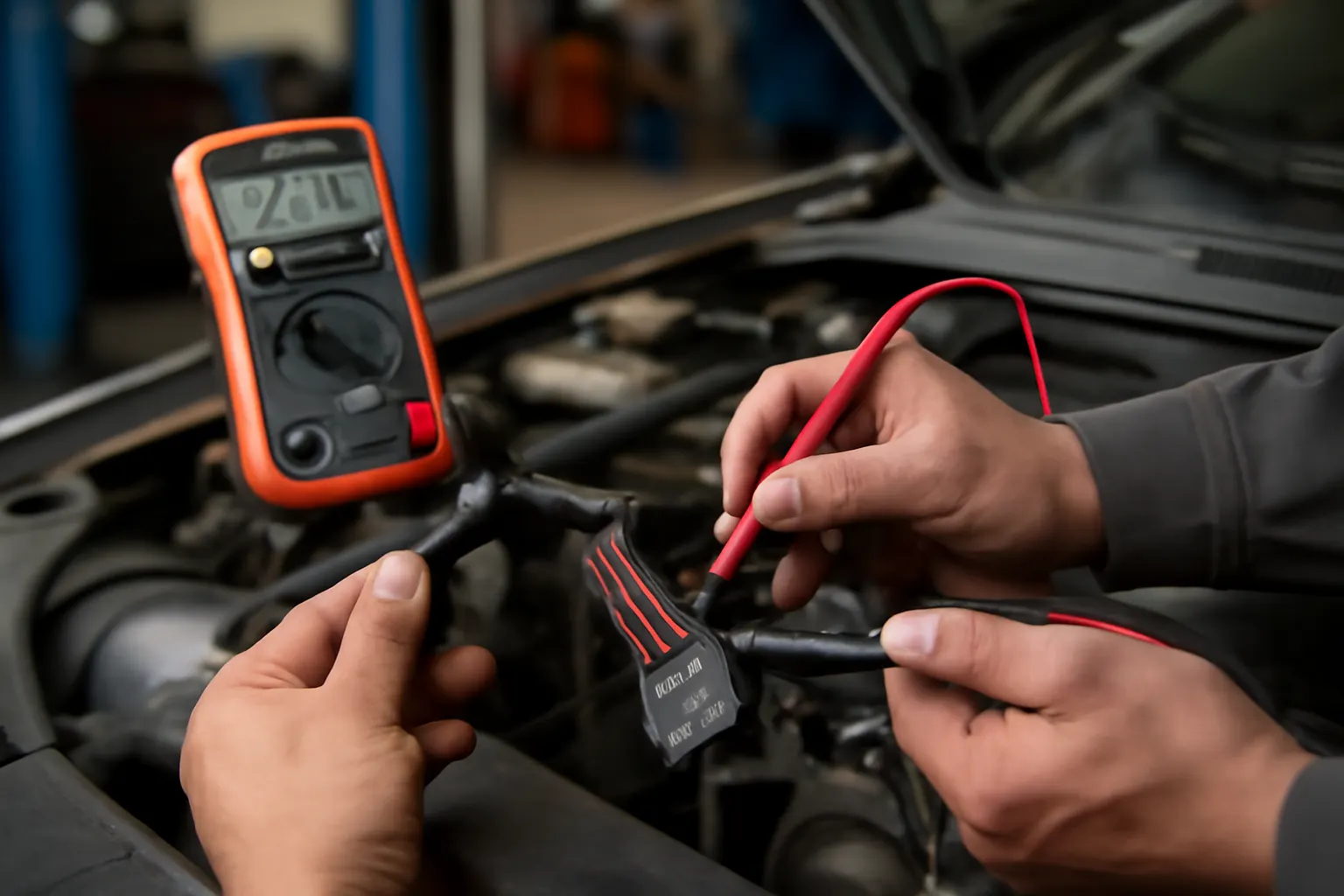
Electrical Gremlins: Decoding Intermittent Harness Problems
Intermittent electrical problems—often called “electrical gremlins”—are among the most frustrating challenges for vehicle owners, technicians, and DIYers alike. These elusive faults can cause random warning lights, flickering displays, stalling, or non-functional accessories, only to disappear before you can track them down. The root cause is frequently traced back to wiring harness issues, making precise diagnostics and targeted repairs essential.
Read More