
Chevy Valance, Front
What to Know About Chevy Front Valance Replacement
Many Chevy owners overlook the crucial role of the front valance in both aesthetics and protection. Before assuming it’s just a cosmetic trim, consider how this component shields vital underbody parts from road debris and weather. If you’re thinking about replacing a Chevy front valance, understanding the real issues, diagnostic steps, and evidence-based recommendations can save time and money. This guide walks you through what matters most before making your next move.
Advertisement

More Chevy Valance, Front options
Filtering for Chevy • Valance, FrontScan nearby Chevy valance, front inventory without leaving this page.
No Data Available
Please check back soon when more inventory is available for this part.
Advertisement
Why the Chevy Front Valance Deserves a Closer Look
When scanning the front end of your Chevy, the valance might not immediately stand out. Often mistaken for a decorative piece, this component actually serves a dual purpose: enhancing the vehicle’s appearance and acting as a protective barrier for lower front-end parts. Many drivers don’t realize that the valance helps deflect road debris, water, and even minor impacts away from more sensitive areas such as the radiator and suspension. Ignoring its condition could lead to more costly repairs down the road.
It’s easy to underestimate the importance of the front valance until you experience a scrape, crack, or missing section. Unlike more visible body panels, damage to this area might not be obvious at first glance. Over time, a compromised valance can allow dirt, moisture, and stones to reach components that were never designed to take direct hits. This can accelerate wear and corrosion, especially in climates with heavy rain or salted winter roads.
Many Chevy owners focus on engine performance or major bodywork but overlook the subtle signs that a front valance needs attention. Whether you drive in urban environments with frequent curb contact or on rural roads where gravel is common, the valance is on the front line. Recognizing when it’s time for inspection or replacement is the first step toward preventing more serious—and expensive—damage to your vehicle’s undercarriage.

Common Issues With Chevy Front Valances
Front valances on Chevy vehicles are exposed to a unique set of hazards due to their location. Positioned low and forward, they are vulnerable to scrapes from curbs, speed bumps, and parking barriers. Even minor collisions can crack or dislodge the valance, leaving the underlying structure exposed. In some cases, the mounting points themselves become damaged, making it difficult to reattach or properly align a new piece.
Weather is another significant factor. In regions where roads are salted during winter, the valance can trap corrosive materials against the metal frame, accelerating rust. Water and mud kicked up from the tires can accumulate behind a damaged valance, creating pockets of moisture that linger far longer than intended. Over time, this can lead to corrosion of critical components like the radiator support or lower crossmember.
Aesthetic concerns also play a role. A cracked or missing valance detracts from the vehicle’s appearance, potentially lowering its resale value. For enthusiasts and everyday drivers alike, maintaining a clean, intact front end is about more than vanity—it’s about preserving the vehicle’s long-term value and function. Even if the damage seems minor, it can signal underlying issues that warrant a closer look.
In some cases, a poorly fitted or aftermarket valance can create new problems. Gaps or misalignments may allow air and debris to bypass the intended deflection path, compromising both aerodynamics and protection. For newer Chevy models, the valance may also house sensors or air ducts that are critical for vehicle operation. A replacement that doesn’t match original specifications could interfere with these systems, leading to warning lights or reduced performance.
Owners sometimes delay repairs, assuming the valance is purely cosmetic. However, evidence from consumer repair guides emphasizes the importance of timely attention to body panels and trim. Neglecting this area can result in more extensive repairs later, such as radiator or condenser replacement. The cost and complexity of these repairs far exceed that of a simple valance swap, making early intervention a wise choice.
Finally, it’s important to recognize that not all damage is immediately visible. Hairline cracks, hidden rust, or loosened fasteners may only become apparent during a detailed inspection. Routine checks—especially after minor impacts or harsh weather—can reveal issues before they escalate. By understanding the specific vulnerabilities of the Chevy front valance, owners can make informed decisions about repair or replacement.
How to Diagnose and Select a Chevy Front Valance
Diagnosing the need for a new front valance on your Chevy starts with a thorough visual inspection. Begin by examining the lower front edge of the vehicle, looking for cracks, missing sections, or loose mounting points. Pay close attention to areas where the valance meets the bumper and fenders, as these junctions often bear the brunt of impacts. If your vehicle has recently encountered a curb or debris, check for any signs of bending or misalignment.
Next, inspect behind the valance for trapped dirt, moisture, or corrosion. Use a flashlight to look for rust on the radiator support or lower frame rails. If you notice any unusual buildup or water stains, it may indicate that the valance is no longer providing adequate protection. For models equipped with integrated air ducts or sensors, ensure that all connections remain intact and free of obstruction. If you spot a disconnected wire or blocked vent, further investigation is warranted.
When selecting a replacement, consider whether you want an original equipment manufacturer (OEM) part or an aftermarket equivalent. OEM parts are designed to match the exact fit and finish of your Chevy, ensuring compatibility with mounting points and integrated features. Aftermarket options may offer cost savings but can vary in quality and fit. Always compare the design, material thickness, and mounting hardware before making a decision. If possible, consult with a technician who has experience working on your specific Chevy model.
For those considering salvage or used parts, the Federal Trade Commission (FTC) recommends understanding the source and condition of the part. Salvage valances come from other vehicles and may have unseen wear or minor defects. Ask for clear photographs and a detailed description before purchasing. Reputable sellers should provide information about the donor vehicle’s year, model, and mileage, helping you gauge the expected lifespan of the part.
Obtaining a written repair estimate is a crucial step, especially for more complex repairs involving sensor integration or custom paintwork. The FTC advises getting a breakdown of parts, labor, and any anticipated additional charges. If the estimate seems high or the repair is complicated, consider seeking a second opinion from another shop. This approach can help you avoid unnecessary expenses and ensure the work is performed to a high standard.
Once you’ve chosen a replacement, confirm that all necessary mounting hardware and clips are included. Missing fasteners can lead to rattling, poor alignment, or premature failure of the new valance. If you’re installing the part yourself, follow the manufacturer’s instructions closely, and double-check all connections. For professional installations, request a completed repair order listing the work performed, parts used, and odometer reading, as recommended by the FTC.
After installation, perform a final inspection to ensure the valance sits flush with adjacent panels and that all integrated features—such as air ducts or sensors—are functioning correctly. Take your vehicle for a short drive over varying road surfaces to listen for any unusual noises or vibrations. If you detect problems, address them promptly to avoid further damage. Keeping a record of the repair can also help with future resale or warranty claims.
Routine maintenance is key to maximizing the lifespan of your new front valance. Clean the area regularly to remove dirt and road salt, especially after winter driving. Inspect the valance during oil changes or tire rotations, looking for new damage or signs of wear. By staying proactive, you can ensure that this often-overlooked component continues to protect your Chevy for years to come. For more on available options, see our Chevy Valance, Front listings.
What the Research and Official Guidance Reveal
The National Highway Traffic Safety Administration (NHTSA) provides a framework for understanding how vehicle components—including body panels like the front valance—are monitored for safety issues. According to the NHTSA, recalls are initiated when a manufacturer or the agency determines a component creates an unreasonable safety risk or fails to meet minimum safety standards. While the NHTSA database allows consumers to search for recalls by VIN, it’s important to note that a general category search does not confirm that a specific Chevy front valance is defective or recalled NHTSA: Vehicle Recalls.
The NHTSA further explains that most recall decisions are made voluntarily by manufacturers before any agency involvement. Owners are notified by mail if their vehicle is subject to a recall, and remedies typically include repair, replacement, or refund. However, the NHTSA also clarifies that not all issues with body panels or trim result in recalls, especially if the concern is cosmetic or does not pose a clear safety risk. For Chevy owners, this means that front valance damage is unlikely to trigger a recall unless it directly affects vehicle safety NHTSA: Vehicle Recalls.
The FTC’s guidance on auto repair emphasizes the importance of documentation and transparency during the repair process. The agency advises consumers to obtain a written estimate outlining the condition to be repaired, the parts needed, and anticipated labor charges. This recommendation is particularly relevant when replacing a Chevy front valance, as costs can vary depending on the part’s source and complexity of installation. The FTC also notes that there is no standard warranty on repairs, so it’s essential to clarify coverage before proceeding FTC: Auto Repair Basics.
When considering salvage or used valances, the FTC distinguishes between new, remanufactured, and salvage parts. Salvage components are sourced from other vehicles and may not have undergone any reconditioning. The agency recommends asking about the part’s origin and condition, and obtaining clear photographs before purchase. This advice is especially pertinent for Chevy owners seeking cost-effective solutions, as the quality of used valances can vary widely FTC: Auto Repair Basics.
The NHTSA’s recall process also highlights the role of consumer complaints in identifying potential defects. If multiple owners report similar issues with a specific component, the agency may open an investigation. However, the NHTSA makes clear that cosmetic damage or minor fitment concerns typically do not meet the threshold for a safety-related defect. Chevy owners experiencing persistent problems with front valances should report them, but should not expect every issue to result in a formal recall NHTSA: Vehicle Recalls.
Neither the NHTSA nor the FTC provides technical specifications or fitment guarantees for individual parts. Instead, both agencies encourage consumers to verify compatibility through reputable sellers and to consult manufacturer documentation. For Chevy front valances, this means cross-referencing part numbers, model years, and trim levels before purchase. If in doubt, seeking advice from a technician familiar with Chevy vehicles can help avoid costly mistakes FTC: Auto Repair Basics.
In summary, the available evidence underscores the importance of proactive inspection, careful part selection, and thorough documentation when replacing a Chevy front valance. While official agencies offer valuable guidance on recalls and repair practices, they do not provide vehicle-specific technical details or endorse particular parts. Chevy owners should use these resources as a framework for making informed decisions, rather than as definitive proof of defect or fitment.
Take the Next Step for Your Chevy
If you’ve noticed damage or wear on your Chevy’s front valance, now is the time to act. Begin with a careful inspection and gather all relevant information about your vehicle’s model and year. Use trusted resources to compare part options and request detailed estimates from qualified shops. For a wide selection of replacement parts and further guidance, visit our Chevy Valance, Front catalog. Protect your investment by addressing issues early and ensuring your Chevy stays both stylish and protected.
References
- NHTSA: Vehicle Recalls
- FTC: Auto Repair Basics
References
- NHTSA: Vehicle Recalls - NHTSA, accessed 2026-11-01
- FTC: Auto Repair Basics - FTC, accessed 2026-11-01
Related Guides & Articles

How to Spot Counterfeit Chevy Parts
Counterfeit Chevy parts can jeopardize your vehicle's safety, reliability, and performance. Whether you're shopping for a replacement alternator, brake pads, or sensors, identifying fakes before you buy is crucial. This guide delivers immediate visual clues, packaging tips, and real-world examples to help you confidently distinguish genuine from counterfeit Chevy components—protecting both your investment and your safety.
Read More
Chevy Service Intervals Explained
Build a Chevrolet maintenance plan from the correct owner’s manual, service history and dashboard messages. Learn how oil-life reminders differ from oil-pressure warnings, how mileage and elapsed time affect a service decision, and why gasoline and electric vehicles need different schedules. Use the checklist to discuss a clear, itemized plan with your repairer.
View Guide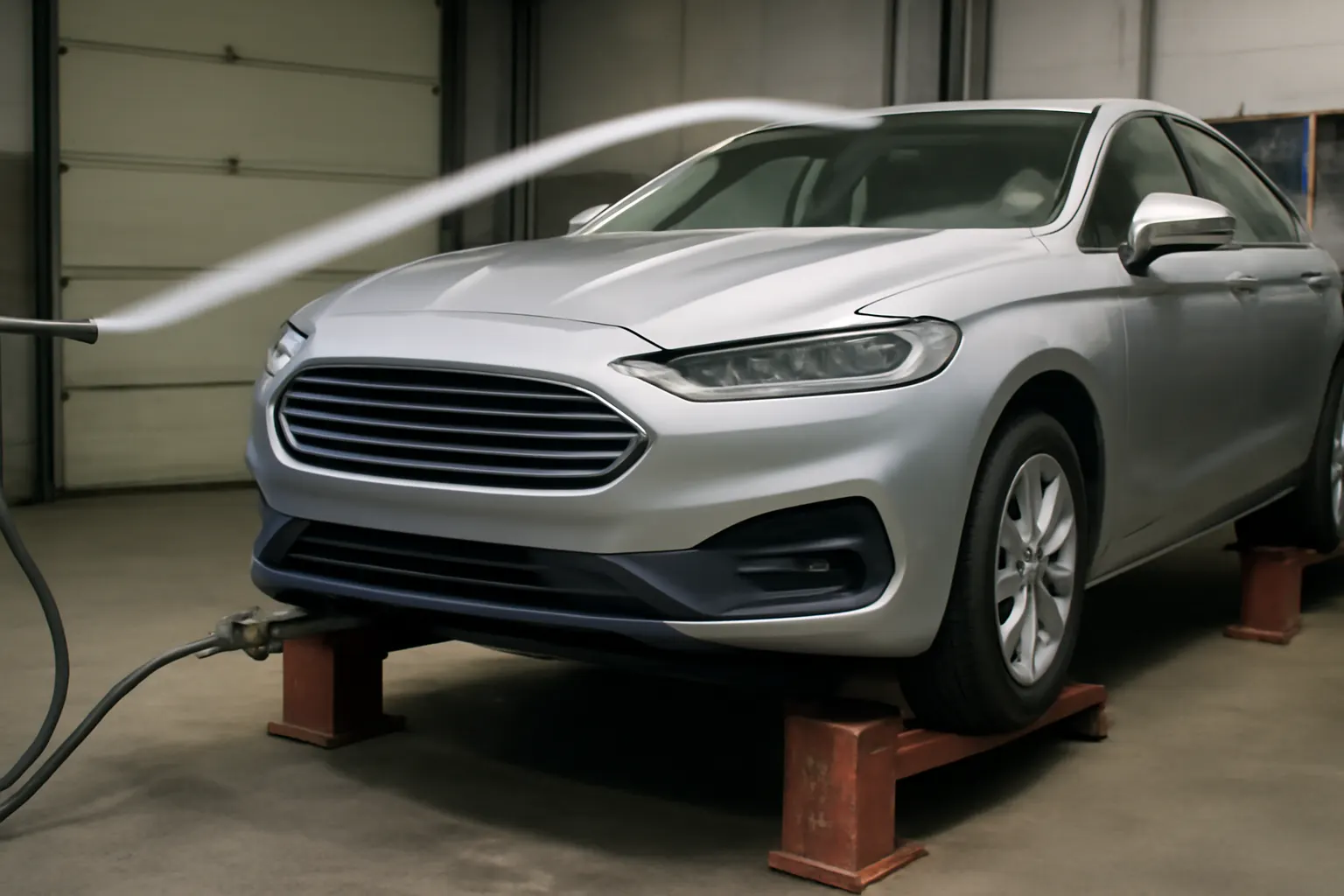
The Role of Aerodynamics in Modern Vehicle Design
Aerodynamics is at the heart of modern vehicle engineering. From the aggressive lines of a sports car to the subtle curves beneath an everyday sedan, aerodynamic design shapes how a vehicle performs, how much fuel it consumes, and even how safe it is on the road. One of the most critical—yet often overlooked—components in this equation is the front valance panel.
Read More
Front Valance Replacement: Real-World Shop Advice
When your vehicle’s front valance panel is damaged, prompt and precise replacement is critical—not just for looks, but for safety, aerodynamics, and fuel efficiency. This guide offers a professional mechanic’s perspective on diagnosing, removing, and replacing front valance panels, with a focus on practical shop techniques, real-world pitfalls, and expert tips.
Read More