
Advertisement
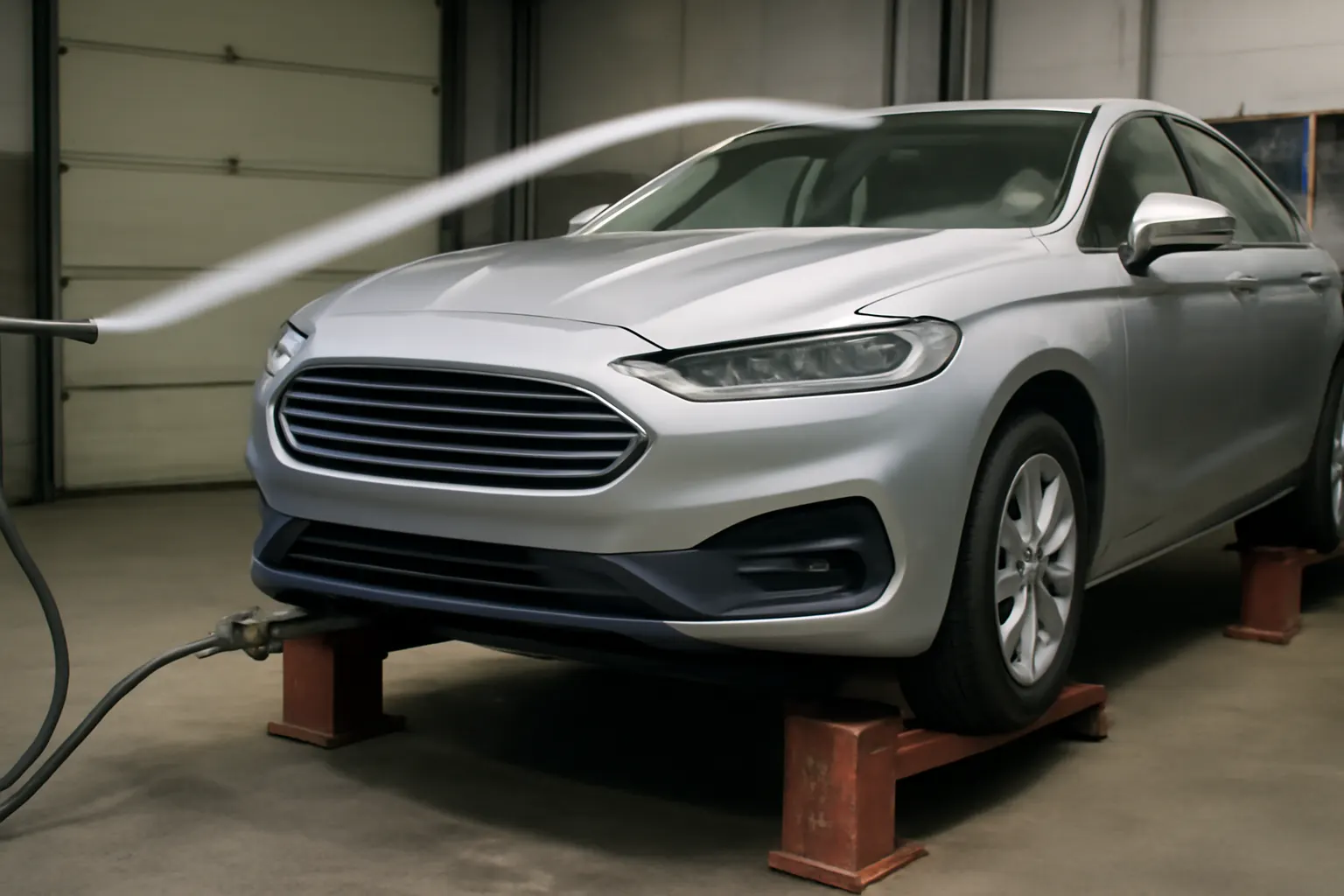
Aerodynamics is at the heart of modern vehicle engineering. From the aggressive lines of a sports car to the subtle curves beneath an everyday sedan, aerodynamic design shapes how a vehicle performs, how much fuel it consumes, and even how safe it is on the road. One of the most critical—yet often overlooked—components in this equation is the front valance panel. This article explores the pivotal role of aerodynamics in contemporary automotive design, with a special focus on how elements like the front valance contribute directly to fuel efficiency, cooling, and vehicle stability.
For those seeking to optimize or replace their front valance, understanding its aerodynamic function is essential. Dive deeper into our Front Valance Panels: Fitment, Replacement, and Engineering | AutoPartEx category for comprehensive part-specific resources.
The Immediate Impact: Why Aerodynamics Matters for Every Driver
Aerodynamics is not just a concern for race teams or supercar manufacturers. Every vehicle on the road, from compact hatchbacks to heavy-duty trucks, is affected by how air flows around and under its body. Modern engineering integrates aerodynamic principles to:
- Reduce drag, thereby improving fuel efficiency and decreasing emissions.
- Enhance stability at highway speeds, keeping vehicles safer and easier to control.
- Improve cooling for critical components like radiators and brakes.
- Lower wind noise for a more comfortable driving experience.
The front valance, located just below the front bumper, is a key player in managing airflow. Its design helps direct air away from high-drag areas under the car, channels cooling air where it's needed, and can even impact how much debris makes contact with underbody components.
The Hidden Problem: Overlooking Aerodynamics in Repairs and Upgrades
While most drivers focus on visible damage or cosmetic upgrades, many overlook the aerodynamic consequences of even small changes to exterior panels. Replacing a front valance with a poorly fitting aftermarket part, or driving without one after minor collision damage, can have tangible negative effects:
- Increased drag and reduced fuel economy due to disrupted airflow.
- Overheating risks if cooling ducts or underbody airflow are compromised.
- Unstable handling at higher speeds, especially in crosswinds or during emergency maneuvers.
- Non-compliance with OEM safety and performance standards set by organizations like SAE International.
These problems are often hidden until they manifest as higher fuel bills, increased engine temperatures, or subtle handling issues—making it crucial to understand the deeper technical role of aerodynamic components.
Aerodynamics 101: The Science Behind Vehicle Airflow
Modern vehicle design is a balance of art and science. Engineers use computational fluid dynamics (CFD), wind tunnel testing, and simulations to optimize every angle, curve, and vent. The front valance is engineered to:
- Minimize frontal area exposed to oncoming air.
- Direct airflow beneath and around the vehicle, reducing turbulence.
- Control lift (the tendency for air to push the vehicle upward at speed).
In practical terms, a well-designed front valance can reduce the coefficient of drag (Cd) by several percentage points—a measurable improvement in fuel efficiency and stability, as documented by the United States Department of Energy.
The Front Valance: Small Part, Big Impact
The front valance is more than just a cosmetic trim. Its position and shape are critical for:
- Managing underbody airflow: Preventing uncontrolled air from creating turbulence and drag.
- Feeding cooling air: Directing fresh air to the radiator, intercooler, or brake ducts.
- Protecting components: Acting as a shield against road debris, water, and contaminants.
Advertisement
When designed and installed correctly, the front valance works in harmony with other aerodynamic components—like rear valances, bumper covers, and side skirts—to create a smooth path for air around the entire vehicle.
Fuel Efficiency: The Direct Link to Your Wallet
One of the most immediate benefits of proper aerodynamic design is improved fuel efficiency. According to the United States Department of Energy, aerodynamic drag accounts for a significant portion of the energy required to propel a vehicle at highway speeds. Even small improvements in drag reduction can translate to real-world savings at the pump.
Key aerodynamic strategies for fuel efficiency:
- Smooth underbody panels: Including front valances, to reduce turbulence.
- Optimized air dams and spoilers: Directing airflow efficiently.
- Precision fitment: Ensuring no gaps or misalignments that can increase drag.
If your front valance is missing, damaged, or replaced with a non-OEM part, you could be paying more for fuel than necessary.
Cooling Systems: Aerodynamics as a Thermal Solution
Modern engines and braking systems generate significant heat, especially under load. The front valance often incorporates ducts, vents, or deflectors specifically engineered to channel air toward:
- Radiators and intercoolers for engine cooling.
- Brake ducts to prevent fade during intense use.
- Transmission and oil coolers in performance or heavy-duty applications.
If airflow patterns are disrupted by a poorly fitted or absent valance, cooling efficiency drops. This can lead to overheating, reduced performance, and even premature component failure.
Vehicle Stability and Safety: Beyond Straight-Line Performance
Aerodynamics is not just about speed—it's a cornerstone of vehicle safety. The front valance helps:
- Reduce front-end lift: Keeping the tires planted at speed for better traction.
- Balance downforce: Working with rear valances and spoilers for predictable handling.
- Mitigate crosswind effects: Channeling air smoothly around the body.
The National Highway Traffic Safety Administration emphasizes the importance of properly engineered exterior equipment in maintaining vehicle safety. A missing or ill-fitting front valance can subtly degrade high-speed stability, making the vehicle more susceptible to wind or sudden maneuvers.
Engineering Standards: Why OEM Fitment Matters
Original Equipment Manufacturer (OEM) front valances are designed to meet stringent standards set by regulatory and engineering bodies such as SAE International. These standards cover:
- Material strength and durability
- Precise aerodynamic modeling
- Crash safety and pedestrian impact requirements
- Corrosion resistance and longevity
Aftermarket or poorly fitting parts may not meet these standards, potentially compromising both performance and safety. Always reference OEM part numbers and ensure compatibility with your vehicle’s make and model.
Diagnosing Aerodynamic Problems: A Practical Checklist
If you suspect that your vehicle’s aerodynamic efficiency has been compromised—whether due to damage, poor installation, or aftermarket modifications—use this diagnostic checklist:
Aerodynamic Diagnostic Checklist:
- Visual Inspection:
- Is the front valance present and securely attached?
- Are there any visible gaps, cracks, or loose mounting points?
- Are air ducts or vents clear of debris and unobstructed?
- Fitment Verification:
- Does the valance align flush with adjacent panels (bumper, fenders)?
- Are all fasteners and clips OEM spec and correctly installed?
- Performance Symptoms:
- Noticing increased wind noise at speed?
- Experiencing reduced fuel economy or overheating?
- Sensing instability during highway driving or crosswinds?
- Part Number Confirmation:
- Is the part OEM, or a high-quality aftermarket replacement verified to meet SAE standards?
- Have you referenced the correct part number for your vehicle year, make, and model?
For more detailed inspection steps and troubleshooting, consult our How to Inspect Your Bumper and Valance System guide.
Sourcing and Installing an Aerodynamically Correct Front Valance
When replacing or upgrading a front valance, sourcing the correct part is critical. Follow these steps:
Advertisement
- Identify Your Vehicle’s Specifications:
- Year, make, model, trim level, and any OEM package options.
- Choose the Right Part:
- Prefer OEM parts for guaranteed fit and performance.
- For aftermarket options, ensure SAE certification and aerodynamic equivalence.
- Installation Best Practices:
- Follow manufacturer torque specs for fasteners.
- Align the valance flush with adjacent panels to prevent airflow disruption.
- Reconnect or clear any integrated ducts or sensors.
For a comprehensive walkthrough, see our Front Valance Fitment & Installation Guide.
Maintenance and Longevity: Keeping Aerodynamics Optimal
Maintaining your front valance is as important as proper installation. Here’s how to ensure your vehicle’s aerodynamics remain intact:
- Regularly inspect for damage from curbs, debris, or weather.
- Clean air ducts and vents to prevent blockages.
- Check fasteners and mounting points after impacts or repairs.
- Address cracks or misalignments promptly with OEM or high-quality replacement parts.
Routine checks, especially after minor collisions or driving on rough roads, can prevent small issues from becoming major aerodynamic or cooling problems.
The Broader Aerodynamic System: Integration with Other Panels
The front valance does not work in isolation. It’s part of a comprehensive aerodynamic system that includes:
- Rear valances: Managing airflow as it exits the underbody (rear valance category).
- Bumper covers: Shaping the vehicle’s leading and trailing edges (bumper covers category).
- Side skirts and undertrays: Further smoothing airflow and reducing lift.
A holistic approach to vehicle aerodynamics means ensuring all these components are present, properly fitted, and undamaged. Neglecting one can compromise the effectiveness of the entire system.
The Cost of Neglect: Real-World Consequences
Ignoring aerodynamic integrity can have both immediate and long-term costs:
- Fuel economy drops: Even a small increase in drag can reduce mileage by 2–5%.
- Engine and brake overheating: Poor airflow can cause temperature spikes, especially in demanding conditions.
- Safety risks: Reduced high-speed stability and unpredictable handling can increase accident risk.
- Premature wear: Turbulence and debris can damage underbody components, leading to expensive repairs.
Proactive maintenance and correct part selection are far less costly than the cumulative effect of neglected aerodynamics.
Regulations and Recalls: Staying Compliant and Safe
Automotive regulatory bodies such as the NHTSA regularly issue recalls and safety advisories related to exterior equipment. Poorly designed or defective front valances can trigger recalls if they:
- Fail to meet crash safety or pedestrian protection standards.
- Obstruct cooling or create hazardous aerodynamic effects.
- Use subpar materials prone to premature failure.
Always check for recalls on your vehicle and any replacement parts you purchase. Reference the NHTSA equipment standards and recalls database for up-to-date compliance information.
AutoPartEx: Your Partner in Aerodynamic Excellence
At AutoPartEx, we understand that every panel, duct, and fastener contributes to your vehicle’s overall performance and safety. Our curated selection of front valance panels and related aerodynamic components is engineered to meet or exceed OEM and SAE standards, ensuring you don’t have to compromise on fit, function, or efficiency.
Explore our Front Valance Panels: Fitment, Replacement, and Engineering | AutoPartEx category for trusted parts, fitment guides, and expert advice. Whether you’re a DIY enthusiast or a professional technician, our resources are designed to help you keep your vehicle at peak aerodynamic performance.
Take the Expert Approach: Next Steps for Vehicle Owners
- Inspect your vehicle’s front valance and related aerodynamic panels regularly.
- Choose only OEM or SAE-certified replacement parts to maintain design integrity.
- Follow best practices for installation and maintenance to preserve fuel efficiency, cooling, and stability.
- Stay informed about regulatory standards and recalls affecting your vehicle.
For real-world shop insights and further technical tips, see our Front Valance Replacement: Real-World Shop Advice.
References
Advertisement
