
Chevy Rear Clip
Chevy Rear Clip: What to Know Before Buying or Replacing
Rear-end damage on a Chevy can seem daunting, but understanding your options for rear clip replacement is crucial. Many owners overlook the importance of verifying part compatibility and the nuances between salvage and new components. This guide offers a clear, evidence-backed approach to assessing, selecting, and installing a Chevy rear clip, helping you make an informed and confident decision.
Advertisement


Advertisement
More Chevy Rear Clip options
Filtering for Chevy • Rear ClipScan nearby Chevy rear clip inventory without leaving this page.
No Data Available
Please check back soon when more inventory is available for this part.
Advertisement
Why Rear Clip Replacement Deserves a Closer Look
When considering body repairs, especially after a collision, many Chevy owners focus on visible damage and immediate fixes. However, rear clip replacement is a more involved process that can have lasting effects on vehicle integrity, safety, and value. It’s easy to underestimate the importance of this component, as it often sits beneath the surface, hidden from everyday view. Yet, the rear clip forms a structural backbone for the trunk, rear suspension, and crash protection systems.
A rear clip is not just a panel or cosmetic piece—it often includes the rear frame rails, inner quarter panels, and sometimes even the rear suspension mounting points. This makes it a critical part of the car’s overall structure. Overlooking the need for careful selection or proper installation can lead to alignment issues, compromised safety, or even difficulties passing future inspections. Recognizing the rear clip’s role is the first step in making a sound repair decision.
Many buyers are unaware that not all rear clips are created equal. Salvage parts, new OEM, and aftermarket options each come with their own set of considerations. Salvage rear clips, in particular, require diligent inspection for hidden damage and rust, as well as careful verification of compatibility. This often-overlooked step can make the difference between a successful, cost-effective repair and a frustrating, expensive redo. Understanding these nuances is essential before proceeding with a rear clip replacement.

Understanding the Challenges of Chevy Rear Clip Replacement
Rear clip replacement on a Chevy isn’t just about swapping out a damaged section for a new one. The process involves significant technical and logistical challenges, from sourcing the correct part to ensuring it integrates seamlessly with the rest of the vehicle. One of the most common pitfalls is assuming that any rear clip from a similar model year will fit perfectly. In reality, even minor differences in trim, body style, or production changes can affect compatibility.
Another challenge lies in the condition of the replacement part. Salvage rear clips, which are widely used for cost reasons, may come from vehicles that have experienced their own accidents or have hidden structural weaknesses. Rust, previous repairs, and subtle bends in the frame can all compromise the integrity of the replacement. Without a thorough inspection, these issues may not become apparent until after installation, potentially leading to safety concerns or additional repairs down the line.
Fitment is further complicated by the lack of standardization across Chevy models and years. While some rear clips may appear similar, differences in mounting points, wiring harnesses, and even material composition can create headaches during installation. This is especially true for performance or specialty models, where unique reinforcements or brackets may be present. Failing to account for these differences can result in misaligned panels, poor trunk closure, or suspension geometry problems.
Documentation and provenance of the rear clip are also critical. Salvage parts rarely come with detailed histories, making it difficult to verify whether they’ve been previously repaired, modified, or involved in a significant collision. This lack of transparency can pose risks, especially if the part has been weakened or altered in ways that aren’t immediately visible. Buyers must be proactive in seeking out as much information as possible before committing to a purchase.
There’s also the matter of regulatory and safety considerations. In some jurisdictions, the use of salvage structural components may require additional inspections or disclosures when selling the vehicle. Failing to comply with these regulations can lead to complications with registration, insurance, or resale value. It’s important to understand the local rules and ensure that any replacement is performed to the required standards.
Lastly, the complexity of rear clip replacement often necessitates specialized skills and equipment. Unlike bolt-on parts, the rear clip typically requires precise cutting, welding, and alignment. This means that even experienced DIYers may need to seek professional help or at least consult with a body shop that has experience with Chevy models. Skimping on expertise can result in subpar repairs that affect both safety and appearance.
How to Approach Chevy Rear Clip Selection and Installation
The first step in a successful rear clip replacement is thorough research. Begin by identifying your Chevy’s exact year, model, and trim level. Use the vehicle identification number (VIN) to confirm these details, as even small differences can affect compatibility. Many reputable sellers will list the VIN of the donor vehicle for salvage rear clips, allowing you to compare specifications before purchase. If this information isn’t provided, request it directly to avoid costly mistakes.
Next, carefully inspect any potential replacement part, whether new or salvage. For salvage rear clips, look for signs of previous damage, rust, or repairs. Pay close attention to the frame rails, suspension mounting points, and weld seams. If possible, request detailed photographs or visit the seller to examine the part in person. Don’t hesitate to bring along a trusted mechanic or body shop professional for a second opinion—this small investment can prevent major headaches later on.
When comparing new, remanufactured, and salvage options, consider both cost and quality. Salvage parts are often the most affordable, but they come with more uncertainty regarding condition and history. New OEM parts offer the highest assurance of fit and integrity but can be prohibitively expensive. Remanufactured or reconditioned rear clips may strike a balance, having been restored to meet certain standards. Always ask the seller to clarify the part’s origin and any refurbishment it has undergone.
Once you’ve selected a rear clip, obtain a written estimate for the entire repair process. The Federal Trade Commission (FTC) recommends getting a detailed repair order that lists the condition to be repaired, the specific parts needed, and anticipated labor charges. This documentation provides clarity and helps you compare offers from different shops. It also serves as a record in case of disputes or warranty questions down the road. For complex repairs, don’t hesitate to seek a second opinion or quote.
Verify the qualifications and experience of the repair shop or technician who will perform the installation. Ask whether they have worked on your specific Chevy model and request references or examples of similar repairs. The FTC advises that experience with the same make or model can make a significant difference in repair quality. Don’t be swayed solely by price—expertise and proper equipment are crucial for a structural repair like a rear clip replacement.
Before authorizing work, clarify what type of warranty or guarantee, if any, is offered on the part and labor. While there is no standard warranty for repairs, reputable shops will outline their coverage in writing. Make sure you understand what is covered, for how long, and under what conditions. Salvage parts may come with limited or no warranty, so weigh this risk against the potential savings. Keep all documentation for future reference, especially if you plan to sell the vehicle.
During installation, ensure the shop follows manufacturer guidelines and uses proper alignment tools. The rear clip must be precisely positioned and welded to restore the vehicle’s original dimensions and crashworthiness. Ask the shop to document the process with photographs and measurements, which can be valuable for insurance or resale purposes. After completion, inspect the work thoroughly and test all related systems, such as trunk operation, rear lighting, and suspension alignment.
Finally, keep records of the repair, including the donor vehicle’s VIN, photographs, invoices, and any correspondence with the seller or repair shop. These documents can be crucial if questions arise about the repair’s quality, legality, or impact on the vehicle’s value. Being diligent and organized throughout the process will help ensure a successful and lasting rear clip replacement for your Chevy.
What the Evidence and Guidance Show About Rear Clip Repairs
The Federal Trade Commission’s (FTC) “Auto Repair Basics” provides clear consumer guidance on handling major repairs involving structural components like rear clips. The FTC emphasizes the importance of obtaining a written repair estimate that details the specific condition to be addressed, the parts required, and the anticipated labor charges. This approach is particularly relevant for Chevy rear clip replacements, where the complexity and cost can vary widely depending on the part’s origin and the extent of the work. The FTC also distinguishes between new, remanufactured, and salvage parts, noting that salvage parts are sourced from other vehicles without alteration. This distinction underscores the need for careful inspection and documentation when selecting a used rear clip, as its history and condition may not be fully disclosed upfront. FTC: Auto Repair Basics
The FTC’s guidance further advises consumers to consider a second opinion for expensive or complicated repairs. This is especially pertinent for rear clip replacements, which often involve structural welding and alignment. By seeking quotes from multiple shops and asking whether technicians have experience with the specific Chevy model, owners can make more informed choices and reduce the risk of subpar repairs. The FTC’s recommendation to compare shop advice with the manufacturer’s maintenance schedule also helps ensure that any additional work proposed during the rear clip replacement is justified and not merely an upsell. FTC: Auto Repair Basics
The National Highway Traffic Safety Administration (NHTSA) offers a robust framework for identifying and addressing safety-related defects in vehicles and their components. While NHTSA’s recall database does not specifically certify the quality or fitment of individual rear clips, it is a valuable resource for checking whether a particular Chevy model has been subject to recalls affecting the rear structure. Owners can use their VIN to search for open recalls, ensuring that any replacement part or repair does not inadvertently reintroduce a previously addressed safety issue. This step is crucial for maintaining the vehicle’s compliance with federal safety standards. NHTSA: Vehicle Recalls
NHTSA also outlines the process for reporting safety concerns and initiating investigations into potential defects. If a rear clip or related structural component is suspected of being faulty or improperly repaired, owners can file a complaint with NHTSA. The agency reviews such complaints and may open an investigation if multiple reports suggest a pattern of safety-related defects. This process helps protect consumers by holding manufacturers and repair shops accountable for the safety and integrity of structural repairs. NHTSA: Vehicle Recalls
Importantly, neither the FTC nor NHTSA provides technical specifications or guarantees for individual rear clips or their fitment on specific Chevy models. Instead, they offer frameworks for consumer protection, emphasizing documentation, transparency, and due diligence. Buyers should not assume compatibility or quality based solely on catalog listings or seller assurances. Instead, they should actively seek out evidence—such as the donor vehicle’s VIN, detailed photographs, and third-party inspections—to verify that the rear clip meets their needs and adheres to safety standards.
The FTC’s distinction between salvage and new parts is particularly relevant for Chevy rear clip buyers. Salvage parts, while cost-effective, come with inherent risks related to their unknown history and potential for hidden damage. The FTC’s advice to get a completed repair order, including odometer readings and a breakdown of parts and labor, is a practical step for documenting the repair and protecting the buyer’s interests. This documentation can also be useful for future resale or insurance claims, as it provides a clear record of the work performed and the parts used. FTC: Auto Repair Basics
In summary, the available evidence supports a cautious and methodical approach to Chevy rear clip replacement. While no source provides specific technical data for every model and year, both the FTC and NHTSA stress the importance of documentation, inspection, and consumer vigilance. By following these guidelines—verifying part compatibility, inspecting for hidden damage, obtaining written estimates, and keeping detailed records—owners can navigate the complexities of rear clip replacement with greater confidence and safety.
Take the Next Step With Confidence
If you’re considering a Chevy rear clip replacement, start by gathering your vehicle’s VIN and researching compatible parts. Request detailed information and photographs from sellers, and consult with a trusted body shop or technician experienced in Chevy repairs. Use the guidance from the FTC and NHTSA to document every step, from selection to installation. By approaching the process with diligence and care, you can restore your Chevy’s safety and value while minimizing risks and surprises.
References
- NHTSA: Vehicle Recalls
- FTC: Auto Repair Basics
References
- NHTSA: Vehicle Recalls - NHTSA, accessed 2026-11-01
- FTC: Auto Repair Basics - FTC, accessed 2026-11-01
Related Guides & Articles

How to Spot Counterfeit Chevy Parts
Counterfeit Chevy parts can jeopardize your vehicle's safety, reliability, and performance. Whether you're shopping for a replacement alternator, brake pads, or sensors, identifying fakes before you buy is crucial. This guide delivers immediate visual clues, packaging tips, and real-world examples to help you confidently distinguish genuine from counterfeit Chevy components—protecting both your investment and your safety.
Read More
Chevy Service Intervals Explained
Build a Chevrolet maintenance plan from the correct owner’s manual, service history and dashboard messages. Learn how oil-life reminders differ from oil-pressure warnings, how mileage and elapsed time affect a service decision, and why gasoline and electric vehicles need different schedules. Use the checklist to discuss a clear, itemized plan with your repairer.
View Guide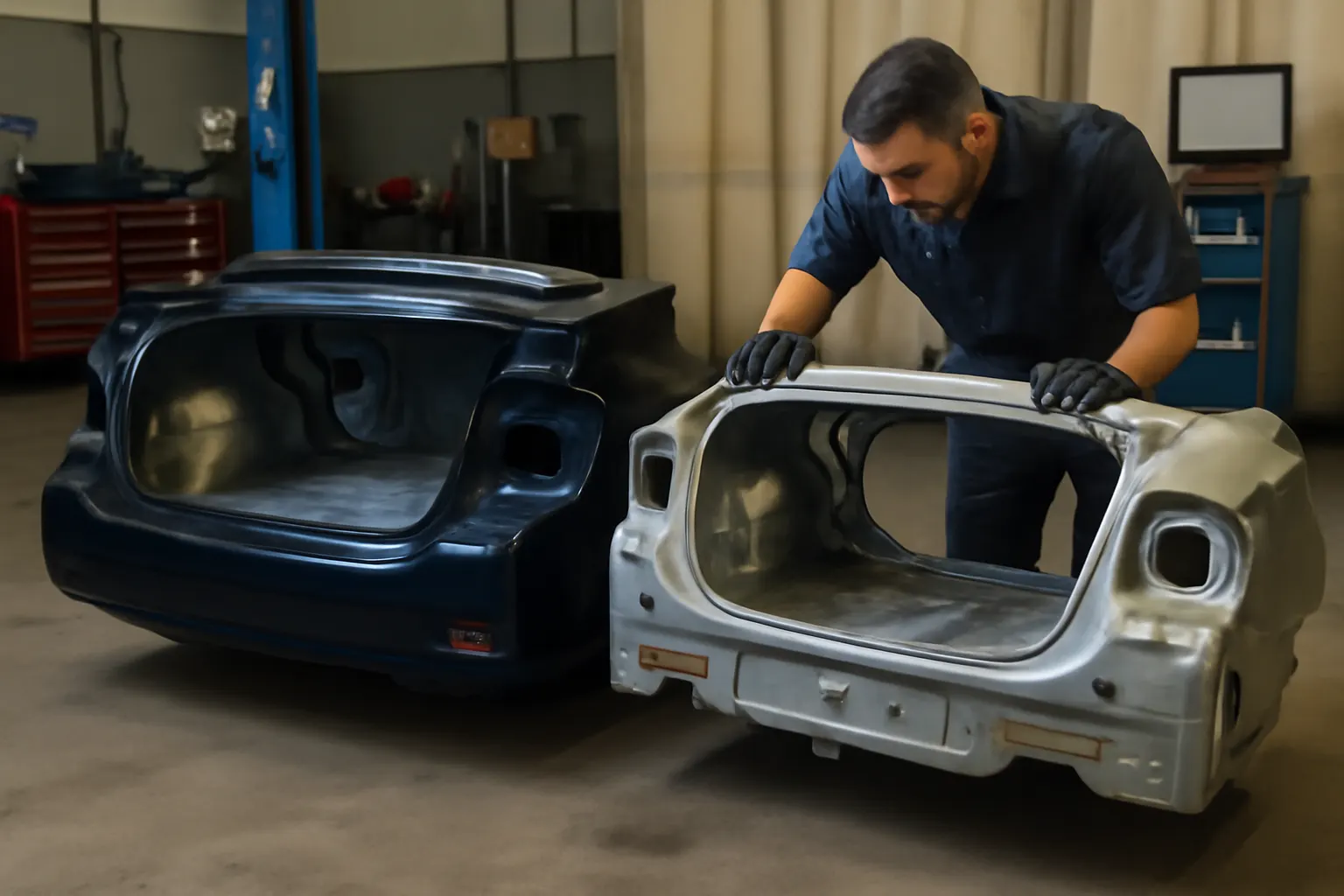
OEM vs Aftermarket Rear Clip: Quality and Performance Comparison
When it comes to repairing or upgrading your vehicle’s rear structure, the decision between an OEM (Original Equipment Manufacturer) and an aftermarket rear clip is critical. The choice directly impacts your vehicle’s safety, performance, fit, and long-term durability. In this guide, we deliver a comprehensive, technical, and practical comparison of OEM versus aftermarket rear clips—clarifying what truly matters for drivers, body shops, and enthusiasts alike.
Read More
Rear Clip Safety: Performance and Protection
The rear clip is the rear structural assembly of a vehicle, typically encompassing the frame rails, rear crossmember, trunk floor, and associated mounting points for suspension, bumper, and safety systems. It is engineered to absorb and dissipate impact energy in rear-end collisions, preserve the passenger compartment’s integrity, and maintain the alignment of critical components like the suspension and fuel system.
Read More