
Chevy Rear Bumper Reinforcement/Misc
Chevy Rear Bumper Reinforcement: Considerations and Selection
Rear bumper reinforcement is often overlooked until a collision or inspection reveals its importance. For Chevy owners, understanding what this structural component does—and what to look for when seeking a replacement—can help ensure safety and restore vehicle integrity. This guide explores how to evaluate, select, and verify Chevy rear bumper reinforcement and related miscellaneous parts, drawing on trusted consumer and regulatory sources.
Advertisement


More Chevy Rear Bumper Reinforcement/Misc options
Filtering for Chevy • Rear Bumper Reinforcement/MiscScan nearby Chevy rear bumper reinforcement/misc inventory without leaving this page.
No Data Available
Please check back soon when more inventory is available for this part.
Advertisement
Why Rear Bumper Reinforcement Matters More Than You Think
Many vehicle owners focus on visible damage after a minor collision, such as cracked bumper covers or dented panels, but neglect the underlying structural elements. The rear bumper reinforcement, hidden behind the plastic exterior, plays a critical role in absorbing impact energy and protecting both the occupants and the vehicle’s frame. Its function is not just cosmetic; it is a safety feature that can make a significant difference in the event of a rear-end collision. Despite this, it is often overlooked during routine maintenance or after an accident.
For Chevy vehicles, rear bumper reinforcement components are engineered to specific tolerances for each model and year. This means that even a slight variation in design or material can affect how well the part performs when needed most. Owners may not realize that a compromised or poorly matched reinforcement can lead to greater damage or even compromise crash safety. It’s not enough to simply replace a damaged bumper cover; the underlying reinforcement must be inspected and, if necessary, replaced with a compatible part.
Another overlooked aspect is the sourcing of replacement parts. With a variety of options available—including new, remanufactured, and salvage components—buyers need to weigh factors such as fitment, quality, and cost. Salvage parts, in particular, are common for structural replacements but come with their own considerations regarding condition and compatibility. Understanding these nuances before a problem arises can help Chevy owners make informed decisions and avoid costly mistakes.

Understanding the Risks of Rear Bumper Reinforcement Issues
The rear bumper reinforcement on a Chevy is designed to absorb and distribute the energy from a rear-end collision, minimizing damage to the vehicle’s frame and reducing the risk of injury to occupants. If this component is damaged, corroded, or improperly replaced, its ability to perform this function is compromised. This can result in increased repair costs, diminished vehicle safety, and potential liability in the event of another accident. Many vehicle owners are unaware that even minor impacts can deform or weaken the reinforcement without obvious external signs.
A key challenge is that the signs of a compromised rear bumper reinforcement are not always visible. Unlike a dented bumper cover, a cracked or bent reinforcement may only be discovered during a thorough inspection after a collision or when the bumper assembly is removed for unrelated repairs. This invisibility increases the risk that a damaged part goes unnoticed and unaddressed, leaving the vehicle vulnerable in subsequent impacts. For Chevy models, the specific design and mounting points mean that using an incorrect or ill-fitting part can also reduce effectiveness.
Another risk arises from the use of salvage or recycled parts. While these can be cost-effective and environmentally friendly, there is variability in the condition and history of such components. A reinforcement bar that has already been subjected to impact forces may not provide the same level of protection as a new or properly reconditioned part. Without detailed inspection and verification, buyers may inadvertently install a part that is structurally compromised, undermining the vehicle’s crashworthiness.
Complicating matters further, not all replacement parts are created equal. Some aftermarket or off-brand reinforcements may lack the precise engineering or materials specified by Chevy for a particular model and year. This can lead to issues with fitment, alignment, and ultimately, performance in a collision. The importance of verifying compatibility and quality cannot be overstated, especially when safety is at stake. Relying solely on visual similarity or generic part listings can be a costly mistake.
The regulatory landscape also plays a role. While safety recalls are issued for known defects, not all issues with rear bumper reinforcements result in formal recalls. According to the National Highway Traffic Safety Administration (NHTSA), recalls are typically initiated when a safety-related defect is identified, but many structural issues may go unreported or may not meet the threshold for a recall. This places the onus on owners and repair professionals to proactively inspect and address potential problems, rather than relying solely on recall notifications.
Finally, the complexity of modern Chevy vehicles means that rear bumper reinforcements are often integrated with other safety and sensor systems. Improper installation or the use of incompatible parts can interfere with features such as parking sensors or rear collision warning systems. This adds another layer of risk and underscores the importance of careful part selection and professional installation. Owners should be aware of these interconnected systems when considering repairs or replacements.
How to Select and Verify the Right Chevy Rear Bumper Reinforcement
Selecting the correct rear bumper reinforcement for your Chevy involves more than matching a part number. Start by consulting your vehicle’s owner manual and any available manufacturer documentation to identify the exact specifications required for your model and year. This ensures that the replacement part will fit properly and function as intended. If you are unsure, reputable parts catalogs and dealer resources can provide guidance on compatible components for your specific vehicle.
When evaluating replacement options, consider the source of the part. New OEM (Original Equipment Manufacturer) parts are generally the safest bet for ensuring quality and compatibility, but they can be more expensive. Remanufactured or rebuilt parts offer a balance between cost and reliability, provided they come from a reputable supplier with clear documentation of the reconditioning process. Salvage parts, while often the most affordable, require careful inspection to verify their condition and suitability for reuse.
The Federal Trade Commission (FTC) recommends obtaining a written repair estimate that details the condition to be repaired, the parts needed, and the anticipated labor charges. For complex or expensive repairs, such as replacing a rear bumper reinforcement, it’s wise to seek a second opinion or consult a technician with experience working on Chevy vehicles. This can help ensure that the recommended repairs are necessary and that the parts being used are appropriate for your car’s make and model FTC: Auto Repair Basics.
Before installation, inspect the replacement reinforcement for signs of previous damage, corrosion, or structural fatigue. Look for bends, cracks, or areas where the metal has been stressed. If purchasing a salvage part, ask for the vehicle history to determine whether it was involved in a rear-end collision. Even if a part appears undamaged, prior exposure to impact forces can compromise its integrity. Documenting the condition of the part before installation can provide valuable evidence in the event of future issues.
It is also important to verify that the mounting hardware and brackets are included and in good condition. Some reinforcement bars are designed to work with specific brackets or absorbers, and using mismatched hardware can affect alignment and performance. If the original hardware is damaged or missing, source replacements from a reputable supplier to ensure a secure and proper fit. This attention to detail can prevent future problems and ensure that the reinforcement functions as intended in a collision.
During installation, follow the manufacturer’s recommended procedures and torque specifications. Improper installation can lead to misalignment, rattling, or reduced effectiveness in a crash. If you are not comfortable performing the installation yourself, seek out a qualified repair shop with experience working on Chevy vehicles. Ask to see the completed repair order, which should list the work performed, parts used, costs, and odometer readings, as advised by the FTC FTC: Auto Repair Basics.
After installation, test any integrated systems such as parking sensors or rear collision warning features to ensure they are functioning correctly. Modern Chevy vehicles often incorporate these technologies into the rear bumper assembly, and improper installation or incompatible parts can interfere with their operation. If any issues are detected, address them promptly to maintain the full safety functionality of your vehicle.
Finally, keep detailed records of the repair, including receipts, part numbers, and photographs of the installed reinforcement. This documentation can be valuable for future reference, resale, or warranty claims. It also provides a clear history of the work performed, which can be helpful if questions arise about the integrity or safety of the repair. By following these steps, Chevy owners can confidently select and verify the right rear bumper reinforcement for their vehicle.
What the Experts and Regulators Say: Evidence for Best Practices
The National Highway Traffic Safety Administration (NHTSA) provides clear guidance on how vehicle safety recalls are initiated and managed. According to the NHTSA, a recall is issued when a manufacturer or the agency determines that a vehicle or equipment creates an unreasonable safety risk or fails to meet minimum safety standards. However, the NHTSA also notes that not all structural issues, such as those affecting rear bumper reinforcements, result in formal recalls. This means that even if your Chevy is not subject to a recall, there could still be unaddressed safety concerns NHTSA: Vehicle Recalls.
The NHTSA emphasizes the importance of proactive owner action. Owners are encouraged to register their vehicles and check for recalls twice a year using their VIN. While this process can identify open recalls, it does not guarantee that all potential safety issues are addressed—especially those that have not reached the threshold for a formal recall. For Chevy owners, this underscores the need to independently inspect and maintain critical safety components like the rear bumper reinforcement, rather than relying solely on recall notifications NHTSA: Vehicle Recalls.
The FTC’s guidance on auto repair highlights several best practices that are directly relevant to selecting and installing rear bumper reinforcement parts. The FTC advises consumers to obtain a written repair estimate, compare shop recommendations with the manufacturer’s maintenance schedule, and ensure that any additional services are justified. These recommendations help protect consumers from unnecessary repairs and ensure that replacement parts are suitable for their vehicle’s make and model FTC: Auto Repair Basics.
A key point from the FTC is the distinction between new, remanufactured, and salvage parts. Salvage parts, which are common for rear bumper reinforcements, come from other vehicles without alteration. While they can be a cost-effective option, the FTC cautions that buyers should understand the condition and history of such parts before installation. This aligns with the earlier recommendation to inspect salvage reinforcements for signs of prior damage and to request documentation of their origin and condition FTC: Auto Repair Basics.
The FTC also notes that there is no standard warranty on repairs, and coverage varies by part and provider. This means that Chevy owners should not assume that a replacement rear bumper reinforcement is covered by a warranty unless it is explicitly stated in writing. Understanding the terms of any warranty or return policy is essential, especially when purchasing parts from salvage yards or independent sellers. This transparency protects buyers from unexpected costs and ensures accountability in the event of a defective or incompatible part FTC: Auto Repair Basics.
Neither the NHTSA nor the FTC provides vehicle-specific technical specifications or guarantees fitment for any particular Chevy model or rear bumper reinforcement part. Instead, they offer general consumer protection advice and outline the processes for recalls, complaints, and repairs. This means that buyers must take additional steps—such as consulting manufacturer documentation and reputable parts catalogs—to verify compatibility and ensure proper installation. Relying solely on regulatory guidance is not sufficient for making informed part selection decisions NHTSA: Vehicle Recalls; FTC: Auto Repair Basics.
In summary, the evidence from regulatory and consumer protection agencies supports a careful, informed approach to selecting and installing rear bumper reinforcement parts for Chevy vehicles. While recalls and general repair advice provide a useful framework, the responsibility for ensuring compatibility, quality, and proper installation ultimately rests with the owner and repair professional. By following the best practices outlined by the NHTSA and FTC, Chevy owners can minimize risk and maintain the safety and integrity of their vehicles.
Take the Next Step: Protect Your Chevy’s Safety
If you suspect damage to your Chevy’s rear bumper reinforcement or are considering a replacement, take time to verify compatibility and condition before making a purchase. Consult your owner’s manual, review reputable parts catalogs, and seek professional advice if needed. For more information or to explore available options, visit our Chevy Rear Bumper Reinforcement/Misc catalog page. Your attention to detail today can help safeguard your vehicle’s safety and value for years to come.
References
- NHTSA: Vehicle Recalls
- FTC: Auto Repair Basics
References
- NHTSA: Vehicle Recalls - NHTSA, accessed 2026-11-01
- FTC: Auto Repair Basics - FTC, accessed 2026-11-01
Related Guides & Articles

How to Spot Counterfeit Chevy Parts
Counterfeit Chevy parts can jeopardize your vehicle's safety, reliability, and performance. Whether you're shopping for a replacement alternator, brake pads, or sensors, identifying fakes before you buy is crucial. This guide delivers immediate visual clues, packaging tips, and real-world examples to help you confidently distinguish genuine from counterfeit Chevy components—protecting both your investment and your safety.
Read More
Chevy Service Intervals Explained
Build a Chevrolet maintenance plan from the correct owner’s manual, service history and dashboard messages. Learn how oil-life reminders differ from oil-pressure warnings, how mileage and elapsed time affect a service decision, and why gasoline and electric vehicles need different schedules. Use the checklist to discuss a clear, itemized plan with your repairer.
View Guide
OEM vs Aftermarket Rear Bumper Reinforcement/Misc: Quality and Performance Comparison
When it comes to replacing your rear bumper reinforcement or related components, the decision between OEM (Original Equipment Manufacturer) and aftermarket parts has a direct impact on your vehicle’s safety, performance, and long-term durability. This in-depth guide compares these two categories, focusing on material quality, crash performance, fitment, installation, and cost—empowering you to make the best choice for your vehicle’s needs.
Read More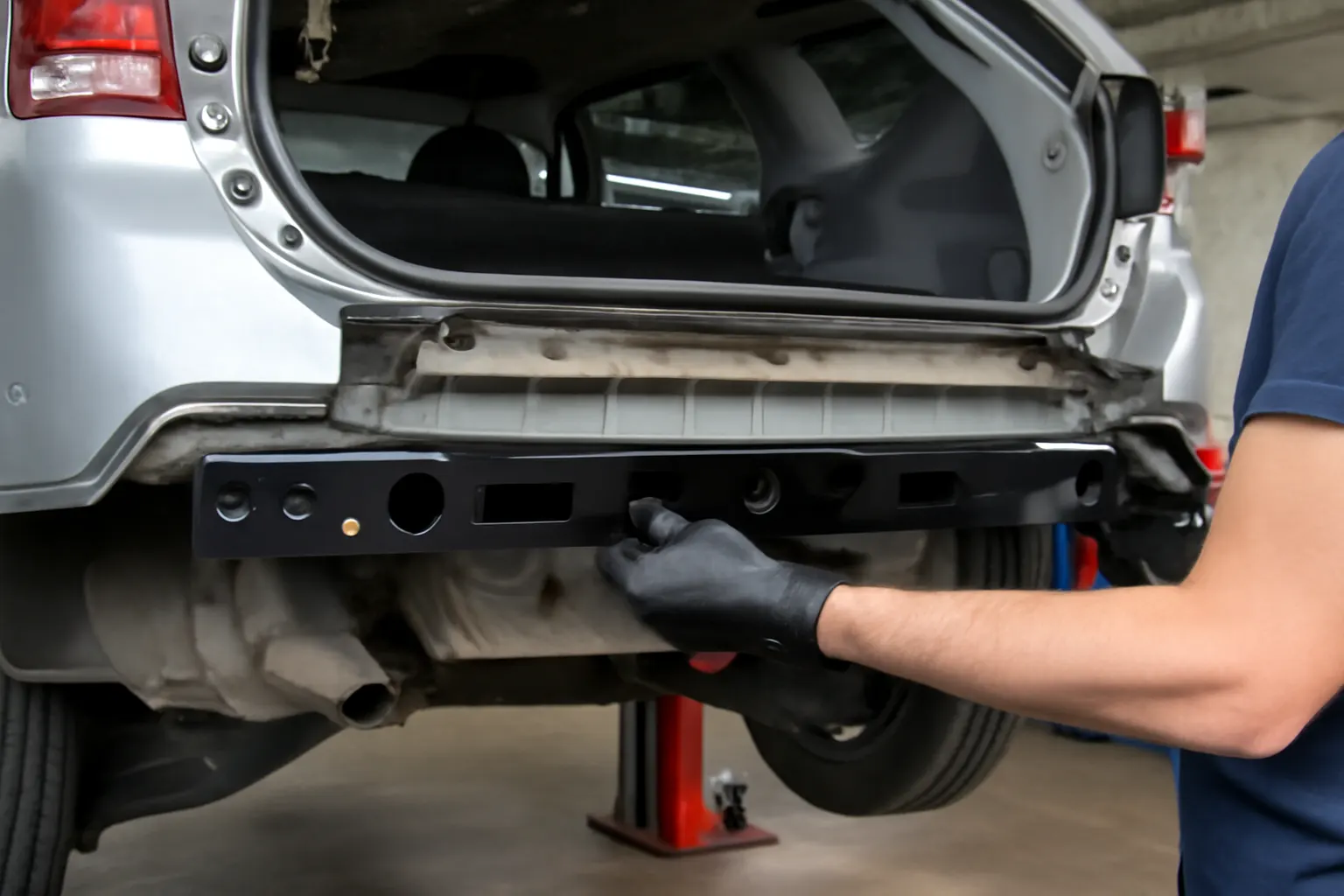
Rear Bumper Reinforcement/Misc Safety: Performance and Protection
Rear bumper reinforcement and miscellaneous (misc) components are critical yet often overlooked elements in the safety, performance, and occupant protection of modern vehicles. These structural parts are designed to absorb and distribute impact energy, prevent intrusion into the passenger compartment, and minimize costly damage to essential vehicle systems during rear-end collisions. Whether you’re a vehicle owner, technician, or auto parts buyer, understanding the function, risks, and selection criteria for rear bumper reinforcement/misc is essential for optimal safety and performance.
Read More