
Chevy Lock Actuator
Chevy Lock Actuator: Selection, Diagnosis, and Trusted Guidance
Lock actuators play a quiet but crucial role in your Chevy’s daily convenience and security. Yet, many owners overlook the importance of understanding how these components work, what can go wrong, and how to approach repairs or replacements. This page unpacks key considerations, from recognizing subtle symptoms to making informed choices, so you can confidently address lock actuator issues in your Chevy.
Advertisement
Showing 1–8 of 9 Chevy lock actuator parts


Advertisement
More Chevy Lock Actuator options
Filtering for Chevy • Lock ActuatorScan nearby Chevy lock actuator inventory without leaving this page.
No Data Available
Please check back soon when more inventory is available for this part.
Advertisement
Why Lock Actuators Deserve a Closer Look in Your Chevy
Vehicle owners often take the seamless operation of their door locks for granted, rarely considering the mechanisms behind each satisfying click. Yet, the lock actuator—a small but essential component—ensures your Chevy’s doors lock and unlock reliably with every press of the button or turn of the key. When this part begins to fail, the symptoms can be subtle and easily mistaken for unrelated electrical or mechanical issues. Overlooking these early warning signs may lead to inconvenient lockouts or compromised vehicle security. Recognizing the actuator’s role is the first step to maintaining your Chevy’s convenience and safety.
Many drivers are unaware that lock actuator problems can manifest as intermittent or partial failures, not just total lock malfunction. For example, a door might lock but refuse to unlock, or only some doors respond to the remote key fob. These quirks can be frustrating, especially when they occur sporadically or only under certain conditions, such as cold weather or after heavy use. Because the symptoms are often inconsistent, owners may dismiss them as minor annoyances or attribute them to battery or fuse issues, delaying proper diagnosis.
Taking time to understand how your Chevy’s lock actuators function—and how they can fail—can save you from unexpected hassles. Whether you’re troubleshooting a stubborn door or planning a replacement, being informed about these components helps you make better decisions. This awareness not only protects your vehicle’s security but also ensures your daily routine isn’t disrupted by avoidable lock problems. Let’s explore the technical context, practical steps, and evidence-backed guidance for Chevy lock actuator concerns.

Common Issues and Technical Context for Chevy Lock Actuators
Lock actuators in Chevy vehicles are electro-mechanical devices responsible for physically moving the door lock mechanism in response to signals from the key fob, door switch, or central locking system. Over time, these actuators are subject to wear from frequent use, exposure to moisture, and temperature fluctuations. When they begin to fail, the symptoms can include slow response, unusual noises, or complete non-operation of the affected door lock. In some cases, only one door is impacted, while in others, multiple actuators may fail in succession, especially in older vehicles.
Diagnosing a lock actuator issue can be challenging because the symptoms often overlap with other electrical problems. For example, a blown fuse, faulty wiring, or a malfunctioning key fob battery can all mimic actuator failure. Additionally, some Chevy models use integrated modules that control multiple doors, making it harder to isolate the faulty component without a systematic approach. Owners may notice that locks work intermittently, respond only to manual operation, or fail entirely, leading to confusion about the root cause.
It’s important to distinguish between actuator failure and other potential causes. For instance, if all doors fail to lock or unlock simultaneously, the issue may lie with the central locking control unit or a shared power supply. Conversely, if only one door is affected, the actuator or its immediate wiring is a more likely culprit. Environmental factors, such as water intrusion from a damaged door seal, can also accelerate actuator wear or cause electrical shorts, compounding the diagnostic challenge.
Not all lock actuator problems require immediate replacement. In some cases, cleaning electrical contacts or addressing moisture ingress can restore proper function. However, persistent issues—such as grinding noises, unresponsive locks, or repeated failures after temporary fixes—usually indicate that the actuator itself has reached the end of its service life. Ignoring these signs can result in being locked out of your vehicle or leaving it vulnerable to unauthorized access.
Chevy owners should also be aware that actuator design and placement can vary significantly between models and years. Some actuators are easily accessible behind the door panel, while others may be integrated with the latch assembly or buried deeper within the door structure. This variation affects both the complexity and cost of diagnosis and repair. Consulting a repair manual or professional technician familiar with your specific Chevy model is crucial for accurate troubleshooting and safe disassembly.
Finally, it’s worth noting that lock actuator issues are not typically covered by standard vehicle recalls unless they present a direct safety risk. According to the National Highway Traffic Safety Administration (NHTSA), recalls are issued when a defect creates an unreasonable safety risk or fails to meet minimum safety standards. Most actuator failures are considered wear-and-tear items, so owners are generally responsible for repairs unless a specific recall applies to their vehicle. Checking recall status with your VIN is a recommended step before proceeding with repairs NHTSA: Vehicle Recalls.
Practical Steps for Diagnosing and Replacing a Chevy Lock Actuator
When facing suspected lock actuator issues in your Chevy, start with a methodical approach to diagnosis. Begin by observing the symptoms: Does the problem affect one door or multiple doors? Are the locks slow, noisy, or completely unresponsive? Try operating the locks using both the key fob and the interior switch to determine if the issue is consistent across different inputs. This initial assessment helps narrow down whether the problem is likely electrical, mechanical, or actuator-related.
Next, check the basics. Inspect the key fob battery and replace it if necessary, as a weak battery can cause intermittent lock response. Test all door locks individually to see if the issue is isolated or widespread. If multiple doors are affected, inspect the vehicle’s fuses and relays associated with the central locking system. A blown fuse or faulty relay can disable power to the actuators, mimicking a component failure. Refer to your owner’s manual for fuse locations and specifications.
If the problem persists after these checks, proceed to inspect the affected door’s wiring and connectors. Look for signs of corrosion, loose connections, or damaged wires, especially in areas exposed to moisture or frequent movement, such as the door jamb. Carefully wiggle the wiring harness while operating the lock to detect intermittent faults. Address any visible issues before considering actuator replacement, as electrical problems can often be resolved without replacing parts.
Once electrical and control issues are ruled out, focus on the actuator itself. Listen for unusual noises—such as grinding, clicking, or buzzing—when attempting to lock or unlock the door. These sounds often indicate internal gear or motor wear within the actuator. If the actuator is silent and unresponsive despite receiving power, it is likely inoperative and requires replacement. Consult a repair manual or trusted online resource for your Chevy model to locate and access the actuator.
Gather the necessary tools and replacement parts before starting the repair. Lock actuators can be sourced as new, remanufactured, or salvage components. According to the Federal Trade Commission (FTC), salvage parts are taken from another vehicle without alteration, while remanufactured parts are rebuilt to restore function FTC: Auto Repair Basics. Compare part options based on cost, warranty, and compatibility with your Chevy’s year and model. Always verify part numbers before purchase to avoid fitment issues.
Carefully remove the interior door panel, taking care not to damage clips or wiring. Disconnect the actuator’s electrical connector and mounting hardware. Some actuators are integrated with the latch assembly, requiring additional disassembly. Install the replacement actuator, ensuring all connections are secure and properly routed. Test the lock operation before reassembling the door panel to confirm the repair was successful. If the lock functions correctly, reattach the panel and any trim pieces.
After completing the repair, obtain a written repair order or document the work performed, including the parts used, labor involved, and odometer reading. This record is valuable for future reference and may be required if warranty issues arise. The FTC recommends getting all repair details in writing and understanding any coverage that applies to the replacement parts FTC: Auto Repair Basics. Salvage parts typically do not come with a standard warranty, so clarify terms before purchase.
If you are unsure about any diagnostic or repair step, seek a second opinion from a qualified technician with experience in Chevy vehicles. The FTC advises comparing shop recommendations with your manufacturer’s maintenance schedule and asking why additional services are proposed. This ensures you receive necessary repairs without unnecessary costs. A professional diagnosis can also help identify less obvious issues, such as control module faults or wiring defects, that may mimic actuator failure.
Published Guidance and Evidence for Chevy Lock Actuator Repairs
The National Highway Traffic Safety Administration (NHTSA) provides a comprehensive recall database that allows vehicle owners to check for open recalls affecting their specific Chevy model. By entering a vehicle’s VIN, owners can determine if a lock actuator or related component is subject to a safety recall. However, NHTSA emphasizes that most actuator failures are not covered by recalls unless they pose a direct safety risk or violate federal safety standards. This means that, for the majority of Chevy vehicles, lock actuator replacement is considered routine maintenance rather than a recall-related repair NHTSA: Vehicle Recalls.
NHTSA’s recall process involves several stages, starting with owner complaints and progressing through investigation, analysis, and recall management. If multiple owners report similar lock actuator failures that compromise safety, NHTSA may open an investigation and, if warranted, require the manufacturer to issue a recall. However, unless a defect is found to create an unreasonable safety risk, such as preventing emergency egress, most lock actuator issues are categorized as wear-and-tear. Owners are responsible for repairs unless a specific recall is in effect for their vehicle’s VIN NHTSA: Vehicle Recalls.
The Federal Trade Commission (FTC) offers detailed consumer guidance on auto repairs, emphasizing the importance of obtaining written estimates, understanding the distinction between new, remanufactured, and salvage parts, and getting a completed repair order. The FTC’s advice is not specific to Chevy lock actuators but is highly relevant for anyone considering actuator replacement. Their guidance helps consumers make informed decisions, compare part options, and avoid misunderstandings about warranty coverage FTC: Auto Repair Basics.
According to the FTC, salvage parts are components removed from another vehicle and sold without modification. While often more affordable, these parts may not come with a standard warranty. Remanufactured or rebuilt actuators are reconditioned to restore function and may offer limited warranties. The FTC recommends clarifying warranty terms before purchasing any replacement part, as there is no industry standard for coverage. This advice is crucial for Chevy owners seeking cost-effective repairs without sacrificing reliability FTC: Auto Repair Basics.
NHTSA’s recall lookup tool is an essential resource for Chevy owners concerned about safety-related actuator failures. By checking their vehicle’s VIN, owners can quickly determine if their lock actuator is affected by a manufacturer recall. NHTSA updates its database continuously, so regular checks are advised, especially before purchasing replacement parts or scheduling repairs. This proactive step ensures that any recall-related repairs are performed free of charge at authorized dealerships NHTSA: Vehicle Recalls.
The FTC also recommends comparing shop recommendations with the manufacturer’s maintenance schedule found in the owner’s manual. This helps Chevy owners avoid unnecessary repairs and ensures that only essential services are performed. For lock actuator issues, this means verifying that the proposed replacement aligns with documented symptoms and diagnostic findings. If a shop suggests additional work, owners should ask for a clear explanation and consider seeking a second opinion, particularly for expensive or complex repairs FTC: Auto Repair Basics.
Neither NHTSA nor the FTC provides vehicle-specific technical specifications or diagnostic procedures for Chevy lock actuators. Instead, their guidance focuses on consumer protection, recall awareness, and informed repair practices. For technical details, Chevy owners should consult model-specific repair manuals or seek assistance from qualified technicians. This approach ensures accurate diagnosis and safe repairs, minimizing the risk of improper installation or recurring issues. Always verify part compatibility using trusted sources before purchasing or installing a replacement actuator.
Take the Next Step Toward Reliable Chevy Lock Operation
Addressing lock actuator issues in your Chevy doesn’t have to be daunting. Start by reviewing your vehicle’s recall status using the NHTSA VIN lookup tool and gathering written estimates for any necessary repairs. Compare part options—new, remanufactured, or salvage—and clarify warranty terms before purchase. If you’re unsure about diagnosis or installation, consult a qualified technician with Chevy experience. By following published guidance and taking a methodical approach, you can restore your vehicle’s convenience and security with confidence.
References
- NHTSA: Vehicle Recalls
- FTC: Auto Repair Basics
References
- NHTSA: Vehicle Recalls - NHTSA, accessed 2026-11-01
- FTC: Auto Repair Basics - FTC, accessed 2026-11-01
Related Guides & Articles

How to Spot Counterfeit Chevy Parts
Counterfeit Chevy parts can jeopardize your vehicle's safety, reliability, and performance. Whether you're shopping for a replacement alternator, brake pads, or sensors, identifying fakes before you buy is crucial. This guide delivers immediate visual clues, packaging tips, and real-world examples to help you confidently distinguish genuine from counterfeit Chevy components—protecting both your investment and your safety.
Read More
Chevy Service Intervals Explained
Build a Chevrolet maintenance plan from the correct owner’s manual, service history and dashboard messages. Learn how oil-life reminders differ from oil-pressure warnings, how mileage and elapsed time affect a service decision, and why gasoline and electric vehicles need different schedules. Use the checklist to discuss a clear, itemized plan with your repairer.
View Guide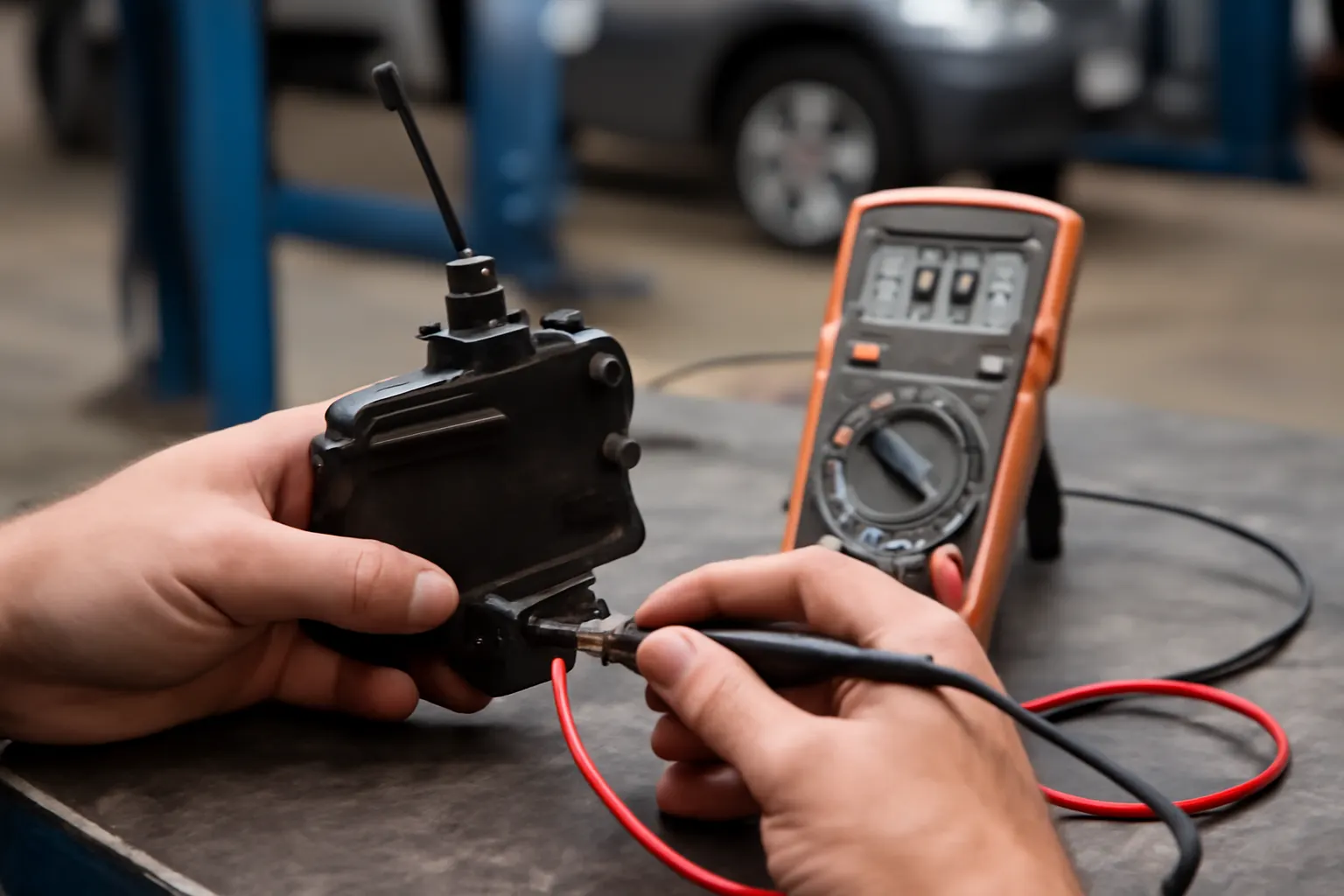
Common Symptoms of Failing Lock Actuators
If your vehicle’s doors refuse to lock or unlock at the press of a button, respond intermittently, make unusual noises, or behave erratically, you may be dealing with a failing lock actuator. Here are the primary symptoms to watch for: Unresponsive door locks (manual or remote) Intermittent or partial locking/unlocking Unusual noises (grinding, clicking, buzzing) from inside the door Door locks moving slowly or only partially engaging Only some doors respond to lock/unlock commands Unexpected lock or unlock cycles (“phantom”…
Read More
How Modern Lock Actuators Improve Vehicle Security
Modern lock actuators are the unsung heroes of contemporary vehicle security, delivering precision control, rapid response, and seamless integration with anti-theft and convenience systems. These advanced components have evolved far beyond simple mechanical linkages, now playing a pivotal role in keeping vehicles safe from theft and unauthorized access. If you’re looking to understand how your car’s security works—or considering an upgrade—the latest generation of lock actuators is central to the story.
Read More