How Modern Lock Actuators Improve Vehicle Security
Modern lock actuators are the unsung heroes of contemporary vehicle security, delivering precision control, rapid response, and seamless integration with anti-theft and convenience systems. These advanced components have evolved far beyond simple mechanical linkages, now playing a pivotal role in keeping vehicles safe from theft and unauthorized access. If you’re looking to understand how your car’s security works—or considering an upgrade—the latest generation of lock actuators is central to the story. For a broader view of actuator technology and compatible parts, see Lock Actuator Systems: Precision Control for Modern Vehicle Security.
The Immediate Answer: Why Modern Lock Actuators Matter
Today’s lock actuators are engineered to provide fast, silent, and reliable locking and unlocking of vehicle doors, trunks, and fuel flaps. Integrated with electronic control units (ECUs), keyless entry, and alarm systems, these actuators are foundational to both convenience and security. Unlike their purely mechanical ancestors, modern actuators use compact electric motors, advanced materials, and sophisticated feedback mechanisms to:
- Rapidly secure all entry points with a single command
- Resist forced entry and tampering
- Enable remote and automated operation (key fobs, smartphone apps, proximity sensors)
- Interface with vehicle immobilizers and alarm systems for layered security
For drivers, this means a seamless experience—doors lock or unlock at the push of a button, and the car is protected by a network of sensors and actuators working in concert.
The Hidden Problem: Security Risks and System Complexity
Despite their sophistication, modern lock actuator systems introduce new challenges. As vehicles become more connected and reliant on electronics, vulnerabilities can arise from both physical and digital attack vectors. Common issues include:
- Electronic hacking (relay attacks, signal spoofing)
- Actuator motor or gear failure, leading to lockouts or security lapses
- Poor integration with aftermarket alarms or remote-start systems
- Degraded performance from wear, moisture, or incorrect installation
These risks mean that while the technology is more advanced, it is also more complex to diagnose, service, and secure. Vehicle owners and technicians must understand both the mechanical and electronic aspects of lock actuators to maintain optimal security.
Evolution of Lock Actuators: From Manual to Mechatronic
Mechanical Roots
Early automotive locks were entirely mechanical, relying on rods, levers, and tumblers. Security depended on physical strength and the uniqueness of the key. These systems were:
- Simple but vulnerable to picking and forced entry
- Prone to mechanical wear and misalignment
- Inconvenient for locking multiple doors
The Shift to Electric Actuators
The introduction of electric lock actuators in the late 20th century revolutionized vehicle security. Small DC motors or solenoids began to replace manual rods, enabling:
- Central locking systems (one button controls all doors)
- Integration with alarms and immobilizers
- Faster, more reliable operation
Mechatronic Integration in Modern Vehicles
Today’s actuators combine mechanical, electrical, and digital technologies. Key features include:
- Microprocessor-controlled logic for precise actuation
- Feedback sensors to confirm lock status
- CAN bus communication with other vehicle systems
- Lightweight, durable materials for efficiency and longevity
This evolution aligns with broader trends in automotive engineering, such as the use of advanced materials to improve performance and fuel efficiency (DOE Materials Technologies).
Technical Anatomy: How Modern Lock Actuators Work
Core Components
A typical modern lock actuator assembly includes:
- Electric Motor or Solenoid: Provides the force to move the lock mechanism.
- Gear Train: Translates motor rotation into linear or rotary movement.
- Position Sensors: Detect and report the lock/unlock status.
- Housing: Protects internal components from moisture and debris.
- Connector and Harness: Allows integration with vehicle wiring and control units.
Control Logic
Actuators receive signals from the vehicle’s body control module (BCM) or door control unit (DCU). Inputs may come from:
- Key fob or proximity sensor
- Central locking switch
- Alarm or immobilizer system
- Smartphone app (in connected vehicles)
When a command is received, the actuator’s motor engages, moving the lock mechanism. Position sensors confirm successful actuation, and the control unit may trigger an alert if the lock fails to engage.
Feedback and Diagnostics
Modern systems provide diagnostic feedback via onboard diagnostics (OBD) or BCM fault codes. This enables technicians to quickly identify actuator-related issues, such as:
- Motor failure
- Gear seizing
- Electrical short or open circuits
- Sensor malfunctions
The Role of Lock Actuators in Anti-Theft Systems
Lock actuators are now integral to multi-layered security architectures. Their roles include:
- Physical deterrence: Reinforced actuators resist prying and forced entry.
- Electronic immobilization: Lock status is linked to the ignition system, preventing engine start if doors are not secured.
- Alarm integration: Unauthorized attempts to unlock or force a door trigger the alarm system.
- Remote monitoring: Some vehicles report lock/unlock status to smartphone apps, enabling remote security checks.
How Actuators Thwart Common Theft Techniques
- Slim Jim attacks: Modern actuators and shielded linkages reduce vulnerability to traditional lockout tools.
- Relay attacks: Integration with encrypted wireless protocols helps block signal spoofing.
- Forced entry: Reinforced gears and anti-backdrive features prevent manual override.
Advanced Features: Convenience Meets Security
Today’s lock actuators do more than lock and unlock. They support features such as:
- Passive entry/start (PEPS): Doors unlock when the authorized key is nearby.
- Automatic relocking: If a door is not opened within a set time after unlocking, actuators re-engage locks.
- Child safety and deadlock functions: Prevent doors from being opened from the inside or outside, even if windows are broken.
- Selective unlocking: Driver’s door only, or all doors, based on user preference.
These features rely on precise actuator response and robust integration with the vehicle’s electronic architecture.
Common Symptoms of Failing Lock Actuators
Understanding the warning signs of actuator failure is crucial for maintaining vehicle security. Typical symptoms include:
- Unresponsive locks: No action when pressing the key fob or switch.
- Intermittent operation: Locks work sporadically, often due to worn motors or failing sensors.
- Noisy operation: Grinding, clicking, or buzzing sounds indicate mechanical wear or gear damage.
- Partial movement: Lock pins move but do not fully engage or disengage.
- Battery drain: Faulty actuators can draw excess current, impacting vehicle battery life.
For a more detailed breakdown, see Common Symptoms of Failing Lock Actuators.
Diagnosing Lock Actuator Problems: A Step-by-Step Checklist
Proper diagnosis helps avoid unnecessary part replacements and ensures that security is restored effectively.
Lock Actuator Diagnostic Checklist
-
Confirm the Symptom
- Does the lock fail on all doors or just one?
- Are there any dashboard warning lights or messages?
-
Check Fob and Switch Operation
- Test operation with both the remote key fob and interior switch.
- Replace key fob battery if unresponsive.
-
Listen for Actuator Noise
- Operate the lock and listen for motor or gear sounds.
- Silence may indicate electrical failure; noise suggests mechanical wear.
-
Inspect Electrical Connections
- Check wiring harness and connectors at the actuator for corrosion or looseness.
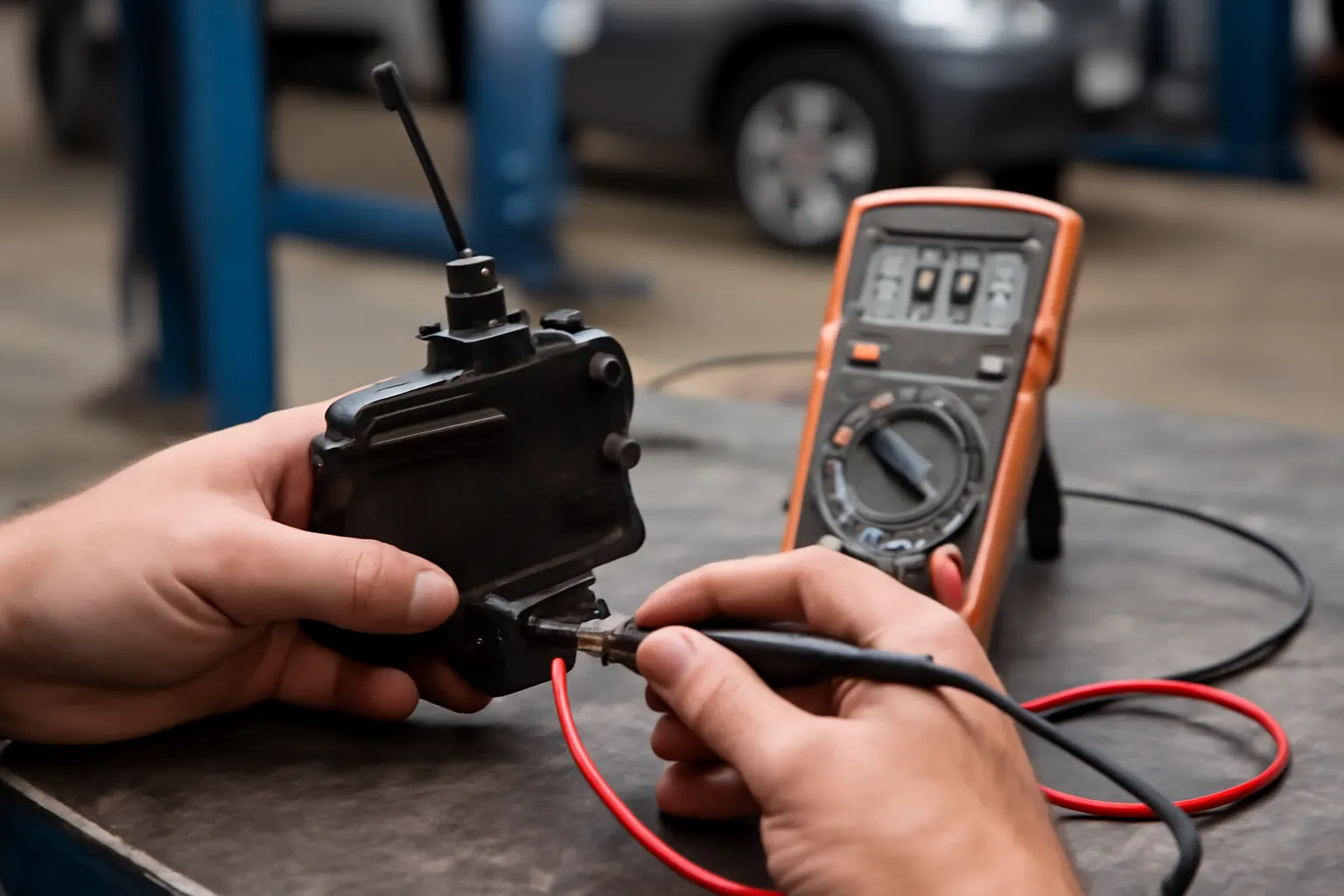
- Use a multimeter to verify voltage at the actuator during operation.
-
Scan for Diagnostic Trouble Codes (DTCs)
- Connect an OBD-II scanner and check for BCM or DCU fault codes related to door locks.
-
Test Lock Mechanism Manually
- Operate the lock manually to check for binding or mechanical resistance.
-
Check for Moisture or Debris
- Remove the door panel and inspect the actuator for signs of water ingress or dirt.
-
Compare with Other Doors
- Swap actuators between doors (if compatible) to isolate the fault.
For a full step-by-step guide, see Diagnosing Door Lock Failures: Step-by-Step Guide.
Installation and Replacement: Best Practices
Replacing a modern lock actuator requires careful attention to mechanical fitment and electronic integration. Follow these best practices:
Preparation
- Gather tools: Trim removal tools, screwdrivers, socket set, multimeter.
- Obtain correct part: Match part number, connector type, and mounting style.
- Review vehicle service manual: Confirm procedures and torque specifications.
Removal
- Disconnect the vehicle battery to prevent accidental airbag deployment or electrical shorts.
- Remove interior door panel carefully to avoid damaging clips or wiring.
- Disconnect the actuator wiring harness and linkage rods.
- Unbolt and remove the actuator assembly.
Installation
- Compare new actuator to the old unit for physical and electrical match.
- Install actuator, ensuring linkage rods are properly seated.
- Reconnect wiring harness and secure all fasteners to manufacturer specs.
- Test operation before reassembling the door panel.
- Clear any stored fault codes using a scan tool.
For tools, tips, and best practices, see Replacing a Lock Actuator: Tools, Tips, and Best Practices.
Sourcing High-Quality Lock Actuators: What to Look For
Not all lock actuators are created equal. When selecting replacement parts, consider:
- OEM vs. Aftermarket: OEM parts offer guaranteed fit and function. High-quality aftermarket options may provide cost savings but require careful vetting.
- Material quality: Look for corrosion-resistant housings, reinforced gears, and robust electrical connectors.
- Compatibility: Confirm fitment for your vehicle make, model, and year.
- Warranty and support: Choose suppliers with clear warranty policies and technical support.
AutoPartEx offers a curated selection of lock actuator systems designed for precision, durability, and seamless integration with modern vehicle electronics. For a comprehensive inventory by manufacturer or model, visit the Lock Actuator Systems: Precision Control for Modern Vehicle Security category.
Maintenance Tips for Long-Term Reliability
While lock actuators are designed for durability, proactive maintenance can extend their lifespan and prevent security failures.
- Keep door seals intact: Prevent water ingress that can corrode actuators.
- Clean electrical contacts: Use dielectric grease on connectors to block moisture.
- Lubricate mechanical linkages: Use manufacturer-approved lubricants sparingly to avoid attracting dirt.
- Address warning signs early: Don’t ignore slow or noisy locks—early intervention prevents lockouts.
Integration with Other Vehicle Systems
Lock actuators are increasingly connected to other automotive systems, such as:
- Alarm and immobilizer modules: Ensuring coordinated security responses.
- Climate control (for comfort access): Activating seat heaters or AC when driver unlocks the car.
- Telematics: Enabling remote locking/unlocking via smartphone or web interface.
This integration requires actuators to meet stringent standards for reliability, electromagnetic compatibility, and response time, as defined by organizations like SAE International (SAE Standards).
Troubleshooting Common Installation and Integration Issues
Even experienced technicians can encounter challenges when installing or integrating modern lock actuators:
- Mismatched connectors: Always verify connector pinouts before installation.
- Incorrect actuator calibration: Some vehicles require electronic calibration after installation to synchronize with the BCM.
- Aftermarket alarm conflicts: Ensure that third-party systems are compatible with factory lock actuators to avoid malfunction or false alarms.
- CAN bus errors: Faulty actuators can disrupt communication on the vehicle’s data network, triggering unrelated system errors.
If issues persist, consult the vehicle’s wiring diagrams and service documentation, or seek support from a specialist with experience in electronic security systems.
When to Upgrade: Modernizing Older Vehicle Security
If your vehicle relies on outdated or purely mechanical lock systems, upgrading to modern actuators brings significant benefits:
- Improved security: Electronic locks are harder to bypass than mechanical systems.
- Convenience features: Add remote entry, selective unlocking, and automatic relocking.
- Integration potential: Enable compatibility with modern alarms, immobilizers, and telematics.
Upgrading requires careful selection of compatible actuators and may involve additional wiring or control module installation. Consult with an automotive security specialist or trusted parts supplier for guidance.
The AutoPartEx Advantage
At AutoPartEx, we understand that vehicle security is non-negotiable. Our curated Lock Actuator Systems: Precision Control for Modern Vehicle Security category includes:
- OEM and premium aftermarket actuators for every major make and model
- Detailed fitment guides and technical specifications
- Expert support for diagnosis, installation, and integration
Whether you’re a DIY enthusiast or a professional technician, AutoPartEx provides the resources and parts you need to keep your vehicle secure, reliable, and up to date.
Take Action: Secure Your Vehicle with Modern Lock Actuators
Don’t let outdated or failing lock actuators compromise your vehicle’s security. Regularly inspect your lock systems, respond promptly to symptoms of failure, and choose high-quality replacement actuators for peace of mind. For expert guidance, fitment support, and a comprehensive inventory, trust AutoPartEx as your partner in automotive security.