
Chevy Keys/Latches and Locks
Chevy Keys, Latches, and Locks: Comparison and Selection Guide
When it comes to Chevy vehicles, keys, latches, and locks are often overlooked until a problem arises. Whether you’re restoring an older model or maintaining a daily driver, understanding how to select and diagnose these components can save time and frustration. This guide offers a practical, evidence-based approach to help Chevy owners and buyers make informed decisions about keys, latches, and locks, from identifying issues to comparing replacement options.
Advertisement


Advertisement
More Chevy Keys/Latches and Locks options
Filtering for Chevy • Keys/Latches and LocksScan nearby Chevy keys/latches and locks inventory without leaving this page.
No Data Available
Please check back soon when more inventory is available for this part.
Advertisement
Why Keys, Latches, and Locks Deserve Closer Attention
Most Chevy owners rarely think about their vehicle’s keys, latches, or locks—until something goes wrong. These components are so seamlessly integrated into daily use that issues often emerge at the most inconvenient times, such as a key refusing to turn or a door that won’t latch properly. While the engine and transmission get regular attention, the security and access systems can be neglected until a failure disrupts your routine. This oversight can lead to unexpected lockouts, security concerns, or even safety hazards if a latch fails while driving.
The importance of keys, latches, and locks isn’t limited to convenience. These parts are critical to vehicle security and occupant safety. A malfunctioning lock can leave your Chevy vulnerable to theft, while a faulty latch could compromise the integrity of doors or hatches during a collision. Moreover, as vehicles age, wear and tear on these components can increase the risk of failure. Recognizing the warning signs and understanding your options is essential for any Chevy owner who values reliability and peace of mind.
Many buyers focus on high-profile components like brakes or suspension when evaluating used Chevys, but the condition of keys, latches, and locks can be just as telling. Signs of forced entry, mismatched keys, or sticky mechanisms may indicate previous issues or ongoing neglect. By giving these parts the attention they deserve, you can avoid costly surprises and ensure your Chevy remains secure and functional for years to come.

Common Issues with Chevy Keys, Latches, and Locks
Chevy vehicles, like all cars, are subject to wear and tear on their keys, latches, and locks over time. Problems can range from simple inconvenience to major security risks. For example, keys may become worn or bent, making it difficult to start the vehicle or unlock doors. Latches can corrode or become misaligned, leading to doors that rattle or fail to close properly. Locks themselves may seize up, especially in older models or vehicles exposed to harsh environments.
One overlooked issue is the compatibility of replacement parts. Not all keys, latches, and locks are interchangeable across Chevy models or years. Even within a single model line, there may be variations due to mid-year updates or trim differences. This makes it crucial to verify part numbers, compare physical characteristics, and consult reliable catalogs before purchasing replacements. Failing to do so can result in wasted time and money on parts that don’t fit or function as intended.
Security concerns are another significant aspect. A compromised lock or latch doesn’t just inconvenience the owner—it can make the vehicle an easy target for theft. In some cases, thieves exploit known weaknesses in factory locks or use generic keys to gain access. Owners who have lost keys or purchased used vehicles with incomplete key sets may face additional risks if previous keys are still in circulation. Replacing or rekeying locks is often the best solution in these cases, but it requires careful selection to ensure compatibility and effectiveness.
The process of diagnosing lock or latch issues can be complicated by the fact that symptoms often overlap with other problems. For instance, a door that won’t close could be due to a misaligned latch, a bent striker, or even body damage from a previous accident. Similarly, ignition key problems might stem from a worn key, a failing ignition cylinder, or an issue with the vehicle’s anti-theft system. Accurate diagnosis is essential to avoid unnecessary repairs and ensure the underlying problem is addressed.
Environmental factors also play a role in the longevity of keys, latches, and locks. Exposure to moisture, road salt, and temperature extremes can accelerate corrosion and wear. Owners in northern climates or coastal regions may notice issues sooner than those in milder environments. Regular inspection and preventive maintenance can help mitigate these effects, but replacement is sometimes unavoidable, especially for vehicles with high mileage or extensive outdoor use.
Finally, it’s important to recognize that not all repair shops or sellers offer the same level of expertise or transparency. Some may recommend unnecessary replacements or fail to explain the differences between new, remanufactured, and salvage parts. As the FTC advises, getting a written estimate and understanding the type of part being installed is critical for making informed decisions and protecting your investment FTC: Auto Repair Basics.
How to Select and Diagnose Chevy Keys, Latches, and Locks
When you suspect an issue with your Chevy’s keys, latches, or locks, the first step is to gather as much information as possible about your vehicle. Start by locating your VIN (Vehicle Identification Number), which uniquely identifies your car and is essential for verifying part compatibility. The VIN can usually be found on the lower left of your windshield or on your registration card NHTSA: Vehicle Recalls. This number helps ensure that you’re looking at the correct parts for your specific model and year.
Next, carefully inspect the affected component. For keys, look for signs of wear, bending, or damage to the key blade or fob. For latches and locks, check for corrosion, misalignment, or physical damage. Operate the mechanism several times to observe any sticking, grinding, or incomplete movement. Take note of any unusual noises or resistance, as these can provide clues about internal wear or contamination. Documenting these symptoms will help you communicate clearly with a repair shop or parts supplier.
If you’re considering replacing a component, compare the available options. New parts offer the highest reliability but may be more expensive. Remanufactured or rebuilt parts can be a cost-effective alternative, especially for older vehicles, but it’s important to verify the quality and warranty coverage. Salvage parts, which come from other vehicles without alteration, may be suitable for non-critical applications or budget repairs. The FTC recommends asking whether a technician has experience with your specific make and model, and to get a written repair estimate that details the parts and labor involved FTC: Auto Repair Basics.
When selecting a replacement lock or latch, confirm the part number and compare it with your original component. Look for physical similarities in mounting points, actuator connections, and key profiles. If possible, bring the old part to the supplier for a direct comparison. Some sellers provide detailed photographs and measurements to help verify compatibility. If you’re unsure, consider consulting a Chevy specialist or dealership, as they have access to manufacturer databases and technical bulletins that may not be available to independent shops or DIYers.
For key-related issues, determine whether the problem lies with the key itself or the lock mechanism. If you have a spare key, test it in all locks and the ignition. If the spare works smoothly, the original key may be worn and can often be replaced by cutting a new key from the code or an unworn sample. If both keys exhibit problems, the lock cylinder or ignition switch may be at fault. In some cases, rekeying the locks or replacing the ignition cylinder is necessary to restore proper function and security.
If you’re dealing with a lost or stolen key, consider rekeying or replacing all affected locks to prevent unauthorized access. This is especially important if you’ve purchased a used Chevy with an unknown key history. Modern Chevys may use transponder keys or electronic fobs, which require programming and may necessitate dealer involvement. Always verify that the replacement keys or locks are compatible with your vehicle’s security system before proceeding.
Before authorizing any repair or replacement, request a written estimate that details the parts to be used, labor charges, and any warranty coverage. Compare the shop’s recommendations with the manufacturer’s maintenance schedule, which can be found in your owner’s manual. If extra services are proposed, ask for a clear explanation of why they’re necessary. For expensive or complicated repairs, don’t hesitate to seek a second opinion, especially if you’re unsure about the diagnosis or proposed solution FTC: Auto Repair Basics.
Finally, keep detailed records of all repairs and replacements, including part numbers, costs, and odometer readings. This documentation can be invaluable for future troubleshooting and may enhance the resale value of your Chevy. It also provides a clear history for prospective buyers or service technicians, reducing the risk of redundant repairs or compatibility issues down the road.
What the Evidence and Official Guidance Show
The National Highway Traffic Safety Administration (NHTSA) provides a comprehensive process for identifying and addressing safety-related defects in vehicle components, including keys, latches, and locks. According to NHTSA, every vehicle has a unique VIN that can be used to check for open recalls or safety issues. By searching your VIN on the NHTSA website, you can determine if your Chevy has any unrepaired recalls related to keys, latches, or locks. This process is valuable for both current owners and buyers evaluating used vehicles, as it highlights known issues that may require immediate attention NHTSA: Vehicle Recalls.
It’s important to note, however, that a recall lookup does not guarantee that your vehicle is free from defects. The NHTSA database only shows unrepaired recalls that have been officially reported and identified by manufacturers or the agency. Some issues may not be covered by recalls, especially if they are related to normal wear and tear or are more than 15 years old. Additionally, the absence of a recall does not mean that a particular part is immune to failure—it simply means that no widespread safety defect has been identified for your VIN at the time of the search NHTSA: Vehicle Recalls.
The NHTSA also outlines the process for reporting safety problems. If you experience an issue with your Chevy’s keys, latches, or locks that you believe poses a safety risk, you can file a complaint directly with NHTSA. The agency reviews all complaints and may open an investigation if multiple reports suggest a potential defect. This process has led to recalls in the past when patterns of failure were identified across multiple vehicles. However, filing a complaint does not guarantee that a recall will be issued or that your specific vehicle will be covered NHTSA: Vehicle Recalls.
The Federal Trade Commission (FTC) offers additional guidance for consumers navigating auto repairs. The FTC recommends obtaining a written repair estimate that specifies the condition to be repaired, the parts needed, and anticipated labor charges. This advice is particularly relevant when dealing with keys, latches, and locks, as the cost and complexity of repairs can vary widely depending on the part and the vehicle’s age. The FTC also advises consumers to ask whether technicians have experience with their specific make and model, which can help ensure that the repair is performed correctly FTC: Auto Repair Basics.
One key point from the FTC is the distinction between new, remanufactured, and salvage parts. New parts typically offer the highest reliability and may come with manufacturer warranties, while remanufactured or rebuilt parts can be a cost-effective alternative if sourced from reputable suppliers. Salvage parts, which are removed from other vehicles without alteration, may be suitable for less critical applications or budget repairs but may not offer the same longevity or performance as new components. The FTC emphasizes the importance of understanding the type of part being installed and getting warranty coverage in writing FTC: Auto Repair Basics.
Neither the NHTSA nor the FTC provides vehicle-specific technical specifications or guarantees for particular parts or repairs. Their guidance is designed to help consumers make informed decisions and avoid common pitfalls, such as purchasing incompatible parts or authorizing unnecessary repairs. For Chevy owners, this means relying on official catalogs, part numbers, and direct comparisons to ensure proper fitment and function. When in doubt, consulting a Chevy specialist or dealership can provide access to technical resources not available to the general public.
In summary, the evidence shows that while there are robust resources for identifying safety issues and navigating repairs, the responsibility ultimately rests with the owner to verify compatibility, understand the type of part being used, and document all work performed. By following the steps outlined in this guide and leveraging official resources like the NHTSA recall database and FTC repair advice, Chevy owners can confidently address issues with keys, latches, and locks and maintain the security and reliability of their vehicles.
Take the Next Step in Securing Your Chevy
If you’re experiencing issues with your Chevy’s keys, latches, or locks—or simply want to ensure your vehicle’s security—start by gathering your VIN and inspecting the affected components. Use official resources to check for recalls and consult your owner’s manual for maintenance guidance. When selecting replacement parts, compare options carefully and request written estimates from qualified technicians. For more information and to explore available parts, visit our Chevy Keys/Latches and Locks catalog or browse the broader Keys/Latches and Locks category for additional guidance. Your attention to these details will help keep your Chevy secure and reliable for years to come.
References
- NHTSA: Vehicle Recalls
- FTC: Auto Repair Basics
References
- NHTSA: Vehicle Recalls - NHTSA, accessed 2026-11-01
- FTC: Auto Repair Basics - FTC, accessed 2026-11-01
Related Guides & Articles

How to Spot Counterfeit Chevy Parts
Counterfeit Chevy parts can jeopardize your vehicle's safety, reliability, and performance. Whether you're shopping for a replacement alternator, brake pads, or sensors, identifying fakes before you buy is crucial. This guide delivers immediate visual clues, packaging tips, and real-world examples to help you confidently distinguish genuine from counterfeit Chevy components—protecting both your investment and your safety.
Read More
Chevy Service Intervals Explained
Build a Chevrolet maintenance plan from the correct owner’s manual, service history and dashboard messages. Learn how oil-life reminders differ from oil-pressure warnings, how mileage and elapsed time affect a service decision, and why gasoline and electric vehicles need different schedules. Use the checklist to discuss a clear, itemized plan with your repairer.
View Guide
How Keyless Entry Systems Are Changing Vehicle Security
The automotive industry is undergoing a security revolution, and keyless entry systems are at the forefront of this transformation. Modern vehicles are increasingly equipped with advanced electronic locks, push-button ignition, and remote access features that promise greater convenience and improved security. But as the technology behind keys, latches, and locks evolves, so do the challenges and vulnerabilities facing drivers and technicians.
Read More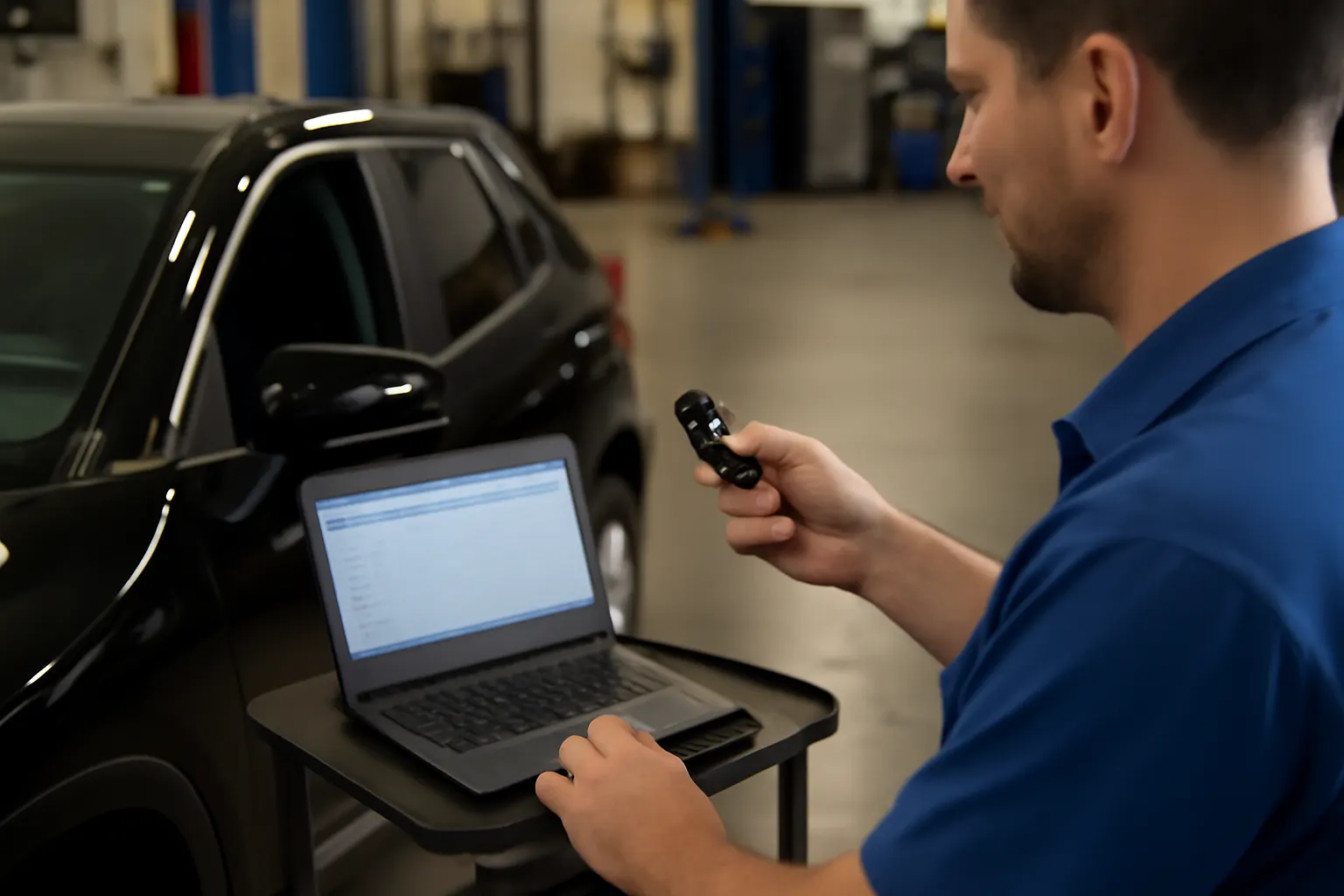
How Keyless Entry Systems Are Changing Vehicle Security
Keyless entry systems, ranging from basic remote key fobs to sophisticated passive entry and push-button start technologies, have become standard in most new vehicles. These systems allow drivers to unlock, lock, and even start their vehicles without physically inserting a key. The immediate benefits include: Enhanced Convenience: No more fumbling for keys—just approach, touch the handle, or press a button. Improved Security: Keyless systems are designed to thwart traditional theft methods, such as lock picking or ignition tampering.
Read More