
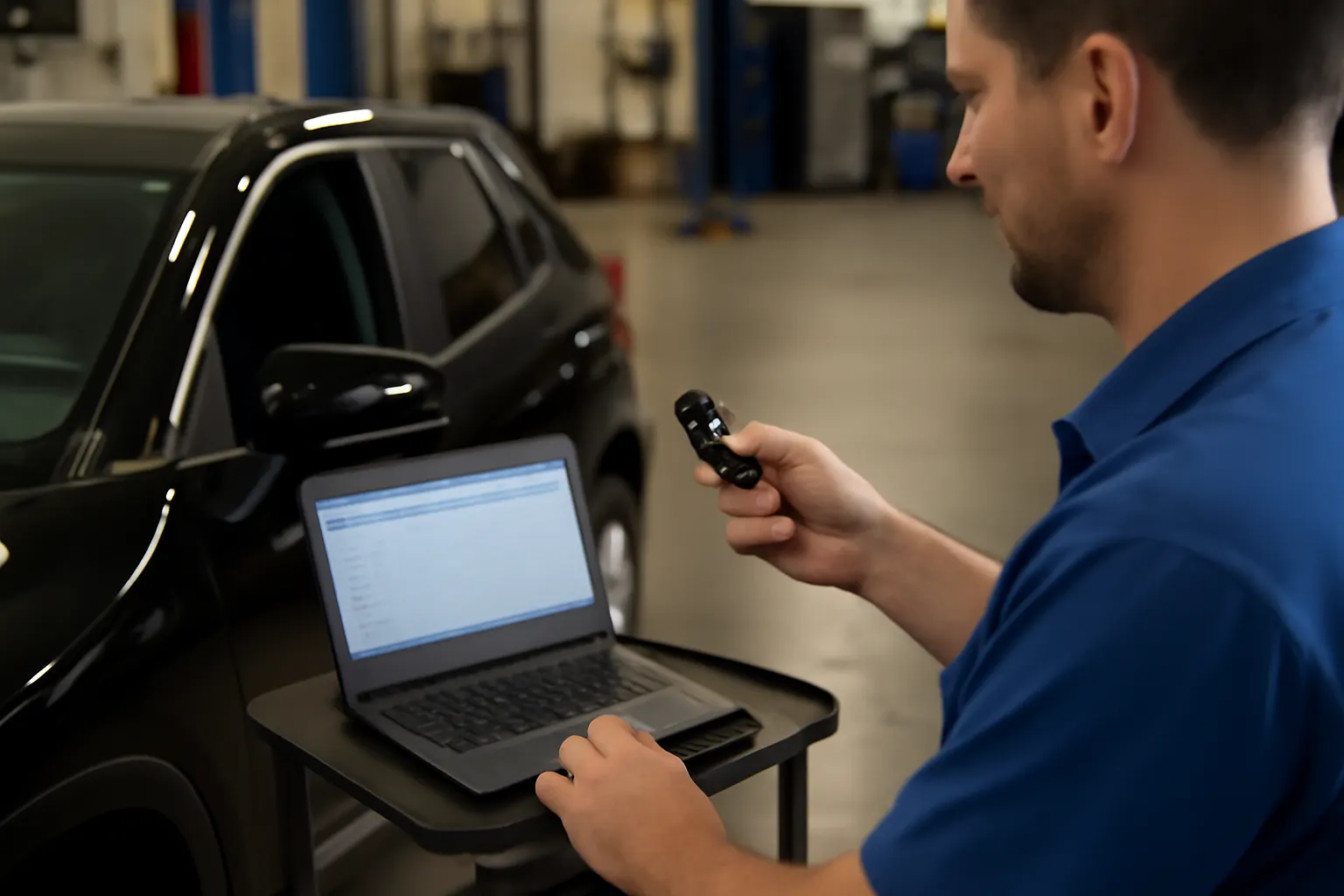
How Keyless Entry Systems Are Changing Vehicle Security
Keyless entry systems have revolutionized vehicle security and convenience, providing owners with seamless access and advanced anti-theft features. But while these systems have reduced traditional lock-picking and hot-wiring incidents, they introduce new vulnerabilities and require fresh approaches to maintenance, diagnostics, and upgrades. In this comprehensive guide, we’ll explore how keyless entry is reshaping the landscape of automotive security, what hidden risks exist, and how vehicle owners and technicians can adapt to stay ahead. If you’re seeking a complete understanding of modern vehicle access, our Keys, Latches, and Locks: The Complete Security and Access Guide is an essential companion resource.
The Immediate Impact: Keyless Entry’s Promise for Security and Convenience
Keyless entry systems, ranging from basic remote key fobs to sophisticated passive entry and push-button start technologies, have become standard in most new vehicles. These systems allow drivers to unlock, lock, and even start their vehicles without physically inserting a key. The immediate benefits include:
- Enhanced Convenience: No more fumbling for keys—just approach, touch the handle, or press a button.
- Improved Security: Keyless systems are designed to thwart traditional theft methods, such as lock picking or ignition tampering.
- Integration with Other Systems: Many keyless entry modules are linked to alarm systems, immobilizers, and vehicle tracking, providing multi-layered protection.
These advancements have set new expectations for vehicle access, influencing both consumer preferences and manufacturer designs.
The Hidden Problem: New Vulnerabilities in Keyless Technology
Despite their apparent advantages, keyless entry systems have introduced a new set of security challenges. While conventional lock-and-key mechanisms were susceptible to brute-force attacks and lock picking, keyless systems can be vulnerable to sophisticated electronic exploits. The main hidden risks include:
- Relay Attacks: Criminals use signal amplifiers to relay the key fob’s signal, tricking the car into unlocking and starting even when the key is far away.
- Signal Jamming: Thieves can block the signal from the key fob, preventing the vehicle from locking and leaving it vulnerable to unauthorized access.
- Key Cloning and Hacking: Advanced hackers can intercept and clone the digital codes transmitted between the key and the vehicle.
These vulnerabilities require a different diagnostic and preventive approach than traditional lock failures, as detailed in our Diagnosing Lock and Latch Failures guide.
Deeper Dive: How Keyless Entry Systems Work
To address the new security challenges, it’s essential to understand the technical underpinnings of keyless entry systems. Most modern vehicles employ one or more of the following technologies:
1. Remote Keyless Entry (RKE)
- How It Works: A key fob transmits a coded radio frequency (RF) signal to a receiver in the vehicle, allowing users to lock or unlock doors at a distance.
- Security Features: Rolling code encryption changes the code with each use, reducing the risk of replay attacks.
2. Passive Keyless Entry (PKE)
- How It Works: The vehicle and the key fob communicate via low-frequency and ultra-high-frequency signals. As the user approaches, the vehicle detects the presence of the fob and unlocks the doors automatically.
- Push-to-Start: Many systems integrate engine immobilizers that only allow the vehicle to start when the correct key is detected inside.
3. Smart Access and Mobile Integration
- Advanced Features: Some vehicles now support smartphone-based access, using Bluetooth Low Energy (BLE), Near Field Communication (NFC), or proprietary apps to unlock and start the vehicle.
Understanding these systems is crucial for effective troubleshooting, maintenance, and upgrades.
The Evolution of Automotive Security: From Mechanical to Digital
The shift from mechanical locks to digital keyless entry marks a significant milestone in automotive security history. Mechanical locks, while vulnerable to physical attacks, were relatively simple to diagnose and repair. Keyless systems, on the other hand, integrate electronics, firmware, and wireless communication protocols that require specialized diagnostic tools and knowledge.
- Mechanical Era: Relied on physical keys, tumblers, and latches. Vulnerable to picking and forced entry.
- Electronic Era: Introduces transponders, rolling codes, and encrypted signals. Requires knowledge of RF systems, encryption standards, and electronic diagnostics.
This evolution has improved security in many respects but also means that a malfunction or security flaw in a keyless system can be more challenging and costly to resolve.
Keyless Entry and Vehicle Safety: Regulatory and Testing Considerations
Keyless entry systems are subject to rigorous safety and equipment standards, as outlined by agencies like the National Highway Traffic Safety Administration (NHTSA). These standards ensure that:
- System Reliability: Keyless entry components must function reliably under a range of environmental conditions.
- Emergency Access: Vehicles must allow for mechanical override or emergency entry in case of system failure or power loss.
- Interoperability: Systems must not interfere with other critical vehicle electronics or safety equipment.
The NHTSA regularly reviews and updates equipment standards to address emerging threats and technology advancements, ensuring that vehicle access systems meet minimum safety benchmarks (NHTSA Equipment).
Common Keyless Entry Failures: Symptoms and Diagnostics
While keyless systems are designed for reliability, failures can and do occur. Recognizing the symptoms and knowing how to diagnose issues is critical for both vehicle owners and technicians.
Common Symptoms
- Unresponsive Key Fob: No response when pressing buttons or approaching the vehicle.
- Intermittent Operation: Keyless functions work sporadically.
- False Alarms: The alarm triggers unexpectedly or fails to activate when expected.
- No Start Condition: The vehicle fails to recognize the key fob and will not start.
Diagnostic Checklist
Use this checklist to systematically diagnose keyless entry issues:
| Step | Diagnostic Action | Tools Needed |
|---|---|---|
| 1 | Check fob battery | Multimeter or spare battery |
| 2 | Test for RF interference | RF signal detector |
| 3 | Inspect for physical damage | Visual inspection |
| 4 | Scan for error codes | OBD-II scanner |
| 5 | Verify antenna and module connections | Technician’s manual, basic hand tools |
| 6 | Attempt reprogramming or pairing | Manufacturer’s instructions, scan tool |
If you encounter persistent failures, consult the vehicle’s service manual or a specialist familiar with electronic security systems.
Security Flaws: Understanding and Mitigating Keyless Entry Risks
Keyless entry systems are not immune to attack. Understanding the most common security flaws and how to mitigate them is essential:
1. Relay Attacks
- How It Works: Attackers use relay devices to extend the signal from your key fob to your car, enabling unauthorized access.
- Mitigation: Store key fobs in RF-shielded (Faraday) pouches when not in use, and consider disabling passive entry features if possible.
2. Signal Jamming
- How It Works: Criminals jam the frequency used by your key fob, preventing your vehicle from locking.
- Mitigation: Always check that the vehicle has locked (visual/audible confirmation) before walking away.
3. Key Cloning
- How It Works: Advanced attackers can intercept and duplicate the digital codes transmitted between the key and the vehicle.
- Mitigation: Regularly update system firmware if your vehicle supports it; some manufacturers issue security patches.
4. App-Based Vulnerabilities
- How It Works: Mobile access apps can be compromised if not properly secured.
- Mitigation: Use strong passwords, enable two-factor authentication, and keep apps updated.
Keyless Entry Maintenance: Best Practices for Reliability and Security
Proper maintenance of keyless entry systems ensures both convenience and security. Here’s how to keep your system in top shape:
Battery and Hardware Care
- Replace key fob batteries annually or at the first sign of reduced range.
- Inspect fob and vehicle antennas for corrosion or damage.
- Clean contacts and buttons on the fob to prevent sticking or misfires.
Software and Firmware Updates
- Check for recalls or service bulletins related to keyless entry vulnerabilities (NHTSA Recalls).
- Visit your dealer or authorized service center to update system firmware as needed.
Physical Security
- Store spare keys and fobs securely, away from entry doors and windows.
- Use mechanical steering wheel locks as a visual and physical deterrent, especially if your vehicle is a known target for electronic theft.
For more lockout prevention tips, see Preventing Lockouts: Maintenance Tips for Keys and Latches.
Retrofitting and Upgrading Keyless Entry Systems
Owners of older vehicles can often retrofit keyless entry systems for added convenience and security. Here’s what to consider:
Compatibility and Sourcing
- Check vehicle wiring diagrams to ensure compatibility with aftermarket keyless entry kits.
- Source components from reputable suppliers who provide clear installation instructions and support.
Installation Steps
- Disconnect the battery before starting the installation.
- Mount the control module securely and away from excessive heat or moisture.
- Connect wiring harnesses according to the manufacturer’s diagrams.
- Test all functions (lock, unlock, trunk release, panic alarm) before reassembling trim panels.
- Program the key fobs as per the kit’s instructions.
Professional vs. DIY Installation
While many kits are marketed for DIY installation, vehicles with integrated alarm or immobilizer systems may require professional programming or calibration to avoid compatibility issues.
OEM vs. Aftermarket Keyless Entry Components
Choosing between original equipment manufacturer (OEM) and aftermarket keyless entry parts can impact system performance, integration, and reliability. Considerations include:
- OEM Advantages: Guaranteed fitment, better integration with vehicle electronics, and access to firmware updates.
- Aftermarket Advantages: Lower cost, broader feature selection, and compatibility with older vehicles.
For a detailed comparison, see OEM vs. Aftermarket: Choosing the Right Lock Components.
Diagnosing Keyless Entry Issues: Advanced Tools and Techniques
Modern keyless entry diagnostics often require specialized tools and knowledge. Here’s how professionals approach troubleshooting:
Diagnostic Tools
- OBD-II Scanners: Used to read body control module (BCM) and immobilizer-related fault codes.
- RF Signal Detectors: Identify if the key fob is transmitting and if there’s interference.
- Dealer-Level Scan Tools: Enable reprogramming, module resets, and firmware updates.
Common Diagnostic Scenarios
- No Communication: Check for blown fuses, damaged wiring, or failed modules.
- Intermittent Operation: Look for sources of RF interference (such as aftermarket electronics or nearby transmitters).
- Key Fob Not Detected: Test with a backup fob; inspect the antenna array; check for low battery voltage.
When to Seek Expert Help
If diagnostics reveal module failures or software corruption, dealership-level service or a qualified automotive locksmith may be required for reprogramming or replacement.
Buying Guide: What to Look for in Keyless Entry Systems and Components
When sourcing replacement or upgrade components for your keyless entry system, use this checklist:
| Factor | What to Look For | Why It Matters |
|---|---|---|
| Compatibility | Matches your vehicle’s year, make, and model | Ensures proper function and fitment |
| Security Features | Rolling codes, encryption, immobilizer integration | Reduces risk of electronic theft |
| Support and Warranty | Clear documentation, support hotline, warranty coverage | Eases installation and troubleshooting |
| Update Capability | Firmware updates available from the manufacturer | Patches security vulnerabilities |
| Regulatory Compliance | Meets NHTSA and SAE standards | Ensures safety and reliability |
Always verify that components are sourced from reputable vendors and, when possible, opt for parts that meet or exceed industry standards (SAE Standards).
The Role of Materials and Design in Keyless Entry Security
The reliability of keyless entry systems is affected not just by electronics, but also by the quality of materials and physical design. According to the Department of Energy, advancements in materials technologies have improved the durability and performance of automotive components, including those used in keys, latches, and locks (Materials Technologies).
- Impact Resistance: Robust housings protect modules from vibration and impact.
- Weatherproofing: Sealed enclosures prevent moisture intrusion, which can cause electrical faults.
- Lightweight Construction: Modern polymers and alloys reduce weight without compromising strength, contributing to overall vehicle efficiency (Fuel Efficiency).
When upgrading or replacing components, prioritize parts that use advanced materials for long-term durability.
Staying Ahead: The Future of Keyless Entry and Vehicle Security
The automotive industry continues to innovate, with biometric authentication, blockchain-based access, and AI-driven threat detection on the horizon. As these technologies mature, vehicle owners and technicians must stay informed about emerging security threats and best practices.
- Biometric Access: Fingerprint or facial recognition may supplement or replace key fobs.
- Cloud-Based Security Updates: Vehicles will increasingly receive over-the-air patches to address vulnerabilities.
- Integrated Vehicle Ecosystems: Keyless entry will be just one part of a broader connected vehicle security suite.
Staying informed about these trends will help you make smart decisions about upgrades, maintenance, and security protocols.
AutoPartEx: Your Trusted Resource for Security and Access Solutions
Navigating the world of keyless entry systems requires up-to-date knowledge, quality components, and practical guidance. AutoPartEx provides comprehensive resources, from technical guides to diagnostic checklists, to help you protect your investment and stay ahead of evolving threats. For a deeper dive into the world of automotive security, explore our Keys, Latches, and Locks: The Complete Security and Access Guide.
Whether you’re a vehicle owner seeking peace of mind or a professional technician facing the latest security challenges, AutoPartEx is your partner in mastering modern vehicle access.
