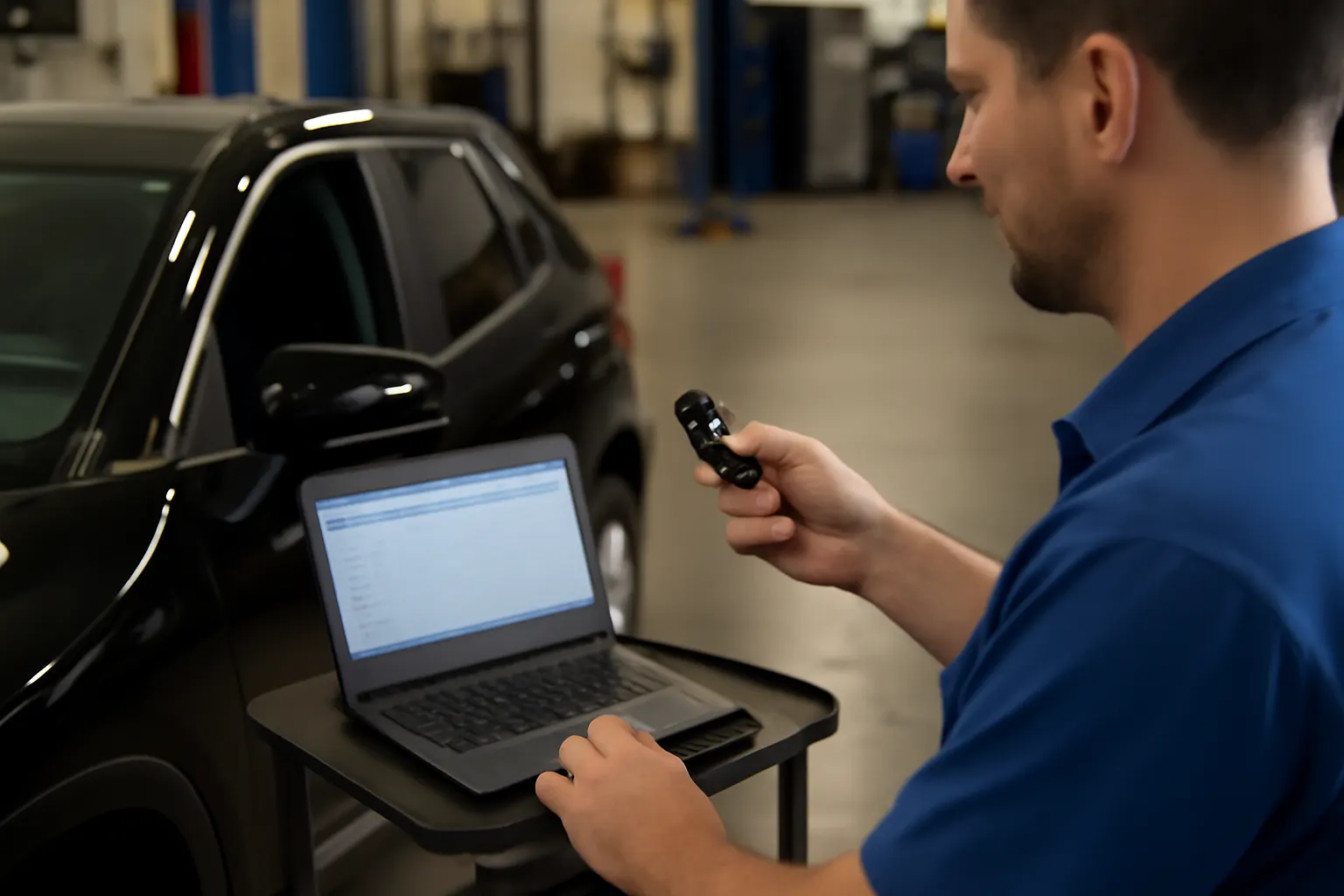
Preventing Lockouts: Maintenance Tips for Keys and Latches
Lockouts are among the most inconvenient and frustrating automotive mishaps, striking at the worst possible moments—whether you’re late to work, stranded in a parking lot, or dealing with harsh weather. The good news: with proper maintenance and a strategic approach to your vehicle’s keys, latches, and locks, you can dramatically reduce the risk of getting locked out. This in-depth guide delivers actionable maintenance tips, diagnostic advice, and practical solutions to keep your vehicle’s access systems reliable all year long. For a broader overview of security and access systems, see our Keys, Latches, and Locks: The Complete Security and Access Guide.
Why Lockouts Happen: The Hidden Vulnerabilities in Vehicle Access Systems
Most drivers assume a lockout is just a fluke—maybe you left your keys inside, or the lock jammed. But behind every lockout lies a web of mechanical, electronic, and human factors. Modern vehicles, with their blend of mechanical keys, remote fobs, and keyless entry systems, offer convenience but also introduce new failure points. Weather, wear, poor maintenance, and even the materials used in lock construction can all contribute to access failures.
Understanding these underlying vulnerabilities is vital. The lock cylinder may seize from corrosion, electronic fobs can fail due to battery or signal issues, and even a slightly bent key can cause a latch to misalign. These issues don’t just lead to inconvenience—they can compromise your vehicle’s safety, as outlined by the National Highway Traffic Safety Administration.
The High Cost of a Simple Lockout
A lockout might seem trivial, but it can lead to cascading problems. Beyond the immediate hassle, you might incur towing fees, locksmith charges, missed appointments, or even damage to your vehicle if you attempt a DIY entry. In winter, a lockout can pose real safety risks due to exposure. For commercial or fleet vehicles, downtime means lost productivity and revenue.
Repeated lockouts or stuck latches can also signal deeper issues—such as failing lock actuators, substandard replacement parts, or electrical faults—that, if left unresolved, could eventually compromise your vehicle’s security or immobilize it entirely.
The Anatomy of Keys, Latches, and Locks: How Failures Occur
To prevent lockouts, it helps to understand how your vehicle’s access systems are designed—and where they’re likely to fail.
Mechanical Keys and Locks:
Traditional keys engage tumblers inside a lock cylinder. Over time, the key or tumblers can wear, corrode, or become misaligned, leading to sticking or failure to turn. Dirt, moisture, or ice can exacerbate these issues.
Remote Key Fobs and Keyless Entry:
Modern fobs use radio signals to communicate with the vehicle. Battery failure, signal interference, or internal circuit damage can prevent unlocking. Some systems also have emergency mechanical keys, but these are often neglected and prone to corrosion.
Latches and Actuators:
Door latches physically secure the door to the frame. Power door lock actuators—small electric motors—move the latch when you press the lock/unlock button. These can fail due to motor burnout, wiring issues, or mechanical jamming.
Materials and Environmental Factors:
According to the U.S. Department of Energy’s Materials Technologies research, advances in lightweight materials can affect the durability and corrosion resistance of lock and latch components. Poor-quality metals are especially vulnerable to rust in humid or salty environments.
Routine Maintenance: Your First Defense Against Lockouts
Preventive maintenance is the most effective way to ensure your keys and latches remain reliable. Here’s a breakdown of essential tasks:
1. Inspect and Clean Keys and Lock Cylinders
- Visual Inspection: Examine keys for bending, cracks, or excessive wear. Damaged keys can deform tumblers or break off inside the lock.
- Cleaning: Use a graphite-based lubricant for lock cylinders. Avoid oil-based products, which attract dirt and gum up mechanisms.
- Key Rotation: Use all provided keys in each lock periodically. This ensures tumblers don’t seize from lack of use.
2. Test Remote Fobs and Batteries
- Battery Replacement: Change fob batteries annually, even if they seem to work. Weak batteries can cause intermittent failures.
- Signal Testing: Check that all doors respond to the fob. If range or reliability drops, have the fob checked for internal faults.
- Spare Fob Maintenance: Store spare fobs with fresh batteries in a safe, accessible location.
3. Lubricate Latches and Hinges
- Latch Care: Spray latches and hinges with a silicone-based lubricant every six months, especially before winter or wet seasons.
- Weatherstripping Inspection: Check seals around doors and trunks. Damaged seals can allow moisture to enter and corrode latches.
4. Power Lock and Actuator Checks
- Function Test: Regularly operate power locks from both the remote and the interior switches. Listen for slow or noisy actuators—a sign of impending failure.
- Child Safety Locks: Test these periodically to ensure they engage and disengage smoothly.
Seasonal Threats: How Weather Impacts Lock and Latch Reliability
Weather is a major culprit in lock and latch failures:
- Winter: Moisture inside lock cylinders can freeze, jamming keys. Salt and road grime accelerate corrosion.
- Summer: Heat can cause plastic fobs to warp and batteries to degrade faster.
- Rain/Humidity: Water ingress leads to rust, especially in older or poorly sealed locks.
Preventive Steps:
- In winter, keep a lock de-icer (not WD-40) in your bag or at home, never inside the car.
- Apply silicone spray to weatherstripping and lock faces before the first freeze.
- After rain or snow, check that all doors and trunk latches operate smoothly.
Diagnosing Early Warning Signs of Lock and Latch Problems
Catching issues early can prevent a lockout and more expensive repairs. Here’s what to watch for:
| Symptom | Possible Cause | Recommended Action |
|---|---|---|
| Key sticks or is hard to turn | Dirt, wear, or corrosion in cylinder | Clean and lubricate, inspect key |
| Remote fob works intermittently | Battery low, internal fault | Replace battery, test fob |
| Door doesn’t unlock with fob or key | Actuator failure, mechanical jam, dead battery | Inspect actuator, check wiring |
| Keyless entry system unresponsive | Signal interference, dead battery | Move location, replace battery |
| Door latch feels loose or doesn’t latch | Worn latch, loose striker, misalignment | Adjust/replace latch |
| Trunk/hatch won’t open | Cable or actuator failure, lock corrosion | Inspect/replace mechanism |
If you experience any of these symptoms, address them promptly. For in-depth troubleshooting, consult our Diagnosing Lock and Latch Failures guide.
Best Practices for Spare Keys and Emergency Access
A single lost or damaged key is the leading cause of lockouts. Here’s how to build redundancy into your access strategy:
- Always Have a Spare: Store a spare key or fob at home, with a trusted friend, or in a secure magnetic hide-a-key box (never in obvious spots on the vehicle).
- Test All Spares: Use each spare periodically to prevent corrosion and ensure functionality.
- Program Extra Fobs: For vehicles with programmable remotes, have at least two working fobs. Many vehicles require one working fob to program additional ones—don’t wait until you have none.
- Emergency Entry Tools: Some vehicles come with mechanical override keys hidden inside the fob; know how to access and use them.
Choosing Quality Replacement Parts: OEM vs. Aftermarket
When replacing keys, locks, or latches, quality matters. Subpar components can accelerate wear or fail prematurely, increasing lockout risk.
- OEM (Original Equipment Manufacturer) Parts:
Designed to meet vehicle-specific standards. Offer the best fit, durability, and compatibility. - Aftermarket Parts:
Can be cost-effective, but quality varies widely. Always choose parts that meet or exceed manufacturer specifications and relevant SAE standards.
For a detailed comparison, see our guide on OEM vs. Aftermarket: Choosing the Right Lock Components.
The Role of Advanced Keyless Entry Systems
Modern vehicles increasingly rely on keyless entry and push-button start systems. While convenient, these systems introduce new lockout scenarios:
- Signal Interference: Nearby electronics or strong radio signals can block fob communication.
- Dead Fob Batteries: If the fob battery dies, some vehicles become completely unresponsive.
- System Malfunctions: Software bugs or sensor failures may prevent recognition of a valid fob.
Prevention:
- Know how to use your vehicle’s manual override (often a physical key inside the fob or a hidden key slot).
- Replace fob batteries proactively.
- Store fobs away from sources of signal interference.
Learn more about evolving security technologies in How Keyless Entry Systems Are Changing Vehicle Security.
Maintenance Checklist: Keeping Keys and Latches Reliable
Here’s an actionable checklist to keep your access systems in top condition:
Monthly:
- Inspect all keys for wear or damage.
- Test all door locks and trunk/hatch releases.
- Check fob battery strength (most fobs emit a signal light).
Seasonally:
- Lubricate lock cylinders and latches with graphite or silicone spray.
- Clean dirt and debris from around door handles and keyholes.
- Inspect weatherstripping and seals.
Annually:
- Replace remote fob batteries.
- Test all spare keys and fobs for functionality.
- Inspect power lock actuators for noise or sluggish operation.
As Needed:
- Replace any worn or bent keys immediately.
- Address any sticking, jamming, or unresponsive locks without delay.
When to Replace vs. Repair: Making the Right Call
Not all lock or latch issues require a full replacement. Here’s how to decide:
- Repair:
Minor sticking, light corrosion, or slow actuators can often be addressed with cleaning, lubrication, or small part replacement. - Replace:
Severely worn keys, broken fobs, heavily corroded cylinders, or failed actuators typically require full replacement. Always use high-quality parts and follow vehicle-specific installation procedures.
If you’re unsure, consult a qualified automotive locksmith or technician, especially for modern vehicles with integrated security systems.
Avoiding DIY Pitfalls: When Professional Help Is Essential
While many maintenance tasks are DIY-friendly, some repairs are best left to professionals:
- Electronic Key Programming:
Many late-model vehicles require specialized equipment to program new keys or fobs. - Lock Cylinder Re-keying:
To maintain security, have new cylinders keyed to match your existing set. - Complex Actuator or Latch Replacement:
Door panels and interior trim can be tricky to remove without damage.
Attempting advanced repairs without proper tools or knowledge can damage sensitive electronics or compromise your vehicle’s security.
The Impact of Lock and Latch Health on Vehicle Safety
Reliable locks and latches are not just about convenience—they’re essential safety equipment. Faulty door latches can fail in a crash, increasing injury risk. The NHTSA emphasizes that all vehicle access systems must function correctly to meet federal safety standards.
Regular maintenance and prompt repairs ensure your vehicle’s doors, trunk, and hatch remain secure during normal driving and emergencies alike.
Sourcing the Right Parts: Fitment, Quality, and Compatibility
When sourcing replacement keys, locks, or latches, consider:
- Vehicle Make, Model, and Year:
Even minor differences between model years can affect fitment. - Part Numbers and Cross-References:
Use manufacturer part numbers or trusted databases to verify compatibility. - Material Quality:
Look for corrosion-resistant metals and robust actuator components. - Supplier Reputation:
Choose suppliers with a track record of quality and customer support.
AutoPartEx offers a comprehensive selection of keys, latches, and lock components for all major brands, including Acura, AMC, and Alfa. Our fitment tools and technical resources help ensure you get the right part the first time.
AutoPartEx: Your Partner in Preventing Lockouts
At AutoPartEx, we understand that vehicle access is about more than just convenience—it’s about safety, security, and peace of mind. Our technical resources, including the Keys, Latches, and Locks: The Complete Security and Access Guide, are designed to help you maintain and upgrade your vehicle’s access systems with confidence.
Whether you’re looking for diagnostic tips, high-quality replacement parts, or expert installation guidance, AutoPartEx is here to help you stay one step ahead of lockouts and keep your vehicle secure.
Take Action: Expert Steps for Lockout Prevention
- Inspect and maintain your keys, locks, and fobs regularly.
- Address early warning signs before they become emergencies.
- Invest in quality replacement parts and professional installation when needed.
- Stay informed with trusted resources like AutoPartEx for the latest in automotive access technology.
Don’t wait for a lockout to disrupt your day or compromise your safety. With proactive care and the right support, you can keep your vehicle accessible—and yourself in control—year-round.
References
- Vehicle Safety and Equipment – National Highway Traffic Safety Administration
- Materials Technologies – United States Department of Energy
- SAE Standards – SAE International