
Chevy Intake Manifold
Chevy Intake Manifold: What to Know Before You Buy or Replace
Many Chevy owners overlook how the intake manifold affects performance and reliability. Before replacing or upgrading this component, it’s crucial to understand the factors that set different manifolds apart and how to verify compatibility. This guide walks you through specific considerations, practical steps, and published evidence to help you make an informed decision about Chevy intake manifolds.
Advertisement


Advertisement
More Chevy Intake Manifold options
Filtering for Chevy • Intake ManifoldScan nearby Chevy intake manifold inventory without leaving this page.
No Data Available
Please check back soon when more inventory is available for this part.
Advertisement
Why Intake Manifold Choices Matter More Than You Think
When considering engine performance upgrades or routine repairs, the intake manifold is often overshadowed by more visible components like spark plugs or air filters. Yet, this part plays a pivotal role in how your Chevy’s engine breathes and delivers power. Many drivers don’t realize that even a small mismatch in manifold design or fitment can lead to subtle but persistent drivability issues. These problems might not immediately trigger warning lights, making them easy to overlook until they affect fuel economy or acceleration.
The intake manifold’s job is to distribute air (and sometimes fuel) evenly to each cylinder. Its design and condition directly impact combustion efficiency, throttle response, and even emissions. For Chevy vehicles, especially those with a long production history and multiple engine options, intake manifold selection isn’t just about finding a part that bolts on. It’s about ensuring the right airflow characteristics and physical compatibility for your specific engine code and model year.
Many owners searching for a replacement or upgrade focus on part numbers or visual similarity. However, underlying differences—such as port shape, sensor locations, or material composition—can affect both installation and performance. Taking time to understand these distinctions can save you from repeated repairs, wasted money, or disappointing results. This guide will help you recognize what really matters when choosing a Chevy intake manifold and how to make a confident, evidence-based decision.

Understanding Intake Manifold Issues in Chevy Vehicles
Intake manifold problems can manifest in a variety of ways, from rough idling and misfires to coolant leaks and reduced fuel efficiency. In some Chevy models, these symptoms may develop gradually, making it difficult to pinpoint the manifold as the root cause. Owners may notice a decline in performance or an increase in engine noise, but without visible cracks or leaks, the intake manifold is often not the first suspect. This can lead to unnecessary part replacements or misdiagnosis.
The complexity of Chevy’s engine lineup adds another layer of challenge. Over the years, Chevy has produced numerous engines with different intake manifold designs, even within the same vehicle model. For example, a 5.3L V8 and a 6.0L V8 might share similar external dimensions but require different manifolds due to variations in port alignment, EGR passages, or sensor mounting points. Relying solely on general model-year compatibility can result in improper fitment or performance issues.
Another overlooked issue is the use of incorrect or low-quality replacement manifolds. Aftermarket options may promise universal fit, but subtle differences in casting quality, gasket surfaces, or integrated components can affect long-term reliability. In some cases, using a salvage manifold from a different engine variant can introduce compatibility problems that are not immediately apparent. Owners may only discover these issues after installation, when drivability problems persist or new leaks develop.
The intake manifold also interacts with other engine systems, such as the PCV (positive crankcase ventilation) and EGR (exhaust gas recirculation) systems. If these connections are not properly matched, it can result in vacuum leaks, poor emissions performance, or even engine damage over time. For Chevy engines with plastic manifolds, age-related cracking or warping is a known concern, especially in regions with extreme temperature fluctuations. Recognizing the signs early and verifying the correct replacement is essential for reliable operation.
Many Chevy owners are unaware that intake manifold issues can also be safety-related. While not every manifold problem leads to a recall, some defects—such as those causing coolant leaks near ignition sources—have prompted manufacturer action in the past. It’s important to check for open recalls or technical service bulletins before replacing a manifold, as some repairs may be covered by the manufacturer. However, recall databases do not guarantee that every issue is documented or that your specific vehicle is affected.
Finally, the process of diagnosing intake manifold problems requires more than a visual inspection. Symptoms can overlap with other engine issues, such as faulty sensors or ignition components. A thorough diagnostic approach—using vacuum testing, smoke machines, or manufacturer-specific scan tools—can help isolate the manifold as the source of trouble. Skipping these steps may result in unnecessary parts replacement or unresolved engine problems, underscoring the importance of careful evaluation before purchasing a new or used manifold.
How to Select, Diagnose, and Replace a Chevy Intake Manifold
The first step in addressing intake manifold issues is to confirm the diagnosis. Begin by documenting all symptoms, such as rough idle, loss of power, or coolant loss. Use a scan tool to check for diagnostic trouble codes related to air/fuel mixture, misfires, or EGR flow. If codes are present, compare them with known intake manifold failure patterns for your specific Chevy engine. If no codes appear, perform a visual inspection for cracks, gasket leaks, or signs of warping, especially around the mounting surfaces and coolant passages.
If the visual and electronic diagnostics are inconclusive, consider a vacuum leak test. A simple method involves spraying carburetor cleaner around the manifold gaskets and listening for changes in engine idle. More advanced shops use smoke machines to detect even minor leaks. If a leak is confirmed, determine whether it originates from the manifold itself, the gaskets, or related components like the PCV or EGR connections. This step is crucial for avoiding unnecessary manifold replacement when a gasket or hose is the true culprit.
Once the intake manifold is identified as the source of the problem, gather all relevant vehicle information before shopping for a replacement. This includes the VIN, engine code, and production date, as minor changes may occur within a single model year. Use this information to cross-reference part numbers and verify compatibility. Avoid relying solely on visual similarity or generic fitment charts, as these may overlook subtle but critical differences in port shape, mounting bosses, or integrated sensors.
When comparing replacement options, consider the type of part you need. New manifolds offer the highest reliability but may be costly. Remanufactured or rebuilt manifolds are typically cleaned, inspected, and fitted with new gaskets or hardware, offering a balance between cost and quality. Salvage manifolds, sourced from other vehicles, can be a budget-friendly option but require careful inspection for wear, cracks, or corrosion. The FTC advises confirming the part’s condition and understanding the terms of sale, as warranties vary widely between sellers FTC: Auto Repair Basics.
If you opt for a salvage or used manifold, request detailed photographs and, if possible, a written assessment of the part’s condition. Check for signs of previous repairs, such as epoxy patches or non-original hardware. Ask the seller about the donor vehicle’s mileage and service history, as high-mileage manifolds may be more prone to future failure. For complicated or expensive repairs, the FTC recommends seeking a second opinion or consulting a technician with experience in your specific Chevy model FTC: Auto Repair Basics.
Before installation, compare the replacement manifold side-by-side with the original. Verify that all mounting points, ports, and sensor locations match exactly. Clean the mating surfaces thoroughly and use new gaskets, as reusing old seals can lead to leaks. Follow the manufacturer’s torque specifications and tightening sequence to avoid warping the manifold during installation. If your Chevy uses a plastic manifold, inspect for hairline cracks or heat damage before proceeding.
After installation, perform a post-repair inspection and test drive. Monitor for any signs of vacuum leaks, coolant loss, or check engine lights. Use a scan tool to verify that all sensors are functioning correctly and that no new codes have appeared. Keep a copy of the repair order, including part numbers and labor details, for future reference. This documentation can be valuable if warranty issues arise or if further troubleshooting is needed down the line.
Finally, check for open recalls or technical service bulletins related to the intake manifold on your specific Chevy model. The NHTSA provides a free VIN lookup tool to identify unrepaired safety recalls NHTSA: Vehicle Recalls. While not all intake manifold issues are subject to recall, this step ensures you are aware of any manufacturer-backed remedies or safety concerns. Staying informed and following a structured approach helps ensure a successful repair and long-term reliability for your Chevy.
What the Published Evidence and Guidance Show
The Federal Trade Commission’s consumer guidance on auto repairs emphasizes the importance of obtaining a written repair estimate and understanding the parts being used. The FTC distinguishes between new, remanufactured, and salvage parts, noting that salvage parts come from another vehicle without alteration. This is particularly relevant when sourcing a used Chevy intake manifold, as buyers should ensure the part’s origin and condition are clearly documented. The FTC also advises getting a completed repair order listing the work performed, parts installed, and associated costs. This documentation protects consumers in the event of disputes or warranty claims and ensures transparency throughout the repair process FTC: Auto Repair Basics.
The FTC further recommends comparing shop recommendations with the manufacturer’s maintenance schedule, found in the owner’s manual. This helps Chevy owners avoid unnecessary repairs or upsells when addressing intake manifold issues. For complicated repairs, such as intake manifold replacement, the FTC suggests seeking a second opinion and confirming that the technician has experience with the specific make and model. This guidance is especially pertinent for Chevy vehicles, given the variety of engine configurations and manifold designs. Following these steps reduces the risk of misdiagnosis and ensures the repair addresses the actual problem FTC: Auto Repair Basics.
The National Highway Traffic Safety Administration (NHTSA) provides a comprehensive recall database that allows consumers to check for open recalls related to their vehicle’s intake manifold or associated components. By entering the VIN, owners can determine if their Chevy is subject to any manufacturer-issued safety recalls. However, the NHTSA cautions that recall searches by year, make, and model yield only general results and do not confirm that a specific vehicle is affected. Additionally, recalls that have already been repaired or are more than 15 years old may not appear in the database. Therefore, while the NHTSA tool is a valuable resource, it should be used in conjunction with other diagnostic and verification steps NHTSA: Vehicle Recalls.
NHTSA’s recall process highlights the importance of manufacturer communication and owner responsibility. When a safety-related defect is identified, manufacturers are required to notify registered owners by mail and provide a remedy, which may include repair, replacement, or refund. For Chevy intake manifolds, this means that certain defects—such as those leading to coolant leaks or fire risks—may be addressed at no cost if covered by a recall. However, not all manifold issues are safety-related or subject to recall, so owners should not assume coverage without verification through the official NHTSA database NHTSA: Vehicle Recalls.
Neither the FTC nor the NHTSA provides technical specifications or detailed repair instructions for Chevy intake manifolds. Instead, their guidance focuses on consumer rights, transparency, and safety. This means that while these sources offer valuable frameworks for making informed decisions, they do not replace the need for vehicle-specific repair manuals or professional diagnostic tools. Chevy owners should supplement this general advice with model-specific documentation and, when necessary, consult experienced technicians to ensure proper fitment and installation.
It is also important to recognize what the published evidence does not establish. Neither the FTC nor NHTSA sources provide statistics on Chevy intake manifold failure rates, typical repair costs, or owner satisfaction. They do not guarantee part compatibility or endorse specific sellers. As such, buyers should use these resources to inform their process but rely on direct inspection, part number verification, and professional assessment to confirm suitability. This approach minimizes the risk of purchasing an incompatible or faulty manifold.
In summary, the evidence supports a methodical, consumer-focused approach to intake manifold replacement. By leveraging FTC guidance on repair transparency and NHTSA resources for recall awareness, Chevy owners can navigate the complexities of part selection and installation with greater confidence. However, the ultimate responsibility for ensuring compatibility and quality rests with the buyer, underscoring the need for careful verification and documentation at every step.
Take the Next Step for Reliable Chevy Intake Manifold Service
If you’re considering a Chevy intake manifold replacement or upgrade, start by gathering your vehicle’s VIN and engine details. Use trusted resources to check for recalls, and always request clear documentation from sellers or repair shops. Compare part options carefully, and don’t hesitate to seek a second opinion for complex repairs. By following these evidence-based steps, you’ll maximize the reliability and performance of your Chevy while protecting your investment.
References
- NHTSA: Vehicle Recalls
- FTC: Auto Repair Basics
References
- NHTSA: Vehicle Recalls - NHTSA, accessed 2026-11-01
- FTC: Auto Repair Basics - FTC, accessed 2026-11-01
Related Guides & Articles

How to Spot Counterfeit Chevy Parts
Counterfeit Chevy parts can jeopardize your vehicle's safety, reliability, and performance. Whether you're shopping for a replacement alternator, brake pads, or sensors, identifying fakes before you buy is crucial. This guide delivers immediate visual clues, packaging tips, and real-world examples to help you confidently distinguish genuine from counterfeit Chevy components—protecting both your investment and your safety.
Read More
Chevy Service Intervals Explained
Build a Chevrolet maintenance plan from the correct owner’s manual, service history and dashboard messages. Learn how oil-life reminders differ from oil-pressure warnings, how mileage and elapsed time affect a service decision, and why gasoline and electric vehicles need different schedules. Use the checklist to discuss a clear, itemized plan with your repairer.
View Guide
Common Intake Manifold Failures and How to Prevent Them
Intake manifold failures are a frequent cause of engine performance issues, loss of efficiency, and even significant engine damage if left unaddressed. Understanding the most common intake manifold problems—and, more importantly, how to prevent them—can save you time, money, and frustration, whether you’re a DIY enthusiast or a professional technician.
Read More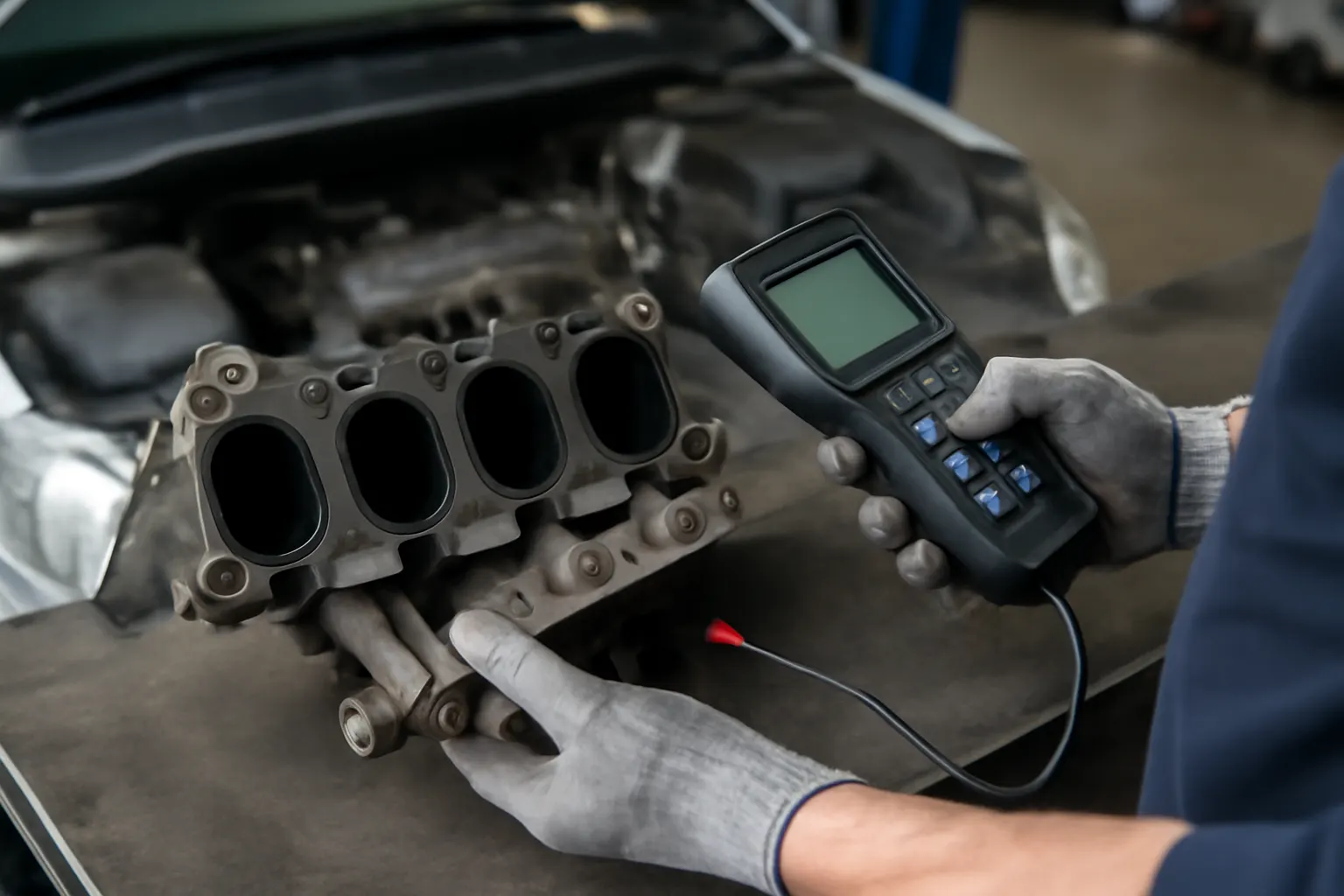
Common Intake Manifold Failures and How to Prevent Them
Intake manifolds are critical to engine performance, efficiency, and long-term reliability. Yet, they’re among the most overlooked components when it comes to routine maintenance and diagnosis. If you’re experiencing rough idle, loss of power, coolant leaks, or unexplained check engine lights, your intake manifold could be the culprit. In this guide, you’ll learn the most common intake manifold failures, why they happen, and—most importantly—how to prevent them for years of dependable operation.
Read More