
Chevy Headlight Motor
Chevy Headlight Motor: Selection, Issues, and Evidence-Based Guidance
Many Chevy owners overlook the subtle signs of headlight motor issues until nighttime visibility or vehicle aesthetics are compromised. Understanding what sets a quality headlight motor apart and how to approach repairs can save time, money, and frustration. This page highlights the often-missed considerations, technical context, and evidence-based steps for selecting and servicing Chevy headlight motors, giving you the confidence to make informed decisions.
Advertisement


Advertisement
More Chevy Headlight Motor options
Filtering for Chevy • Headlight MotorScan nearby Chevy headlight motor inventory without leaving this page.
No Data Available
Please check back soon when more inventory is available for this part.
Advertisement
Why Chevy Headlight Motor Issues Are Often Overlooked
When considering vehicle lighting, most Chevy owners focus on bulbs, lenses, or wiring, rarely suspecting the headlight motor until a failure becomes obvious. The headlight motor, responsible for raising and lowering retractable headlights on certain Chevy models, operates quietly behind the scenes. Its gradual decline can go unnoticed, resulting in unexpected inconvenience or safety issues. Many drivers are unaware that slow, noisy, or inconsistent headlight operation may signal early motor wear, not just a cosmetic concern.
Another overlooked aspect is the impact of environmental exposure and age on the headlight motor’s internal components. Moisture, road debris, and temperature fluctuations can accelerate deterioration, especially in older Chevys with pop-up headlamps. Owners may attribute sluggish movement to battery weakness or switch problems, misdiagnosing the true source. This leads to repeated troubleshooting of unrelated parts, delaying effective repairs and potentially increasing costs.
Additionally, the availability of replacement headlight motors varies widely by model and year, making it easy to assume that any used or aftermarket part will suffice. However, subtle differences in mounting, electrical connectors, and gear ratios can affect fitment and performance. Without careful comparison and evidence-based selection, buyers risk purchasing incompatible or unreliable components. Recognizing these overlooked factors is the first step toward a reliable repair and restored headlight function.

Understanding the Real Issues with Chevy Headlight Motors
Chevy headlight motors are subject to unique stresses compared to other vehicle components. Their intermittent use—often only at dusk or dawn—means problems can develop slowly and remain hidden for months. When the motor begins to fail, symptoms may include grinding noises, partial movement, or headlights that remain stuck in the up or down position. These issues are more than cosmetic; malfunctioning headlight motors can impair nighttime driving safety and may violate local vehicle regulations.
The technical challenge lies in accurately diagnosing the source of headlight movement problems. Many Chevys with retractable headlights use a combination of relays, limit switches, and wiring harnesses in addition to the motor itself. A failure in any of these components can mimic motor failure. Without a systematic approach, owners may replace the motor unnecessarily or overlook a simple electrical fault. This complexity underscores the importance of a thorough inspection before selecting replacement parts.
Environmental factors further complicate the diagnosis. Headlight motors are often exposed to water intrusion, road salt, and vibration, which can corrode internal gears or short circuit electrical connections. Over time, these conditions can cause intermittent operation or complete failure. In some cases, the motor may operate but lack the torque to fully raise or lower the headlight assembly, leading to inconsistent performance that is difficult to reproduce during troubleshooting.
Another issue is the variability in parts quality and compatibility across the Chevy lineup. Not all headlight motors are interchangeable, even among vehicles of the same model year. Differences in mounting brackets, wiring connectors, and internal gearing mean that a motor from one Corvette or Camaro may not fit another. This lack of standardization increases the risk of purchasing an incompatible part, especially when relying on salvage or aftermarket sources without detailed comparison.
Owners seeking to save money may consider used or salvage headlight motors. While this can be cost-effective, it introduces uncertainty regarding the part’s history and remaining lifespan. Salvage motors may exhibit hidden wear or internal corrosion, leading to premature failure after installation. Without documentation or a clear return policy, buyers may find themselves repeating the repair process sooner than expected. This risk highlights the value of careful inspection and evidence-based selection.
Finally, awareness of recall and safety information is crucial. While headlight motor failures are rarely subject to large-scale recalls, the National Highway Traffic Safety Administration (NHTSA) provides a resource for checking whether a specific Chevy vehicle is affected by open recalls. However, a recall lookup does not confirm a defect in every vehicle, nor does it guarantee that a replacement motor will resolve the issue. Understanding the scope and limitations of recall information is essential for informed decision-making.
Practical Steps for Diagnosing and Selecting a Chevy Headlight Motor
Begin with a systematic diagnosis before purchasing a replacement headlight motor. Start by observing the headlight operation: note any unusual noises, hesitation, or incomplete movement. Test the headlight switch and verify that fuses and relays are functioning. If the headlight motor does not respond, use a multimeter to check for voltage at the motor’s electrical connector while operating the switch. This helps distinguish between electrical supply issues and motor failure.
If power reaches the motor but it fails to operate or moves sluggishly, internal wear or corrosion is likely. Remove the headlight assembly for closer inspection. Look for signs of water intrusion, rust, or damaged gears inside the motor housing. If the motor operates intermittently, inspect the wiring harness and connectors for corrosion or loose contacts. Document your findings and compare them with manufacturer service information or reputable repair guides for your specific Chevy model and year.
When selecting a replacement headlight motor, carefully compare part numbers, mounting configurations, and electrical connectors. Salvage motors can be a budget-friendly option, but confirm that the donor vehicle matches your Chevy’s model, year, and trim. Inspect the salvage motor for visible wear, corrosion, and smooth manual rotation of the output shaft. If possible, request a functional test before purchase. For aftermarket motors, review product specifications and customer feedback for compatibility and reliability.
Request a written repair estimate from your chosen shop, detailing the condition to be repaired, the parts needed, and the anticipated labor charges. The Federal Trade Commission (FTC) recommends this approach for all auto repairs, especially when considering used or rebuilt components. For complex or costly repairs, consider seeking a second opinion to confirm the diagnosis and ensure that the proposed solution addresses the root cause of the headlight issue. This step can prevent unnecessary expenses and ensure a lasting repair.
Ask the technician or seller whether they have experience with Chevy headlight motors, particularly for your model and year. The FTC advises consumers to inquire about the origin of replacement parts—whether new, remanufactured, or salvage. Salvage parts, as defined by the FTC, come from another vehicle without alteration and may have unknown wear. Understanding the part’s history and any available warranty or return policy can help manage expectations regarding longevity and performance.
After installation, request a completed repair order that lists the work performed, parts used, total cost, and odometer reading. This documentation is valuable for future reference and may support warranty claims if issues arise. Compare the shop’s recommendations with the manufacturer’s maintenance schedule in your owner’s manual, and ask for clarification if additional services are suggested. This ensures that you receive only necessary repairs and helps maintain your Chevy’s value and reliability.
If you are performing the repair yourself, document each step and keep receipts for all parts purchased. Take photographs of the original and replacement motors, noting any differences in design or condition. This record can assist with troubleshooting if problems persist and may be useful if you need to return a part or seek technical support. Use only reputable sources for service information and avoid inferring compatibility based solely on catalog listings or seller claims.
Finally, check the NHTSA recall database using your vehicle’s VIN to determine if there are any open recalls related to the headlight motor or associated electrical systems. While recalls for headlight motors are uncommon, this step ensures that you address any outstanding safety issues at no cost. If your vehicle is not subject to a recall, proceed with the evidence-based repair steps outlined above. This comprehensive approach minimizes the risk of repeated failures and maximizes the reliability of your Chevy’s headlight system.
What the Evidence and Official Guidance Establish
The National Highway Traffic Safety Administration (NHTSA) provides a comprehensive recall database for US vehicles, including Chevys. According to the NHTSA, recall searches by VIN reveal whether a specific vehicle has any unrepaired recalls, including those related to lighting or electrical equipment. However, the NHTSA explicitly notes that searching by make and model yields only general results, not confirmation of a defect in a particular vehicle. This means that while the recall database is a valuable tool, it does not guarantee that your Chevy’s headlight motor is subject to a recall or that a replacement motor will resolve all issues. Owners should use the VIN-based search to obtain the most accurate information for their vehicle and follow manufacturer notifications for free repairs if a recall is present. NHTSA: Vehicle Recalls
The NHTSA also outlines the recall process, emphasizing that most recalls are initiated voluntarily by manufacturers when a safety-related defect is identified. Owners are notified by mail and instructed to contact their dealership for a free remedy. The NHTSA monitors recall management to ensure effective communication and resolution. Importantly, recalls more than 15 years old may not appear in the database, and not all safety issues result in recalls. Therefore, the absence of a recall does not guarantee that a headlight motor is free from defects or immune to failure. This underscores the need for proactive inspection and evidence-based selection when servicing headlight motors. NHTSA: Vehicle Recalls
The Federal Trade Commission (FTC) offers general consumer guidance on auto repairs, recommending that owners obtain written repair estimates and clarify the type of parts to be used—new, remanufactured, or salvage. The FTC distinguishes salvage parts as those removed from another vehicle without alteration, noting that their condition and longevity may be uncertain. This advice is particularly relevant for Chevy headlight motors, as many replacement options are sourced from salvage vehicles. The FTC’s guidance does not guarantee fitment or performance but encourages consumers to ask about part origin, warranty, and technician experience to make informed decisions. FTC: Auto Repair Basics
The FTC further advises comparing shop recommendations with the manufacturer’s maintenance schedule and seeking a second opinion for expensive or complex repairs. This approach is especially useful when headlight motor issues are difficult to diagnose or when multiple components may be involved. The FTC’s recommendations are based on general repair principles and do not provide vehicle-specific technical specifications. However, they support the practice of thorough documentation, clear communication with repair shops, and careful evaluation of replacement parts—key steps for successful Chevy headlight motor repairs. FTC: Auto Repair Basics
Neither the NHTSA nor the FTC provides specific technical data or failure statistics for Chevy headlight motors. As such, buyers should avoid assuming that a part is compatible or reliable based solely on catalog listings or seller descriptions. Instead, the evidence supports a comparison-based approach: verify part numbers, inspect physical condition, and request documentation or a functional test when possible. This method reduces the risk of purchasing an incompatible or worn-out motor and aligns with official consumer protection guidance.
The supplied example seller photograph of a Chevy Corvette headlight motor illustrates the type of part commonly available from salvage or used parts dealers. While the image provides a visual reference for potential buyers, it does not establish compatibility with other Chevy models or guarantee the condition of the part. Buyers should use such photographs as a starting point for comparison, checking for matching mounting points, connectors, and overall design with their original equipment before purchase. This visual inspection complements the evidence-based steps outlined above.
In summary, the published evidence establishes that Chevy headlight motor repairs require a combination of systematic diagnosis, careful part selection, and reliance on official recall and consumer guidance. While no source provides model-specific failure rates or guaranteed outcomes, the NHTSA and FTC offer frameworks for informed decision-making and risk management. By following these steps and documenting each stage of the repair, owners can maximize the reliability and longevity of their Chevy’s headlight system while minimizing the risk of repeated failures or unnecessary expenses.
Take the Next Step Toward Reliable Headlight Repairs
Ready to address your Chevy headlight motor issue? Start by gathering your vehicle’s VIN, reviewing the NHTSA recall database, and documenting your current headlight symptoms. Use the practical steps and evidence-based guidance above to diagnose the problem, compare replacement options, and communicate clearly with your repair shop or parts supplier. For more information on available parts and technical resources, visit our Chevy Headlight Motor category page. Take control of your repair process and restore your vehicle’s lighting performance with confidence.
References
- NHTSA: Vehicle Recalls
- FTC: Auto Repair Basics
References
- NHTSA: Vehicle Recalls - NHTSA, accessed 2026-11-01
- FTC: Auto Repair Basics - FTC, accessed 2026-11-01
Related Guides & Articles

How to Spot Counterfeit Chevy Parts
Counterfeit Chevy parts can jeopardize your vehicle's safety, reliability, and performance. Whether you're shopping for a replacement alternator, brake pads, or sensors, identifying fakes before you buy is crucial. This guide delivers immediate visual clues, packaging tips, and real-world examples to help you confidently distinguish genuine from counterfeit Chevy components—protecting both your investment and your safety.
Read More
Chevy Service Intervals Explained
Build a Chevrolet maintenance plan from the correct owner’s manual, service history and dashboard messages. Learn how oil-life reminders differ from oil-pressure warnings, how mileage and elapsed time affect a service decision, and why gasoline and electric vehicles need different schedules. Use the checklist to discuss a clear, itemized plan with your repairer.
View Guide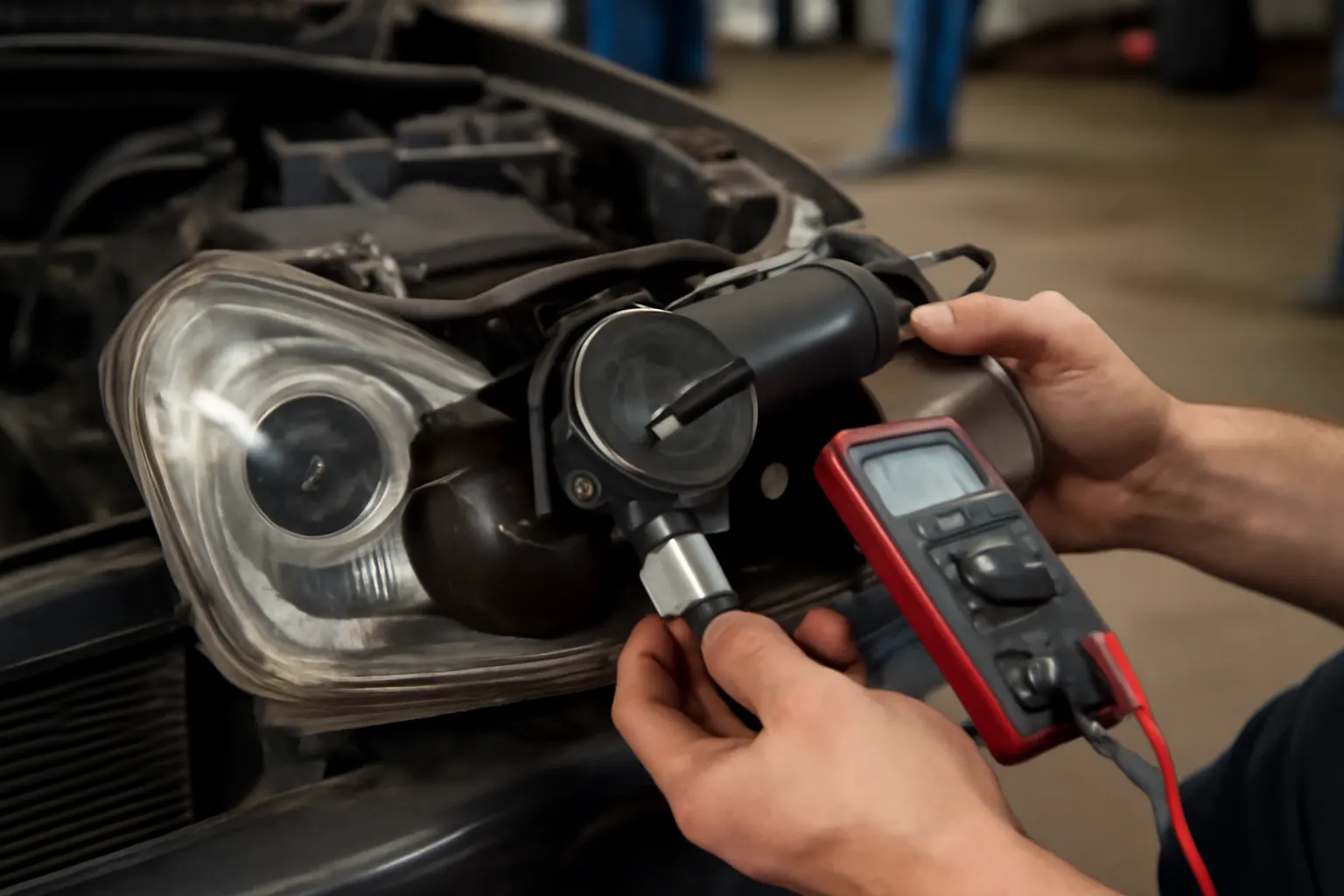
Common Headlight Motor Issues
When your Toyota’s headlight motors start acting up—whether they’re stuck, noisy, or fail to lift and retract—it’s more than a minor annoyance. Malfunctioning headlight motors can compromise nighttime visibility, vehicle safety, and even result in failed vehicle inspections. This in-depth guide draws on real-world shop data and expert diagnostics to help Toyota owners and technicians identify, understand, and resolve the most common headlight motor issues.
Read More
The Evolution of Adaptive Headlight Systems
Modern vehicles are equipped with lighting systems that do more than illuminate the road—they adapt to driving conditions, improve safety, and integrate with advanced vehicle electronics. The evolution from pop-up headlight motors to today’s adaptive headlight systems marks a significant leap in automotive technology. In this deep-dive, we’ll trace the journey from simple mechanical actuators to complex, sensor-driven lighting modules, explain the technical challenges automakers have faced, and provide actionable guidance for diagnosis, maintenance, and upgrades.
Read More