
Chevy CD Player/Radio
What to Know Before Replacing a Chevy CD Player/Radio
A Chevy CD Player/Radio may seem like a simple component, but its replacement involves more than just swapping parts. Overlooking essential details can lead to compatibility issues or unexpected costs. This guide highlights what every Chevy owner should consider before replacing their CD Player/Radio, offering practical steps and evidence-based advice to ensure a smooth and informed upgrade or repair experience.
Advertisement
Showing 8 of 239 Chevy cd player/radio parts


Advertisement
More Chevy CD Player/Radio options
Filtering for Chevy • CD Player/RadioScan nearby Chevy cd player/radio inventory without leaving this page.
No Data Available
Please check back soon when more inventory is available for this part.
Advertisement
Why Chevy CD Player/Radio Replacement Deserves a Closer Look
Many Chevy owners rarely think about their vehicle’s CD Player/Radio until it malfunctions or fails completely. Yet, this component is often integral to daily driving comfort and connectivity, especially in models where the radio interfaces with security or vehicle information systems. Ignoring the nuances of replacement can lead to unexpected headaches, from fitment problems to loss of certain vehicle features.
It’s easy to assume that any CD Player/Radio labeled for Chevy will fit your specific model. However, subtle differences in wiring, dash design, and integration with other electronics can make a direct swap more complicated. These overlooked factors can result in a unit that doesn’t function as intended or, worse, causes issues with other vehicle systems.
Before you purchase a replacement, it’s worth considering the broader implications. A hasty or uninformed decision can mean additional time in the shop, higher costs, or the frustration of a non-working radio. By understanding the unique considerations of Chevy CD Player/Radio replacements, you can avoid common pitfalls and make a choice that restores both function and enjoyment to your drive.

Understanding the Real Challenge: Chevy CD Player/Radio Compatibility
Replacing a CD Player/Radio in a Chevy is not always as straightforward as it seems. Each Chevy model, and even different years within the same model line, may use distinct connectors, mounting brackets, and integration features. This complexity means that not every radio unit marketed for Chevy vehicles will be a plug-and-play solution for your specific car.
A common issue arises when buyers overlook the importance of matching the radio’s interface with the vehicle’s existing wiring and dashboard layout. For example, a CD Player/Radio from a 1998 Chevy Corvette may not directly fit into a 2002 Chevy Malibu, even though both are Chevy models. The differences in dash contours, electrical connectors, and even antenna types can prevent a seamless installation.
Beyond physical fitment, many modern Chevy vehicles use the CD Player/Radio as a hub for other vehicle functions. Features like steering wheel controls, security systems, and vehicle diagnostics may be routed through the radio interface. Installing an incompatible unit can disrupt these systems, leading to loss of functionality or the need for additional adapters and programming.
Another challenge is the source of replacement parts. Salvage CD Player/Radios, for instance, are removed from other vehicles and may have unknown histories or hidden defects. New or remanufactured units may offer more reliability, but even these require careful verification of compatibility with your specific Chevy model and year. The lack of standardization across models means that a part labeled as ‘Chevy’ is not a guarantee of fitment.
Cost considerations also play a role. Labor charges for installation can vary widely depending on the complexity of the job and whether additional wiring or programming is needed. Without a clear understanding of the requirements for your specific vehicle, you may face unexpected expenses. It’s crucial to obtain a detailed estimate and clarify what is included before proceeding with a replacement.
Finally, owners should be aware that not all issues with a CD Player/Radio require full replacement. Sometimes, problems stem from related components such as wiring harnesses, fuses, or antenna connections. A thorough diagnosis is essential to avoid unnecessary replacement and ensure that the actual problem is addressed.
Practical Steps for Selecting and Replacing Your Chevy CD Player/Radio
The first step in a successful replacement is to accurately identify your vehicle’s year, model, and trim level. This information is crucial because even within a single model, variations exist that affect radio compatibility. Use your vehicle identification number (VIN) to confirm these details, as it provides a definitive record for matching parts.
Once your vehicle details are confirmed, research which CD Player/Radio units are designed for your specific Chevy. Consult your owner’s manual and reputable parts catalogs to cross-reference part numbers and compatibility notes. If possible, compare the existing unit’s part number with potential replacements to ensure a match. This reduces the risk of purchasing a unit that won’t fit or function correctly.
Consider the source of your replacement unit. New and remanufactured radios generally offer more reliability and may come with some form of warranty, though coverage varies by seller. Salvage units, while often less expensive, may have unknown wear or functional issues. Always inquire about the condition and any return policy before purchasing a used part.
Before installation, obtain a written repair estimate that details the condition to be repaired, the parts required, and anticipated labor charges. The Federal Trade Commission (FTC) recommends this step to protect consumers from unexpected costs and to clarify what work will be performed. For complex or expensive repairs, consider seeking a second opinion to verify the diagnosis and the proposed solution FTC: Auto Repair Basics.
Ask the technician or installer about their experience with your specific Chevy model. Experience with the same make and model can make a significant difference in the quality and efficiency of the installation. Inquire whether any special tools, adapters, or programming will be needed to integrate the replacement CD Player/Radio with your vehicle’s existing systems.
After installation, request a completed repair order that lists the work performed, parts used, total costs, and the vehicle’s odometer reading. This documentation is valuable for your records and can help with any future warranty or service claims. It also provides a clear record in case you need to troubleshoot issues that arise after installation.
If you are considering a salvage part, ask for its history and whether it has been tested for full functionality. Salvage parts are typically removed from other vehicles without alteration, so their condition can vary. Understanding the difference between new, remanufactured, and salvage parts will help you make an informed decision that balances cost and reliability FTC: Auto Repair Basics.
Finally, before finalizing your purchase, check for any open recalls or manufacturer communications related to your vehicle’s CD Player/Radio. The National Highway Traffic Safety Administration (NHTSA) provides a VIN-based recall lookup tool that can inform you of any outstanding safety issues or required remedies NHTSA: Vehicle Recalls. This step ensures that you are not installing a component with a known defect.
What the Published Evidence and Guidance Show for Chevy CD Player/Radio Replacement
The Federal Trade Commission’s guidance on auto repair emphasizes the importance of obtaining a written estimate and understanding the parts being used for any repair or replacement. According to the FTC, consumers should ask whether a part is new, remanufactured, or salvage, as each category has different implications for reliability and cost. Salvage parts, such as a used CD Player/Radio from another Chevy, are unaltered and may have unknown histories, while new or remanufactured units may offer more predictable performance. This guidance is not specific to Chevy radios, but it establishes a best practice for all vehicle owners considering a replacement FTC: Auto Repair Basics.
The FTC also advises getting a completed repair order after installation, which should list the work performed, the parts used, and the total cost. This documentation is not only useful for warranty or return purposes but also serves as a record in case of future issues. While the FTC does not provide technical specifications or endorse specific brands, their recommendations help consumers avoid misunderstandings and ensure transparency in the repair process FTC: Auto Repair Basics.
NHTSA’s recall guidance is another important resource for Chevy owners. The NHTSA database allows consumers to search for recalls by VIN, providing information about any open recalls or manufacturer communications related to the CD Player/Radio or other vehicle components. This database does not confirm that every Chevy CD Player/Radio is subject to a recall, nor does it guarantee compatibility of replacement units. However, it is a critical step in ensuring that you are not installing a component with a known safety issue NHTSA: Vehicle Recalls.
The NHTSA also explains the recall process, noting that manufacturers are required to notify registered owners by mail and offer a remedy, which may include repair, replacement, or refund. Owners are encouraged to follow interim safety guidance and contact their dealership for free repairs if their vehicle is subject to a recall. This process underscores the importance of checking for recalls before purchasing a replacement CD Player/Radio, as installing a recalled unit could compromise safety or result in additional costs NHTSA: Vehicle Recalls.
Neither the FTC nor the NHTSA provides technical specifications or direct fitment guarantees for specific Chevy CD Player/Radio units. Instead, their guidance focuses on consumer protection, transparency, and safety. This means that Chevy owners must rely on reputable parts catalogs, manufacturer documentation, and professional advice to verify compatibility and ensure a successful replacement. The lack of specific technical evidence highlights the need for careful research and documentation at every step.
The FTC’s distinction between new, remanufactured, and salvage parts is particularly relevant for Chevy owners considering a used CD Player/Radio. Salvage units may be more affordable but carry a higher risk of hidden defects or limited lifespan. New or remanufactured units, while potentially more expensive, may offer greater peace of mind and, in some cases, limited warranty coverage. The FTC does not specify which option is best for Chevy radios, but their general advice supports a thoughtful, case-by-case decision.
Finally, the NHTSA’s recall lookup tool and the FTC’s repair documentation recommendations provide a framework for making informed decisions about CD Player/Radio replacement. While these resources do not resolve every technical question, they empower Chevy owners to ask the right questions, verify the safety and suitability of replacement parts, and protect themselves from unnecessary risk or expense. By following these published guidelines, owners can confidently navigate the complexities of replacing their Chevy CD Player/Radio.
Take the Next Step with Confidence
Replacing your Chevy CD Player/Radio doesn’t have to be a gamble. By gathering your vehicle details, researching compatible parts, seeking professional advice, and consulting trusted resources like the FTC and NHTSA, you can make an informed decision that restores your vehicle’s audio and connectivity. For more information on available options, visit our Chevy CD Player/Radio catalog or consult a qualified technician to ensure a perfect fit and reliable performance.
References
- NHTSA: Vehicle Recalls
- FTC: Auto Repair Basics
References
- NHTSA: Vehicle Recalls - NHTSA, accessed 2026-11-01
- FTC: Auto Repair Basics - FTC, accessed 2026-11-01
Related Guides & Articles

How to Spot Counterfeit Chevy Parts
Counterfeit Chevy parts can jeopardize your vehicle's safety, reliability, and performance. Whether you're shopping for a replacement alternator, brake pads, or sensors, identifying fakes before you buy is crucial. This guide delivers immediate visual clues, packaging tips, and real-world examples to help you confidently distinguish genuine from counterfeit Chevy components—protecting both your investment and your safety.
Read More
Chevy Service Intervals Explained
Build a Chevrolet maintenance plan from the correct owner’s manual, service history and dashboard messages. Learn how oil-life reminders differ from oil-pressure warnings, how mileage and elapsed time affect a service decision, and why gasoline and electric vehicles need different schedules. Use the checklist to discuss a clear, itemized plan with your repairer.
View Guide
Diagnosing Audio System Failures: Common Causes and Fixes
Modern vehicles rely on sophisticated audio systems not just for entertainment, but also for navigation, communication, and integration with safety features. When your CD player or radio system fails, it can be more than an inconvenience—it can signal deeper electrical or component issues that may affect other vehicle functions. In this in-depth guide, we’ll walk you through the most frequent reasons for automotive audio malfunctions, how to accurately diagnose issues, and the best approaches for effective repairs or replacements.
Read More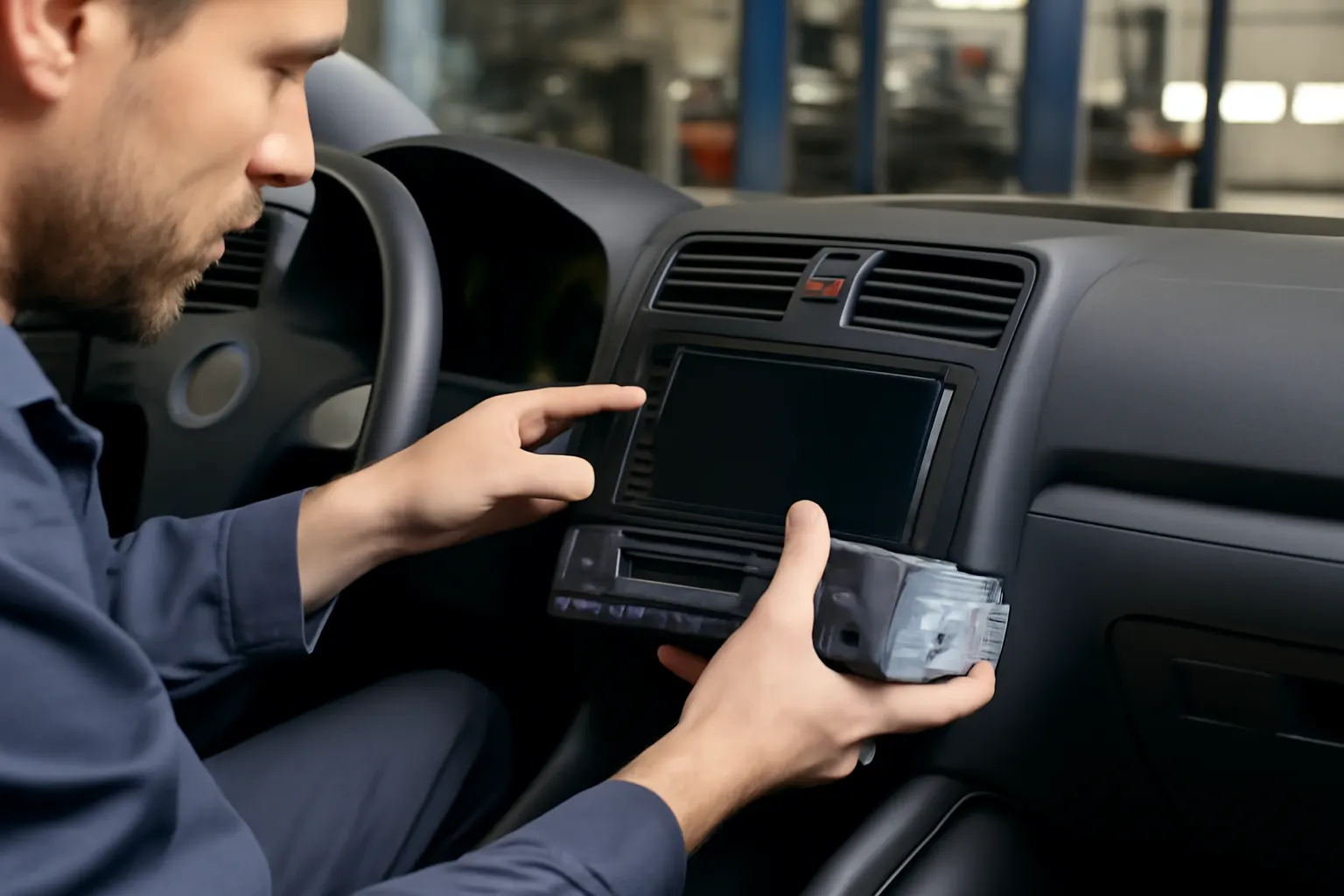
The Evolution of In-Car Entertainment: From Cassette to Streaming
At first glance, upgrading a car’s entertainment system may seem straightforward—swap out the old, install the new. However, hidden challenges often emerge: Electrical Compatibility: Modern head units may require wiring harnesses, adapters, or CAN bus integration to function with existing vehicle electronics. Physical Fitment: Dash openings, mounting brackets, and trim vary widely, especially between eras and manufacturers. Safety and OEM Integration: Features like steering wheel controls, backup cameras, and vehicle diagnostics are increasingly routed through infotainment systems, complicating replacements.
Read More