
Chevy Blower Motor
Diagnosing and Replacing Your Chevy Blower Motor
Many Chevy owners overlook subtle HVAC symptoms until comfort or visibility suffers. Recognizing early signs of blower motor trouble can prevent bigger headaches down the road. This page guides you through practical diagnosis, supported by real technical evidence, so you can make informed decisions about your Chevy’s blower motor replacement or repair.
Advertisement
Showing 8 of 32 Chevy blower motor parts


Advertisement
More Chevy Blower Motor options
Filtering for Chevy • Blower MotorScan nearby Chevy blower motor inventory without leaving this page.
No Data Available
Please check back soon when more inventory is available for this part.
Advertisement
Why Blower Motor Issues Go Unnoticed in Chevy Vehicles
It’s easy to take your Chevy’s heating and air conditioning for granted—until something goes wrong. Most drivers expect instant climate control, rarely thinking about the parts behind the dash that make it all possible. The blower motor, a key component of the HVAC system, quietly works to push air through the vents, ensuring comfort in every season. Yet, when this part starts to fail, the early warning signs can be subtle or easily mistaken for minor annoyances.
Many Chevy owners may not recognize that faint rattling, intermittent airflow, or weak defrosting as indications of a deeper issue. These symptoms often develop gradually, making them easy to ignore or attribute to temporary factors like weather or debris. However, neglecting these early signs can lead to more serious problems, such as complete loss of airflow or even electrical damage within the HVAC system. Understanding what to watch for is crucial for maintaining both comfort and safety.
A proactive approach to your Chevy’s blower motor health can save time, money, and frustration. By learning to spot the overlooked symptoms and understanding how the blower motor interacts with other HVAC components, you can address problems before they escalate. This guide will help you distinguish between minor quirks and genuine blower motor issues, empowering you to make informed repair or replacement decisions for your vehicle.

Common Symptoms and Causes of Chevy Blower Motor Failure
Blower motor problems in Chevy vehicles often manifest as unusual noises, weak airflow, or inconsistent fan speeds. These symptoms can be caused by a range of issues, from worn bearings and damaged fan blades to electrical faults or resistor failures. Recognizing these warning signs early is key to preventing further damage to the HVAC system or discomfort while driving.
One of the most frequent complaints is a rattling or squealing noise coming from the dash when the heater or air conditioning is on. According to 1A Auto, foreign objects like leaves or acorns can get caught in the blower motor, causing slapping or popping sounds. Over time, the bearings in the motor may wear out, leading to persistent squealing that changes pitch with fan speed. These noises are more than just an annoyance—they signal that the blower motor may be nearing the end of its service life Car AC Squealing When Running - Diagnose Blower Noise - 1A Auto.
Another common issue is weak or inconsistent airflow from the vents. As the blower motor ages, its ability to push air diminishes, resulting in poor cabin comfort and reduced effectiveness of the defroster. This can be especially problematic during extreme weather, when reliable airflow is essential for visibility and safety. The problem may also present as the fan only working on certain speeds, often pointing to a failing blower motor resistor, a component that regulates the motor’s speed settings Car AC Squealing When Running - Diagnose Blower Noise - 1A Auto.
Electrical issues are another root cause of blower motor failure. A blown fuse, melted connector, or damaged wiring can disrupt power to the motor, causing it to work intermittently or not at all. In some Chevy models, the blower motor resistor is particularly prone to failure, resulting in the blower running only at the highest speed or not functioning at all. Diagnosing these electrical faults requires careful inspection and, at times, the use of a multimeter to check for voltage and continuity Rattling Noise in Your Car Air Vent? - Diagnose and Fix - 1A Auto.
Physical damage to the blower motor assembly, such as cracked or broken fan cages, can also impair performance. If the blower motor is not securely mounted or its components are loose, it may vibrate excessively or fail to spin properly. In these cases, replacing the entire blower motor assembly is often recommended, especially if the unit has been in service for an extended period Rattling Noise in Your Car Air Vent? - Diagnose and Fix - 1A Auto.
Because multiple factors can contribute to blower motor issues, it’s important to approach diagnosis methodically. Overlooking a failing resistor, ignoring electrical connectors, or misattributing weak airflow to unrelated HVAC problems can lead to unnecessary repairs or persistent discomfort. The following sections provide a step-by-step guide to identifying and resolving blower motor problems in your Chevy.
Step-by-Step Guide to Diagnosing and Replacing a Chevy Blower Motor
Begin your diagnosis by listening carefully to the sounds coming from your Chevy’s HVAC system. Unusual noises—such as rattling, squealing, or slapping—are often the first indicators of blower motor trouble. If you hear these sounds, especially when adjusting fan speeds, it’s time to investigate further. Remove any visible debris from the vents and check for obstructions that could be causing the noise. If the sound persists, proceed with a more thorough inspection of the blower motor assembly.
Next, test the airflow from the vents at all fan speed settings. Weak or inconsistent airflow may indicate a failing blower motor or resistor. If the blower only works on the highest setting, the resistor is a likely culprit. Conversely, if the blower doesn’t work at all, check the fuse for the HVAC system. Use a test light or multimeter to confirm that power is reaching the fuse and that it is not blown. Replace any blown fuses and retest the system Rattling Noise in Your Car Air Vent? - Diagnose and Fix - 1A Auto.
If the fuse is intact and the blower still does not function, inspect the electrical connectors at both the blower motor and the resistor. Look for signs of melting, corrosion, or loose connections. Damaged connectors can disrupt power delivery and may require replacement. In some cases, overheating caused by a failing blower motor can damage the wiring harness, necessitating a more extensive repair Rattling Noise in Your Car Air Vent? - Diagnose and Fix - 1A Auto.
With the electrical system checked, remove the blower motor from its housing for a physical inspection. Examine the fan cage for cracks, missing blades, or other damage. Spin the motor by hand to ensure it moves freely without resistance or grinding. If the motor is difficult to turn, makes noise, or feels unstable, it is likely defective and should be replaced. If debris is present inside the motor, clean it thoroughly and retest. However, persistent issues usually indicate the need for a new blower motor Car AC Squealing When Running - Diagnose Blower Noise - 1A Auto.
When replacing the blower motor, it’s advisable to bring the old unit with you to match the part number and ensure compatibility. Chevy blower motors can vary by model and year, so visual and part number confirmation helps avoid purchasing the wrong component. If the resistor or electrical connector shows signs of wear or damage, replace these parts at the same time to ensure reliable operation and prevent future failures Heater Stopped Working: Chevy Truck Blower Motor Problems - 1A Auto.
Installation of the new blower motor is typically straightforward. Secure the motor in its housing, reconnect all electrical connectors, and test the system at each fan speed. Listen for abnormal noises and verify that airflow has been restored. If problems persist after replacement, further diagnosis of the HVAC control module or wiring may be necessary, as these can also cause blower motor malfunctions in some Chevy models.
Throughout the process, document each step, including the condition of removed parts and any repairs performed. This record can be valuable for future reference or warranty claims. If you are unsure about any step, consult a qualified technician or refer to your Chevy’s service manual for model-specific instructions. The Federal Trade Commission (FTC) recommends obtaining a written repair estimate and confirming the technician’s experience with your vehicle make and model FTC: Auto Repair Basics.
By following these steps, you can confidently diagnose and address blower motor issues in your Chevy. Whether you choose to tackle the repair yourself or seek professional assistance, understanding the process empowers you to make informed decisions and maintain your vehicle’s comfort and safety. For additional guidance, explore our Chevy Blower Motor and Blower Motor resources.
What the Evidence Says About Chevy Blower Motor Troubles
The technical guidance provided by 1A Auto highlights the importance of thorough inspection when diagnosing blower motor problems. Their article on diagnosing rattling noises in car air vents outlines a step-by-step process: check the fuse, test for power at the resistor and switch, and inspect the blower motor and its connectors. The evidence establishes that a blown fuse or damaged connector can prevent the blower motor from operating, while a defective resistor often causes the blower to work only on certain speeds. The recommendation to replace the blower motor and resistor together is based on their frequent concurrent failure in Chevy vehicles Rattling Noise in Your Car Air Vent? - Diagnose and Fix - 1A Auto.
In a documented Chevy truck case, a technician confirmed 12 volts at the blower motor connector and tested the motor directly on the battery, proving the motor itself was functional. The issue was traced to the blower motor resistor, a part known to fail commonly in Chevy trucks. The expert’s advice was to replace the resistor, noting that symptoms like the blower running only on high or not at all are classic indicators of resistor failure. This evidence supports prioritizing resistor checks when diagnosing fan speed problems in Chevy HVAC systems Heater Stopped Working: Chevy Truck Blower Motor Problems - 1A Auto.
Further evidence from 1A Auto’s coverage of blower motor noises explains that foreign objects, such as sticks or leaves, can damage the fan blades or cause slapping noises. Over time, the blower motor’s bearings may wear out, producing squealing sounds that change with speed. The article states that when these symptoms are present, especially if the motor does not spin freely or makes persistent noise, replacement is necessary. This guidance emphasizes physical inspection of the blower motor and its cage to determine the extent of damage Car AC Squealing When Running - Diagnose Blower Noise - 1A Auto.
The same article details additional symptoms of blower motor failure, such as weak airflow and diminished defroster performance. It cautions that while these issues often stem from a failing motor, other HVAC components could also be at fault. The evidence advises a full system diagnosis to confirm the root cause before replacing the blower motor. This approach helps avoid unnecessary parts replacement and ensures that the actual problem is addressed Car AC Squealing When Running - Diagnose Blower Noise - 1A Auto.
Electrical diagnostics are also supported by the evidence. 1A Auto recommends visually inspecting fuses and using a multimeter to check for power at key points in the circuit. If the fuse and wiring are intact but the motor does not operate, the motor itself is likely at fault. The guidance to swap the old blower motor for a new one using the same part number is based on ensuring compatibility and avoiding installation errors Car AC Squealing When Running - Diagnose Blower Noise - 1A Auto.
General consumer advice from the FTC underscores the importance of written estimates, clear documentation, and technician experience. While not specific to Chevy blower motors, this evidence supports best practices for any auto repair, including blower motor replacement. It reminds consumers to compare shop recommendations with the manufacturer’s maintenance schedule and to clarify warranty coverage before authorizing repairs FTC: Auto Repair Basics.
It’s important to note what the evidence does not establish. None of the cited sources provide specific failure rates, average repair costs, or model-year-specific patterns for Chevy blower motors. They do not confirm that all Chevy vehicles are affected or that every symptom requires immediate replacement. Instead, the evidence supports a methodical, case-by-case approach: inspect, test, and confirm before replacing parts. This ensures that repairs are both necessary and effective, tailored to the actual condition of your Chevy’s HVAC system.
Take the Next Step Toward Reliable Chevy HVAC Performance
If you’ve noticed unusual noises, weak airflow, or inconsistent fan speeds in your Chevy, don’t wait for comfort or safety to be compromised. Use the diagnostic steps outlined here to identify the cause, and consult a trusted technician if needed. For part selection and further information, visit our Chevy Blower Motor page or browse our Blower Motor category. Addressing blower motor issues promptly ensures a comfortable, safe ride in every season.
References
- Rattling Noise in Your Car Air Vent? - Diagnose and Fix - 1A Auto
- Heater Stopped Working: Chevy Truck Blower Motor Problems - 1A Auto
- Car AC Squealing When Running - Diagnose Blower Noise - 1A Auto
- FTC: Auto Repair Basics
References
- Rattling Noise in Your Car Air Vent? - Diagnose and Fix - 1A Auto - Rattling Noise in Your Car Air Vent? - Diagnose and Fix - 1A Auto, accessed 2026-11-01
- Heater Stopped Working: Chevy Truck Blower Motor Problems - 1A Auto - Heater Stopped Working, accessed 2026-11-01
- Car AC Squealing When Running - Diagnose Blower Noise - 1A Auto - Car AC Squealing When Running - Diagnose Blower Noise - 1A Auto, accessed 2026-11-01
- FTC: Auto Repair Basics - FTC, accessed 2026-11-01
Related Guides & Articles

How to Spot Counterfeit Chevy Parts
Counterfeit Chevy parts can jeopardize your vehicle's safety, reliability, and performance. Whether you're shopping for a replacement alternator, brake pads, or sensors, identifying fakes before you buy is crucial. This guide delivers immediate visual clues, packaging tips, and real-world examples to help you confidently distinguish genuine from counterfeit Chevy components—protecting both your investment and your safety.
Read More
Chevy Service Intervals Explained
Build a Chevrolet maintenance plan from the correct owner’s manual, service history and dashboard messages. Learn how oil-life reminders differ from oil-pressure warnings, how mileage and elapsed time affect a service decision, and why gasoline and electric vehicles need different schedules. Use the checklist to discuss a clear, itemized plan with your repairer.
View Guide
Amc Blower Motor Fitment
When it comes to restoring or maintaining classic American Motors Corporation (AMC) vehicles, ensuring the correct fitment of the blower motor is essential for optimal HVAC performance, safety, and long-term reliability. Installing a generic or ill-fitting blower motor can lead to poor air circulation, excessive noise, premature component failure, and even potential safety risks.
Read More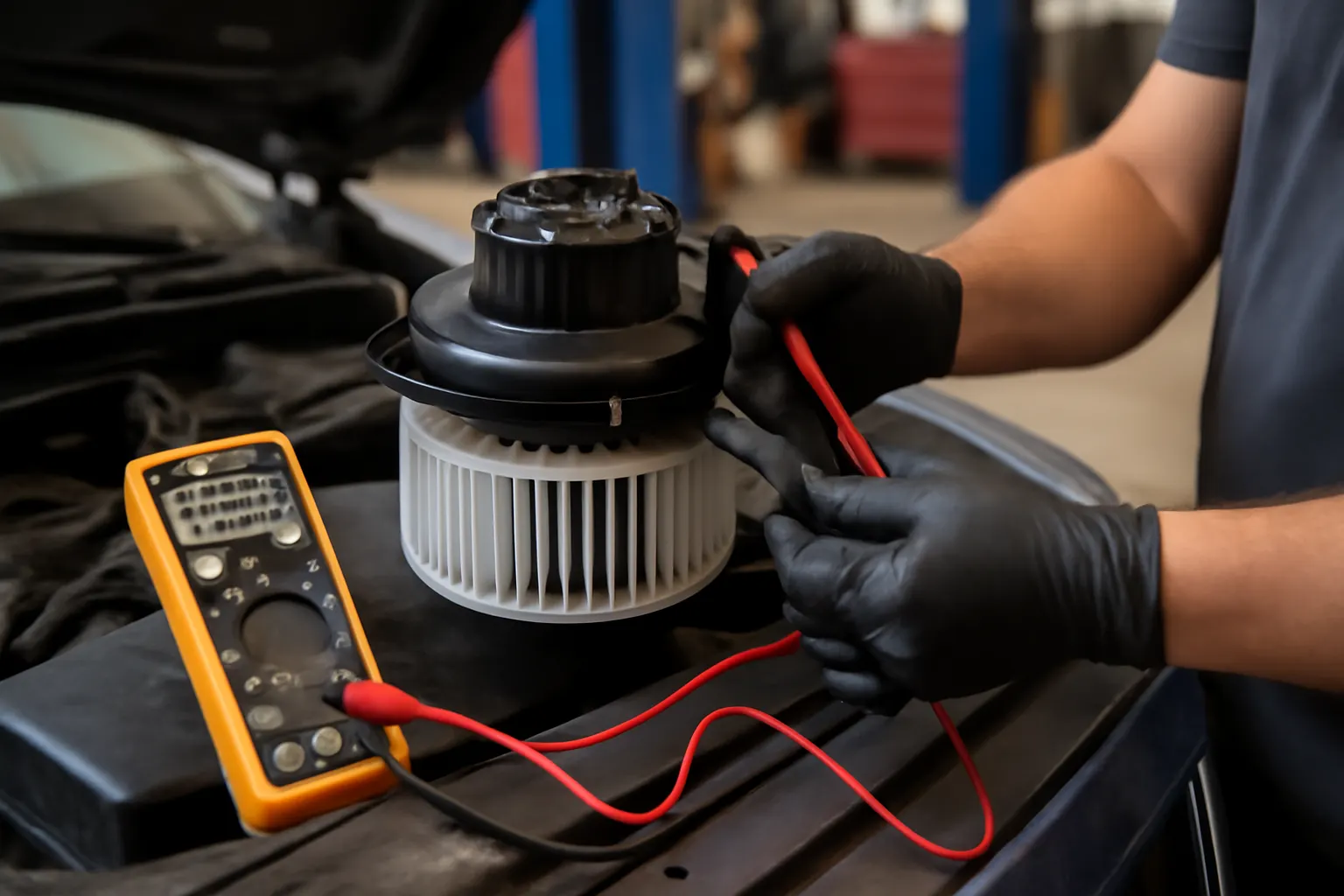
Blower Motor Safety: Performance and Protection
The blower motor is a critical component in every modern vehicle, directly impacting cabin comfort, visibility, and—most importantly—occupant safety. When functioning correctly, the blower motor ensures effective climate control, rapid windshield defogging, and proper operation of heating, ventilation, and air conditioning (HVAC) systems. This article explores the essential safety role of blower motors, the risks associated with failure, and how to maximize both performance and protection for drivers and passengers.
Read More