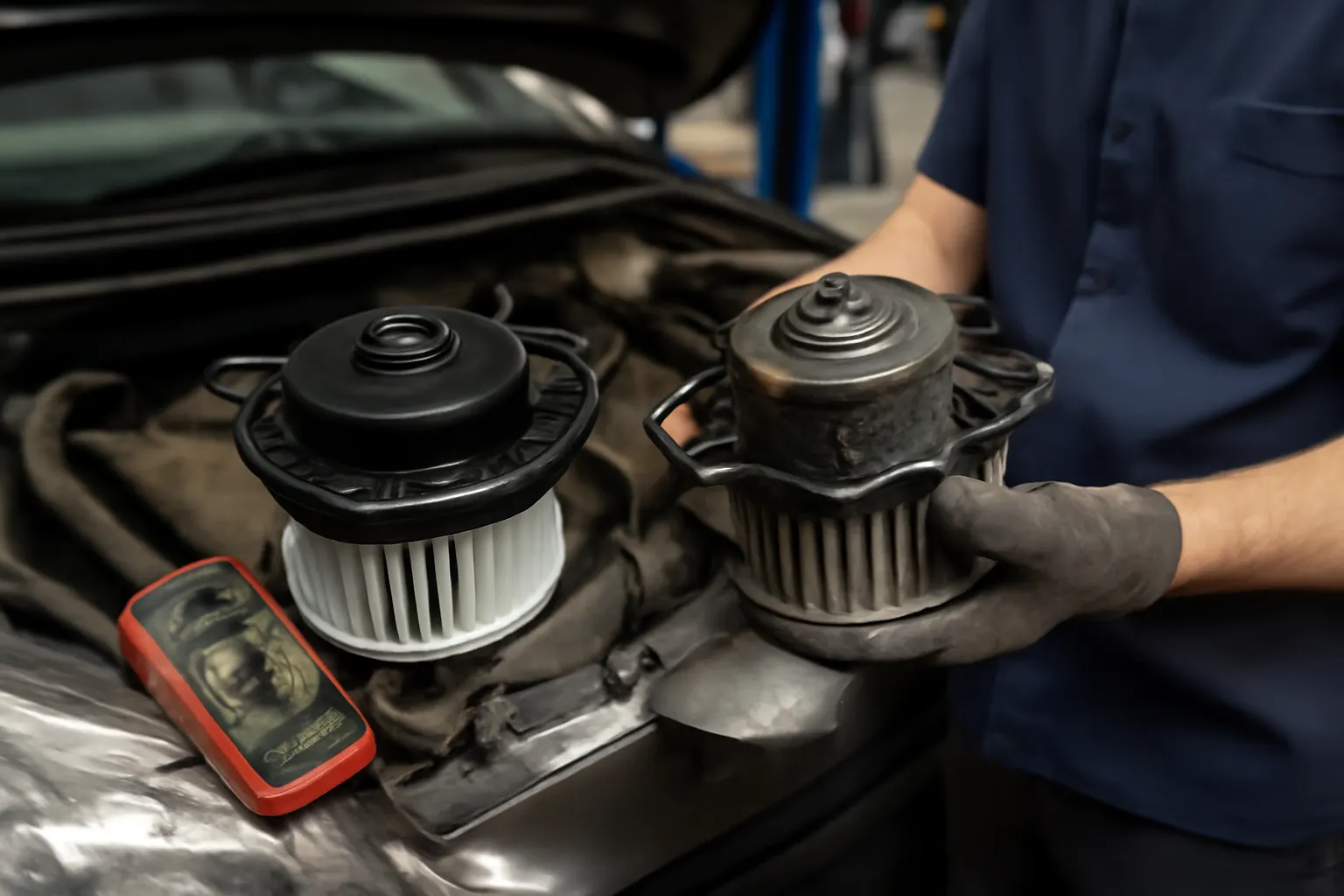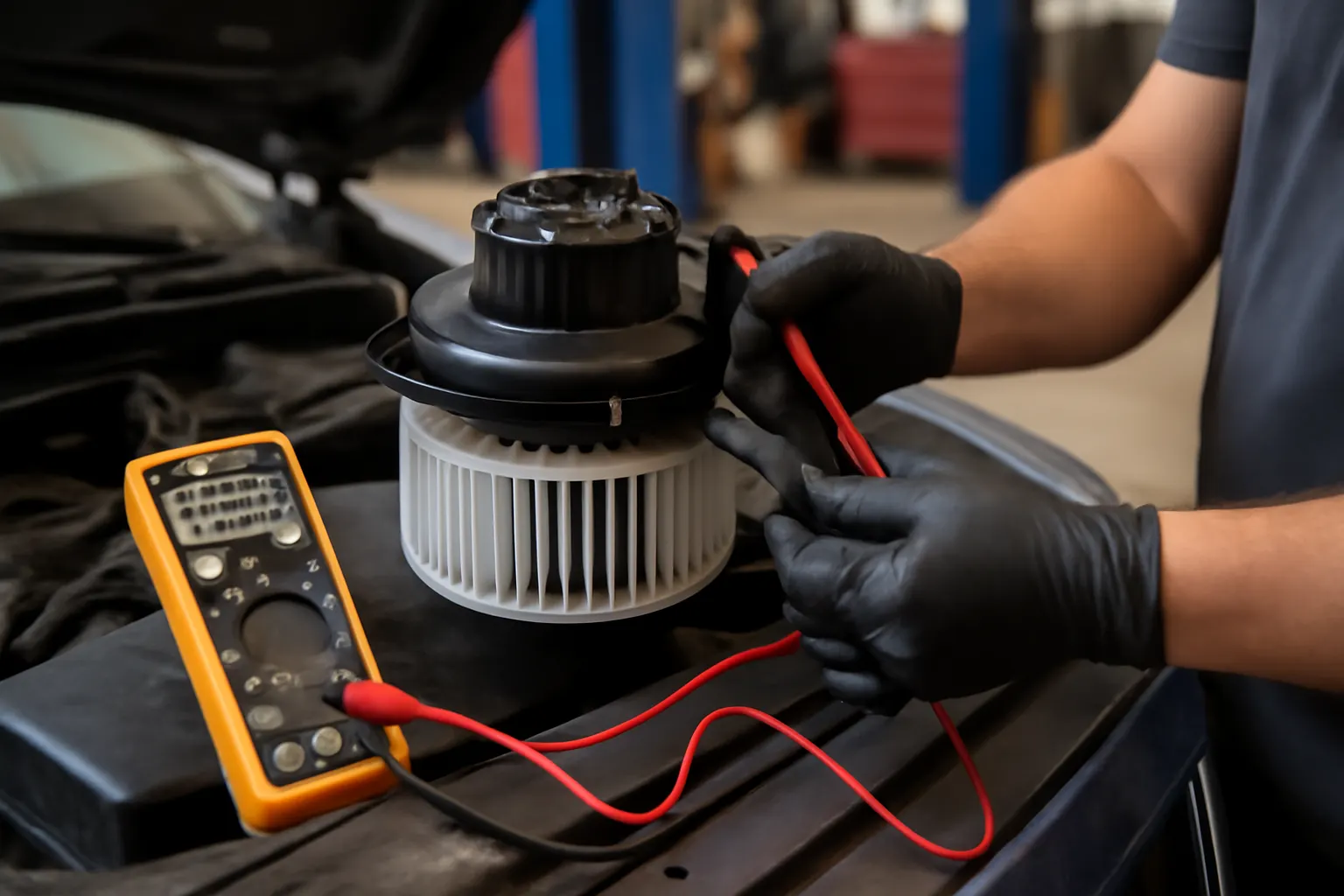
Blower Motor Safety: Performance and Protection
The blower motor is a critical component in every modern vehicle, directly impacting cabin comfort, visibility, and—most importantly—occupant safety. When functioning correctly, the blower motor ensures effective climate control, rapid windshield defogging, and proper operation of heating, ventilation, and air conditioning (HVAC) systems. This article explores the essential safety role of blower motors, the risks associated with failure, and how to maximize both performance and protection for drivers and passengers. If you’re looking for high-quality replacements or want to understand the nuances of blower motor safety, the Blower Motor | OEM Auto Parts | AutoPartEx.io category is an ideal starting point.
The Immediate Answer: Why Blower Motor Safety Matters
A properly functioning blower motor is not just about comfort—it’s a cornerstone of vehicle safety. The blower motor powers the airflow through your HVAC system, ensuring that defrosters clear fogged or iced windshields and that cabin air remains fresh and at a safe temperature. In emergency situations—such as rapid windshield fogging or extreme heat—blower motor reliability can make the difference between safe travel and hazardous conditions.
The Hidden Problem: Overlooked Safety Risks
Many drivers underestimate the blower motor’s safety implications, focusing only on comfort or assuming it’s a low-priority part. In reality, a failing blower motor can quickly compromise visibility, especially in humid or cold weather when windows fog. This can lead to dangerous driving situations, reduced reaction times, and increased accident risk. Beyond visibility, inadequate airflow can cause overheating or freezing in the cabin, posing health risks to occupants—especially children, elderly, or those with medical conditions.
The Technical Core: How Blower Motors Impact Vehicle Safety
Defrosting and Demisting
The blower motor is directly responsible for circulating air through the HVAC system’s heater core and evaporator, which in turn powers the defrost and demist functions. When the blower motor is weak or fails, the defroster cannot push enough warm or cool air onto the windshield, leaving condensation or ice to obstruct the driver’s view.
Cabin Air Quality and Comfort
Effective blower operation maintains air exchange, preventing buildup of CO₂, allergens, or humidity. This is especially important during long drives or in stop-and-go traffic, where fresh air intake is vital for occupant health and alertness.
Electronic System Integration
Modern vehicles integrate the blower motor with climate control modules, sensors, and sometimes even driver assistance systems. A malfunction can trigger error codes, limit HVAC functions, or disable automatic climate controls—creating cascading failures that affect comfort and safety.
Recognizing Blower Motor Safety Hazards
Blower motor failures rarely happen without warning. Recognizing the early signs can prevent safety-critical situations. Common indicators include:
- Weak or inconsistent airflow at all fan speeds
- Unusual noises (squealing, grinding, clicking) from the blower area
- HVAC system only working on certain speeds (often due to resistor or control module issues)
- Smell of burning or overheating plastic from vents
- Complete loss of airflow, even if the fan speed is increased
If any of these symptoms are present, immediate inspection is warranted to avoid further risk.
The Safety Checklist: Inspecting Your Blower Motor
A systematic approach to blower motor inspection helps ensure both performance and protection. Use this checklist for regular maintenance or troubleshooting:
Blower Motor Safety Inspection Checklist
| Step | Task | Safety Impact |
|---|---|---|
| 1 | Verify all fan speeds operate as intended | Ensures full airflow for defrosting |
| 2 | Listen for abnormal noises during operation | Detects early bearing or debris issues |
| 3 | Check for burning smells or excessive heat near the blower housing | Identifies electrical faults |
| 4 | Inspect the cabin air filter for clogs or excessive dirt | Maintains air quality and HVAC efficacy |
| 5 | Test defroster function with blower on high | Confirms visibility protection |
| 6 | Examine blower motor wiring and connectors for corrosion or looseness | Prevents intermittent failures |
| 7 | Observe for water leaks or moisture near blower location (common in some vehicles) | Prevents electrical shorts |
| 8 | Scan for HVAC-related diagnostic trouble codes (DTCs) if available | Catches integrated system issues |
Performing this checklist during routine maintenance or when symptoms arise can preempt hazardous blower motor failures.
Blower Motor Construction and Safety Standards
Materials and Durability
Blower motors are typically constructed using lightweight, heat-resistant materials to ensure longevity and safety under continuous operation. Advances in material science—such as improved plastics and corrosion-resistant metals—contribute to reduced weight and increased reliability, as outlined by the U.S. Department of Energy’s Materials Technologies. These improvements help blower motors withstand high temperatures and electrical loads, minimizing the chance of fire or meltdown.
Compliance with Safety Standards
Blower motors and their associated components are regulated by safety standards, including those from the National Highway Traffic Safety Administration (NHTSA) and SAE International. These standards ensure that blower motors meet rigorous requirements for electrical safety, fire resistance, and operational reliability (NHTSA Vehicle Safety and Equipment, SAE Standards). When sourcing replacements, always confirm that the part meets or exceeds OEM and regulatory standards.
The Role of Blower Motors in Emergency Situations
Blower motors play a pivotal role during emergencies—whether it’s rapidly defogging a windshield in a sudden downpour, maintaining safe cabin temperatures during a heatwave, or preventing freezing in winter. Inoperable blower motors can quickly turn minor inconveniences into life-threatening hazards. For example, a disabled blower during winter can cause rapid windshield icing, making it nearly impossible to see and react to road conditions.
Real-World Scenarios
- Sudden Fogging: Without a functional blower, even a short drive can result in dangerous visibility loss.
- Heatstroke Risk: In hot climates, inadequate airflow can lead to dangerously high cabin temperatures, particularly for vulnerable occupants.
- Electrical Fires: Faulty blower motors or wiring can overheat, leading to smoke or even fire in the HVAC system.
Diagnosing Blower Motor Failures: Practical Guidance
Blower motor issues can stem from several causes, including electrical faults, worn bearings, damaged fan blades, or clogged filters. Here’s how to diagnose the most common problems:
Step-by-Step Diagnostic Approach
- Check Fuse and Relay: Use your owner’s manual to locate the blower motor fuse and relay. If blown, replace and monitor for recurrence—persistent issues may indicate deeper electrical faults.
- Test Blower Motor Resistor or Control Module: If the blower only works on some speeds, the resistor or control module may be faulty. These are often accessible behind the glove box.
- Inspect Wiring and Connectors: Look for signs of corrosion, melted insulation, or loose connections.
- Listen for Noises: Squealing usually points to dry bearings; grinding or clicking can indicate debris in the fan cage or a failing motor.
- Direct Power Test: If accessible, apply direct battery voltage to the blower terminals. If the motor fails to run smoothly at full voltage, replacement is likely required.
- Check Cabin Air Filter: A clogged filter can restrict airflow and overwork the blower, leading to premature failure.
Ensuring Proper Blower Motor Installation
Correct installation is essential for both performance and safety. Improperly installed blower motors can vibrate, make noise, or even short-circuit. When replacing a blower motor, follow these best practices:
Installation Do’s and Don’ts
- Do disconnect the battery before starting to avoid electrical shock.
- Do use OEM or high-quality aftermarket parts that meet or exceed manufacturer specifications.
- Do replace the cabin air filter if it’s dirty or overdue.
- Don’t force connectors or overtighten mounting screws, as this can damage the housing or wiring.
- Don’t ignore signs of water intrusion or mold—address leaks before installing the new motor.
For a full walkthrough, see the Blower Motor Replacement: Installation and Safety Guide.
Preventing Blower Motor Damage: Maintenance Tips
Proactive maintenance can extend blower motor life and enhance vehicle safety. Key tips include:
- Regularly Replace Cabin Air Filters: A clogged filter is a leading cause of blower motor strain and overheating.
- Keep HVAC Intakes Clear: Remove leaves, debris, and snow from cowl vents and intake grilles.
- Address Water Leaks Promptly: Leaks can damage both the blower motor and control electronics.
- Listen and Respond: Investigate any new noises or changes in airflow immediately—early intervention prevents larger failures.
- Schedule HVAC System Inspections: Have your climate control system checked during routine service intervals, especially before seasonal changes.
For more on proactive care, review Preventing Blower Motor Damage: Maintenance and Protection.
Choosing the Right Blower Motor: OEM vs. Aftermarket
Selecting a replacement blower motor involves balancing cost, quality, and compatibility. OEM (Original Equipment Manufacturer) parts guarantee fit and compliance with manufacturer standards, while high-quality aftermarket units can offer cost savings and equivalent performance—if they meet regulatory requirements.
Comparison Table: OEM vs Aftermarket Blower Motors
| Feature | OEM Blower Motor | Aftermarket Blower Motor |
|---|---|---|
| Fitment | Guaranteed fit, direct replacement | May require verification of dimensions |
| Quality | Meets automaker and regulatory standards | Varies by brand; verify certifications |
| Warranty | Typically robust, backed by vehicle manufacturer | Varies; check product documentation |
| Cost | Usually higher | Often more affordable |
| Availability | Dealer or authorized parts distributor | Wide range of sources, including online |
For a deep dive into the pros and cons, see OEM vs Aftermarket Blower Motor: Quality and Performance Comparison.
Recalls and Safety Bulletins: Staying Informed
Blower motor safety is also shaped by manufacturer recalls and government safety bulletins. The NHTSA maintains an up-to-date database of equipment recalls, including those affecting HVAC systems and blower motors (NHTSA Recalls). Common recall triggers include:
- Electrical short risk due to manufacturing defects
- Fire hazard from overheating components
- Improperly secured wiring harnesses
- Faulty blower motor resistors
Always check your vehicle’s VIN for open recalls, especially if you are experiencing blower motor issues or unusual HVAC behavior.
The Consequences of Ignoring Blower Motor Maintenance
Neglecting blower motor care can have serious consequences beyond discomfort. Risks include:
- Reduced Visibility: Inability to clear fogged or iced windows, leading to unsafe driving.
- Electrical Fires: Overheating or short circuits can cause smoke or flames in the dashboard area.
- HVAC System Damage: A failing blower can overwork other HVAC components, leading to costly repairs.
- Health Risks: Poor air circulation can aggravate allergies, asthma, or heat/cold-related illnesses.
Proactive maintenance is a small investment that can prevent major safety and financial issues.
Sourcing Certified, Safety-Compliant Blower Motors
Not all blower motors are created equal. When sourcing replacements, prioritize:
- Certification: Look for parts that meet or exceed NHTSA and SAE standards.
- Reputation: Choose reputable suppliers and brands with proven safety records.
- Documentation: Ensure the product includes installation instructions and warranty details.
- Fitment: Confirm compatibility with your specific vehicle year, make, and model.
The Blower Motor | OEM Auto Parts | AutoPartEx.io section offers a curated selection of certified blower motors for a wide range of vehicles, ensuring both safety and reliability.
AutoPartEx: Your Partner in Blower Motor Safety
At AutoPartEx, we understand that a small component like the blower motor can have a big impact on your vehicle’s safety and comfort. That’s why we rigorously vet our OEM and premium aftermarket blower motors for compliance, durability, and performance. Our technical guides, diagnostic resources, and expert support help you make informed decisions—whether you’re a DIYer or a professional technician.
Explore our full lineup, review fitment guides, and access expert advice through our Blower Motor | OEM Auto Parts | AutoPartEx.io category. For step-by-step repair and maintenance guidance, browse our editorial resources such as Blower Motor Replacement: Installation and Safety Guide and Preventing Blower Motor Damage: Maintenance and Protection.
Conclusion: Prioritize Blower Motor Safety for Total Vehicle Protection
The blower motor is more than a comfort feature—it’s a fundamental safety device that protects visibility, air quality, and occupant well-being in every journey. By understanding its role, recognizing failure symptoms, and maintaining high standards for replacement and care, you can ensure your vehicle’s HVAC system operates safely and efficiently. Don’t wait for a failure to jeopardize your safety—inspect, maintain, and upgrade your blower motor as part of your regular vehicle care routine.